
 EN
EN
 AR
AR
 DA
DA
 NL
NL
 FI
FI
 FR
FR
 DE
DE
 EL
EL
 HI
HI
 IT
IT
 JA
JA
 KO
KO
 NO
NO
 PL
PL
 PT
PT
 RO
RO
 RU
RU
 ES
ES
 SV
SV
 TL
TL
 IW
IW
 ID
ID
 SR
SR
 VI
VI
 HU
HU
 TH
TH
 TR
TR
 FA
FA
 MS
MS
 IS
IS
 AZ
AZ
 UR
UR
 BN
BN
 HA
HA
 LO
LO
 MR
MR
 MN
MN
 PA
PA
 MY
MY
 SD
SD
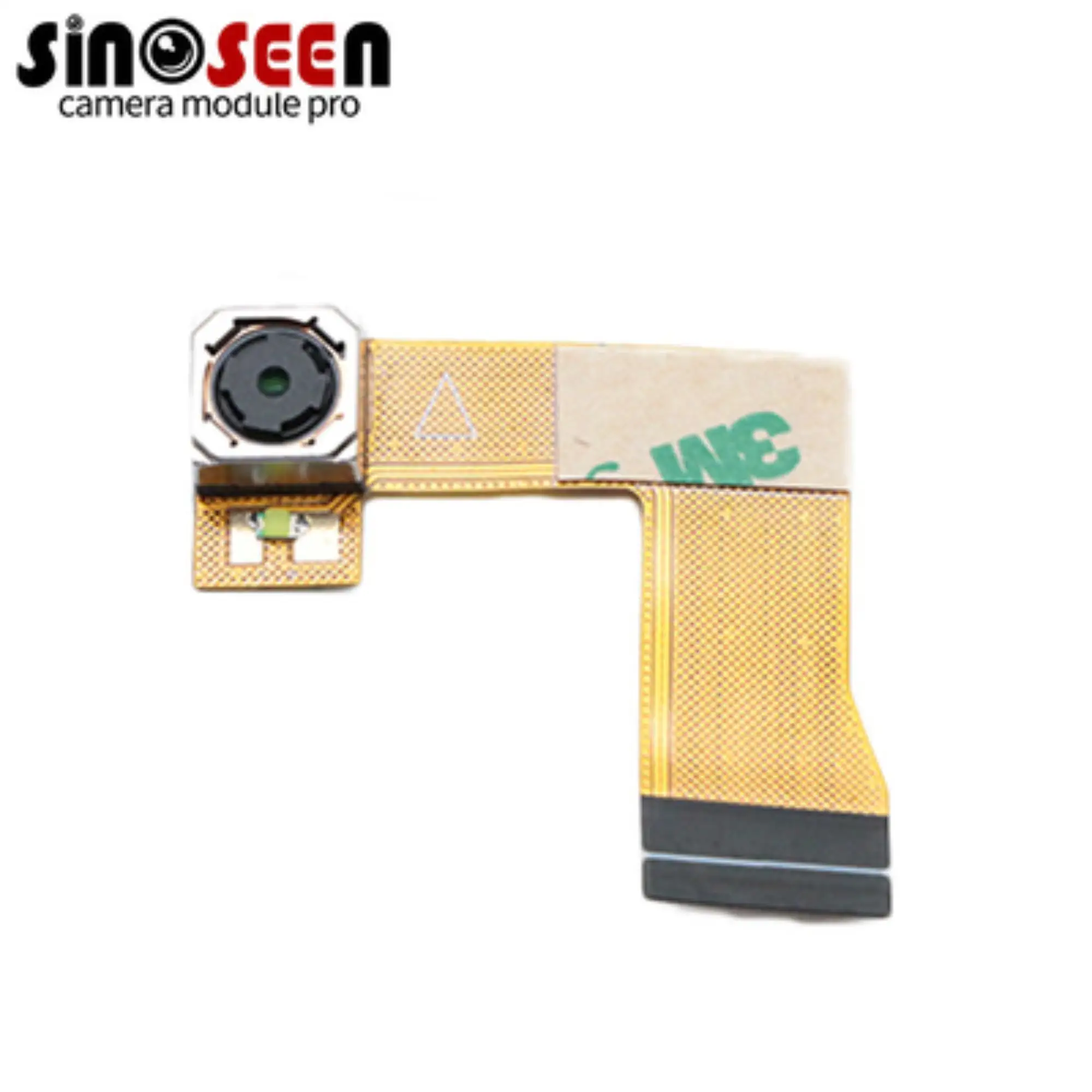
The demand for specialized imaging solutions has transformed how manufacturers approach compact camera module production. Industrial applications, consumer electronics, medical devices, and automotive systems increasingly require custom-built compact camera module solutions that standard off-the-shelf components cannot provide. Compact camera module factories have evolved into specialized production facilities capable of designing, prototyping, and manufacturing tailored imaging solutions that meet precise technical specifications, volume requirements, and integration constraints unique to each customer's application.
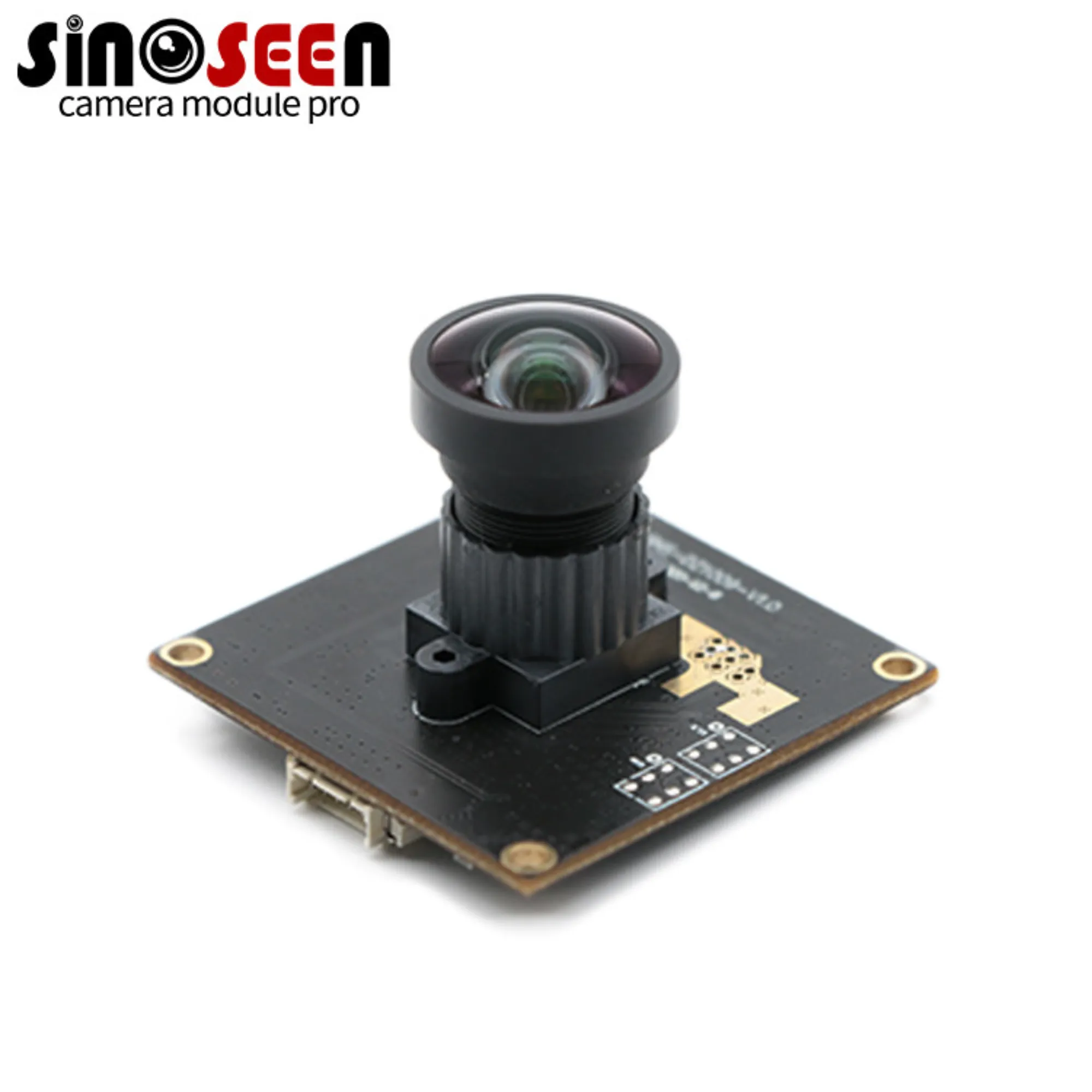
Custom-built compact camera modules represent a fundamental shift from mass-production thinking to application-specific engineering. Rather than forcing existing designs into incompatible use cases, modern compact camera module manufacturers work directly with engineers and product teams to develop imaging systems that integrate seamlessly into their specific platforms. This collaborative approach ensures that every compact camera module aligns with mechanical constraints, power budgets, software interfaces, and performance targets established by the end-user application.
Design Flexibility and Technical Customization
Sensor Selection and Resolution Optimization
Compact camera module factories maintain access to a diverse range of imaging sensors, each optimized for different application requirements. When designing a custom compact camera module, manufacturers evaluate sensor resolutions ranging from low-cost VGA options for basic detection tasks to high-resolution sensors for detailed inspection and documentation. The selection process considers not only pixel count but also frame rate, dynamic range, low-light performance, and thermal characteristics. A compact camera module intended for autonomous inspection must deliver consistent performance across varying lighting conditions, while a compact camera module designed for document scanning prioritizes color accuracy and edge sharpness. By aligning sensor selection with application-specific metrics, factories ensure that each compact camera module delivers optimal performance without unnecessary cost or complexity.
Interface and Integration Adaptation
Integration complexity often determines whether a compact camera module can function within a given system architecture. Compact camera module factories support multiple interface standards including MIPI CSI-2, USB, Ethernet, and proprietary protocols required by specialized equipment. Custom compact camera module designs can incorporate specific connector types, mechanical form factors, and mounting solutions that eliminate integration bottlenecks. A compact camera module serving an embedded medical device might require a compact form factor with low power consumption, while a compact camera module for industrial vision systems might prioritize fast trigger response and precise timing synchronization. By customizing both electrical and mechanical interfaces during the design phase, compact camera module manufacturers reduce integration time and eliminate costly redesigns downstream.
Rapid Prototyping and Iterative Development
Accelerated Design-to-Production Timeline
The ability to move quickly from concept to functional prototype distinguishes modern compact camera module factories from conventional component suppliers. Advanced manufacturing facilities maintain on-site design capabilities, component inventory, and assembly equipment that enable rapid iteration cycles. When a customer requires a custom compact camera module with specific thermal management, a factory can quickly prototype alternative designs using different thermal interface materials, housing geometries, and airflow strategies. Initial prototypes of a compact camera module can be produced within weeks rather than months, allowing customers to validate performance assumptions and identify integration issues early. This rapid feedback loop transforms compact camera module development from a high-risk, long-duration process into an agile, iterative engineering exercise where design refinements emerge naturally from functional testing and real-world evaluation.
Scalable Manufacturing Transition
Successful prototyping must lead seamlessly into volume production, and compact camera module factories are structured to support this transition without disrupting supply chains. During prototyping, a compact camera module undergoes rigorous validation testing including thermal cycling, vibration stress, optical performance verification, and reliability characterization. Once a design achieves production readiness, the same compact camera module manufacturing process scales efficiently to meet forecast volumes. By maintaining both prototype and production capabilities within integrated facilities, compact camera module providers eliminate the risk of design changes during scale-up and ensure that production units maintain the exact performance characteristics validated during development. This integrated approach protects customers from the costly surprises that often emerge when prototype designs transition to different manufacturers or contract manufacturers unfamiliar with original design intent.
Application-Specific Solutions Across Industries
Medical and Life Sciences Imaging
Regulatory requirements and sterility standards create specialized demands that only dedicated compact camera module providers can reliably meet. Medical-grade compact camera module designs often incorporate specific material certifications, contamination-resistant packaging, and sterilization-compatible housing materials. A compact camera module for endoscopic applications must deliver exceptional image quality within tight spatial constraints while maintaining flexibility for scope articulation and illumination integration. Custom compact camera module manufacturers work closely with medical equipment designers to ensure imaging performance aligns with diagnostic requirements while accommodating regulatory pathways including biocompatibility testing and material traceability documentation. The compact camera module becomes not just an imaging component but an integrated element of a regulated medical system, manufactured with quality controls and documentation practices that satisfy healthcare compliance standards.
Industrial Automation and Quality Control
Manufacturing environments impose harsh conditions that demand robust compact camera module designs engineered specifically for demanding operational contexts. Factory floors often expose equipment to temperature extremes, vibration, electromagnetic interference, and airborne contaminants that would compromise standard consumer-grade cameras. Custom compact camera module solutions incorporate conformal coatings, sealed housings, vibration dampening, and electromagnetic shielding appropriate for industrial settings. A compact camera module for quality control inspection must synchronize precisely with production line timing, trigger on specific product positions, and deliver consistent image data that feeds into artificial intelligence and machine vision algorithms. Compact camera module factories design these systems with industrial reliability as a core requirement, ensuring that cameras maintain performance across thousands of operating hours and millions of image captures without degradation or failure.
Quality Assurance and Reliability Testing
Compact camera module manufacturers serving custom applications implement comprehensive quality assurance protocols that exceed standard component testing. Each custom compact camera module undergoes individual performance characterization including optical calibration, electrical verification, and functional validation before shipment. Temperature cycling tests ensure that a compact camera module maintains focus accuracy, optical performance, and electrical functionality across the customer's specified operating temperature range. Vibration and shock testing confirms that mechanical components remain stable and optical elements stay precisely aligned through handling, installation, and operational stresses. Extended reliability testing on production-representative samples identifies potential failure modes early, allowing compact camera module designers to implement corrective design modifications before full volume production begins. This rigorous approach transforms compact camera module manufacturing from a simple assembly operation into an engineered process where quality and reliability emerge from intentional design and validation rather than passive inspection.
FAQ
What makes compact camera module factories different from standard electronics manufacturers?
Specialized compact camera module factories combine optical engineering expertise, imaging sensor knowledge, and custom mechanical design capabilities that general electronics manufacturers typically lack. While standard contract manufacturers excel at high-volume assembly of fixed designs, compact camera module experts maintain specialized competencies in optical alignment, thermal management for imaging sensors, and integration of complex imaging software. This focus allows compact camera module providers to solve custom integration challenges quickly and deliver imaging solutions that truly match application requirements rather than forcing compromises around standard components.
How long does it typically take to develop a custom compact camera module?
Timeline depends on design complexity and how clearly defined the application requirements are at project start. A relatively straightforward custom compact camera module with standard sensors and interfaces might progress from initial specification to production-ready design in three to four months. More complex applications requiring novel sensor configurations, specialized interfaces, or demanding environmental specifications may require six to nine months for complete development and validation. Compact camera module factories accelerate timelines through early prototyping, parallel testing tracks, and rapid iteration cycles that compress development duration compared to traditional OEM product development approaches.
Can compact camera module factories support both prototype quantities and full production volumes?
Yes, professional compact camera module factories are structured specifically to support the complete lifecycle from prototype through high-volume production. Initial prototypes might involve hand-assembly of small quantities to validate design concepts quickly. As applications progress toward production, the same compact camera module design scales to semi-automated assembly processes, then full-volume manufacturing once volumes justify tooling investment. This integrated capability ensures design consistency throughout the scaling process and eliminates the risk and delay associated with transferring designs to different manufacturers during transition from development to production phases.