
 EN
EN
 AR
AR
 DA
DA
 NL
NL
 FI
FI
 FR
FR
 DE
DE
 EL
EL
 HI
HI
 IT
IT
 JA
JA
 KO
KO
 NO
NO
 PL
PL
 PT
PT
 RO
RO
 RU
RU
 ES
ES
 SV
SV
 TL
TL
 IW
IW
 ID
ID
 SR
SR
 VI
VI
 HU
HU
 TH
TH
 TR
TR
 FA
FA
 MS
MS
 IS
IS
 AZ
AZ
 UR
UR
 BN
BN
 HA
HA
 LO
LO
 MR
MR
 MN
MN
 PA
PA
 MY
MY
 SD
SD
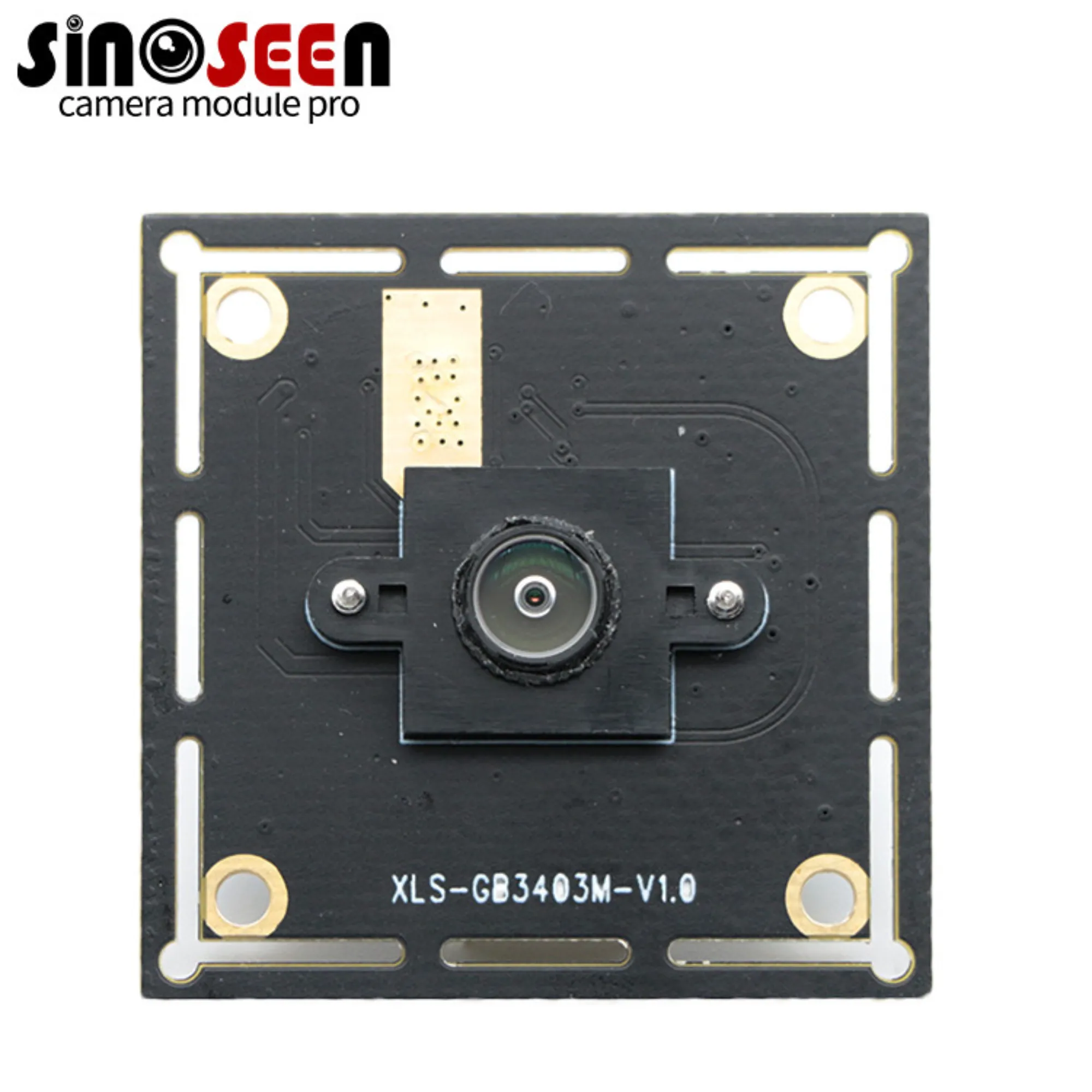
The selection of an embedded camera module supplier represents a critical decision for OEM electronics manufacturers seeking to integrate visual sensing capabilities into their products. An embedded camera module supplier must deliver more than standard off-the-shelf components; they must provide customized solutions, technical expertise, and reliable support throughout the design and production lifecycle. Organizations worldwide depend on specialized embedded camera module providers to accelerate time-to-market, reduce engineering overhead, and ensure consistent product quality.
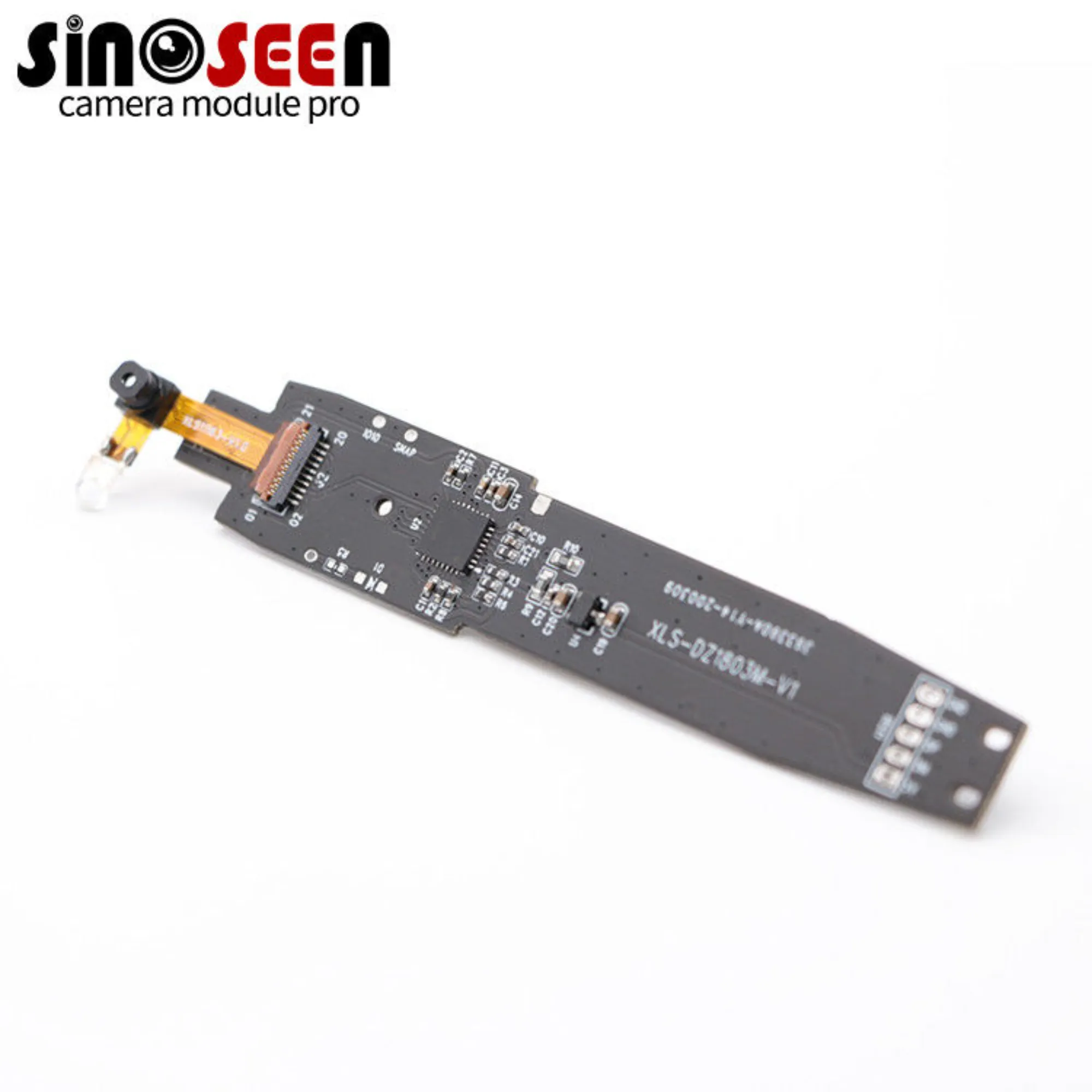
Working with an embedded camera module supplier who understands your industry vertical and application requirements transforms product development strategy. Whether you are designing smart home devices, industrial inspection systems, automotive vision solutions, or medical imaging equipment, the right embedded camera module partner offers technical depth, manufacturing consistency, and collaborative problem-solving that generic suppliers cannot match.
Understanding Embedded Camera Module Integration
Core Capabilities of an Embedded Camera Module Supplier
An embedded camera module supplier provides far more than a physical component. A comprehensive embedded camera module solution includes sensor selection, optical design, signal processing, and interface standardization. The supplier must support multiple interface protocols such as MIPI CSI, USB, or parallel interfaces depending on your host processor architecture. Customization capabilities matter significantly because your application may require specific sensor resolution, frame rate, low-light sensitivity, or form factor constraints that standard modules cannot satisfy.
Technical documentation, reference designs, and firmware support represent essential services from a professional embedded camera module supplier. Many OEM manufacturers overlook the importance of comprehensive integration support during the design phase. An experienced embedded camera module supplier provides application notes, sample code, driver libraries, and design consultation that accelerate your development timeline and reduce integration risks. This support reduces your engineering burden and enables smaller teams to deliver complex vision-enabled products.
Manufacturing Standards and Quality Assurance
When selecting an embedded camera module supplier, manufacturing consistency and quality control directly impact your product reliability. Leading suppliers implement rigorous quality assurance protocols including component screening, assembly verification, optical alignment testing, and environmental stress testing. An embedded camera module supplier committed to quality operates ISO-certified manufacturing facilities and maintains traceability for every unit shipped. This commitment to quality ensures that field failures remain minimal and customer satisfaction remains high throughout your product lifecycle.
Design Flexibility and Customization Options
Sensor Technology and Image Processing
Different applications demand different sensor technologies and image processing approaches, which is why partnering with an embedded camera module supplier offering flexibility proves essential. Global shutter sensors provide flicker-free imaging in industrial settings, while rolling shutter sensors optimize power consumption in portable devices. Your embedded camera module supplier should offer sensor options spanning various resolutions, pixel sizes, and spectral sensitivities. Image signal processing capabilities—including color correction, white balance, noise reduction, and lens distortion correction—must align with your application requirements.
An advanced embedded camera module supplier provides configurable image processing pipelines that you can tune during development and production ramp. This flexibility allows you to optimize performance for specific lighting conditions, scene complexity, and processing power availability on your target platform. Some applications require raw sensor data for custom processing algorithms, while others need fully processed images ready for immediate use, and your embedded camera module supplier should support both approaches seamlessly.
Form Factor and Interface Optimization
Product enclosure design and spatial constraints often drive embedded camera module requirements. A responsive embedded camera module supplier collaborates with your mechanical design team to optimize module dimensions, connector placement, and optical window positioning. Whether you need a compact module for wearable devices, a ruggedized variant for industrial equipment, or a specialized configuration for automotive applications, the embedded camera module supplier should demonstrate design flexibility and rapid prototyping capability.
Interface standardization matters for system integration efficiency. Your embedded camera module supplier must support the communication protocols required by your host processor, whether MIPI Camera Serial Interface, high-speed parallel interfaces, or standard USB connectivity. Power consumption optimization represents another critical customization area; an embedded camera module supplier skilled in low-power design can help you meet battery life requirements and thermal management constraints that influence product competitiveness.
Supply Chain Reliability and Production Scaling
Component Sourcing and Long-Term Availability
An embedded camera module supplier's sourcing strategy directly affects your product's long-term viability. Reputable suppliers maintain multiple relationships with image sensor manufacturers, lens suppliers, and component distributors to mitigate single-source risks. Your embedded camera module supplier should provide extended product availability commitments, typically guaranteeing supply for five to ten years beyond production phase-out, ensuring you can service installed products and manage warranty obligations responsibly.
Obsolescence management becomes critical as technology evolves and components reach end-of-life. A professional embedded camera module supplier proactively identifies upcoming part discontinuations and presents qualified alternatives months in advance. This embedded camera module supplier support prevents sudden supply disruptions that could halt your manufacturing lines or force costly product redesigns. Transparent communication about component roadmaps and availability windows distinguishes reliable partners from suppliers who leave you scrambling during critical transitions.
Manufacturing Capacity and Volume Scaling
As your product gains market traction, your embedded camera module supplier must scale production capacity without compromising quality or delivery schedules. Established suppliers maintain manufacturing facilities with redundant lines, inventory buffers, and supply chain visibility systems that ensure consistent output. Your embedded camera module supplier should provide clear guidance on minimum order quantities, lead times at various volume levels, and pricing structures that reward scale while remaining economically viable during product launch phases.
Production visibility and real-time status tracking demonstrate operational maturity. Top-tier embedded camera module suppliers offer manufacturing dashboards, shipment scheduling tools, and logistics coordination that help you maintain accurate inventory forecasts. This transparency enables confident production planning and reduces the working capital tied up in component inventory. When your embedded camera module supplier becomes a true operational partner rather than a transaction-based vendor, supply chain efficiency improves substantially.
Technical Support and Collaboration
Engineering Support During Development
The value of an embedded camera module supplier extends far beyond shipping physical components. During your development phase, technical support from experienced engineers accelerates your integration process and helps you avoid costly design mistakes. Your embedded camera module supplier should offer application consultation, performance optimization guidance, and troubleshooting assistance as you bring your vision-enabled product to market. Access to application engineers who understand both camera technology and system integration proves invaluable when you encounter unexpected performance challenges.
Documentation quality reflects the professionalism of your embedded camera module supplier. Comprehensive datasheets, schematic references, PCB layout guidelines, firmware source code, and integration examples enable your engineering team to progress confidently. An embedded camera module supplier committed to customer success provides not just specifications but context about how to apply those specifications effectively within your unique architecture. This educational approach transforms the supplier relationship into a genuine partnership that strengthens your product development capability.
Ongoing Support and Continuous Improvement
Product support does not end at manufacturing. Your embedded camera module supplier should maintain active technical support channels throughout your product lifecycle, addressing field issues, managing firmware updates, and supporting product variants. Responsive support minimizes customer escalations and protects your brand reputation when vision-related issues arise in production environments. An embedded camera module supplier with strong support infrastructure demonstrates commitment to your long-term success.
FAQ
What factors should I prioritize when selecting an embedded camera module supplier?
Prioritize technical capability, customization flexibility, manufacturing quality, supply chain reliability, and post-sale support. Evaluate your embedded camera module supplier's experience with similar applications, their ability to meet your specific performance requirements, their quality certifications, and their track record of reliable delivery. Request references from existing customers and assess their willingness to collaborate closely during your development phase. An embedded camera module supplier demonstrating expertise in your industry vertical offers valuable insights beyond component supply.
How long does it typically take to develop a custom embedded camera module?
Development timelines vary based on customization complexity and your embedded camera module supplier's design flexibility. Standard configurations using existing sensors and optical designs may require only 4–8 weeks, while fully custom embedded camera module solutions involving novel sensor selections, optical coatings, or interface protocols may extend 3–6 months. Your embedded camera module supplier should provide realistic timelines during initial consultation and maintain regular progress communication to ensure your product launch schedule remains achievable.
What support does an embedded camera module supplier typically provide after product launch?
Professional embedded camera module suppliers provide ongoing technical support, firmware updates, component availability management, and volume scaling assistance throughout your product lifecycle. Your embedded camera module supplier should maintain a support team familiar with your specific implementation, respond promptly to technical inquiries, and proactively communicate about component obsolescence or improvements. Long-term partnerships with responsive suppliers ensure continuity and reduce the risk of unexpected support gaps that could disrupt customer service.