Innovative Camera Modules for Every Application | Sinoseen

All Categories

camera module

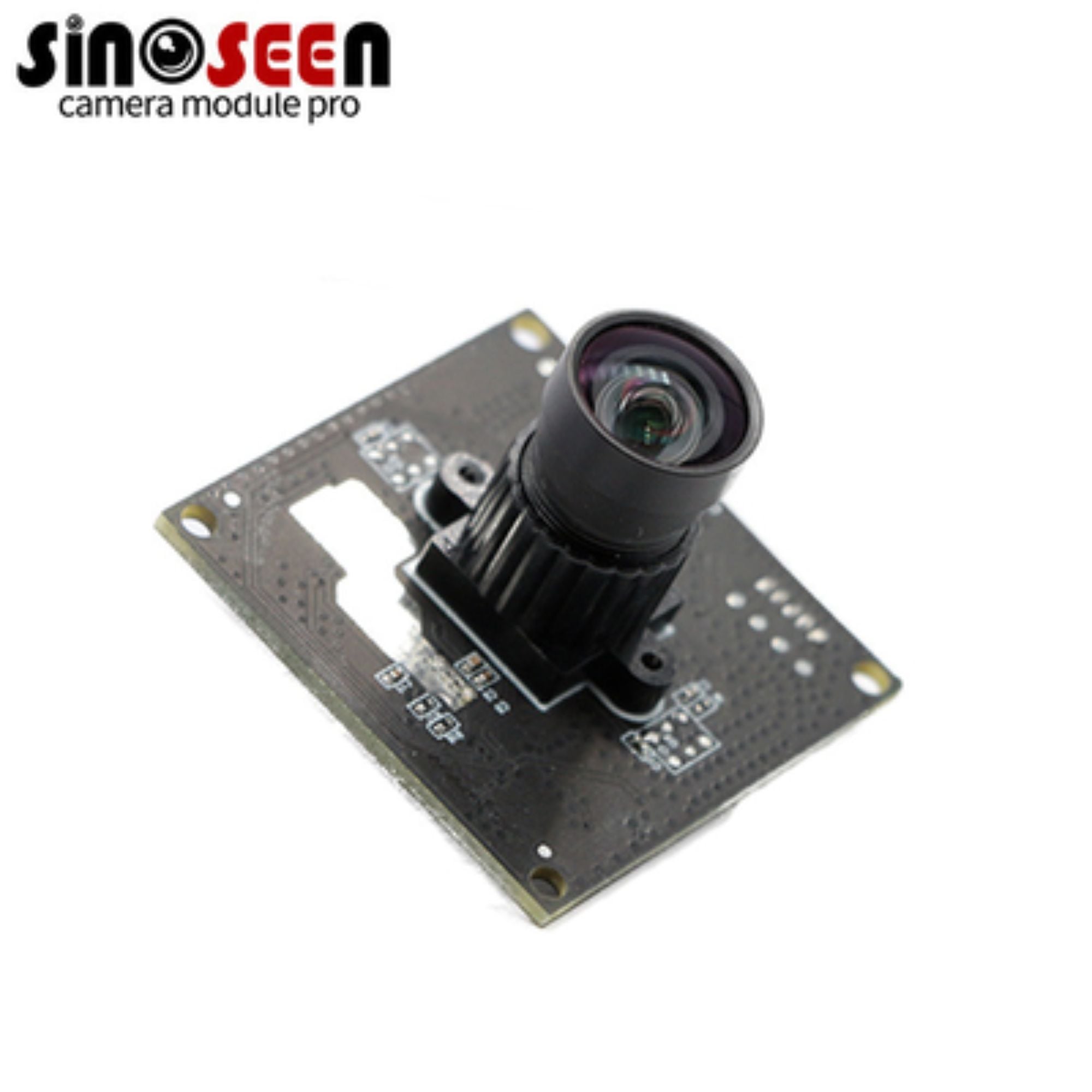
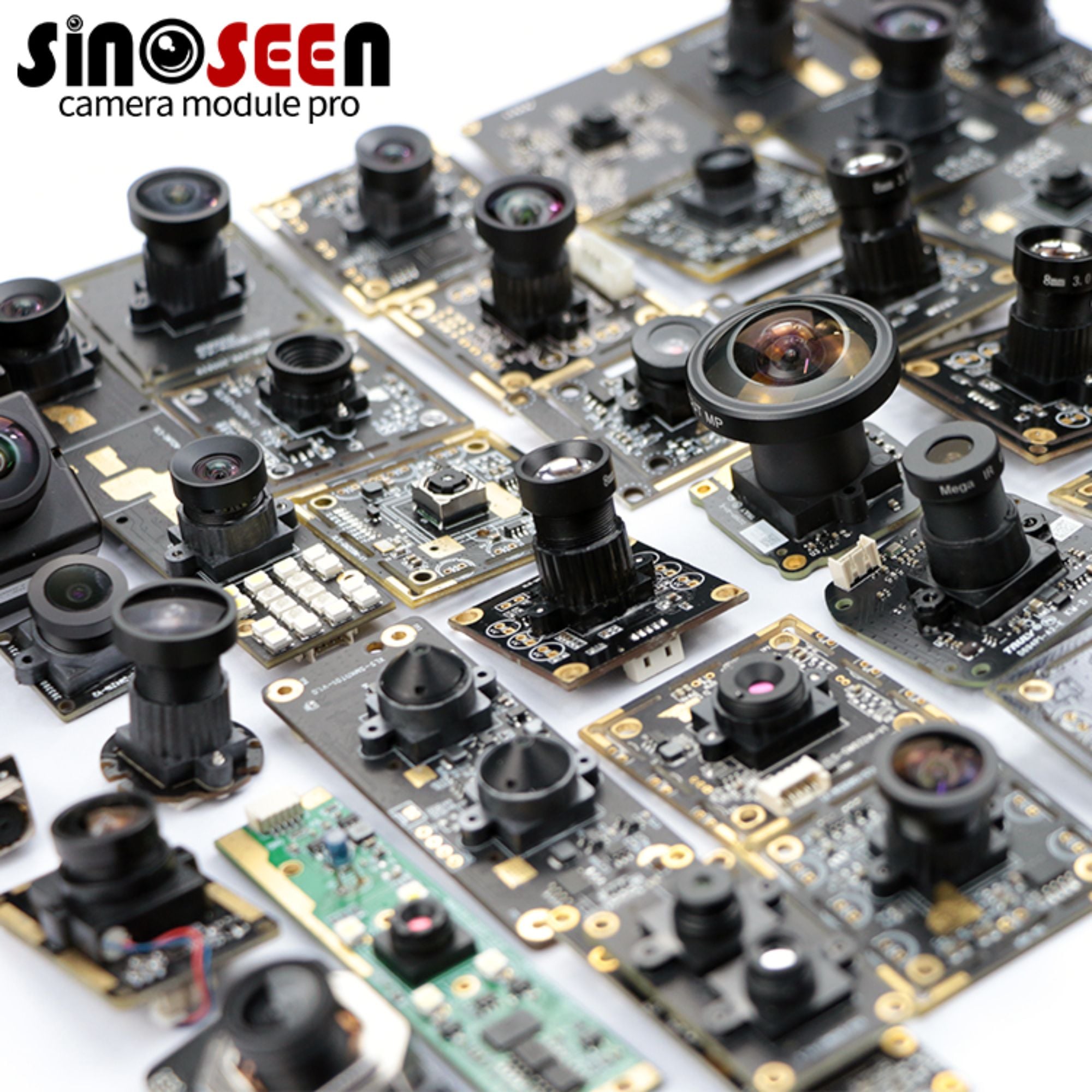
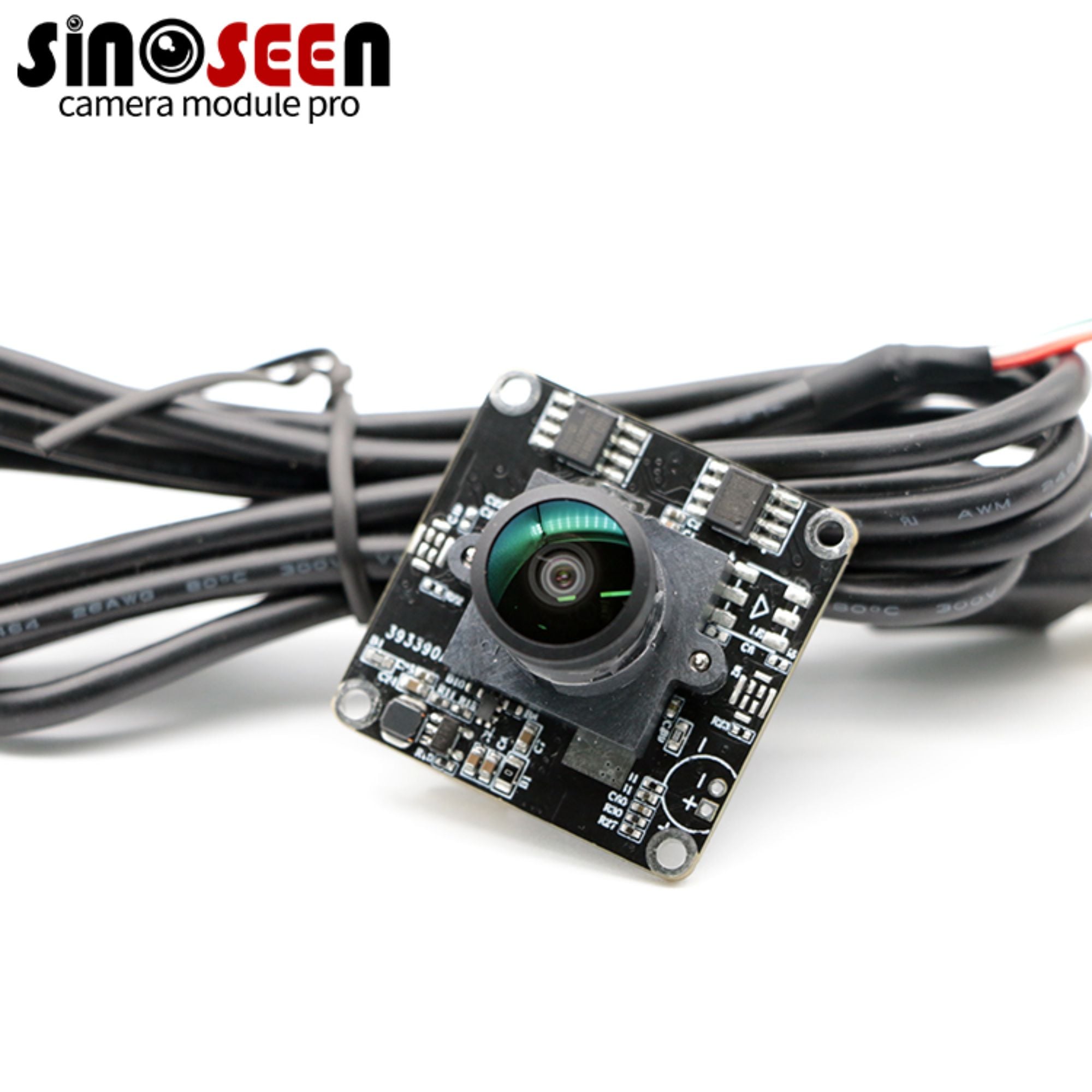
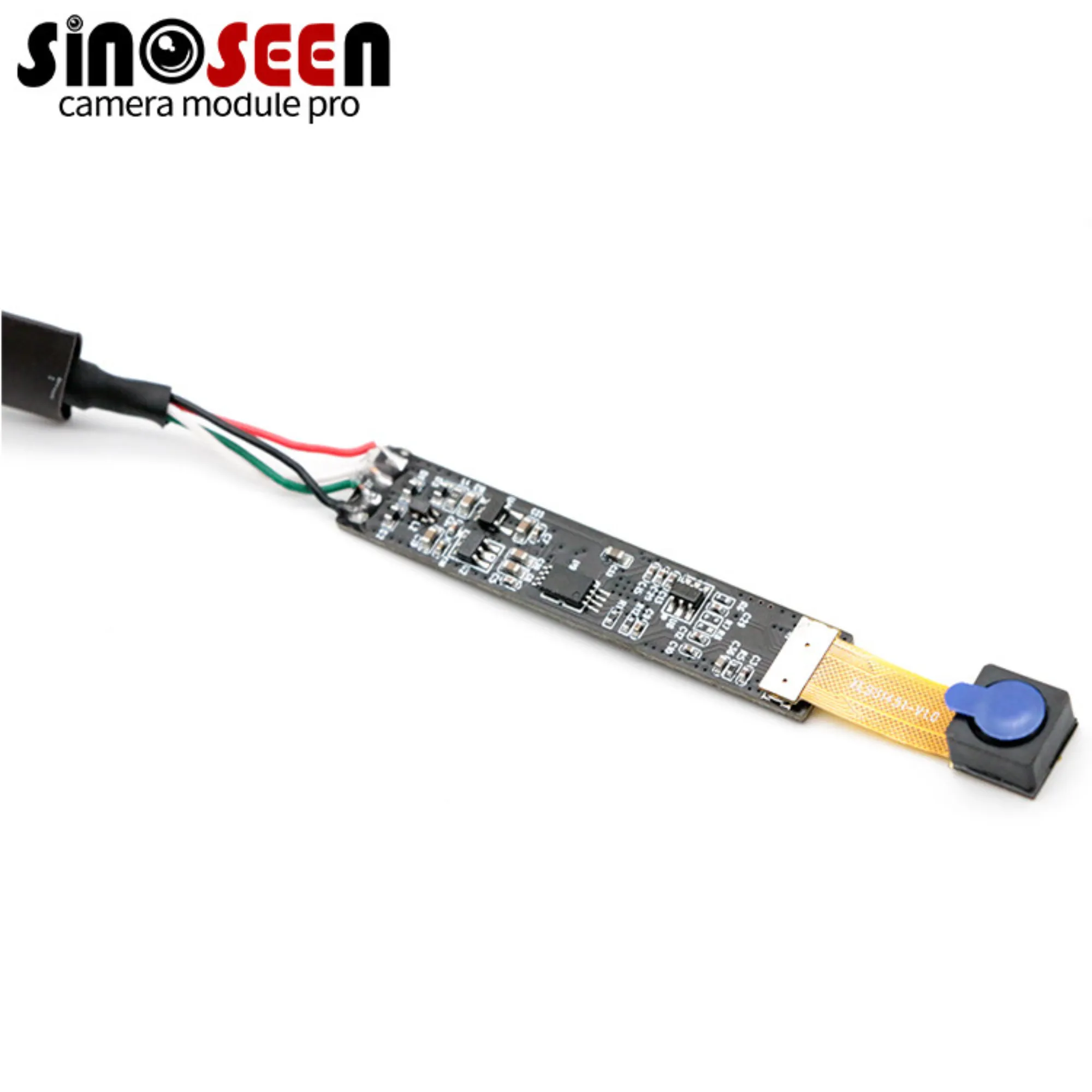
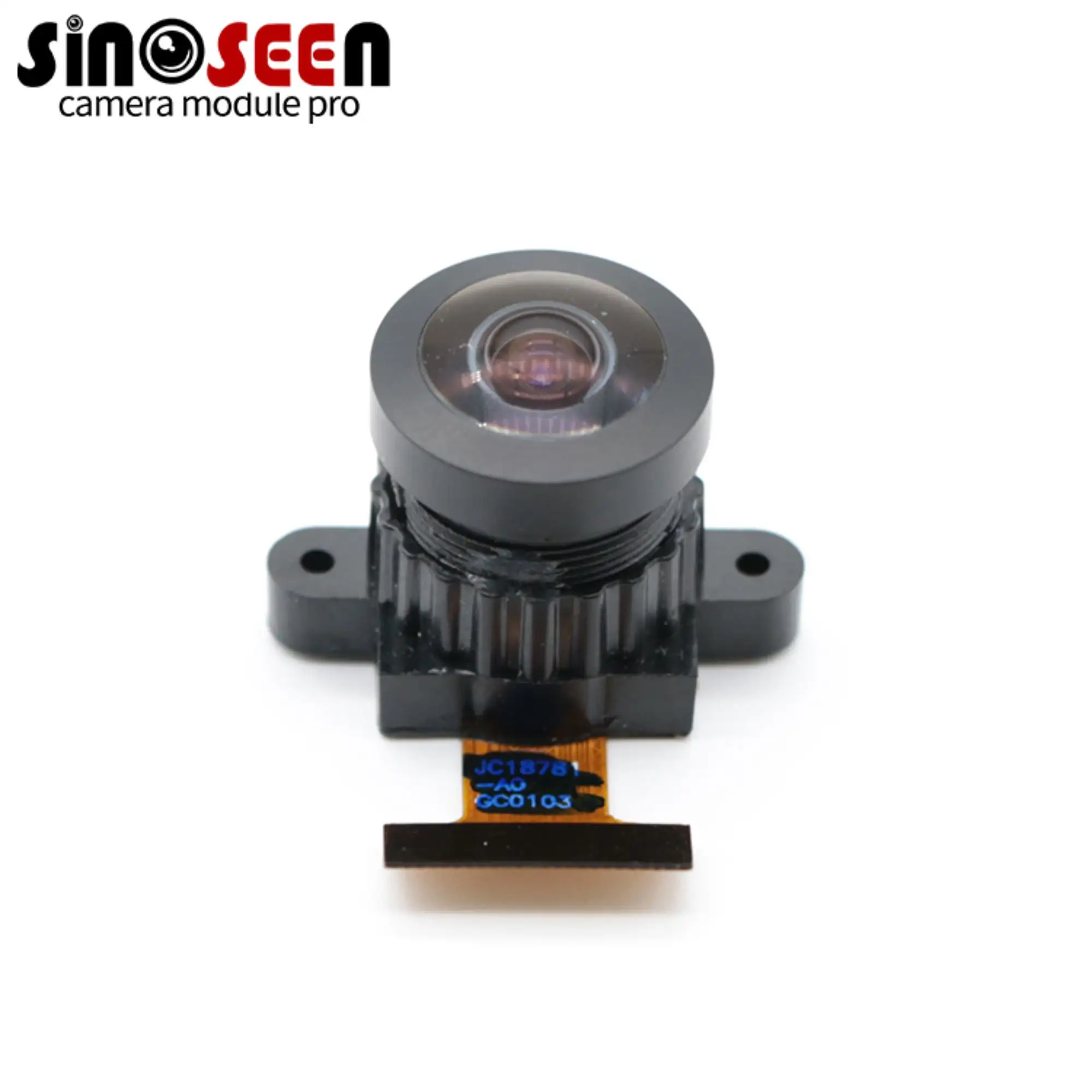
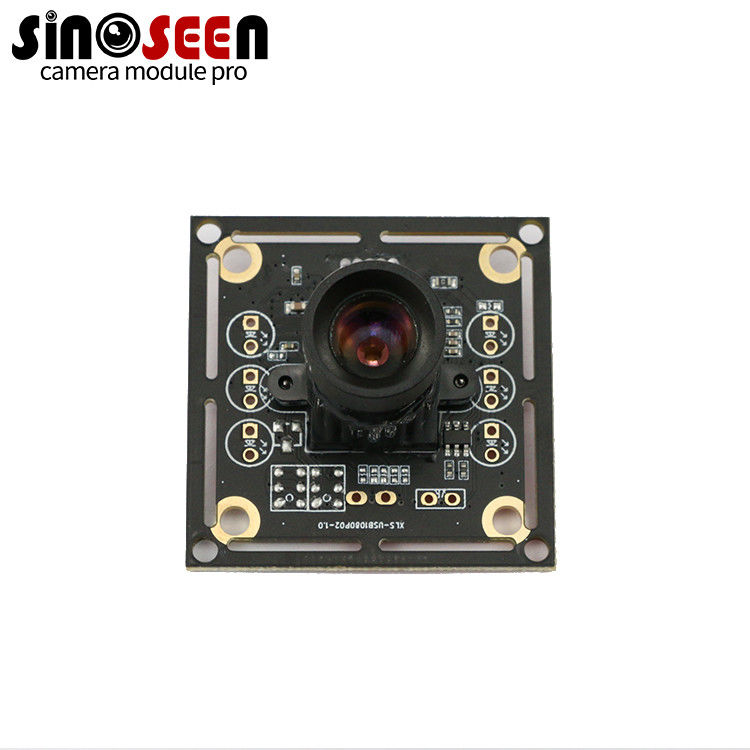
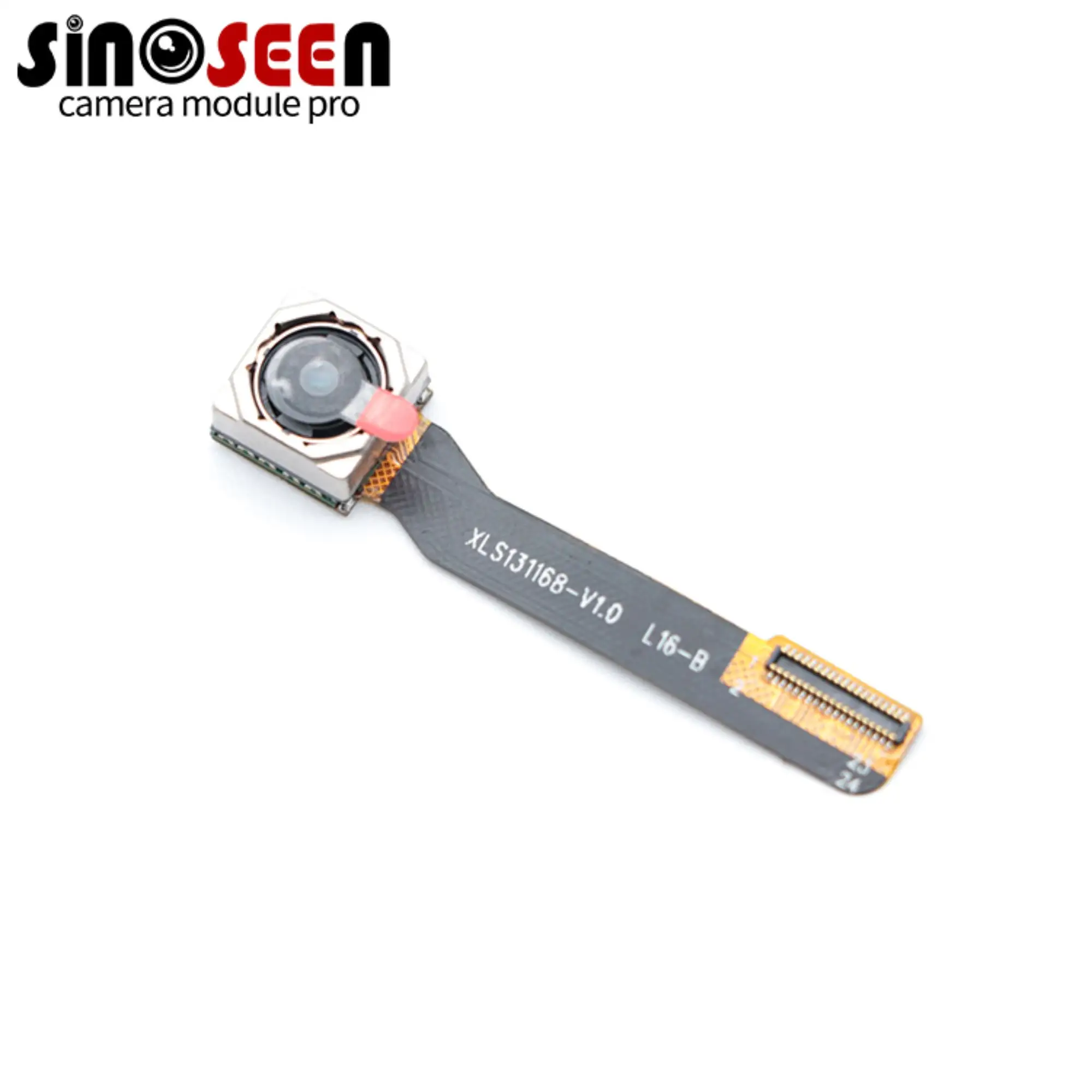
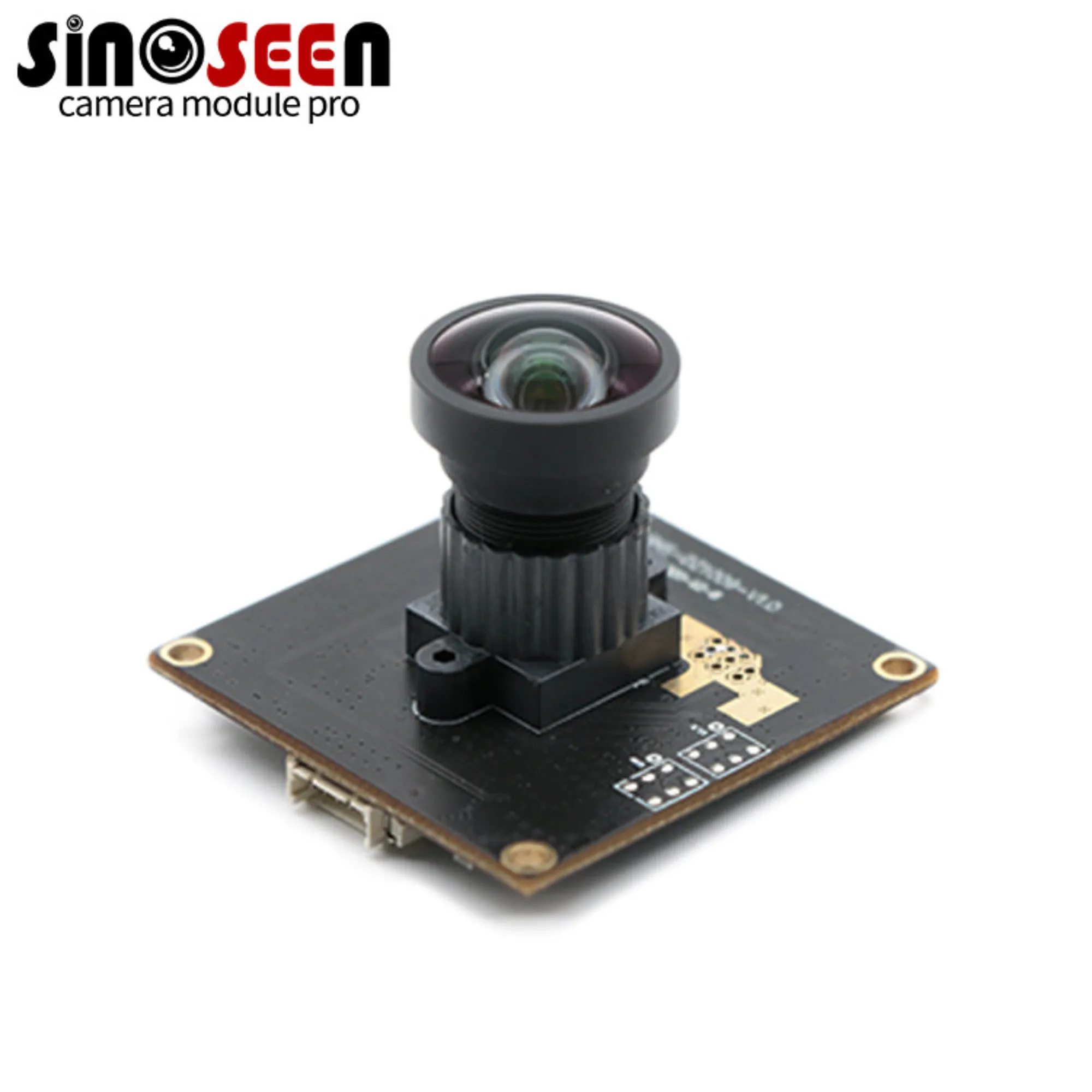
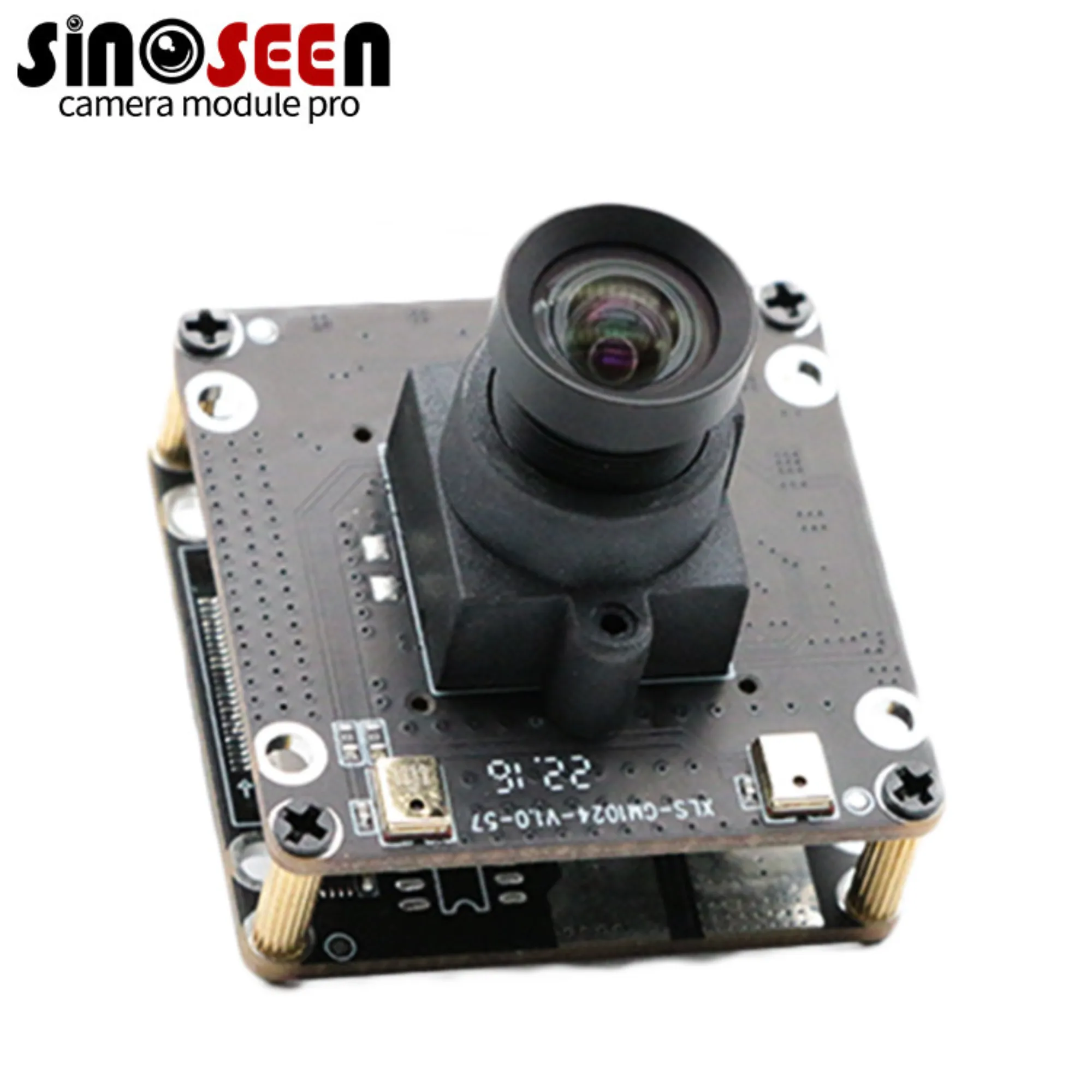
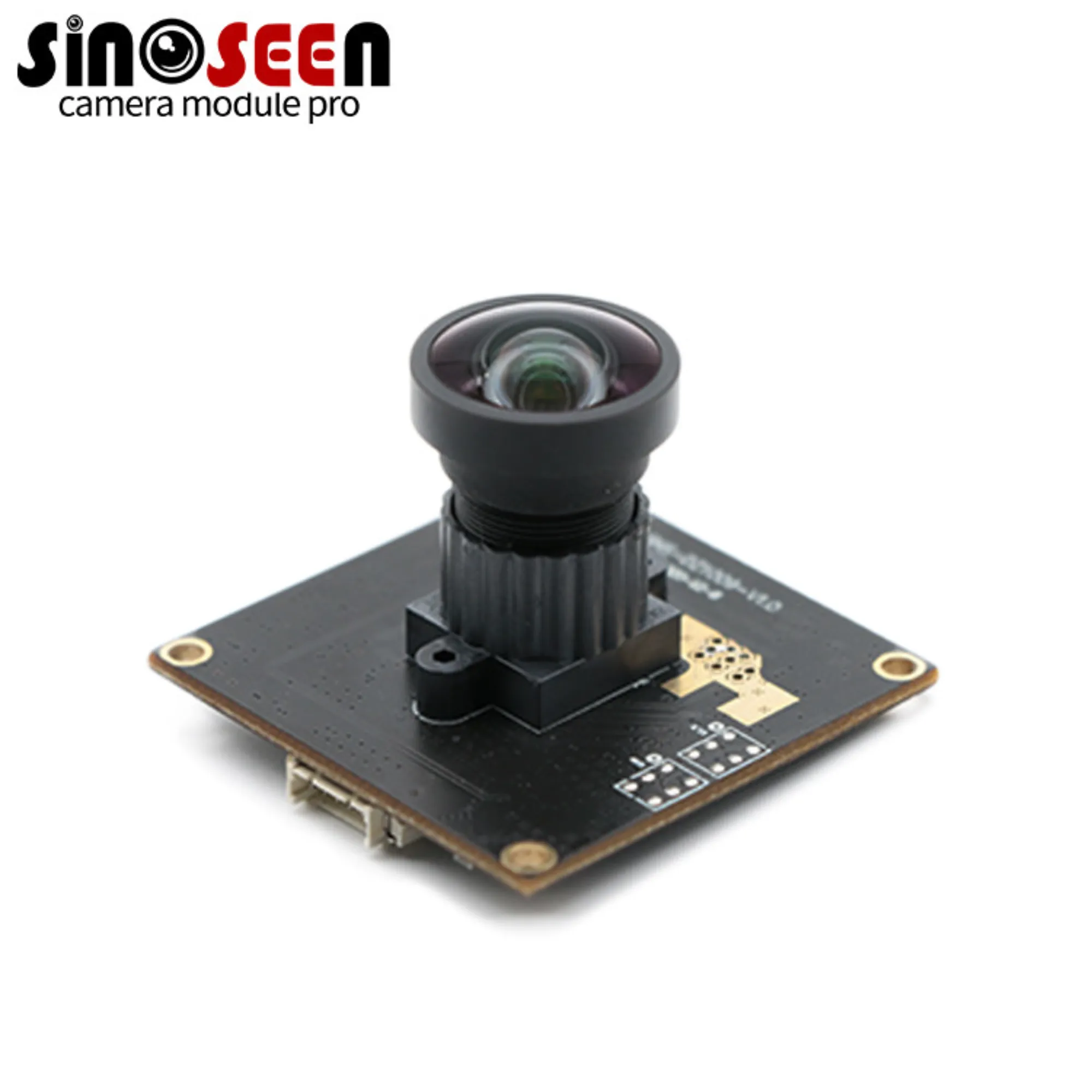
A camera module represents a sophisticated integration of optical and electronic components designed to capture high-quality images and videos in various applications. This compact device combines essential elements including image sensors, lenses, filters, and processing circuits within a single unit, making it an indispensable component in modern electronic devices. The camera module serves as the visual input system for smartphones, tablets, security cameras, automotive systems, medical equipment, and countless other technological applications. At its core, the camera module transforms light into digital information through advanced photoelectric conversion processes. The image sensor, typically a CMOS or CCD chip, captures incoming light photons and converts them into electrical signals. These signals undergo sophisticated processing to produce clear, vibrant digital images. The lens system focuses light onto the sensor surface, while various filters enhance image quality by managing color accuracy, reducing glare, and optimizing contrast ratios. Modern camera modules incorporate advanced features such as autofocus mechanisms, optical image stabilization, and intelligent exposure control systems. The autofocus capability ensures sharp images across different distances, while stabilization technology compensates for hand movements and vibrations. Exposure control algorithms automatically adjust settings based on lighting conditions, ensuring optimal image quality in diverse environments. The technological evolution of camera modules has dramatically improved their performance while reducing their physical dimensions. Multi-layer lens constructions, advanced coating technologies, and precision manufacturing techniques enable these modules to deliver professional-grade image quality in remarkably compact form factors. Integration with artificial intelligence and machine learning algorithms further enhances their functionality, enabling features like facial recognition, scene detection, and real-time image enhancement. Applications span across numerous industries, from consumer electronics and automotive safety systems to medical imaging and industrial inspection equipment, demonstrating the versatility and importance of camera module technology in contemporary society.

New Products

Camera modules offer numerous compelling advantages that make them essential components in today's technology landscape. The primary benefit lies in their exceptional space efficiency, allowing manufacturers to integrate high-quality imaging capabilities into increasingly compact devices. This miniaturization breakthrough enables smartphone producers to create slim, lightweight phones without sacrificing camera performance, meeting consumer demands for portable yet powerful devices. The cost-effectiveness of camera modules significantly reduces manufacturing expenses compared to traditional camera systems. By consolidating multiple components into a single unit, manufacturers achieve economies of scale and simplified assembly processes, resulting in lower production costs that translate to more affordable end products for consumers. This economic advantage makes advanced imaging technology accessible to broader market segments. Superior image quality represents another major advantage of modern camera modules. Advanced sensor technologies and sophisticated lens systems deliver crisp, detailed images with accurate color reproduction and excellent low-light performance. Users benefit from professional-quality photographs and videos without requiring expensive standalone cameras or extensive technical knowledge. The integration capabilities of camera modules streamline device design and manufacturing processes. Engineers can easily incorporate these standardized units into various products, reducing development time and complexity. This modularity allows for rapid prototyping and faster time-to-market for new devices, benefiting both manufacturers and consumers who gain access to latest technologies sooner. Energy efficiency stands as a crucial advantage in battery-powered devices. Camera modules consume minimal power while delivering maximum performance, extending device battery life and enhancing user experience. Advanced power management features automatically optimize energy consumption based on usage patterns and environmental conditions. Reliability and durability characterize quality camera modules through rigorous testing and premium materials. These components withstand environmental stresses, temperature variations, and mechanical impacts while maintaining consistent performance over extended periods. Users enjoy dependable operation and reduced maintenance requirements, making camera modules ideal for mission-critical applications in automotive, security, and industrial sectors. The versatility of camera modules enables diverse applications across multiple industries, from entertainment and social media to scientific research and medical diagnostics, providing flexible solutions for varied imaging needs.

Tips And Tricks

Why Choose a High-Performance Embedded Camera Module for AI Applications?

02

Mar

Why Choose a High-Performance Embedded Camera Module for AI Applications?

Artificial intelligence applications demand precision, speed, and reliability in their visual data acquisition systems. An embedded camera module serves as the critical foundation for AI-powered devices, from autonomous vehicles to smart manufacturin...
View More
 How to Select the Right AI Camera Module for Facial Recognition Systems?

02

Mar

How to Select the Right AI Camera Module for Facial Recognition Systems?

Selecting the appropriate AI camera module for facial recognition systems represents a critical decision that directly impacts system performance, accuracy, and overall operational efficiency. Modern facial recognition applications demand sophisticat...
View More
How to Optimize Low-Light Performance in Custom Camera Module Designs?

02

Mar

How to Optimize Low-Light Performance in Custom Camera Module Designs?

Custom camera module designs face unique challenges when operating in environments with minimal illumination, making low-light performance optimization a critical engineering consideration. Modern applications ranging from security surveillance to au...
View More
How to Integrate a Small Camera Module into Compact Medical Devices?

02

Mar

How to Integrate a Small Camera Module into Compact Medical Devices?

Medical device miniaturization continues to revolutionize healthcare, enabling less invasive procedures and improved patient outcomes. When designing compact medical equipment, integrating a small camera module requires careful consideration of space...
View More

Get In Touch

camera module

Advanced Image Processing and AI Integration

Advanced Image Processing and AI Integration

The integration of advanced image processing capabilities with artificial intelligence represents a revolutionary leap in camera module technology that transforms ordinary photography into extraordinary visual experiences. Modern camera modules incorporate sophisticated computational photography algorithms that work in real-time to enhance image quality beyond what traditional optics alone can achieve. These intelligent systems analyze scene composition, lighting conditions, and subject matter to automatically optimize camera settings for superior results. Machine learning algorithms continuously adapt to user preferences and shooting patterns, creating personalized photography experiences that improve over time. The AI-powered features include advanced noise reduction algorithms that eliminate unwanted grain and artifacts, even in challenging low-light conditions. Smart HDR processing automatically captures and combines multiple exposures to create images with exceptional dynamic range, preserving details in both shadows and highlights that would typically be lost with conventional photography. Portrait mode capabilities utilize depth-sensing technology and neural networks to create professional-quality background blur effects, rivaling expensive DSLR cameras. Real-time scene recognition identifies various subjects and environments, automatically switching between optimized settings for landscapes, portraits, food, pets, and dozens of other scenarios. Night mode functionality leverages computational photography to capture stunning images in near-darkness, utilizing extended exposure times and intelligent image stacking techniques. The camera module processes multiple frames simultaneously, aligning and combining them to reduce noise while preserving fine details and natural colors. Advanced stabilization algorithms work in conjunction with optical image stabilization hardware to eliminate camera shake and motion blur, ensuring sharp results even during handheld shooting. Object tracking and focus prediction capabilities maintain sharp focus on moving subjects, making it easier to capture action shots and video content. These AI enhancements democratize professional photography techniques, enabling users of all skill levels to achieve remarkable results without extensive technical knowledge or expensive equipment, making the camera module an indispensable tool for content creators, professionals, and everyday users alike.
Exceptional Compact Design and Integration Flexibility

Exceptional Compact Design and Integration Flexibility

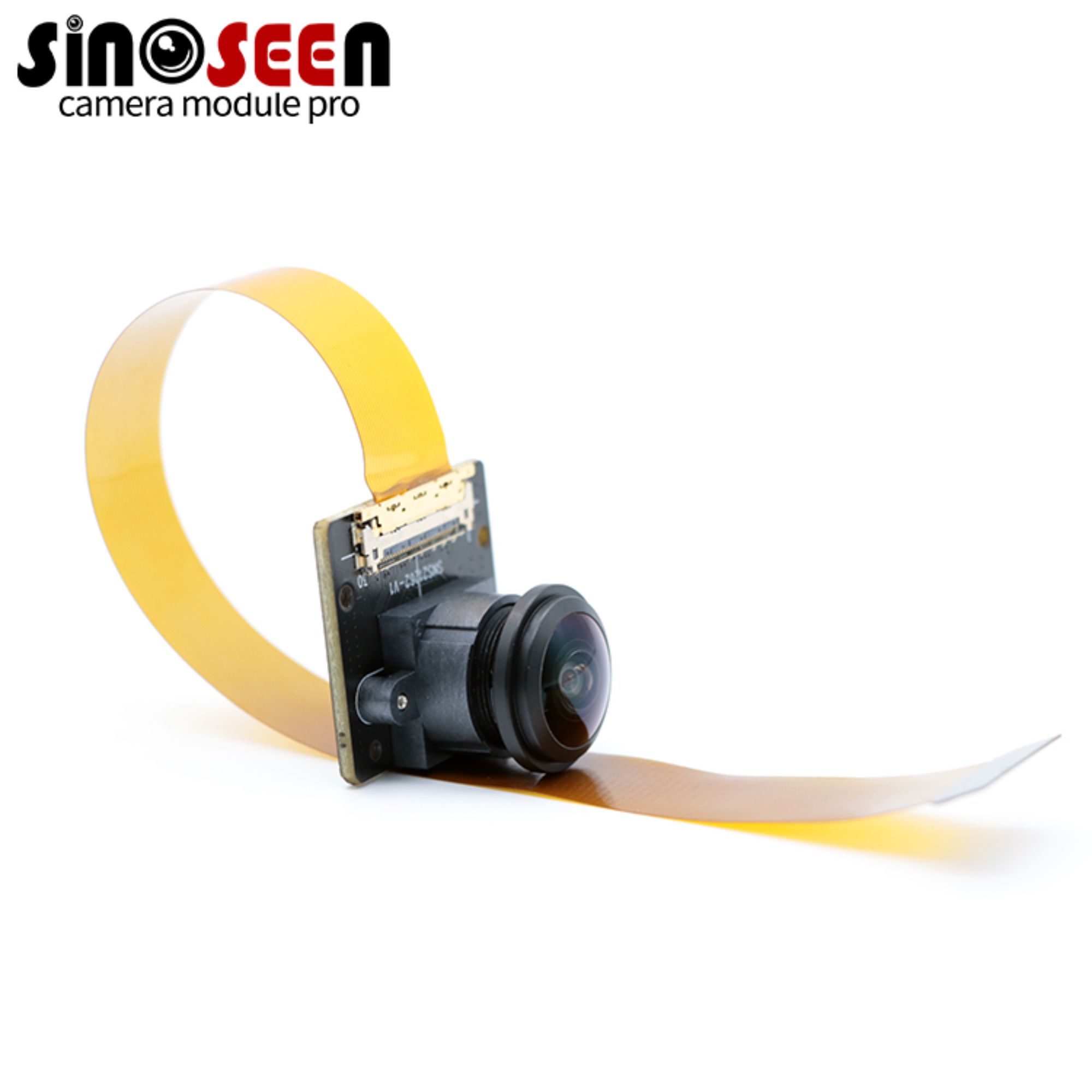
The remarkable miniaturization achievements in camera module design represent a pinnacle of engineering excellence that enables seamless integration into virtually any electronic device without compromising functionality or performance. This compact architecture results from years of advanced materials research, precision manufacturing techniques, and innovative optical design principles that maximize imaging capabilities within minimal physical footprints. The space-saving design utilizes ultra-thin lens elements crafted from premium optical materials that maintain exceptional light transmission properties while reducing overall module thickness to mere millimeters. Multi-layer coating technologies applied to lens surfaces minimize reflections and aberrations, ensuring optimal image quality despite the reduced component sizes. Advanced sensor packaging techniques integrate sophisticated CMOS image sensors into incredibly small form factors while maintaining high pixel densities and excellent signal-to-noise ratios. The modular construction approach allows manufacturers to customize camera module specifications according to specific application requirements without redesigning entire systems. Standardized interface protocols enable easy integration with various processors and control systems, simplifying the development process and reducing time-to-market for new products. Flexible mounting options accommodate different installation orientations and space constraints, making camera modules suitable for applications ranging from ultra-slim smartphones to robust industrial equipment. The compact design philosophy extends to supporting circuitry and control electronics, which are miniaturized and optimized for efficient operation within tight space limitations. Advanced thermal management systems prevent overheating in densely packed electronic environments while maintaining consistent performance across temperature ranges. The integration flexibility enables camera modules to function as primary imaging systems, secondary security cameras, or specialized sensors for augmented reality applications. Manufacturers benefit from simplified supply chain management and reduced inventory complexity when using standardized camera modules across multiple product lines. The compact nature facilitates creative industrial design possibilities, allowing product designers to implement innovative form factors and aesthetics without being constrained by bulky camera components. This design excellence ensures that camera modules can adapt to evolving technology trends and emerging applications while maintaining backward compatibility with existing systems and infrastructure.
Superior Performance in Diverse Environmental Conditions

Superior Performance in Diverse Environmental Conditions

The exceptional environmental adaptability and robust performance characteristics of modern camera modules ensure reliable operation across extreme conditions and demanding applications where consistent imaging quality is paramount. These resilient devices undergo rigorous testing and incorporate advanced protective technologies that enable them to function optimally in challenging environments that would compromise conventional imaging systems. Temperature resistance capabilities allow camera modules to operate effectively across wide temperature ranges, from arctic conditions to desert environments, without degradation in image quality or functional reliability. Advanced thermal compensation algorithms automatically adjust sensor parameters and processing settings to maintain color accuracy and exposure consistency regardless of ambient temperature fluctuations. Specialized materials and construction techniques protect internal components from thermal expansion and contraction cycles that could affect optical alignment and performance over time. Moisture and humidity protection features utilize advanced sealing technologies and hydrophobic coatings that prevent water ingress while allowing necessary airflow for optimal thermal management. These protective measures ensure reliable operation in high-humidity environments, outdoor applications, and marine conditions where traditional electronics might fail. Dust and particle resistance implementations protect sensitive optical surfaces and electronic components from contamination that could degrade image quality or cause mechanical failures in harsh industrial environments. Vibration and shock resistance capabilities enable camera modules to maintain stable performance in automotive applications, construction equipment, and other mobile platforms subject to constant movement and mechanical stress. Advanced mounting systems and internal shock absorption mechanisms protect delicate optical elements from impact damage while preserving precise calibration and alignment. Low-light performance optimization utilizes large pixel sensors, advanced noise reduction algorithms, and intelligent exposure control systems to capture clear images in challenging lighting conditions, including complete darkness with infrared illumination capabilities. Weather resistance features enable outdoor security and surveillance applications to operate continuously regardless of rain, snow, or extreme weather conditions. UV protection coatings and materials prevent degradation from prolonged sun exposure while maintaining color accuracy and contrast ratios. The combination of these environmental adaptability features makes camera modules suitable for mission-critical applications in aerospace, defense, medical, and industrial sectors where failure is not acceptable and consistent performance is essential for operational success and safety requirements.

Related Search

Get in touch