Innovative Camera Modules for Every Application | Sinoseen

All Categories

low lux camera module

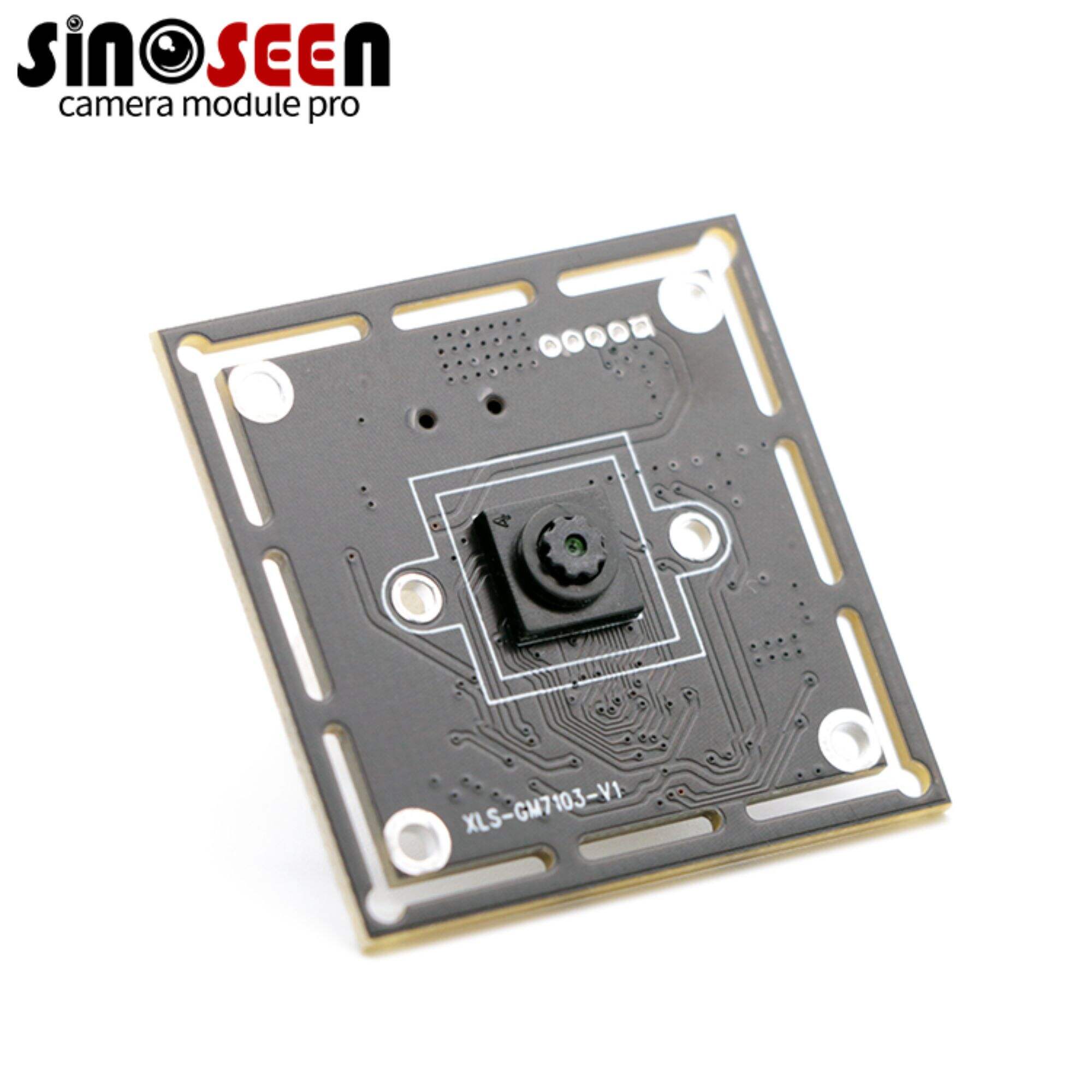
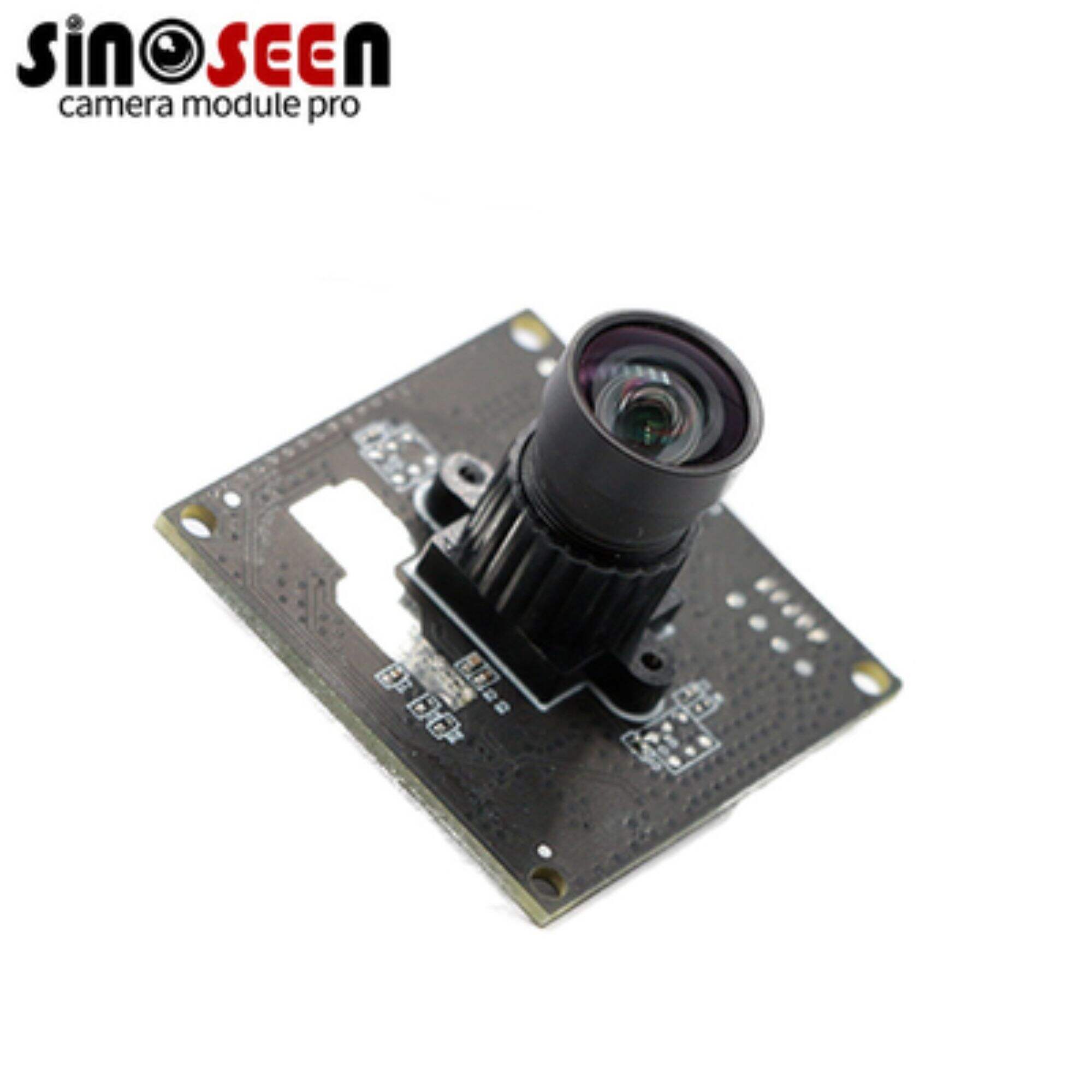
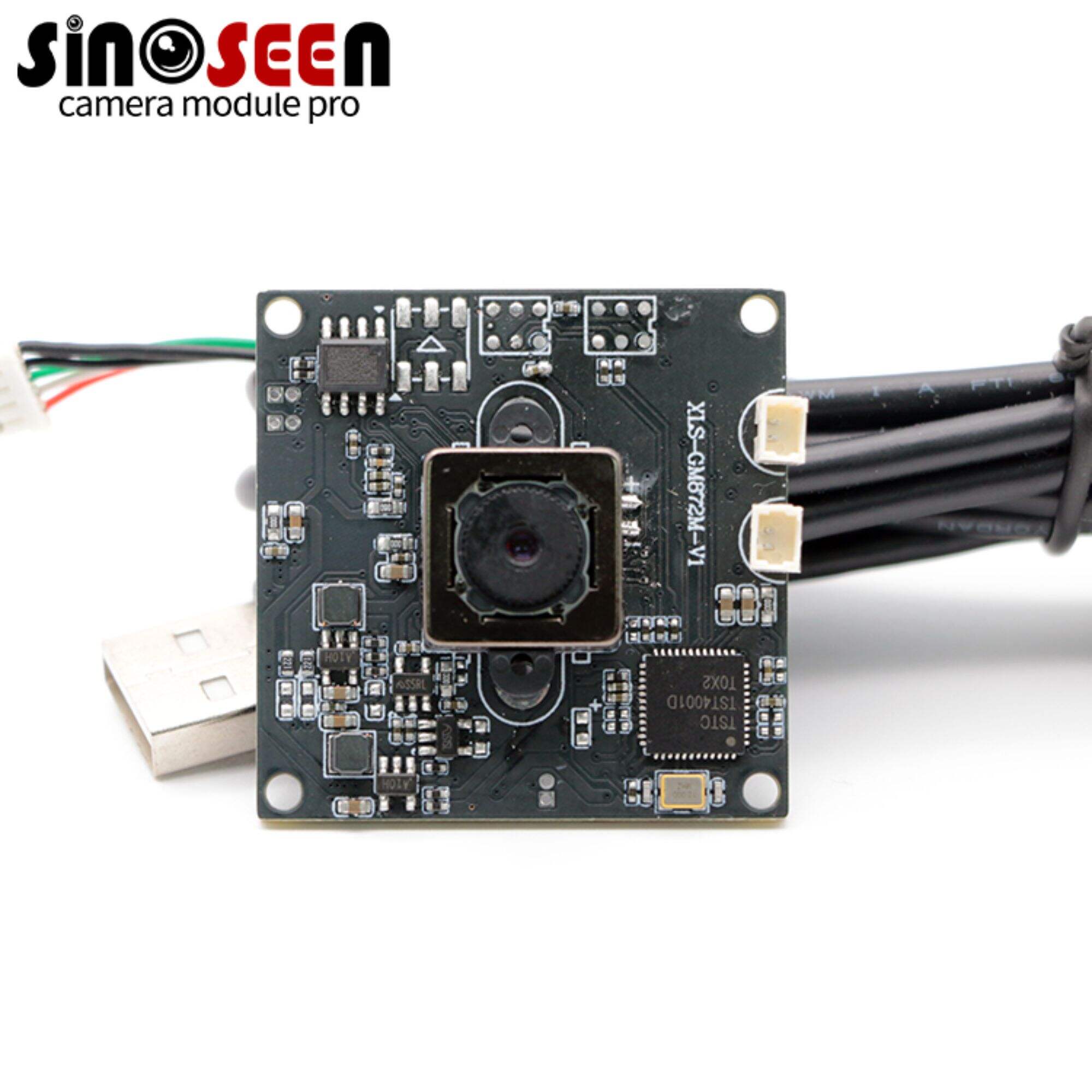
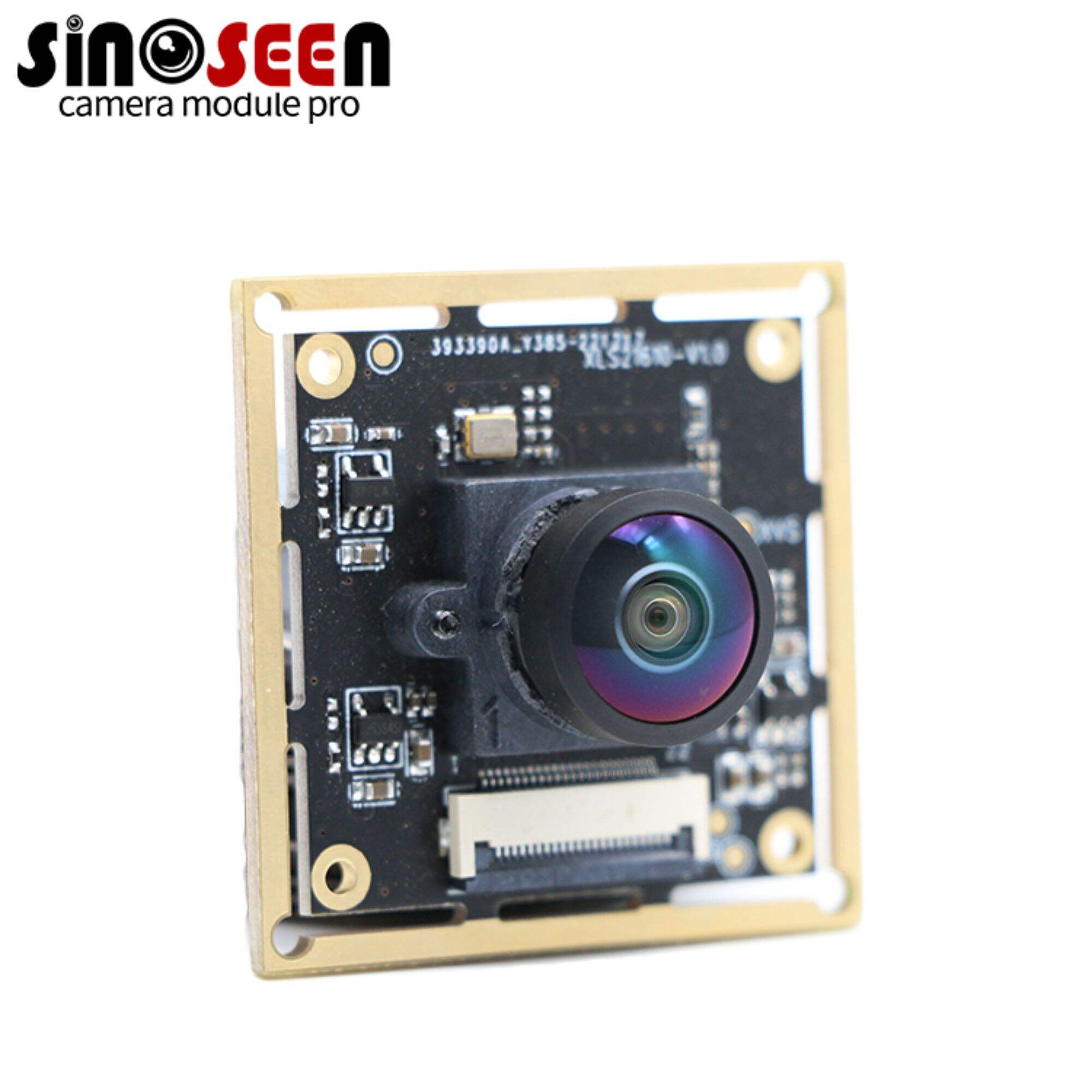
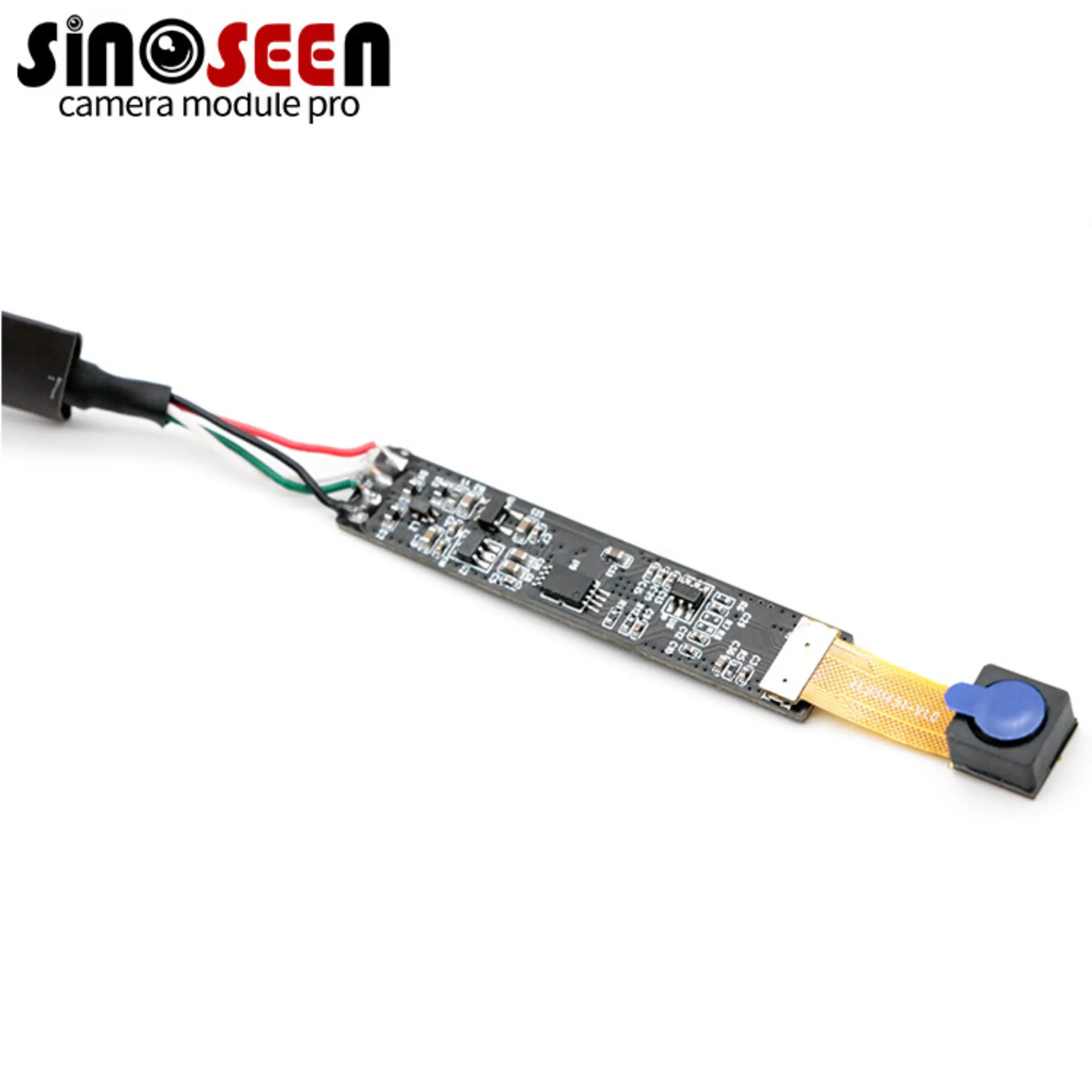
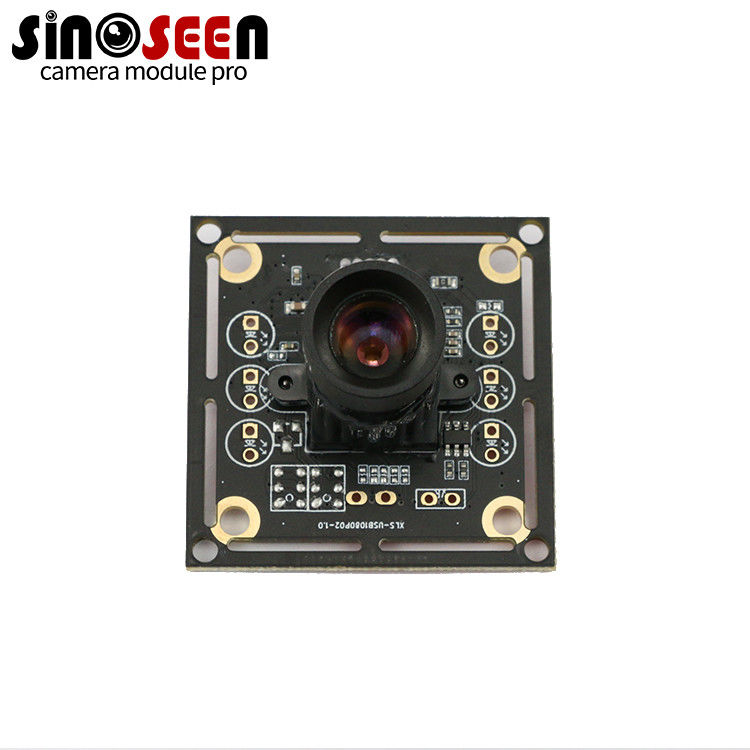
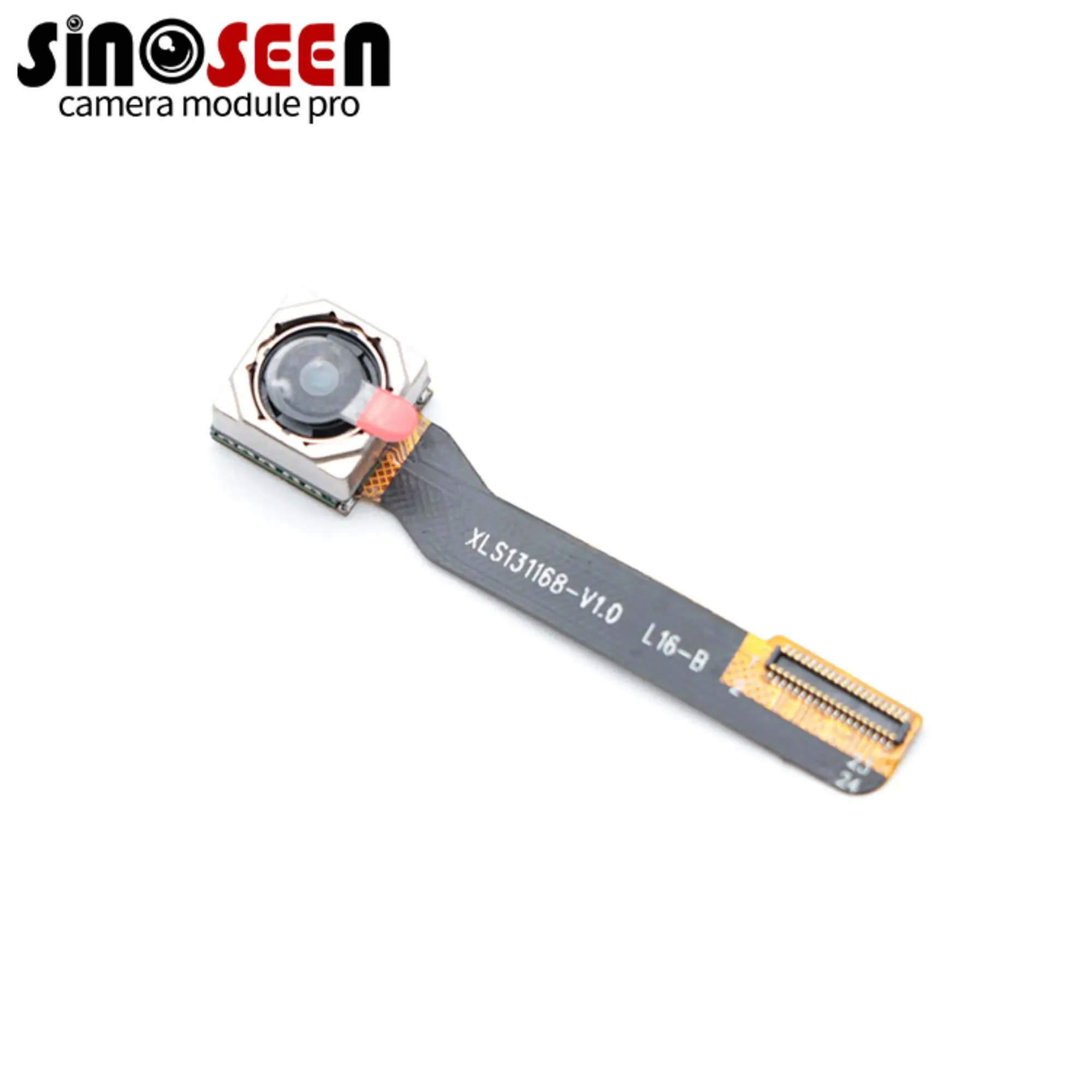
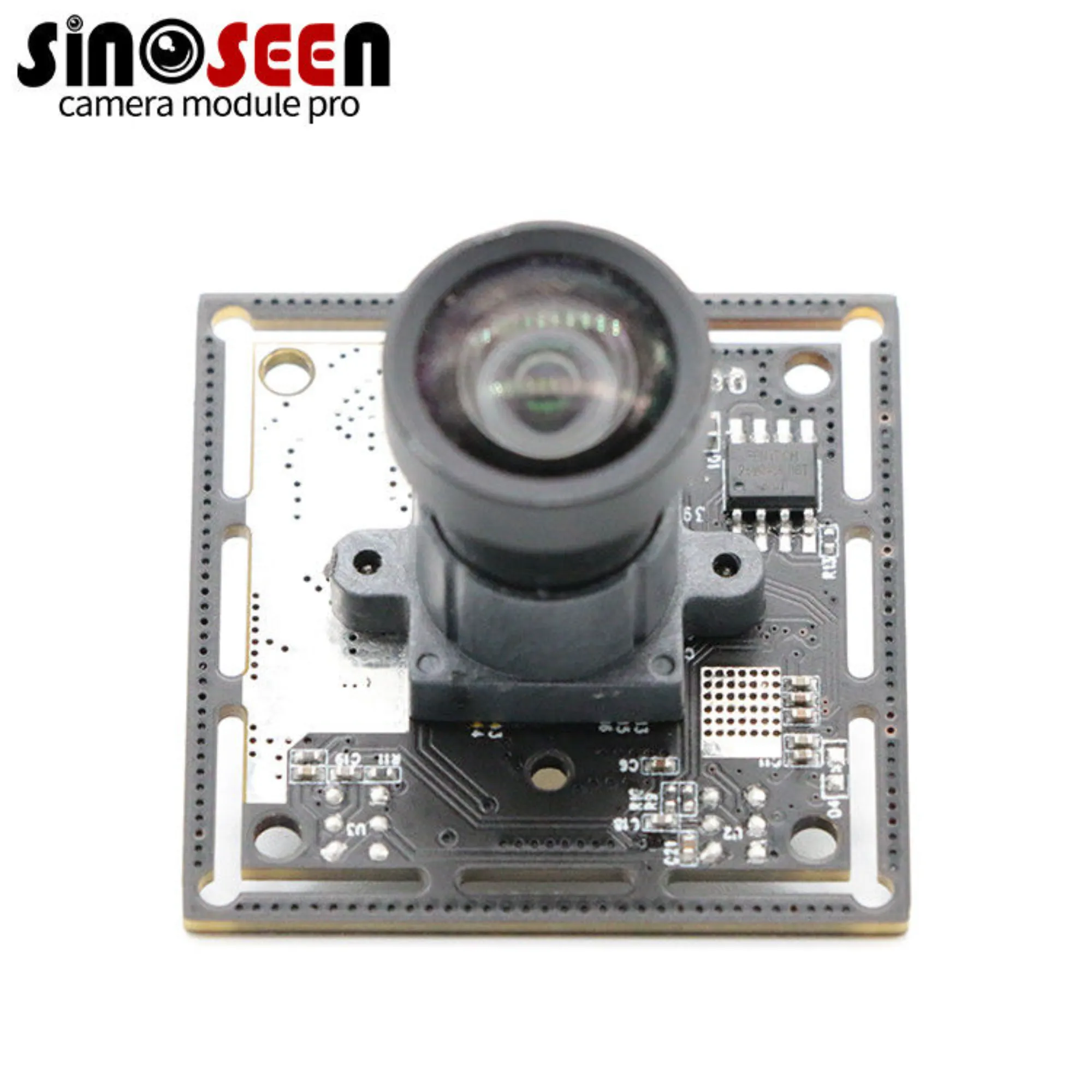
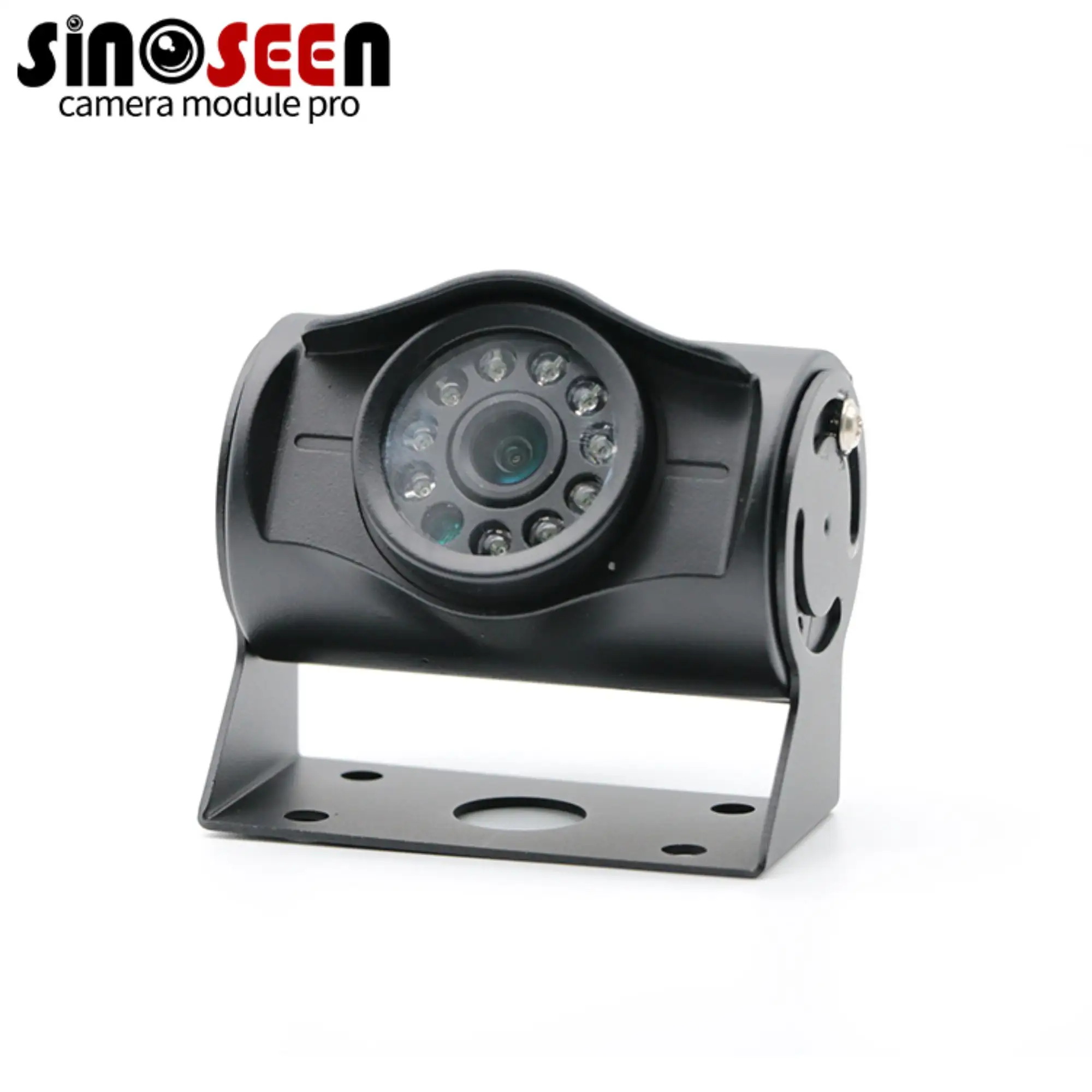
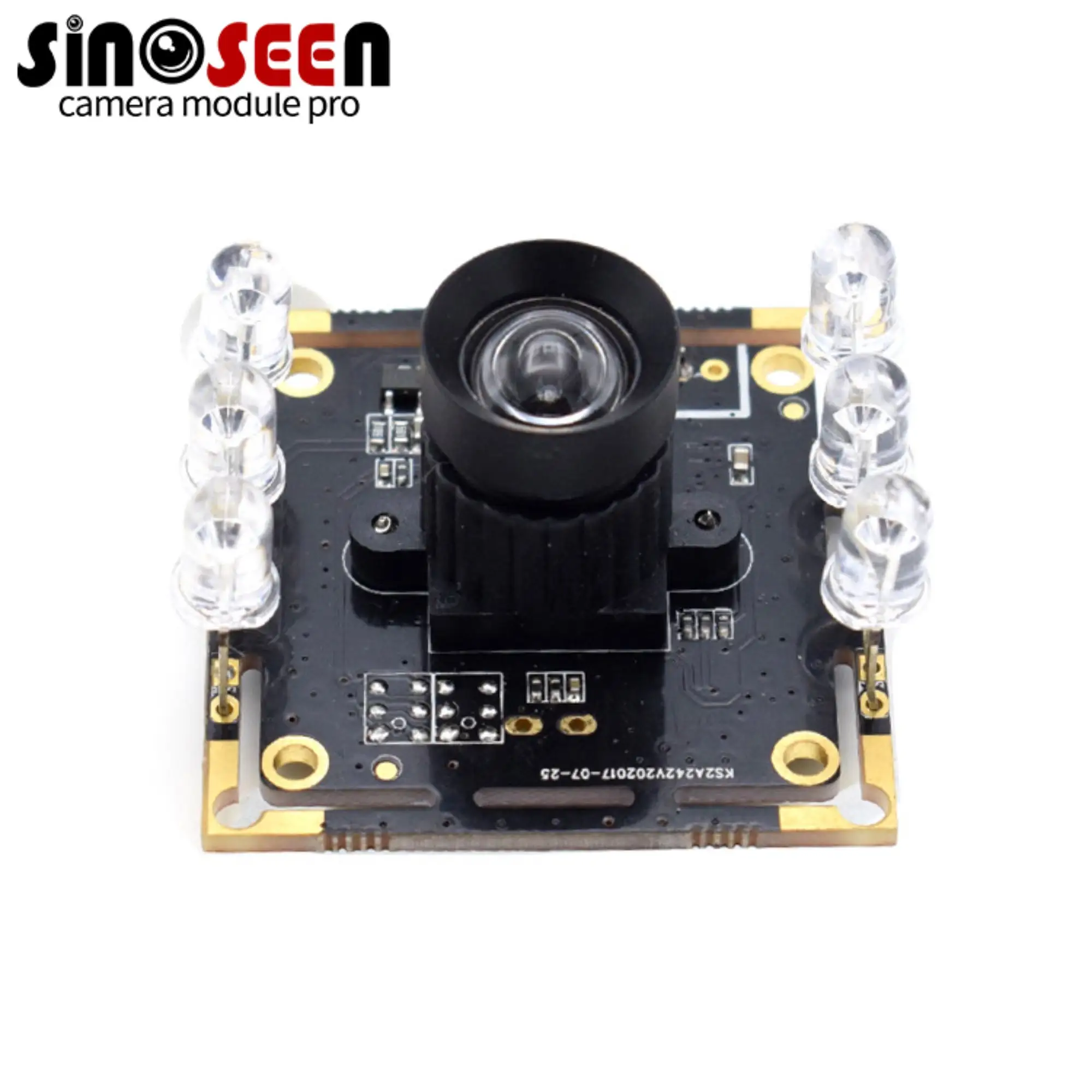
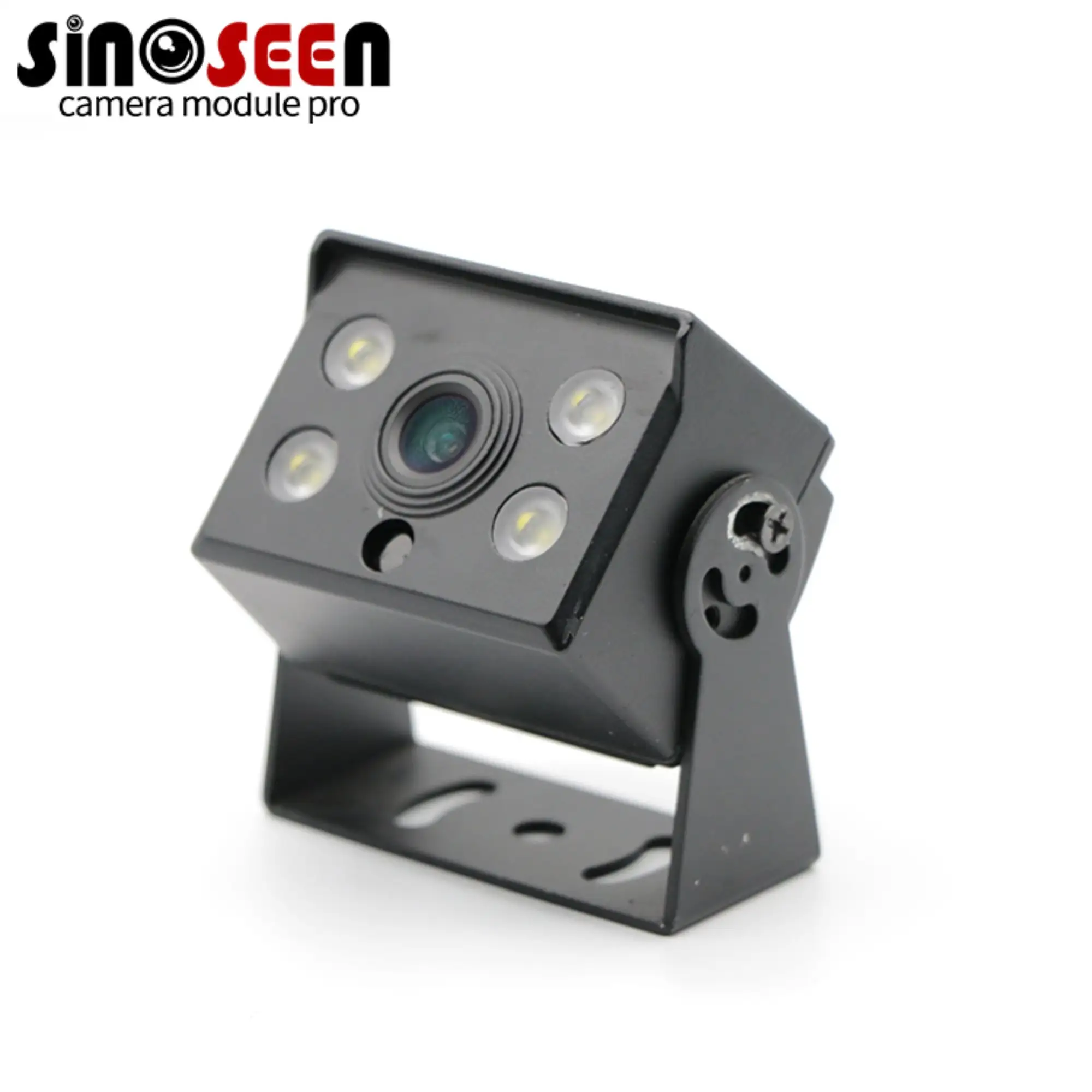
The low lux camera module represents a breakthrough in imaging technology, specifically engineered to capture high-quality images and video in challenging lighting conditions. This advanced camera system excels in environments where traditional cameras struggle, delivering exceptional performance when ambient light levels drop significantly below standard conditions. At its core, the low lux camera module incorporates cutting-edge sensor technology that maximizes light sensitivity while minimizing digital noise, ensuring clear and detailed footage even in near-darkness. The module's sophisticated image processing algorithms work in real-time to enhance image brightness and contrast without compromising natural color reproduction. Key technological features include large pixel sensors that capture more photons per pixel, advanced noise reduction circuitry, and intelligent automatic gain control systems. The low lux camera module also integrates infrared capabilities, allowing seamless transition between visible light and infrared imaging modes. This versatile imaging solution finds extensive applications across multiple industries, including security surveillance systems, automotive night vision applications, medical imaging equipment, industrial inspection processes, and consumer electronics. In security applications, the low lux camera module enables 24-hour monitoring capabilities without requiring additional lighting infrastructure, significantly reducing operational costs. Automotive manufacturers integrate these modules into driver assistance systems and backup cameras to enhance safety during nighttime driving conditions. Medical professionals utilize low lux camera modules in endoscopic procedures and diagnostic equipment where minimal lighting prevents tissue damage. The module's compact form factor and flexible mounting options make it suitable for both portable and fixed installation scenarios. Advanced features such as wide dynamic range imaging ensure optimal performance across varying light conditions within the same frame. The low lux camera module's ability to maintain color accuracy in low-light situations sets it apart from conventional imaging solutions, making it an indispensable tool for applications requiring precise visual documentation regardless of environmental lighting constraints.

New Products

The low lux camera module delivers substantial cost savings by eliminating the need for expensive external lighting systems in surveillance and monitoring applications. Organizations can reduce their electricity consumption and maintenance expenses while achieving superior image quality compared to traditional camera systems paired with artificial illumination. This energy-efficient approach makes the low lux camera module an environmentally responsible choice that aligns with modern sustainability initiatives. Installation becomes significantly simpler since technicians no longer need to plan and implement complex lighting infrastructure, reducing project timelines and labor costs. The module's exceptional sensitivity allows security personnel to monitor areas discretely without alerting potential intruders through visible lighting, enhancing overall security effectiveness. In automotive applications, drivers benefit from improved safety during nighttime operations as the low lux camera module provides clear visibility of obstacles, pedestrians, and road conditions without relying on headlight illumination alone. The module's rapid response time ensures real-time image capture, making it ideal for applications requiring immediate visual feedback or automated decision-making processes. Medical professionals appreciate the low lux camera module's ability to perform diagnostic procedures with minimal patient discomfort, as reduced lighting requirements create a more comfortable examination environment while maintaining diagnostic accuracy. The module's robust construction withstands harsh environmental conditions, including temperature fluctuations, humidity variations, and vibration exposure, ensuring consistent performance across diverse operational scenarios. Image storage requirements decrease substantially since the low lux camera module produces cleaner images with less digital noise, resulting in smaller file sizes and reduced storage infrastructure costs. The module's compatibility with existing camera systems allows for seamless upgrades without requiring complete system overhauls, protecting previous technology investments. Remote monitoring capabilities are enhanced as the low lux camera module maintains connectivity and image transmission quality even in challenging lighting conditions, enabling reliable surveillance of remote locations. Quality control processes benefit from the module's ability to detect minute defects and variations that might remain hidden under standard lighting conditions. The low lux camera module's advanced processing algorithms automatically adjust settings based on ambient conditions, reducing the need for manual configuration and operator expertise while ensuring optimal performance across all lighting scenarios.

Latest News

Why Choose a High-Performance Embedded Camera Module for AI Applications?

02

Mar

Why Choose a High-Performance Embedded Camera Module for AI Applications?

Artificial intelligence applications demand precision, speed, and reliability in their visual data acquisition systems. An embedded camera module serves as the critical foundation for AI-powered devices, from autonomous vehicles to smart manufacturin...
View More
How to Optimize Low-Light Performance in Custom Camera Module Designs?

02

Mar

How to Optimize Low-Light Performance in Custom Camera Module Designs?

Custom camera module designs face unique challenges when operating in environments with minimal illumination, making low-light performance optimization a critical engineering consideration. Modern applications ranging from security surveillance to au...
View More
How to Integrate a Small Camera Module into Compact Medical Devices?

02

Mar

How to Integrate a Small Camera Module into Compact Medical Devices?

Medical device miniaturization continues to revolutionize healthcare, enabling less invasive procedures and improved patient outcomes. When designing compact medical equipment, integrating a small camera module requires careful consideration of space...
View More
Why do Robotics Manufacturers Prefer High-Speed AI Camera Modules?

02

Mar

Why do Robotics Manufacturers Prefer High-Speed AI Camera Modules?

The robotics industry has experienced unprecedented growth in recent years, with manufacturers increasingly demanding sophisticated vision systems that can process visual data at lightning speed. High-speed AI camera modules have emerged as the corne...
View More

Get In Touch

low lux camera module

Revolutionary Light Sensitivity Technology

Revolutionary Light Sensitivity Technology

The low lux camera module incorporates groundbreaking sensor technology that fundamentally transforms how imaging systems capture light in challenging environments. This revolutionary approach utilizes enlarged pixel architecture combined with advanced microlens arrays to maximize photon collection efficiency, enabling the camera to detect and process even the smallest amounts of available light. The module's proprietary sensor design features specialized photodiodes that convert incoming photons into electrical signals with unprecedented efficiency, significantly outperforming traditional camera sensors in low-light scenarios. Advanced backside illumination technology ensures that more light reaches the photoactive areas of each pixel, while sophisticated anti-reflective coatings minimize light loss throughout the optical path. The low lux camera module's intelligent gain control system automatically adjusts sensitivity levels based on real-time lighting conditions, maintaining optimal image quality without introducing unwanted artifacts or noise. This dynamic adjustment capability allows the module to seamlessly transition between different lighting environments while preserving natural color reproduction and fine detail resolution. The sensor's extended spectral response range captures both visible and near-infrared wavelengths, providing comprehensive imaging capabilities that extend human visual perception. Temperature compensation algorithms ensure consistent performance across varying environmental conditions, preventing thermal noise from degrading image quality during extended operation periods. The module's rapid signal processing capabilities enable real-time image enhancement, applying noise reduction and contrast optimization algorithms without introducing latency that could impact time-sensitive applications. Multi-frame processing techniques combine multiple exposures to create single images with enhanced dynamic range and improved signal-to-noise ratios. The low lux camera module's ability to maintain color accuracy in minimal lighting conditions stems from its advanced color filter array design and sophisticated white balance algorithms that adapt to changing light sources and intensities, ensuring that captured images accurately represent the original scene regardless of available illumination levels.
Intelligent Noise Reduction and Image Processing

Intelligent Noise Reduction and Image Processing

The low lux camera module features sophisticated digital signal processing capabilities that distinguish it from conventional imaging solutions through its ability to deliver exceptionally clean images in challenging lighting conditions. The module's multi-layered noise reduction system employs advanced algorithms that analyze image data at the pixel level, identifying and eliminating various types of noise including thermal noise, shot noise, and electronic interference while preserving essential image details and sharpness. This intelligent processing approach utilizes machine learning techniques that have been trained on millions of low-light image samples, enabling the system to distinguish between actual image content and unwanted artifacts with remarkable accuracy. The low lux camera module's real-time processing engine operates at high speeds, ensuring that noise reduction and image enhancement occur without introducing noticeable delays that could impact live monitoring or recording applications. Spatial and temporal filtering algorithms work in conjunction to analyze both individual frame content and inter-frame relationships, creating more effective noise suppression while maintaining natural motion characteristics in video applications. The module's adaptive processing capabilities automatically adjust enhancement parameters based on scene content and lighting conditions, optimizing image quality for specific environments without requiring manual intervention. Advanced edge preservation techniques ensure that important details such as text, facial features, and structural elements remain sharp and clearly defined even after aggressive noise reduction processing. The low lux camera module incorporates proprietary algorithms that enhance contrast and brightness selectively across different image regions, bringing out details in shadow areas while preventing overexposure in brighter sections of the same frame. Multi-scale processing approaches analyze image content at various resolution levels, enabling the system to apply appropriate enhancement techniques for both fine details and larger structural elements. The module's processing pipeline includes sophisticated color correction algorithms that maintain natural color reproduction even when significant gain adjustments are applied to boost low-light performance, ensuring that captured images accurately represent the original scene's color characteristics.
Versatile Integration and Deployment Flexibility

Versatile Integration and Deployment Flexibility

The low lux camera module's exceptional integration capabilities make it an ideal solution for diverse applications requiring flexible deployment options and seamless compatibility with existing infrastructure systems. This versatile design philosophy encompasses multiple interface standards, including USB, MIPI CSI, and Ethernet connections, allowing the module to integrate effortlessly with various host systems ranging from embedded processors to high-performance computing platforms. The module's compact form factor and standardized mounting options enable installation in space-constrained environments while maintaining optimal optical performance and thermal management characteristics. Multiple lens configuration options accommodate different field-of-view requirements and working distances, ensuring that the low lux camera module can be customized for specific application needs without compromising image quality or low-light performance capabilities. The module's robust mechanical design withstands harsh environmental conditions including temperature extremes, humidity variations, shock, and vibration exposure, making it suitable for both indoor and outdoor deployment scenarios. Flexible power management options support various voltage ranges and power consumption profiles, enabling integration into battery-powered devices as well as continuously powered installations. The low lux camera module's software development kit provides comprehensive programming interfaces and documentation, allowing developers to quickly implement custom applications and integrate advanced features such as motion detection, object recognition, and automated image analysis capabilities. Scalable deployment architectures support both single-camera installations and multi-camera arrays, with synchronization capabilities that enable coordinated operation across multiple units for comprehensive coverage applications. The module's built-in diagnostic and monitoring features provide real-time status information and performance metrics, facilitating remote maintenance and troubleshooting procedures that minimize system downtime. Configuration management tools allow administrators to remotely adjust camera settings, update firmware, and monitor operational parameters across distributed installations from centralized management platforms. The low lux camera module's compliance with industry standards ensures compatibility with third-party software applications and integration platforms, protecting technology investments and enabling future system expansions without requiring complete infrastructure replacements. Advanced networking capabilities support both wired and wireless connectivity options, enabling flexible deployment in locations where traditional cabling infrastructure may be impractical or cost-prohibitive while maintaining reliable data transmission and remote access functionality.

Related Search

Get in touch