Exceptional Flexibility and Customization Options
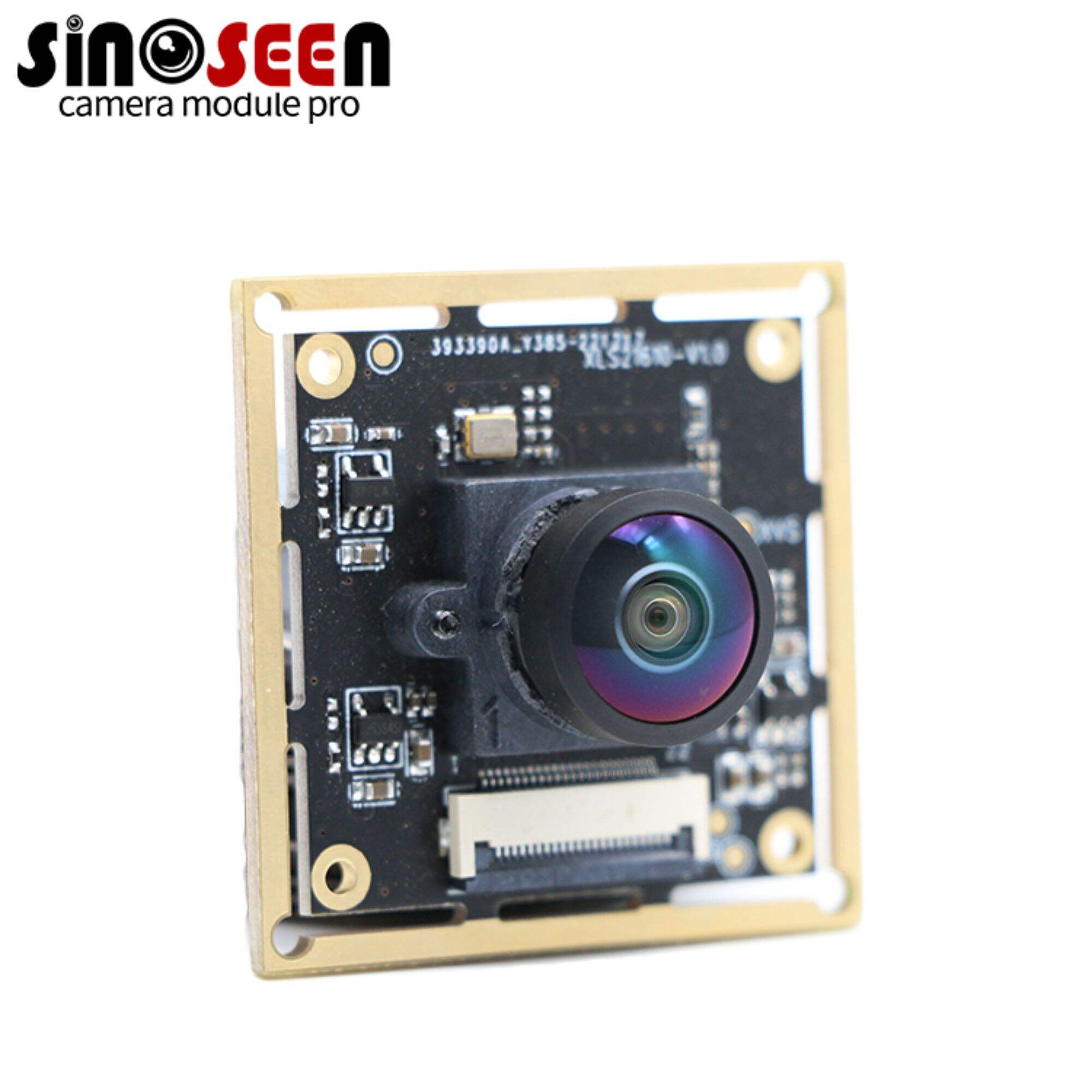
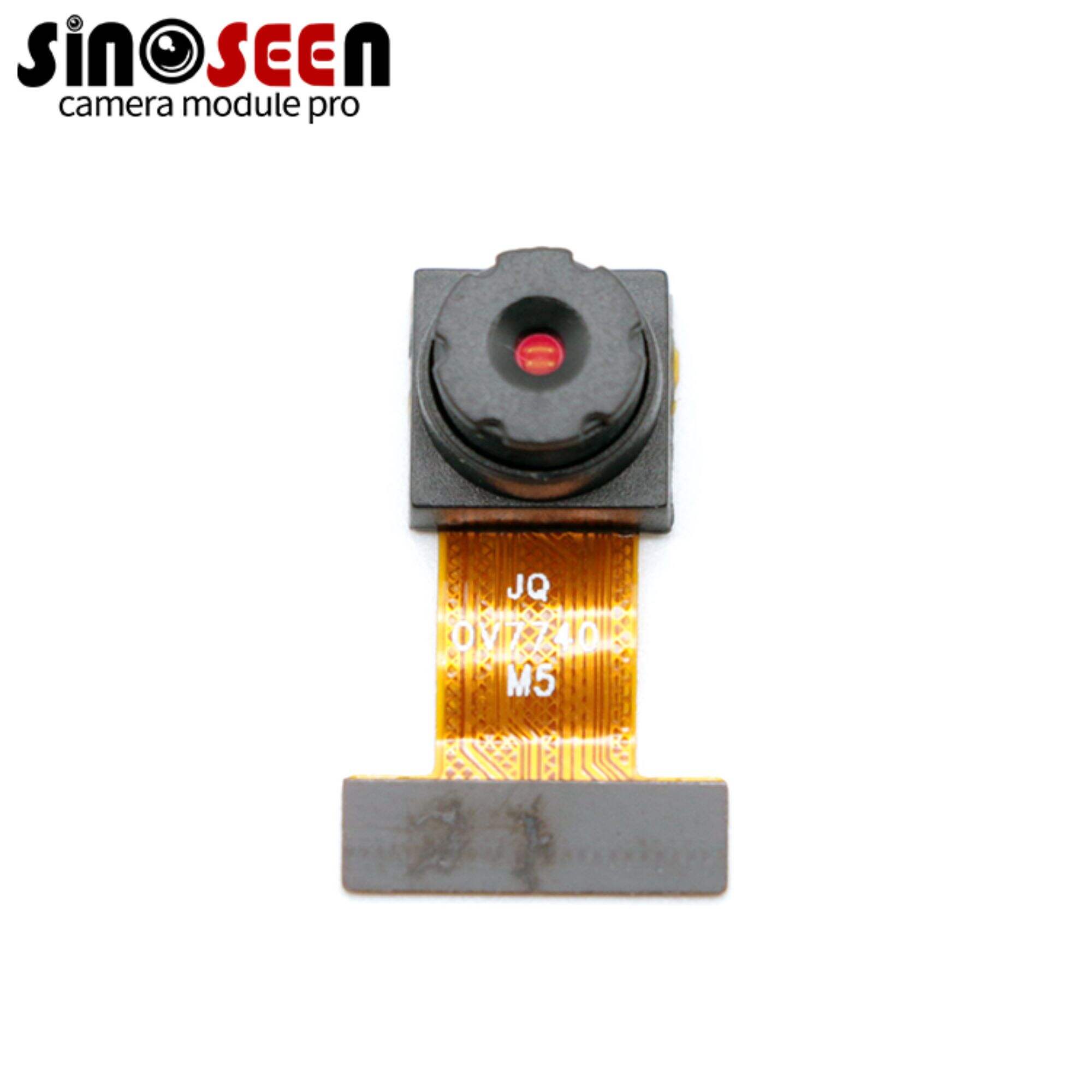
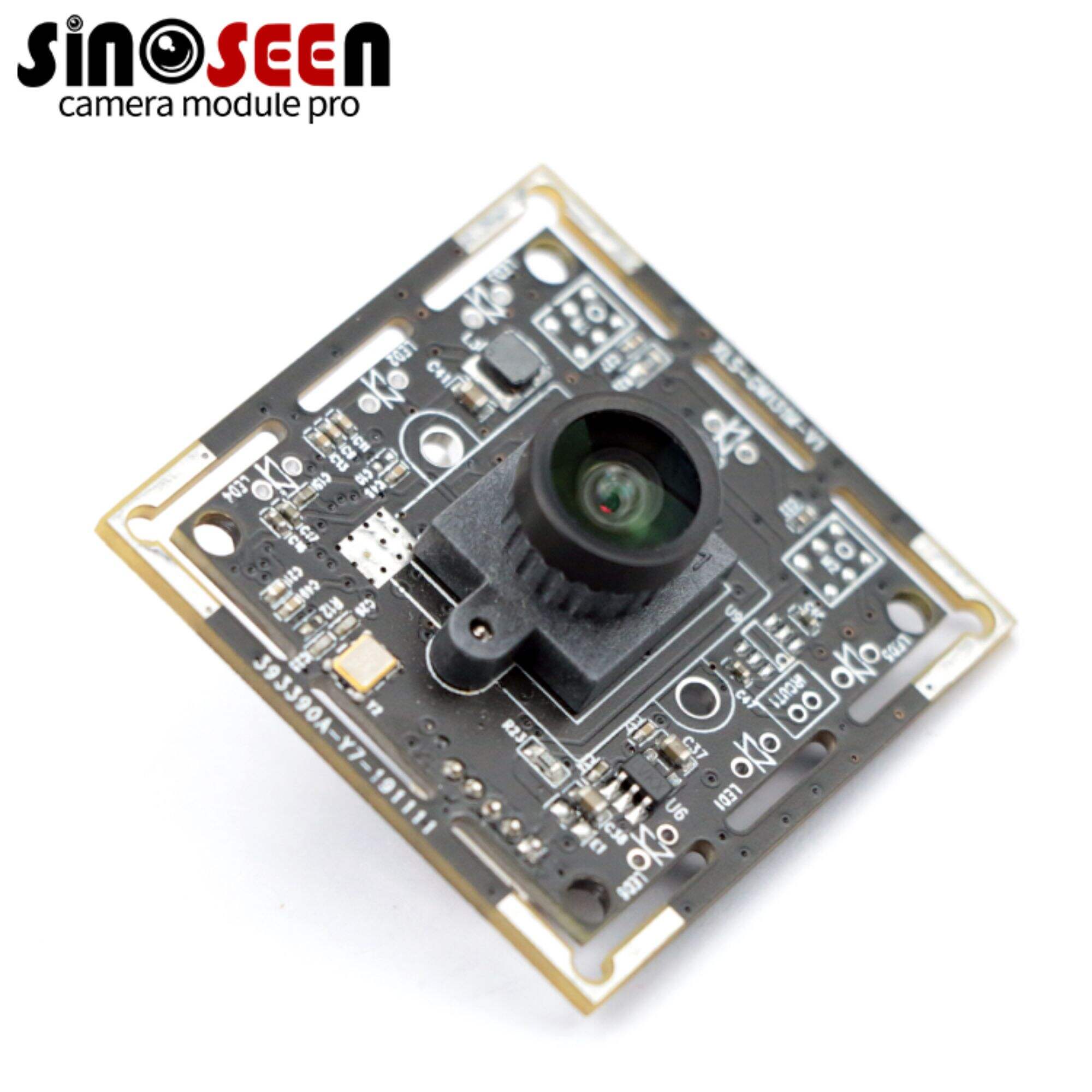
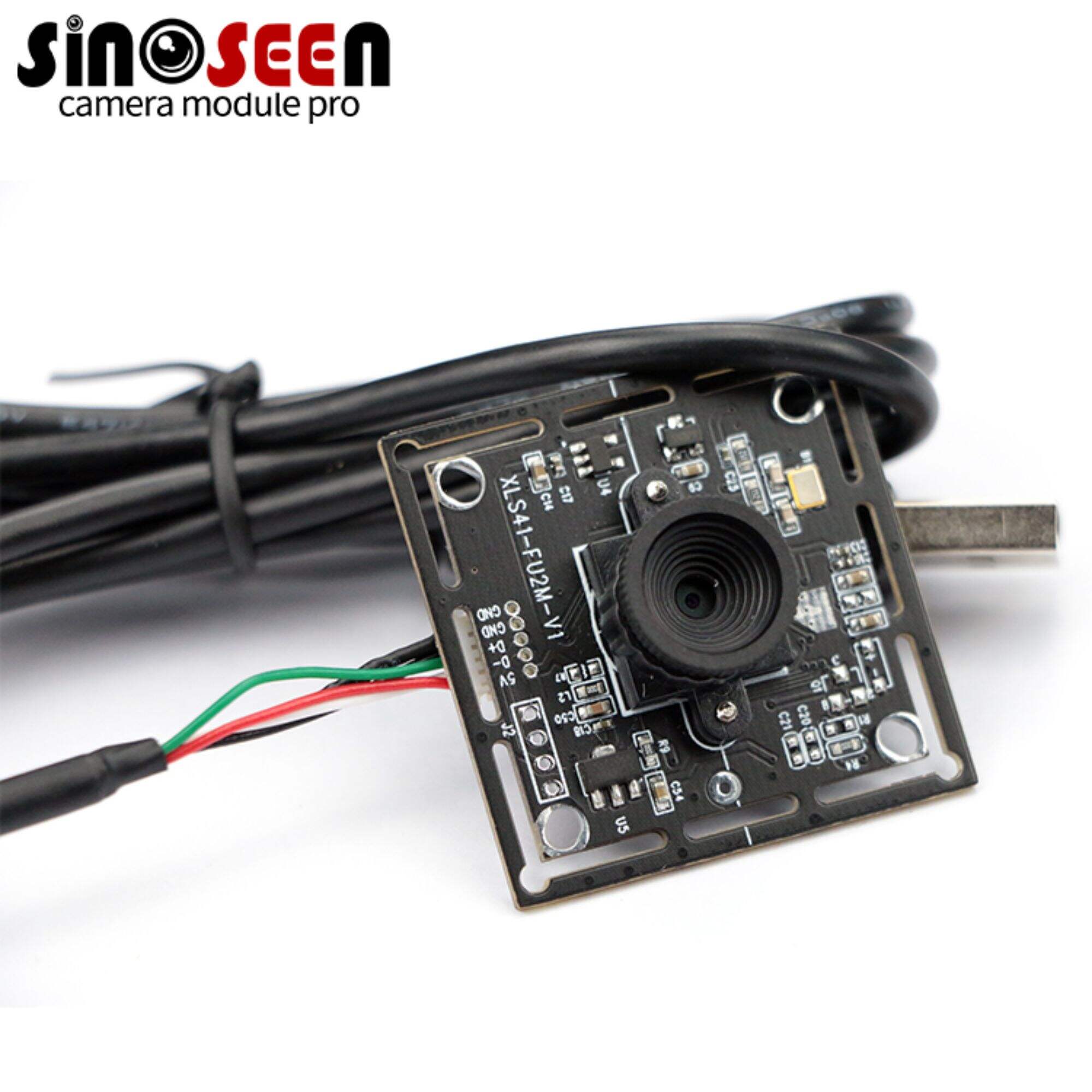
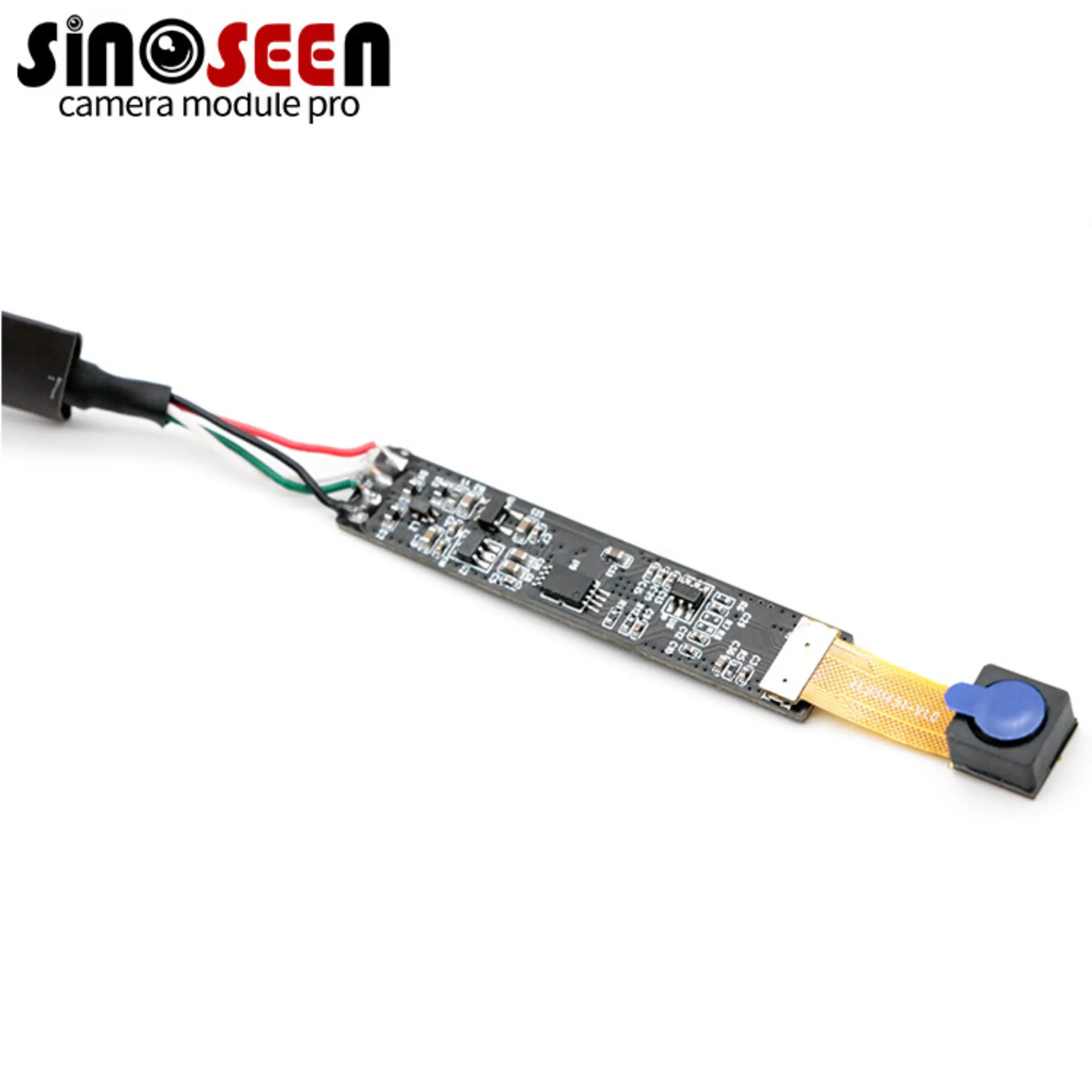
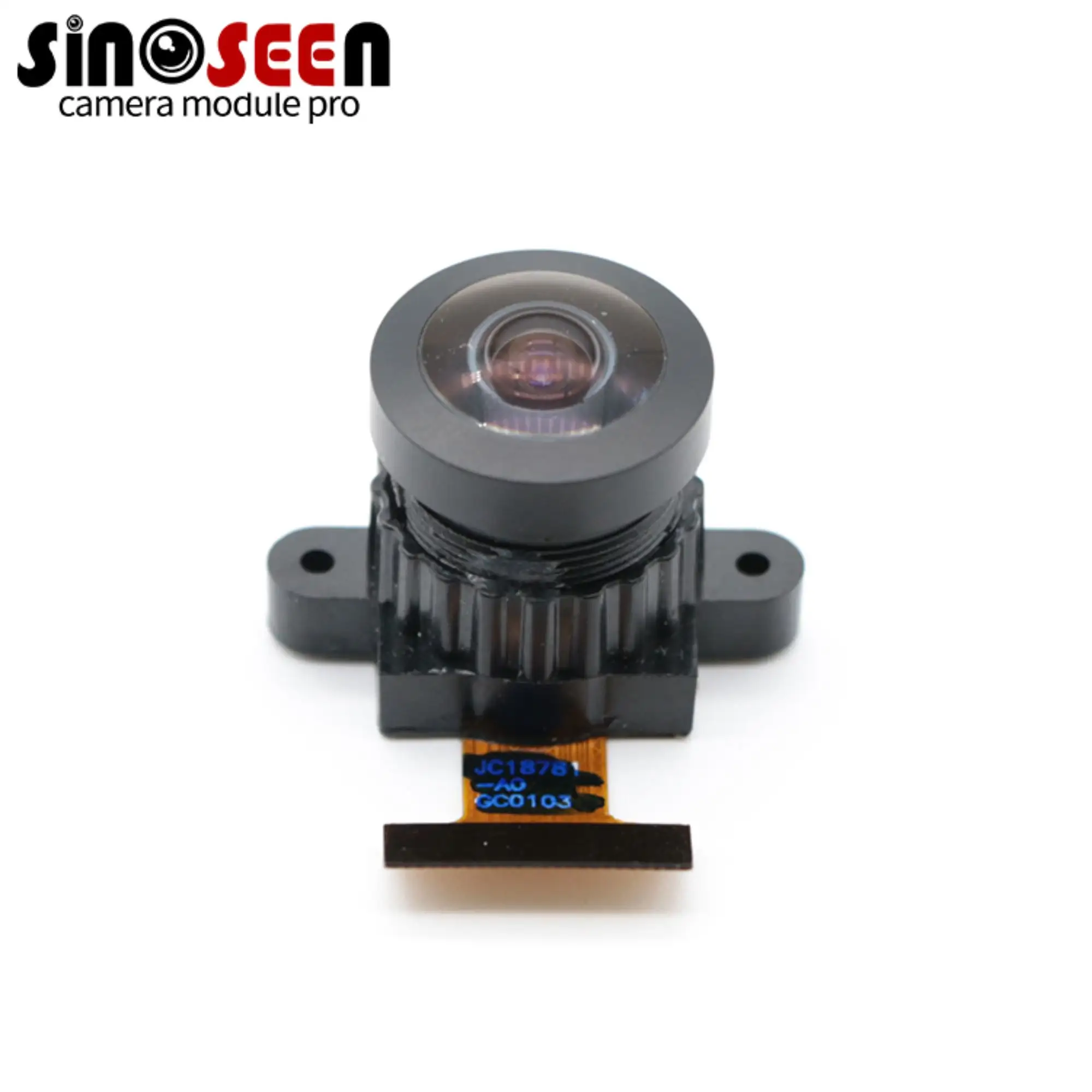
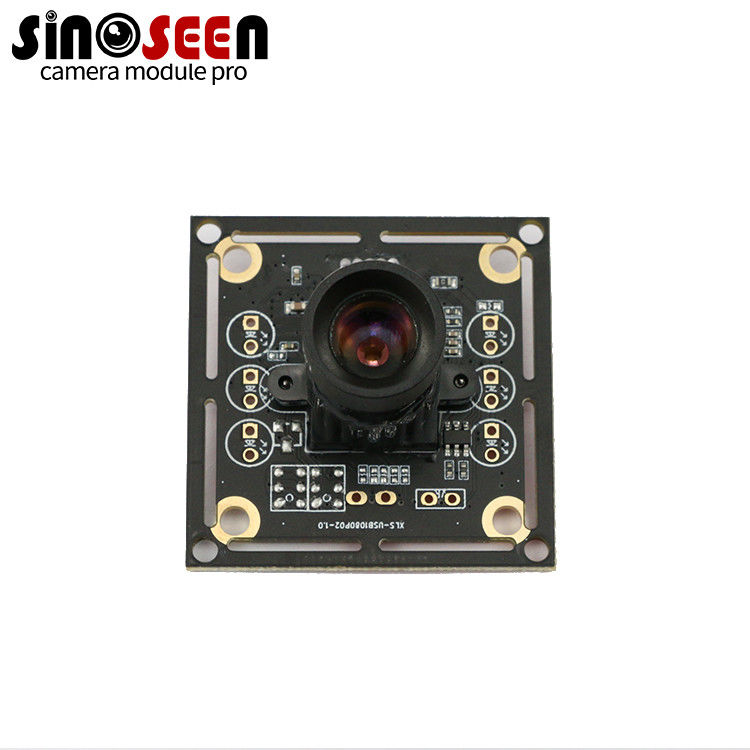
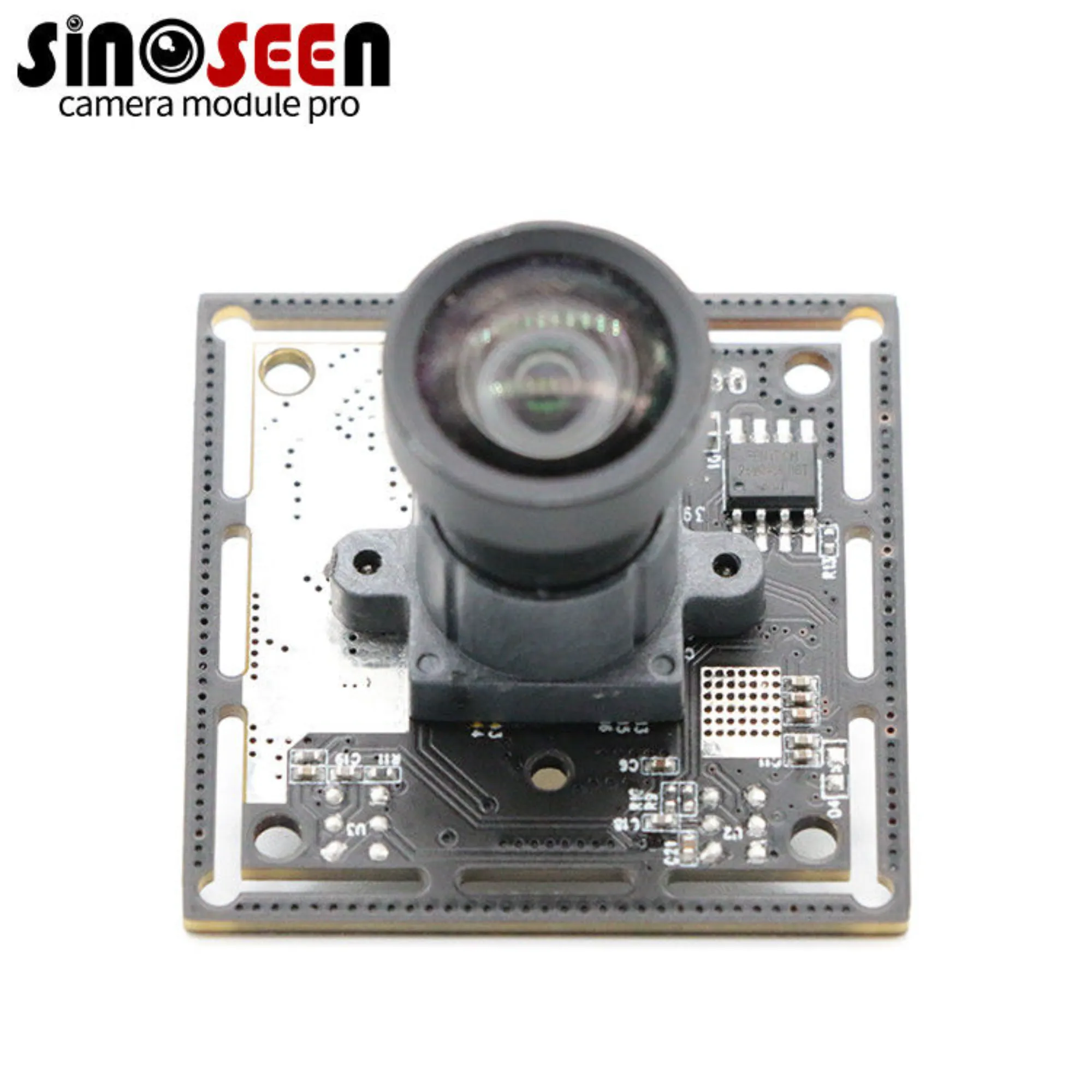
The ESP32 CAM OV2640 offers unparalleled flexibility and customization options that empower developers to create tailored solutions for specific applications and requirements. This adaptability stems from the device's open-source nature and extensive programming support across multiple development environments, allowing users to modify firmware, add custom features, and integrate specialized functionality that meets precise project needs. The GPIO pins provide numerous connection points for additional sensors, actuators, displays, and communication modules, enabling users to build comprehensive monitoring and control systems around the camera core. Developers can easily integrate temperature sensors, motion detectors, LED indicators, servo motors, and countless other components to create sophisticated automated systems that respond intelligently to environmental conditions and captured visual data. The ESP32 CAM OV2640 supports multiple programming languages and frameworks, including C++, Python, and JavaScript, accommodating developers with diverse backgrounds and preferences while maintaining consistent performance and reliability. Custom firmware development allows users to optimize power consumption, adjust image processing algorithms, and implement specialized communication protocols that align perfectly with project requirements. The modular software architecture enables selective feature implementation, allowing developers to include only necessary functions while minimizing memory usage and maximizing performance efficiency. Hardware customization options extend beyond software modifications, as the compact form factor and standard connector layouts facilitate integration into custom enclosures, mounting systems, and mechanical assemblies. Users can design specialized housings for harsh environments, create discrete surveillance installations, or integrate the ESP32 CAM OV2640 into robotics platforms and mobile applications seamlessly. The device supports both standalone operation and integration as a component within larger systems, providing scalability from simple single-camera installations to complex multi-node monitoring networks. Configuration flexibility allows users to adjust image resolution, frame rates, compression settings, and storage options dynamically based on changing requirements or environmental conditions. This adaptability ensures optimal performance across diverse applications while maintaining the ability to modify settings without hardware changes or complex reprogramming procedures.

 EN
EN
 AR
AR
 DA
DA
 NL
NL
 FI
FI
 FR
FR
 DE
DE
 EL
EL
 HI
HI
 IT
IT
 JA
JA
 KO
KO
 NO
NO
 PL
PL
 PT
PT
 RO
RO
 RU
RU
 ES
ES
 SV
SV
 TL
TL
 IW
IW
 ID
ID
 SR
SR
 VI
VI
 HU
HU
 TH
TH
 TR
TR
 FA
FA
 MS
MS
 IS
IS
 AZ
AZ
 UR
UR
 BN
BN
 HA
HA
 LO
LO
 MR
MR
 MN
MN
 PA
PA
 MY
MY
 SD
SD