 EN
 AR
 DA
 NL
 FI
 FR
 DE
 EL
 HI
 IT
 JA
 KO
 NO
 PL
 PT
 RO
 RU
 ES
 SV
 TL
 IW
 ID
 SR
 VI
 HU
 TH
 TR
 FA
 MS
 IS
 AZ
 UR
 BN
 HA
 LO
 MR
 MN
 PA
 MY
 SD



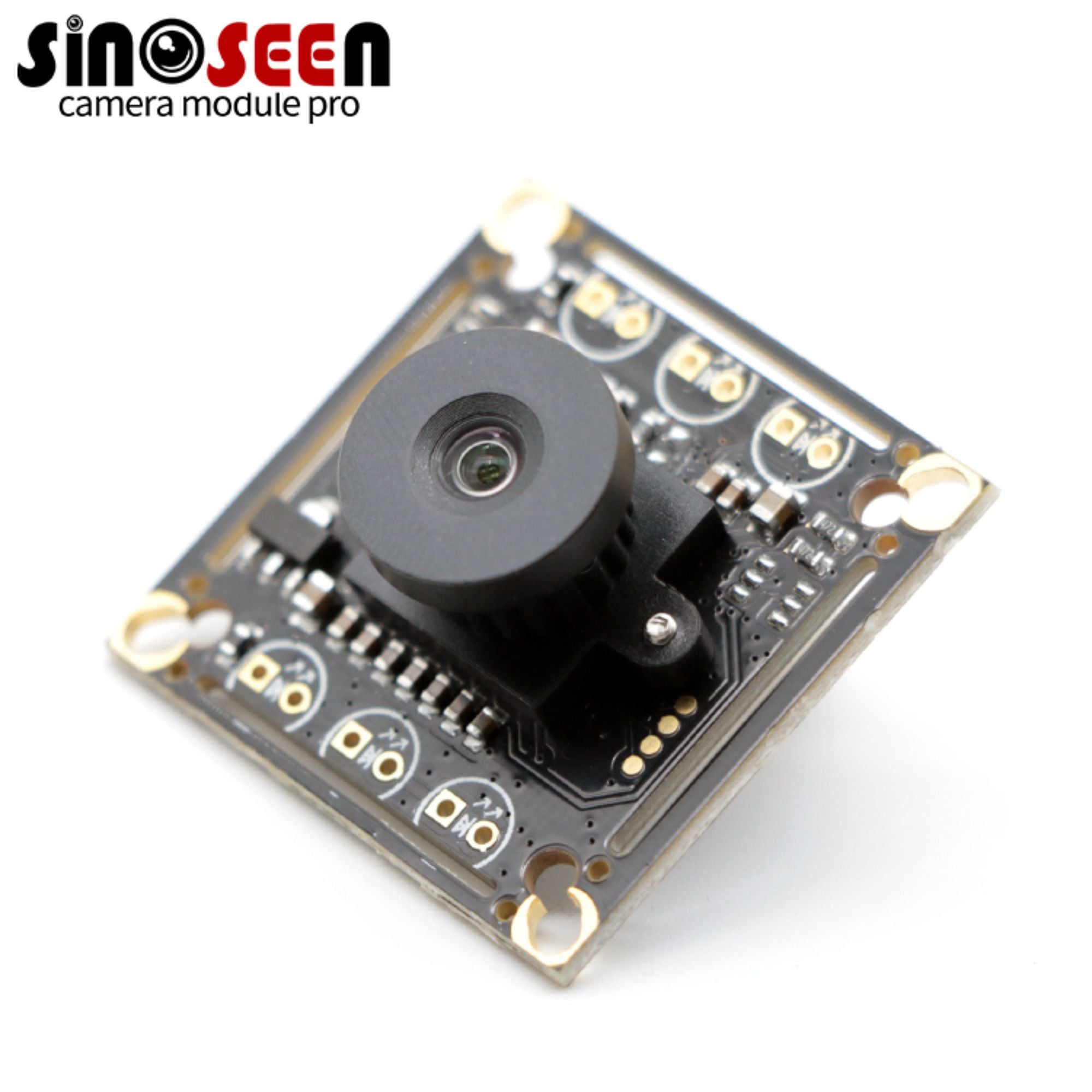
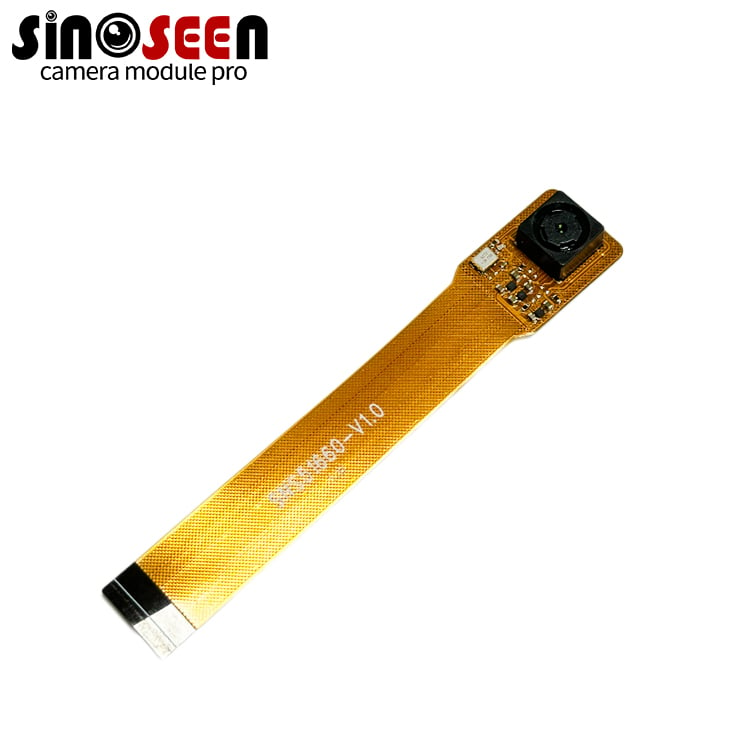
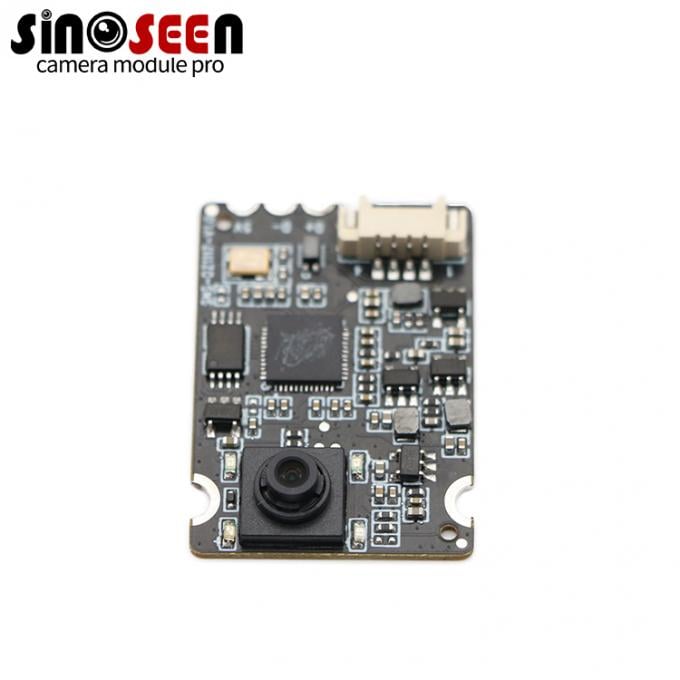
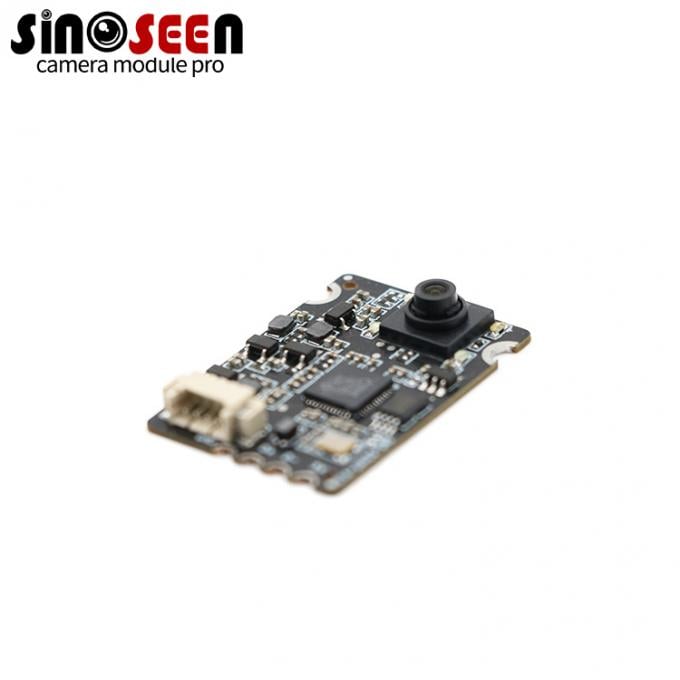
0.3MP 120fps/240fps SC035HGS Sensor USB Camera Module Fixed Focus
Product Details:
| Place of Origin: | Shenzhen,China |
| Brand Name: | Sinoseen |
| Certification: | RoHS |
| Model Number: | SNS-DZ1117-V1.0 |
Payment & Shipping Terms:
| Minimum Order Quantity: | 1 |
|---|---|
| Price: | negotiable |
| Packaging Details: | Tray+Anti-static bag in carton box |
| Delivery Time: | 2-3weeks |
| Payment Terms: | T/T |
| Supply Ability: | 500000 pieces/month |
- Parameter
- Related products
- Inquiry
- Detail Information
Product Description
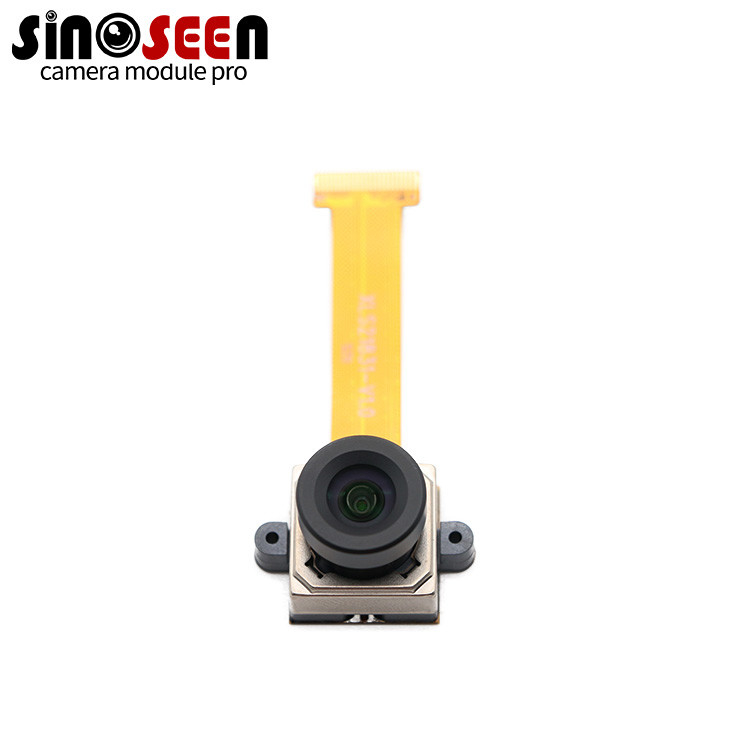
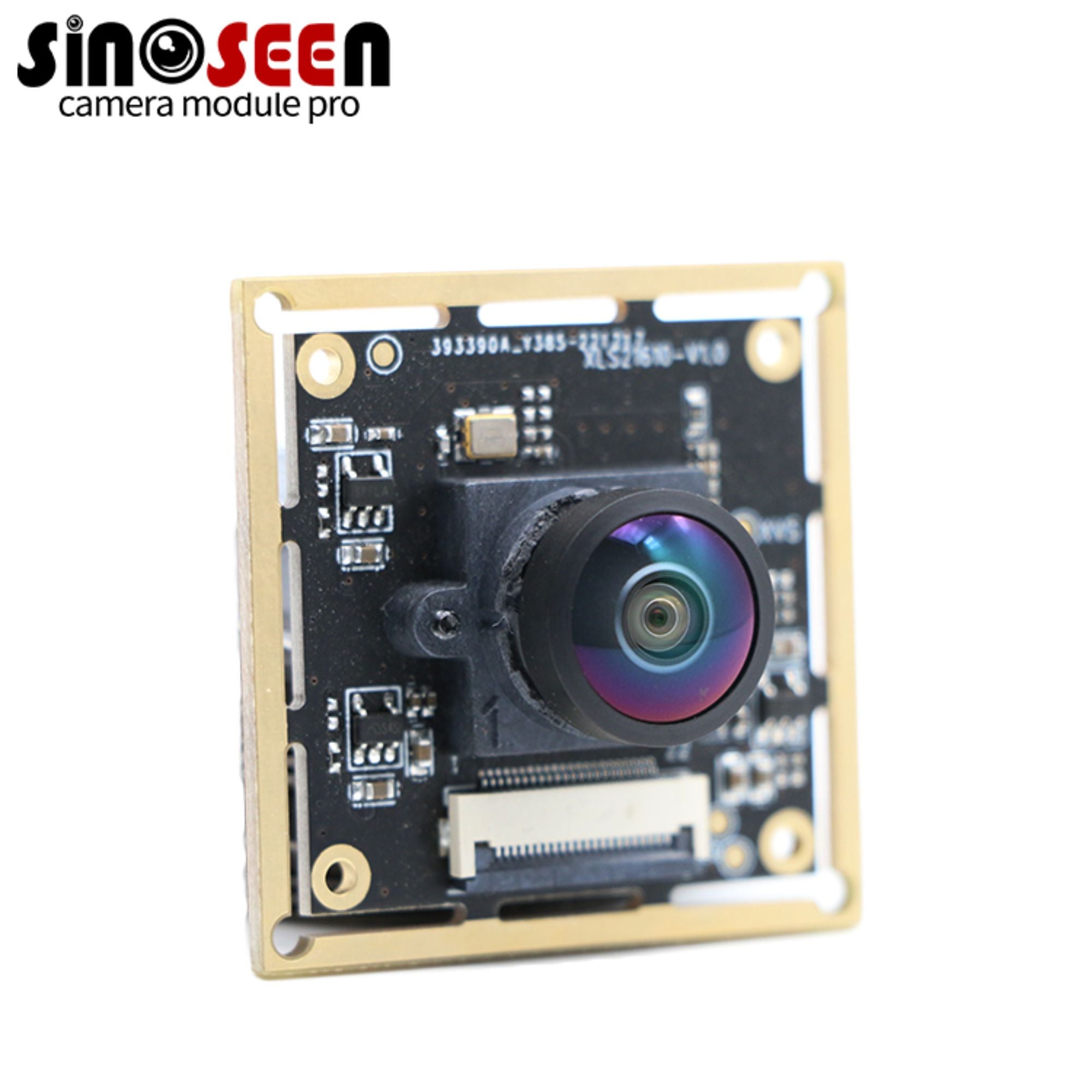
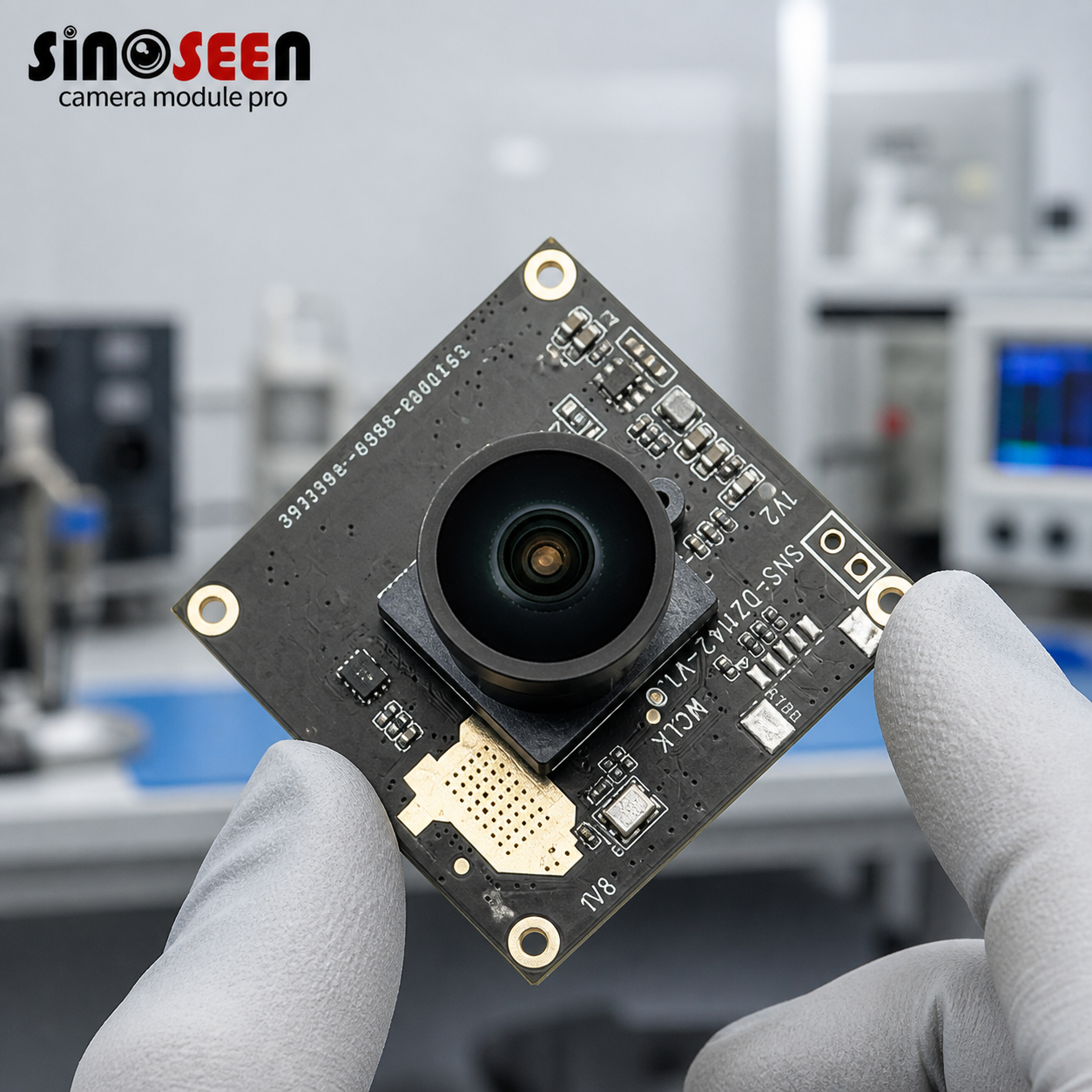
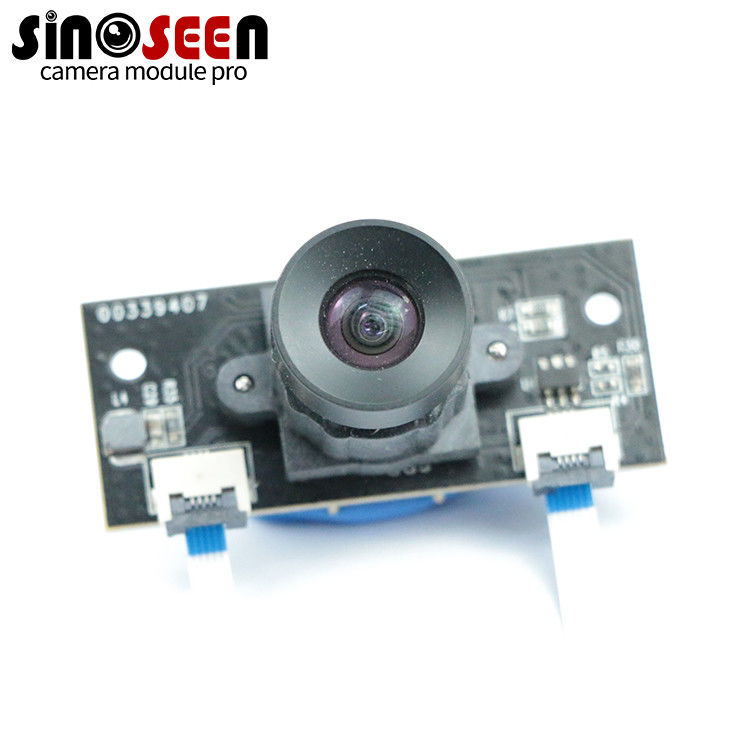
The USB Camera Module has high frame rate capabilities, allowing it to capture video at 120 or 240 frames per second (fps). This makes it suitable for applications that require capturing fast-moving objects or motion analysis. Additionally, the camera module supports global exposure control, ensuring consistent exposure throughout the image. This feature helps prevent rolling shutter effects and inconsistent exposure levels, particularly in dynamic or rapidly changing scenes. The camera module uses a USB interface to connect to a host device, such as a computer or microcontroller. USB interface connection is simple and convenient, and it is widely supported across various platforms and operating systems.
Key Benefits
Global shutter imaging: Helps reduce skew and stretching associated with rolling shutter capture.
VGA resolution: Suitable for vision tasks that do not require megapixel-level detail.
USB integration: Connects to compatible host systems for image acquisition and application development.
Fixed-focus optics: Suits equipment with a consistent camera-to-subject distance.
Project-specific configuration: Discuss lens coverage and mechanical requirements before sample evaluation.
Specification
Model No |
SNS-DZ1117-V1.0 |
Sensor |
SC035HGS Sensor |
Pixel |
1 Mega Pixel |
Most effective pixels |
1280(H) x 720(V) |
Pixel Size |
3.0µm x 3.0µm |
Image area |
3888µm x 2430µm |
Compression format |
MJPEG / YUV2 (YUYV) |
Resolution & Frame rate |
See above |
Shutter Type |
Electronic rolling shutter |
Focus type |
Fixed focus |
S/N ratio |
40dB |
Dynamic range |
69dB |
Sensitivity |
3700mV / lux-sec |
CRA (chief ray angle) |
25° |
Interface type |
USB2.0 |
Lens FOV |
100° |
|
Brightness/Contrast/Color saturation/Hue/Definition/ |
Audio frequency |
Optional |
Power supply |
USB BUS POWER |
Power consumption |
DC 5V, 120mW |
Main chip |
DSP/SENSOR/FLASH |
Auto Exposure Control (AEC) |
Support |
Auto White Balance (AEB) |
Support |
Auto Gain Control (AGC) |
Support |
Dimension |
Customizable |
Storage temperature |
-20°C to 70°C |
Operating temperature |
0°C to 60°C |
USB cable length |
Default |
|
WinXP/Vista/Win7/Win8/Win10 |
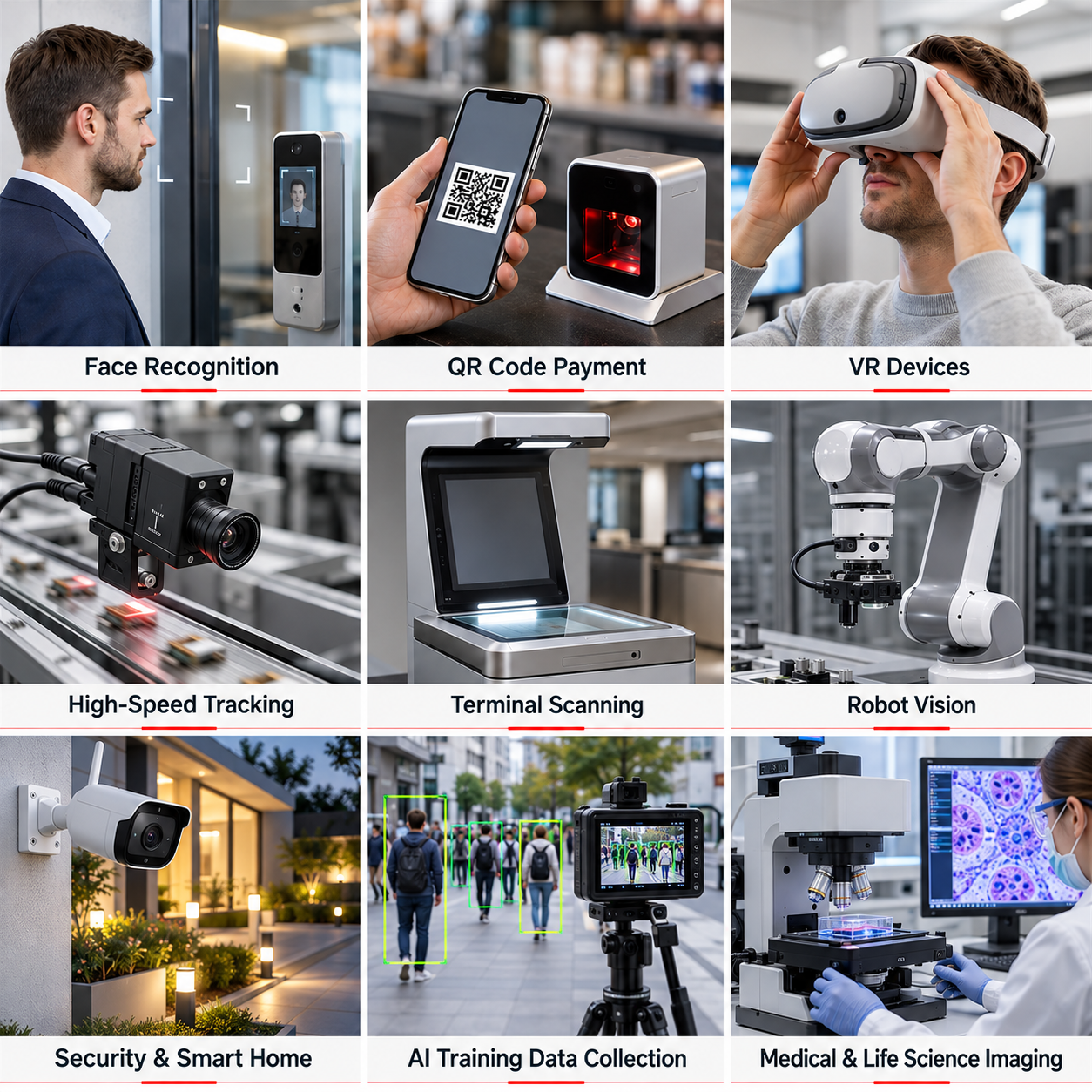
Application Areas
Face Recognition: Face capture for access control.
QR Code Payment: Code imaging for decoding.
VR Devices: Visual input for motion tracking.
High-Speed Tracking: Moving-object image capture.
Terminal Scanning: Document and barcode imaging.
Robot Vision: Images for positioning and guidance.
Security & Smart Home: Indoor and outdoor monitoring.
AI Training Data Collection: Image capture for AI datasets.
Medical & Life Science Imaging: Image capture for microscopy and research.
OEM/ODM Customization & Development Process
Match the Camera to Your Integration Requirements
A suitable camera configuration must fit both the imaging task and the device structure. Sinoseen provides OEM/ODM camera module services and can assess changes to the optical setup, flexible-circuit layout, connection arrangement, and supported operating configuration.
| Project Requirement | Areas for Engineering Review | Information to Provide |
| The camera does not fit the enclosure | Camera-head placement, FPC outline, and routing | Mechanical drawings and available space |
| cene coverage or working distance is unsuitable | Lens selection, field of view, and focus setting | Target dimensions and capture distance |
| The host connection differs from the standard design | Connector, pin assignment, and interface configuration | Host specifications and connection requirements |
| Moving targets require sharper capture | Exposure, lighting, and supported frame-rate modes | arget speed, sample images, and lighting conditions |
| he project requires infrared imaging | Filter and lens suitability | Illumination wavelength and imaging requirements |
Customization feasibility, development scope, cost, and lead time are confirmed after engineering review.
Customization Process
Step 1 — Share Your Requirements
Provide the application, host platform, required resolution and frame rate, working distance, installation space, and estimated quantity.
Step 2 — Review the Configuration
Assess the sensor operating mode, interface, lens, and mechanical arrangement. Identify any changes required for the target device.
Step 3 — Confirm Drawings and Evaluation Criteria
Agree on the configuration, connection details, mechanical revision, and sample acceptance requirements before prototype production.
Step 4 — Evaluate Samples
Test image quality, sustained frame rate, exposure behavior, host integration, and mechanical fit in the actual operating environment.
Step 5 — Approve the Production Configuration
Confirm the accepted sample, drawings, optical components, and operating configuration before proceeding with volume production.
Send Your Drawings and Imaging Requirements
About Sinoseen
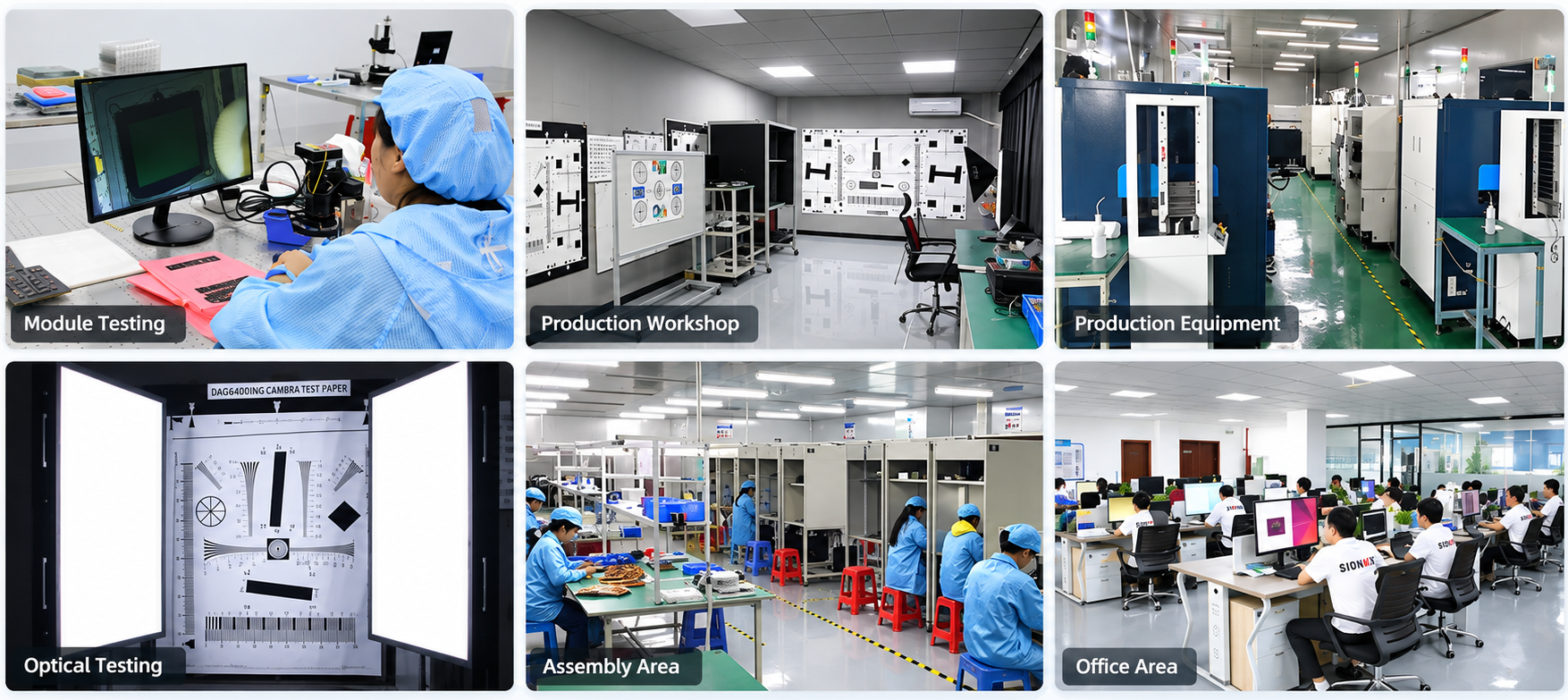
Shenzhen Sinoseen Technology Co., Ltd. was established in June 2016 and specializes in CMOS camera module design, development, manufacturing, and OEM/ODM services.
Its product portfolio includes USB, MIPI, and DVP camera modules, with services extending from development through manufacturing and after-sales support.
For embedded vision projects, Sinoseen works with customers to assess the imaging task alongside mechanical and electrical integration requirements. This helps define a camera configuration that can be evaluated in the intended device before production approval.
Certifications & Intellectual Property
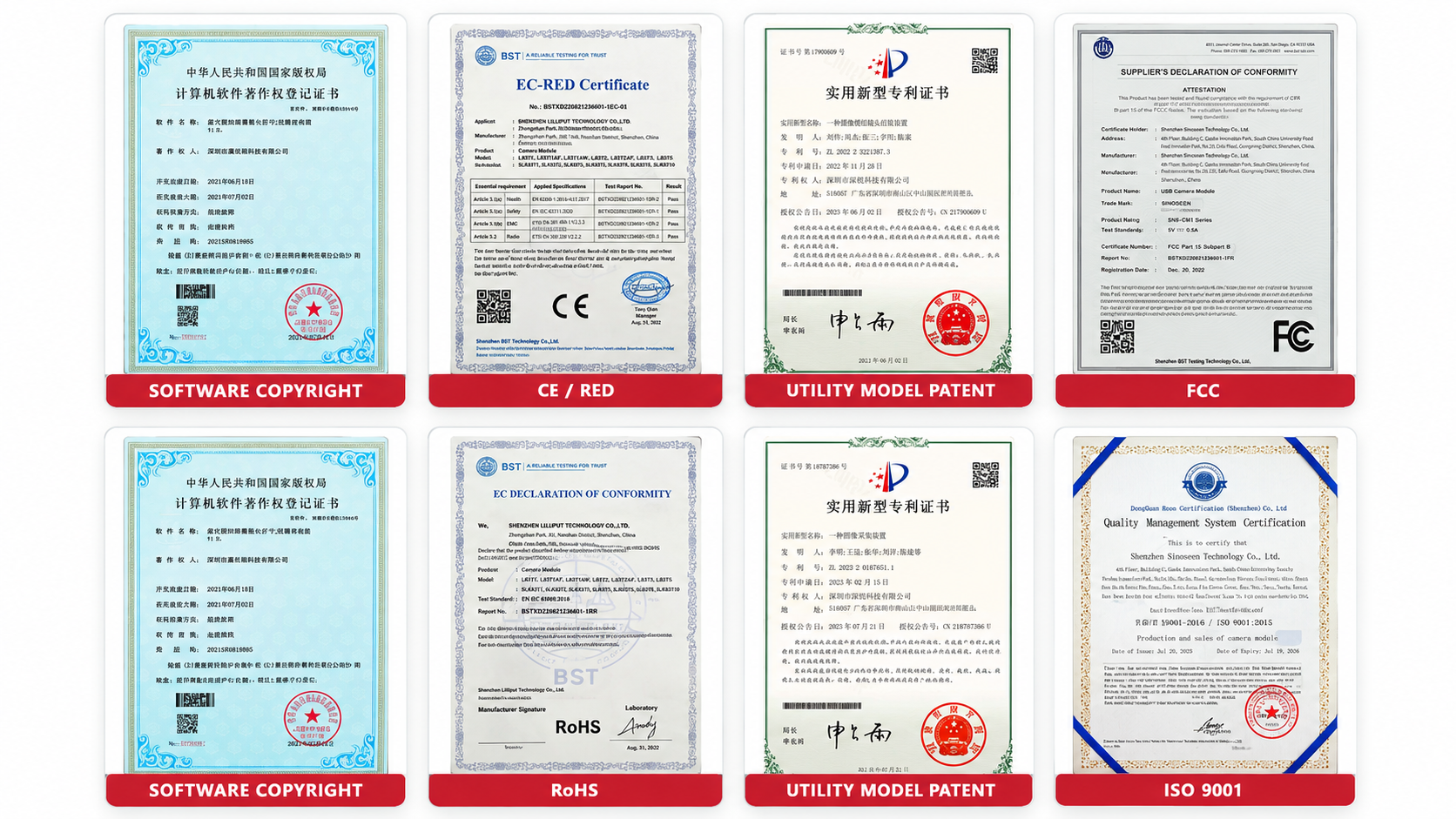
Sinoseen’s documentation includes quality management records, product compliance documents, software copyrights, and utility model patents. For your camera module project, please request the current documents applicable to the selected model and configuration, including relevant CE, FCC, or RoHS documentation.
Frequently Asked Questions
1. What is the advantage of a global shutter camera?
A global shutter exposes the image simultaneously, helping preserve the shape of moving objects. This is useful when rolling shutter skew could affect tracking or inspection.
2. Does this module provide 120fps or 240fps?
Please request the validated capture-mode table for your selected module. Frame rate must be specified together with resolution, output format and firmware configuration. A sensor’s maximum frame rate does not establish the USB module’s delivered frame rate.
3. Does global shutter eliminate motion blur?
No. Global shutter reduces timing-related geometric distortion, but moving objects can still blur during a long exposure. Exposure time and illumination must be selected for the subject’s speed.
4. Is VGA resolution sufficient for machine vision?
It depends on the smallest feature your application needs to detect. Evaluate how many pixels cover that feature at the intended working distance. Applications requiring fine detail may need a higher-resolution camera.
Shenzhen Sinoseen Technology Co., LTD
China top 10 camera module manufacturer
If you are struggling to find the right camera module solution, please contact us,
we will customize all kinds of USB/MIPI/DVP interface camera modules according to your needs,
and have a dedicated team to provide you with the most suitable solution.
Camera module customization suggestion
According to the actual application scenarios and functional goals, the camera module needs to comprehensively consider the product structure size, image clarity, frame rate, lens angle, lighting scene and other factors to select the appropriate sensor, lens and solution. needs customization. These products are only used for customer testing DEMO, please contact our customer service to inform you which product you want to use the camera module on? What function is implemented? Are there any special requirements? According to cost targets and other comprehensive factors, we help you choose the right sensor+ lens solution, and then design the product PCB or FPC according to the structural requirements.
examples: the customer is going to make a person recognition and comparison machine. If it is used in a well-lit indoor environment, we recommend that customers use ordinary lenses and sensors. If the light or backlight is not good, we recommend customers to use WDR wide dynamic sensor. If customers have high requirements for safety, we recommend that customers use WDR and black and white infrared binocular recognition camera modules. When determining the sensor and lens plan, the customer should adjust the color, white balance and saturation parameters according to the actual environment to achieve the target effect.