Versatile Integration and Connectivity Options
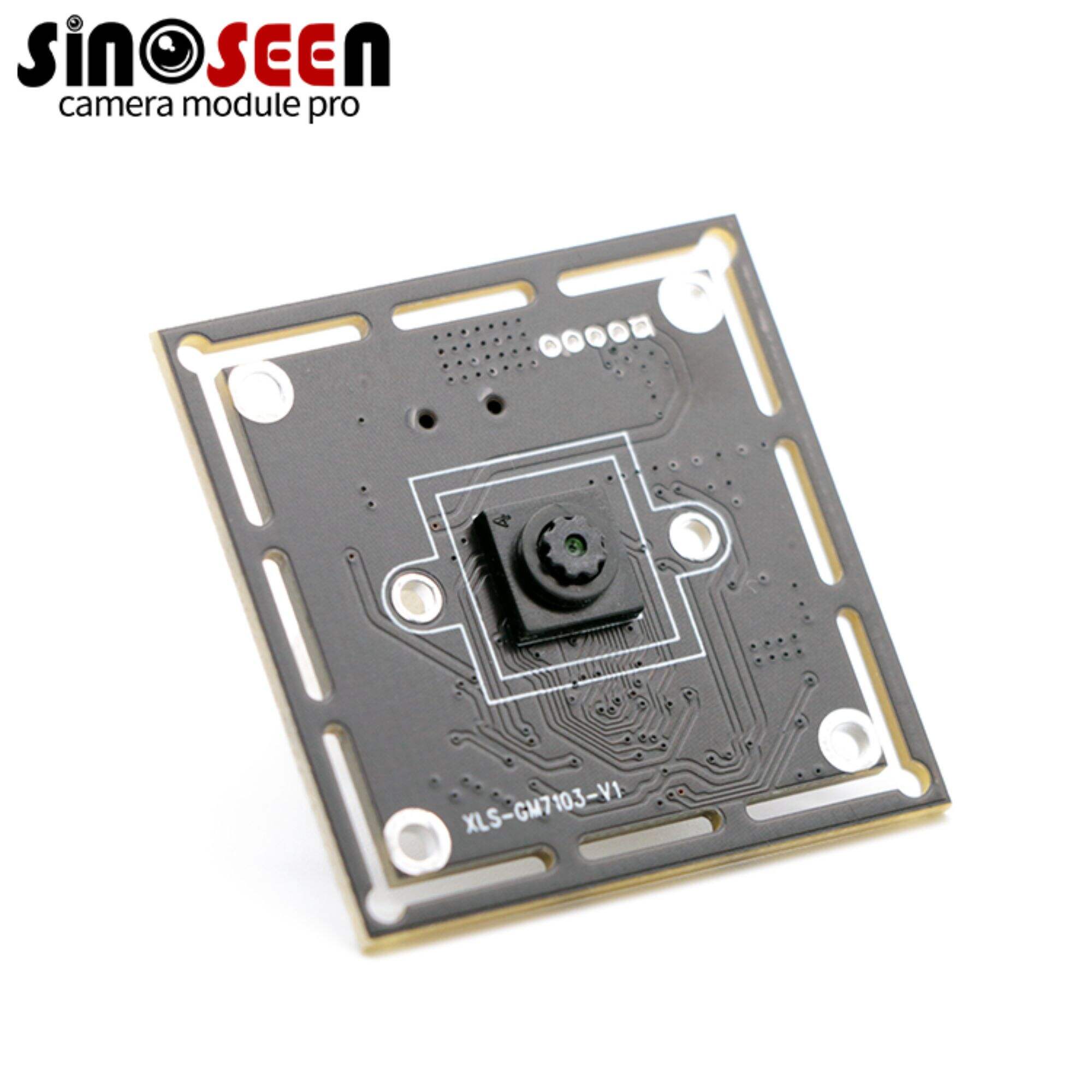
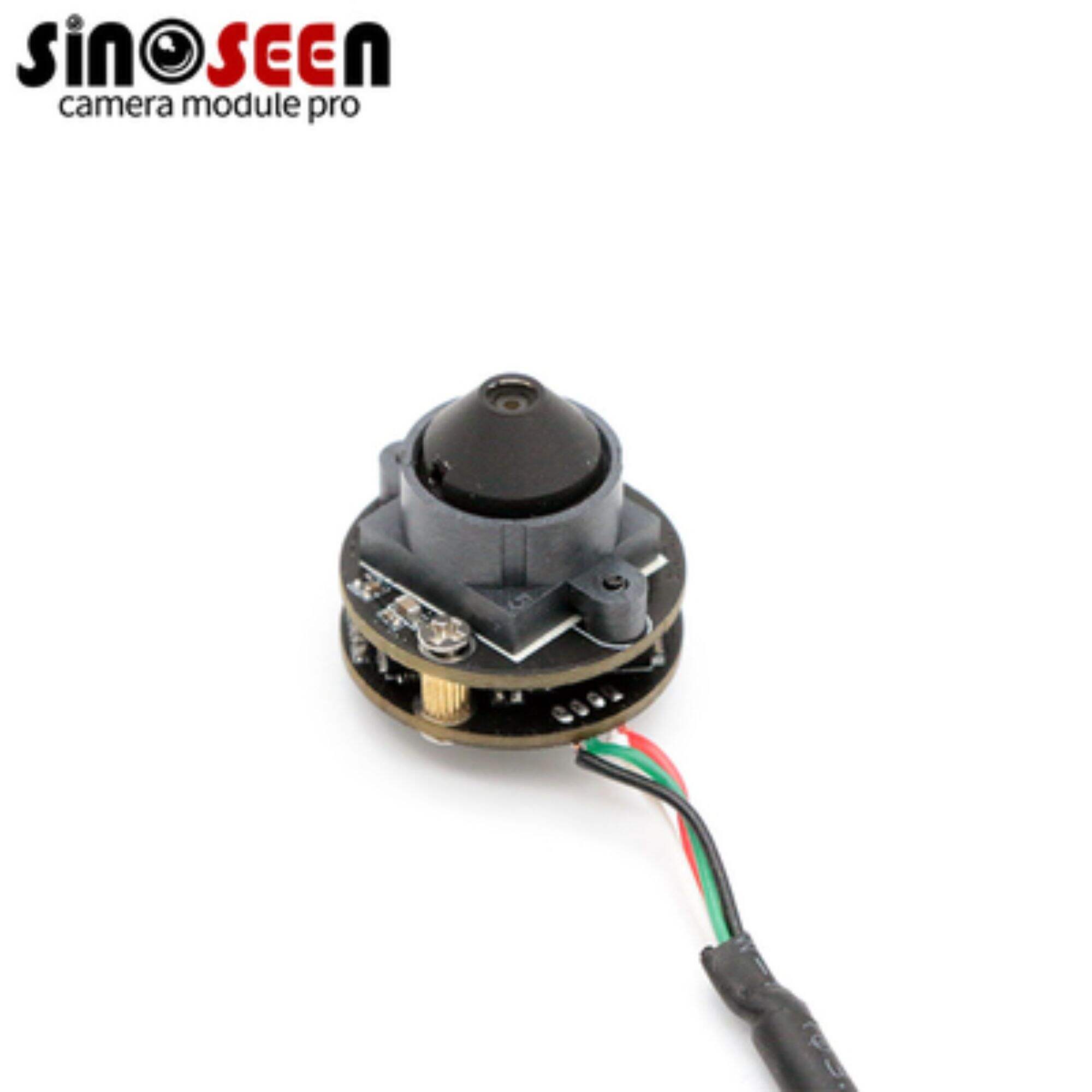
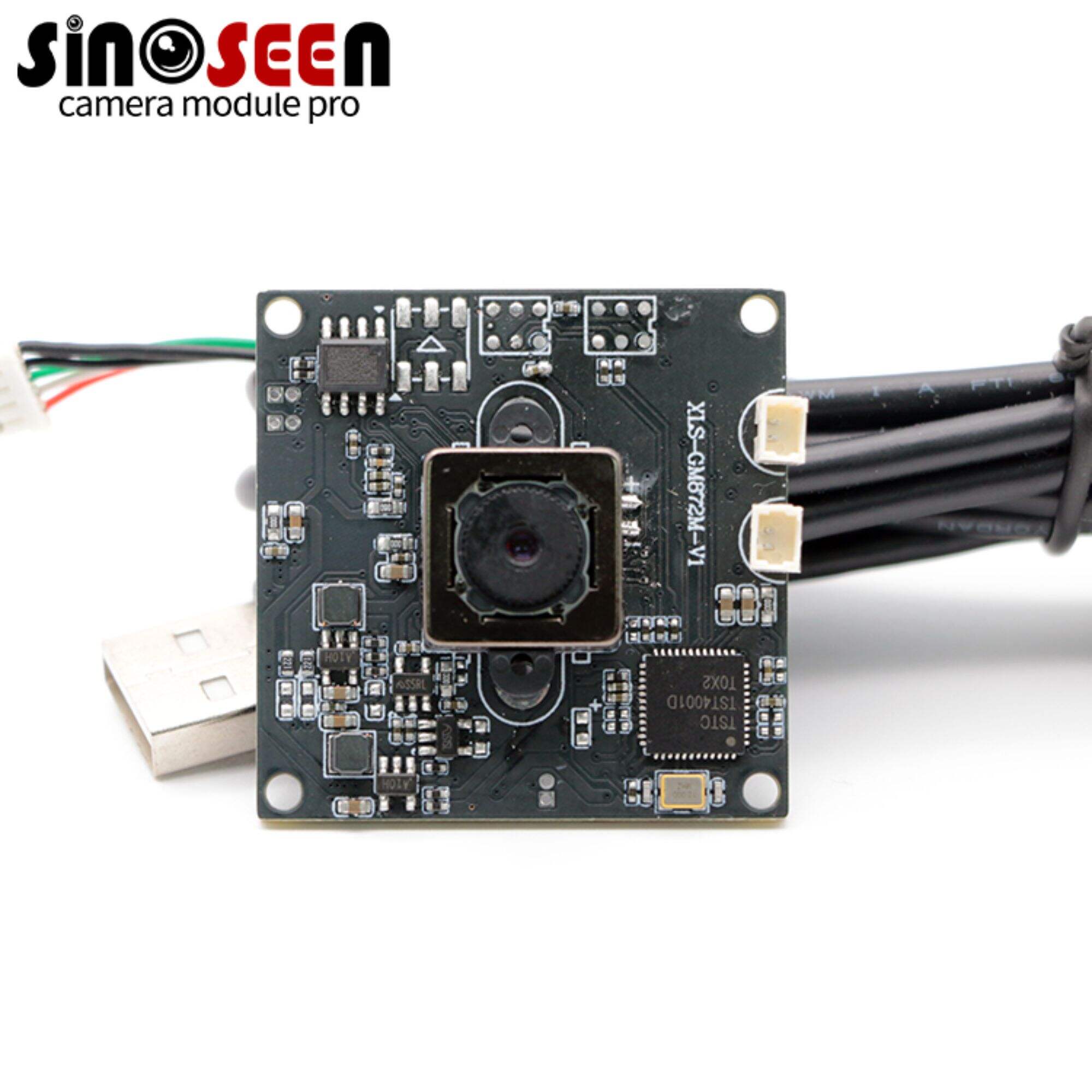
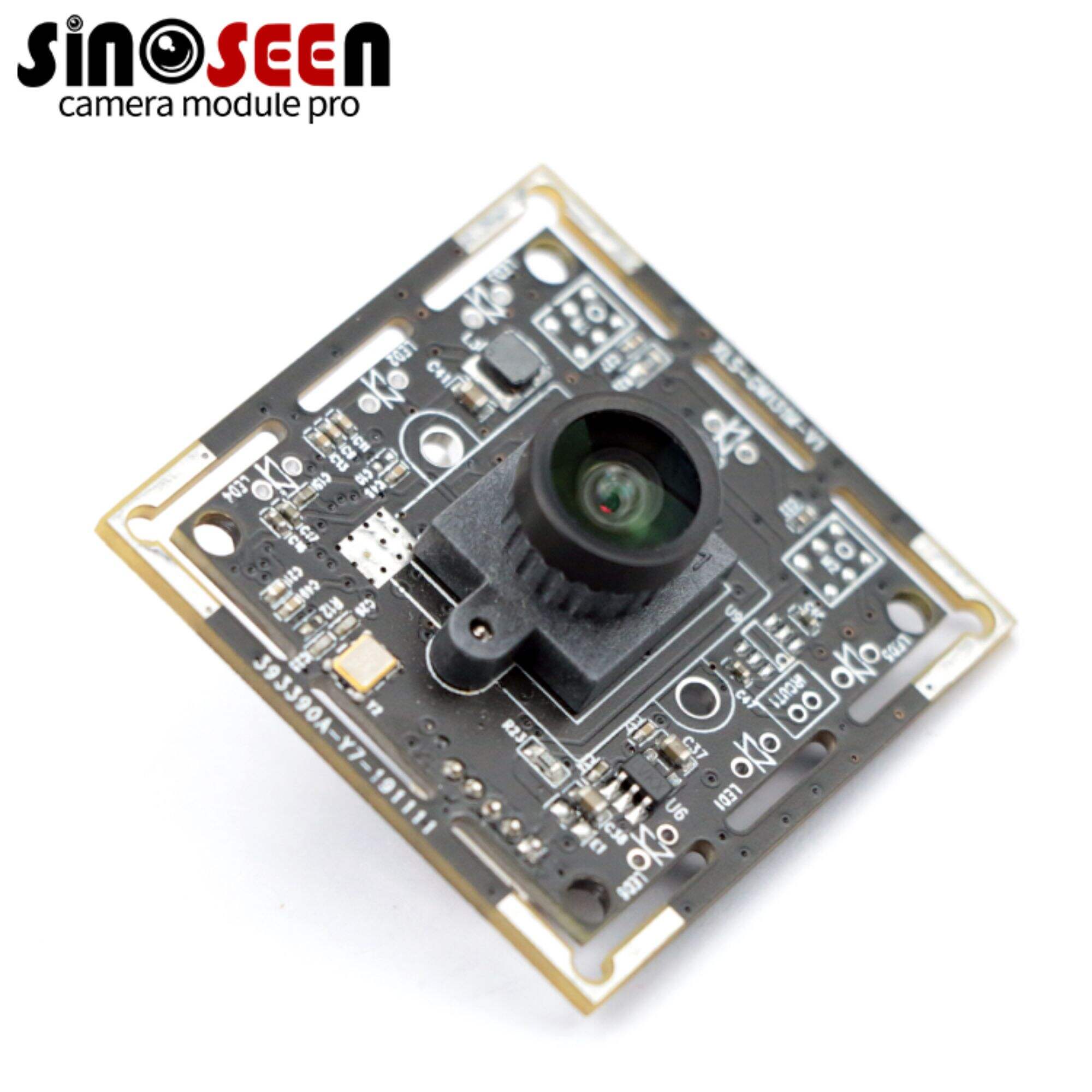
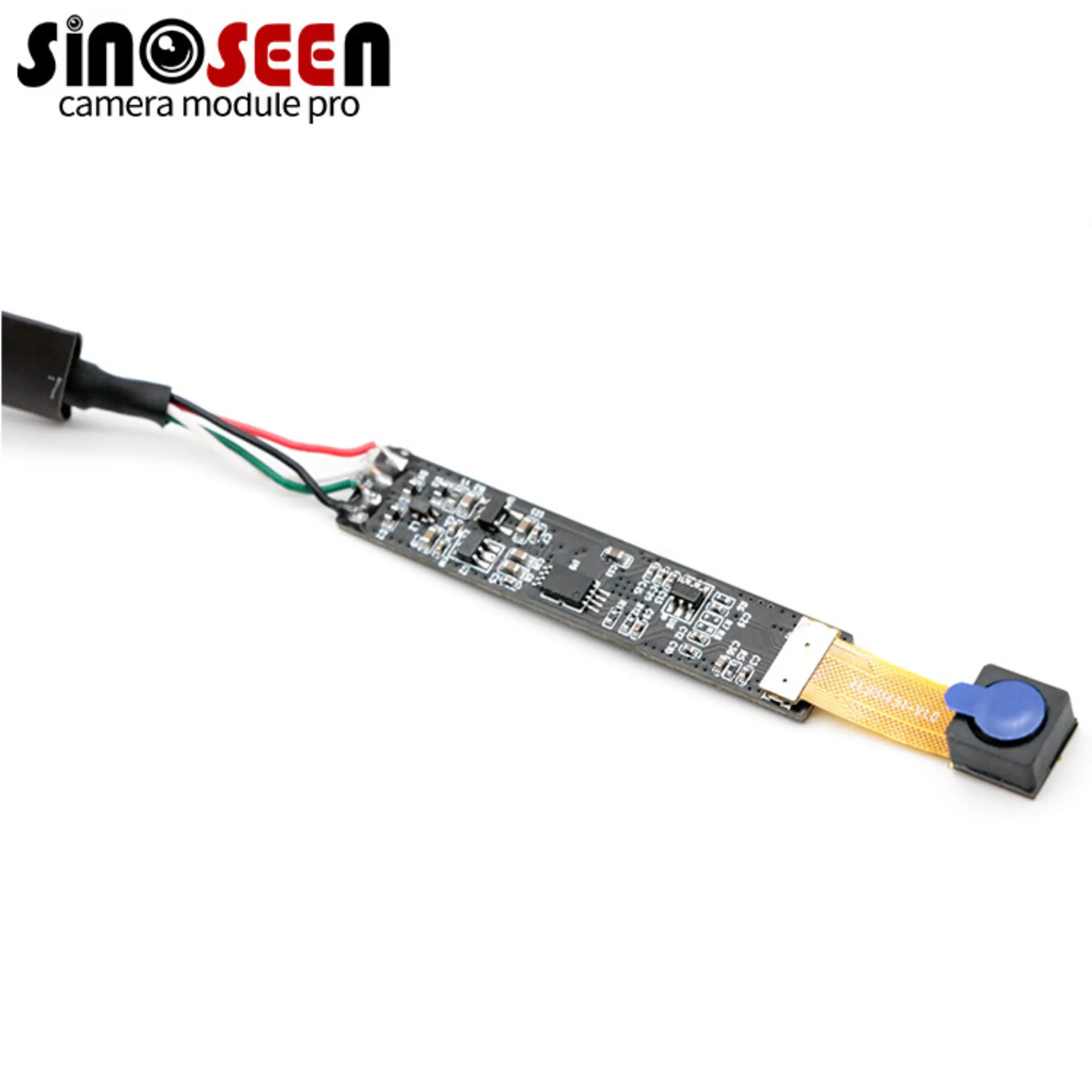
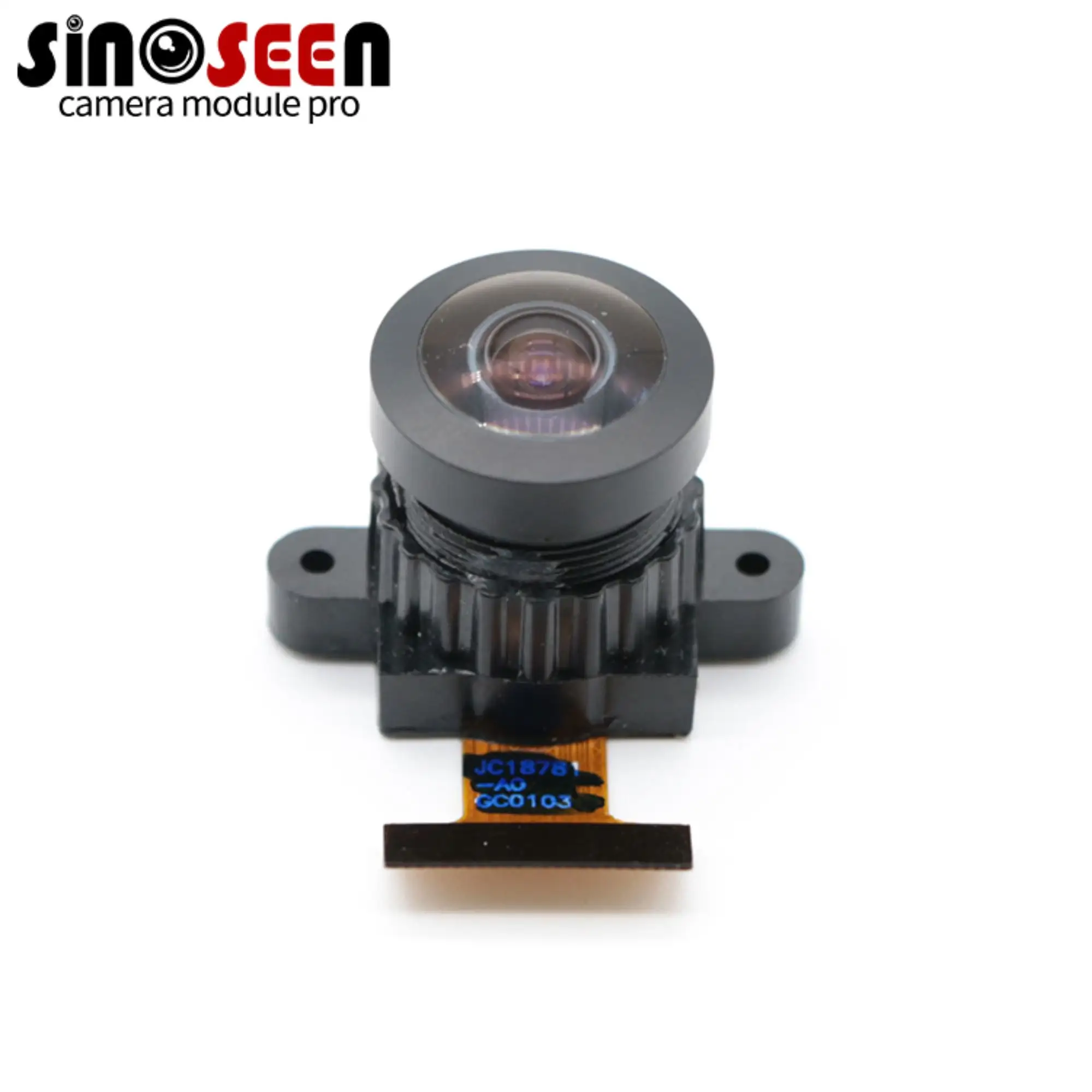
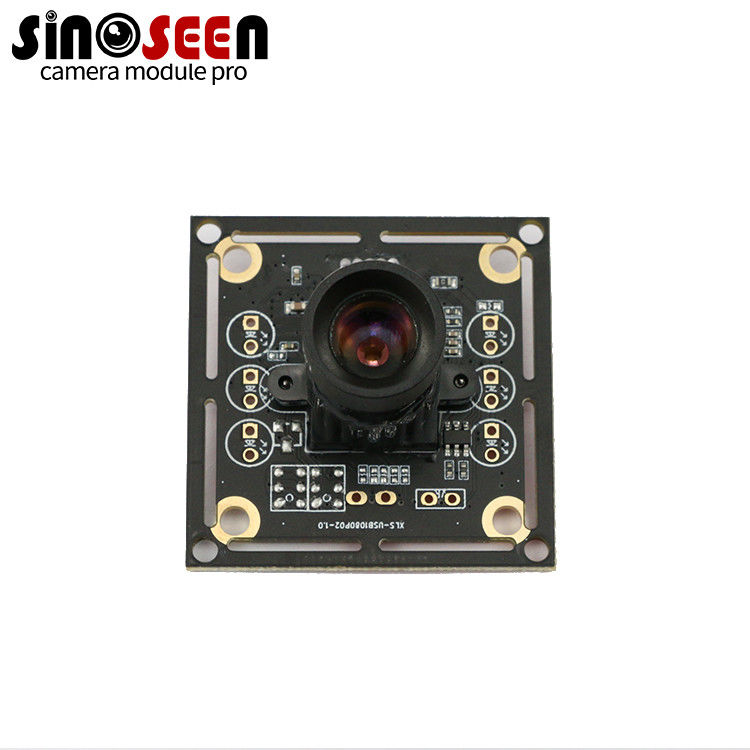
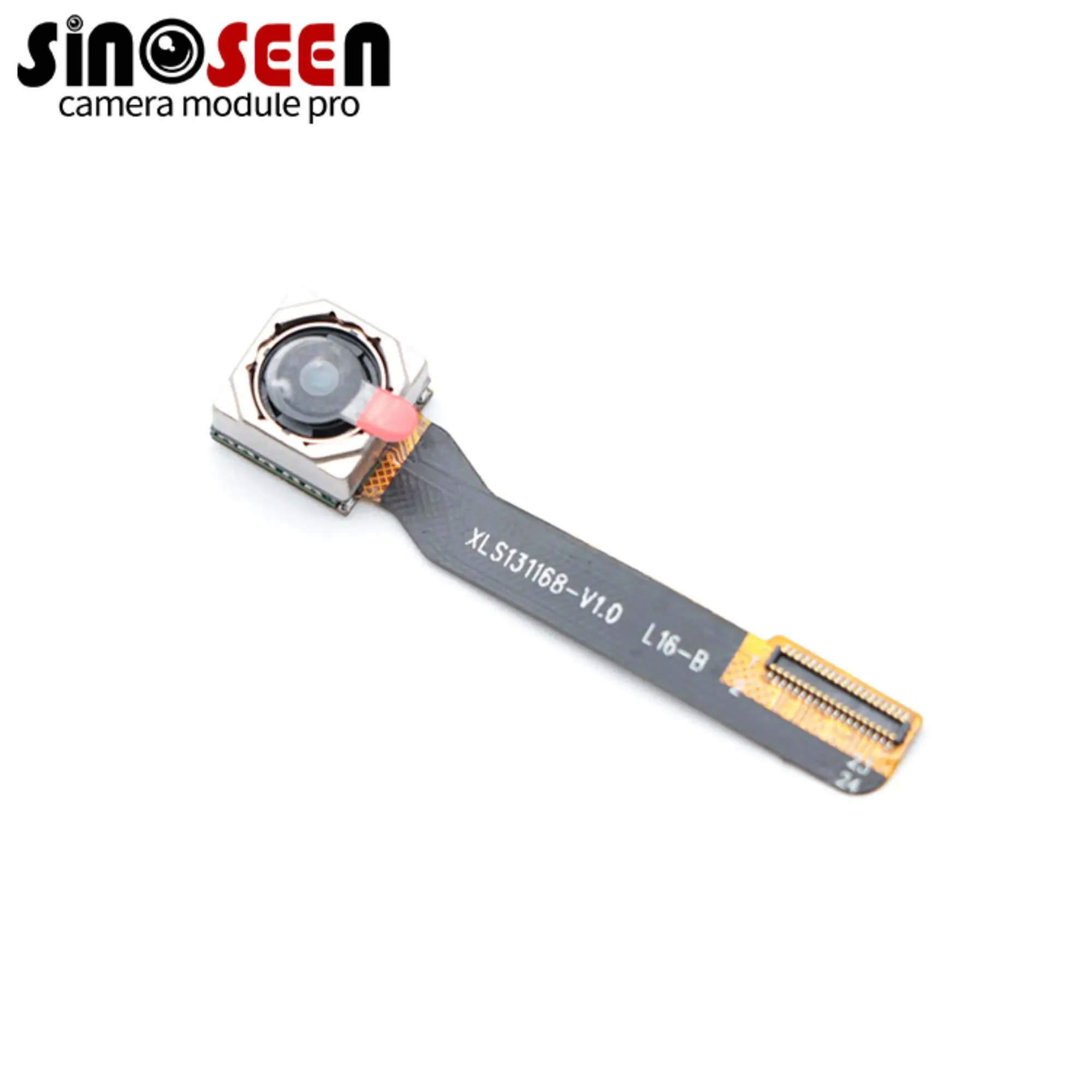
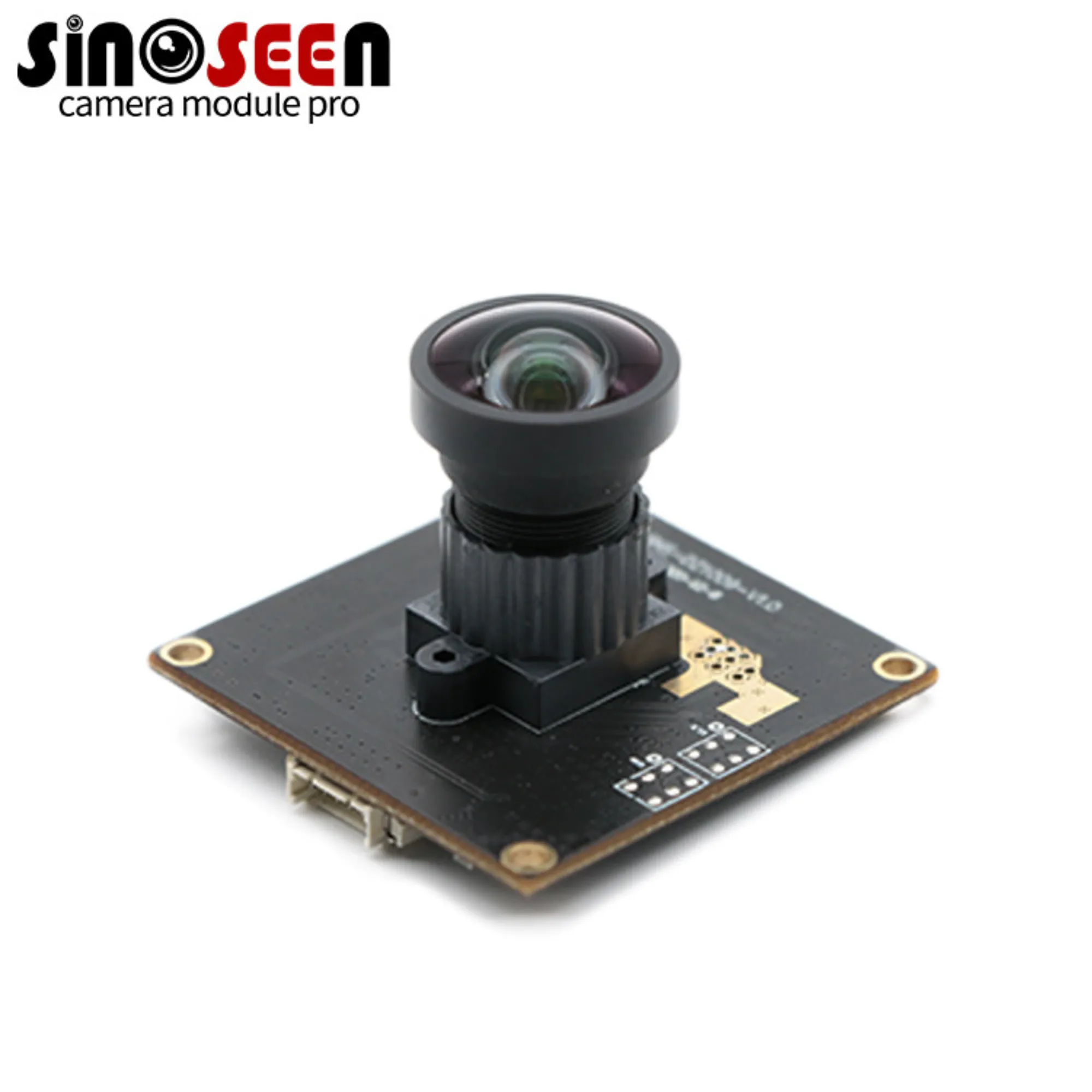
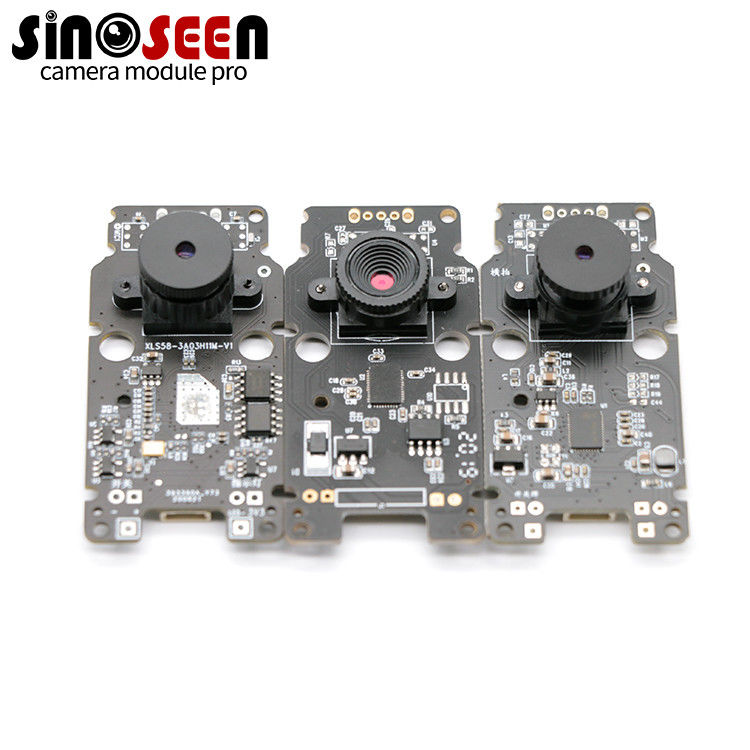
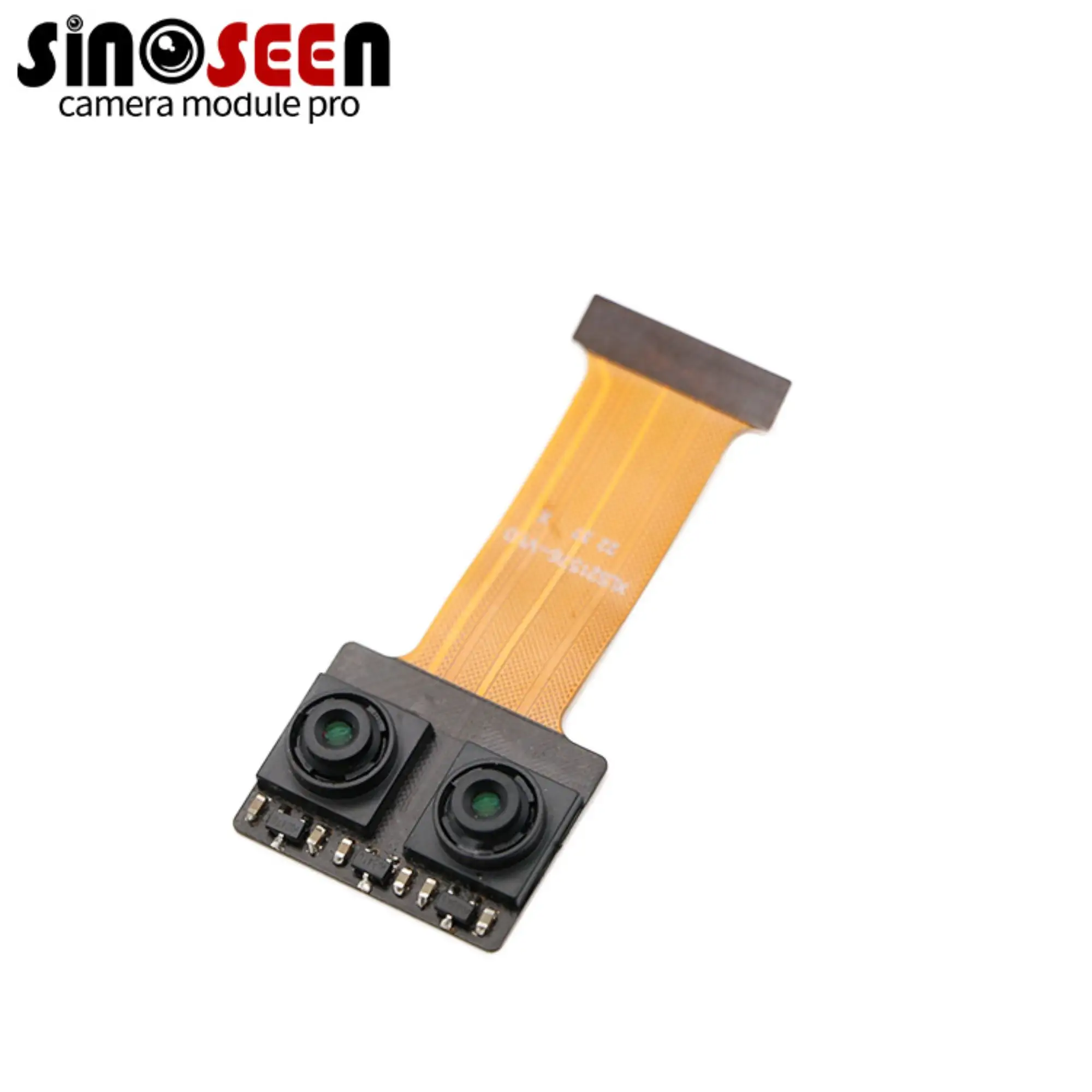
The full hd camera module offers exceptional integration flexibility through comprehensive connectivity options and standardized interfaces that accommodate diverse application requirements across multiple industries and use cases. Modern camera modules support various digital communication protocols including USB 2.0, USB 3.0, MIPI CSI-2, and parallel interfaces, enabling seamless connection with different host processing systems and embedded platforms. This interface diversity ensures that developers can select the most appropriate communication method based on bandwidth requirements, power constraints, and system architecture considerations. The standardized connector systems facilitate rapid prototyping and reduce development time by eliminating the need for custom interface solutions. Software compatibility extends across multiple operating systems including Linux, Windows, Android, and embedded real-time operating systems, providing developers with maximum flexibility in platform selection. Comprehensive software development kits include driver packages, application programming interfaces, and example code that accelerate integration processes and reduce learning curves for development teams. The full hd camera module supports various mounting configurations including board-mount options, cable-connected assemblies, and custom mechanical interfaces that adapt to specific physical constraints and design requirements. Flexible cable lengths and connector orientations accommodate installations where the camera sensor must be positioned remotely from processing electronics. Power supply versatility allows operation from various voltage sources including USB power, battery systems, and external power adapters, making the camera module suitable for both portable and stationary applications. Advanced power management features include sleep modes and dynamic power scaling that optimize energy consumption based on operational requirements. The modular design philosophy enables customization of lens assemblies, sensor configurations, and processing capabilities to meet specific performance targets without requiring complete system redesigns. Field-upgradeable firmware capabilities ensure that camera modules can receive performance enhancements and feature additions throughout their operational lifetime. This upgrade capability protects investments in deployed systems and extends product lifecycles by enabling adaptation to evolving requirements and technological advances.

 EN
EN
 AR
AR
 DA
DA
 NL
NL
 FI
FI
 FR
FR
 DE
DE
 EL
EL
 HI
HI
 IT
IT
 JA
JA
 KO
KO
 NO
NO
 PL
PL
 PT
PT
 RO
RO
 RU
RU
 ES
ES
 SV
SV
 TL
TL
 IW
IW
 ID
ID
 SR
SR
 VI
VI
 HU
HU
 TH
TH
 TR
TR
 FA
FA
 MS
MS
 IS
IS
 AZ
AZ
 UR
UR
 BN
BN
 HA
HA
 LO
LO
 MR
MR
 MN
MN
 PA
PA
 MY
MY
 SD
SD