
 EN
EN
 AR
AR
 DA
DA
 NL
NL
 FI
FI FR
FR
 DE
DE EL
EL
 HI
HI
 IT
IT JA
JA
 KO
KO
 NO
NO PL
PL PT
PT RO
RO
 RU
RU
 ES
ES
 SV
SV
 TL
TL
 IW
IW
 ID
ID
 SR
SR
 VI
VI
 HU
HU
 TH
TH
 TR
TR
 FA
FA
 MS
MS
 IS
IS
 AZ
AZ
 UR
UR
 BN
BN
 HA
HA
 LO
LO
 MR
MR
 MN
MN
 PA
PA
 MY
MY
 SD
SD

Hur förbättrar autofokus-teknik videouppspelningskvaliteten
Modern videoproduktion kräver exceptionell skärpa och precision, vilket gör tekniken för autostyrda fokuseringsmoduler till en avgörande komponent i professionella insystem. Utvecklingen av automatiserade fokuseringsmekanismer har revolutionerat hur innehållsskapare, bevakningspersonal och industriella tillämpningar uppnår konsekvent bildkvalitet utan manuellt ingripande. Denna sofistikerade teknik säkerställer att motiv förblir skarpa och välavgränsade under hela inspelningssessionerna, vilket eliminerar de vanliga problemen som är förknippade med manuella fokusjusteringar och som kan störa arbetsflödet och försämra den visuella kvaliteten.
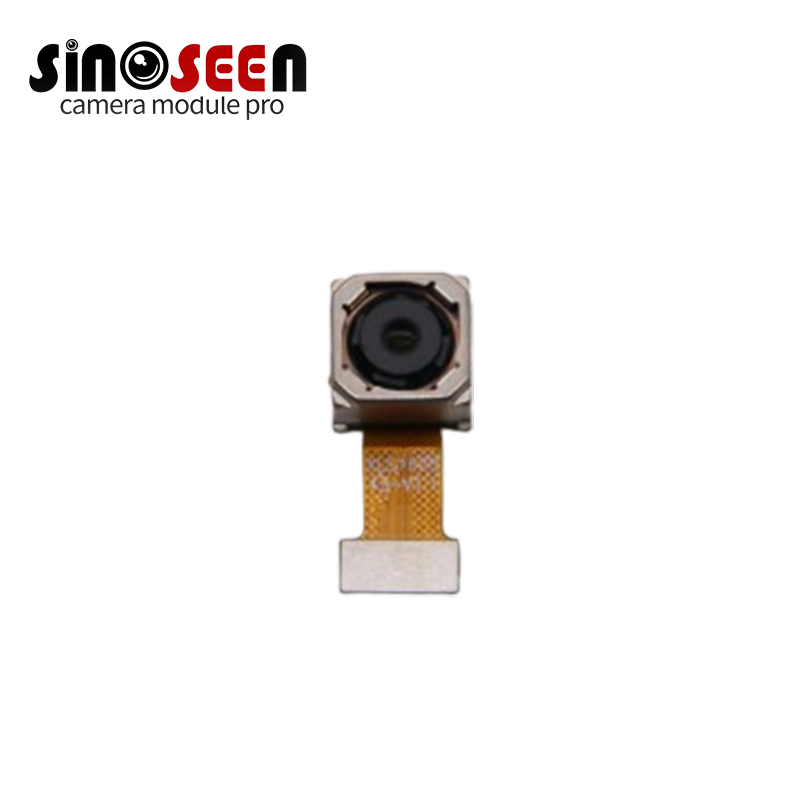
Integrationen av avancerade fokuseringsalgoritmer med högupplösta sensorer har förändrat videouppspelningsförmågor inom flera branscher. Från sändningsstudior till säkerhetsinstallationer påverkar tillförlitligheten i automatiserade fokussystem direkt kvaliteten och användbarheten hos inspelat material. Att förstå hur dessa teknologier fungerar tillsammans ger värdefulla insikter om hur man väljer lämplig utrustning för specifika inspelningskrav och optimerar prestanda under olika miljöförhållanden.
Teknisk grund för autofokussystem
Fasdetekteringsmekanismer
Fasdetektering representerar den mest sofistikerade metoden för automatisk fokusering i moderna kameramoduler. Denna teknik använder dedikerade fotodioder placerade över sensorytan för att mäta infallande ljusstrålars konvergensvinkel. När en bild är perfekt fokuserad sammanfaller ljusstrålarna från varje punkt på motivet exakt i sensornivån, vilket skapar optimal fasjustering som systemet kan upptäcka och bibehålla.
Hastigheten och precisionen hos fasdetekteringssystem överstiger traditionella kontrastbaserade metoder avsevärt, särskilt i utmanande belysningsförhållanden. Avancerade implementationer kan uppnå fokuslås inom millisekunder, vilket säkerställer att snabbt rörliga motiv förblir skarpa under inspelningssekvenser. Denna snabba reaktionsförmåga är avgörande i tillämpningar där motivets rörelse är oförutsägbar eller när inspelningsmiljöer förändras ofta.
Moderna fashämtningssystem integrerar maskininlärningsalgoritmer som anpassar sig till återkommande fokuseringsmönster och miljöförhållanden. Dessa intelligenta system lär sig av tidigare fokuseringsbeslut och förbättrar gradvis precisionen samt minskar sökande beteende som kan orsaka störande fokusförskjutningar under kritiska inspelningstillfällen.
Kontrasthämtningsintegration
Kontrasthämningsteknik kompletterar fashämning genom att analysera kantnitsighet och tonala övergångar i den inlagda bilden. Denna metod utvärderar kontinuerligt kontrastnivåerna över flera fokuspunkter och söker den position där kantdefinitionen uppnår maximal skärpa. Även om denna metod traditionellt är långsammare än fashämning, kombinerar moderna implementationer båda teknologierna för ökad tillförlitlighet och precision.
Hybridmetoden utnyttjar hastigheten i fasdetektering för initial fokusering samtidigt som kontrastdetektering används för finjustering och verifiering. Denna dubbla metodik säkerställer konsekvent prestanda under varierande ljusförhållanden och olika motivtyper, särskilt vid lågkontrastscener eller motiv med upprepade mönster som kan förvirra system med enkel metod.
Avancerade kontrastdetekteringsalgoritmer kan skilja mellan verkliga fokushöjningar och falska toppar orsakade av bildbrus eller störningsmönster. Denna förmåga att skilja förhindrar att systemet gör felaktiga fokusjusteringar som kan försämra bildkvaliteten under kritiska inspelningsserier.
Bildkvalitetsförbättring genom automatiserad fokusering
Djupskärhanttering
Sofistikerade autokontrastkameramodulsystem ger exakt kontroll över skärpedjupskarakteristika, vilket gör att operatörer kan uppnå specifika kreativa eller tekniska mål. Möjligheten att bibehålla konsekvent fokus över förbestämda skärpedjupsområden säkerställer att motiv förblir skarpa medan bakgrundselement uppnår lämpliga oskärpegrad för visuell separation och estetisk förbättring.
Professionella tillämpningar drar nytta av programmerbara skärpedjupinställningar som kan justeras beroende på scenkrav och inspelningsmål. Dessa system kan automatiskt växla mellan konfigurationer med grunt och djupt skärpedjup, samtidigt som de bibehåller optimal bildkvalitet och anpassar sig till föränderliga avstånd till motiv och kompositionskrav under längre inspelningssessioner.
Integrationen av avancerad optik med intelligenta fokuseringsalgoritmer möjliggör realtidsavbildning av djup och fokusspårning i komplexa tredimensionella scener. Denna funktion är särskilt värdefull i tillämpningar som kräver samtidig spårning av flera objekt på olika avstånd från kamerapositionen.
Rörelsespårningsförmåga
Moderna fokussystem innehåller sofistikerade rörelseprediktionsalgoritmer som förutsäger objektrörelsers mönster och anpassar fokusparametrar därefter. Dessa prediktiva förmågor säkerställer smidiga fokusövergångar som bibehåller bildskärpan även när objekt rör sig snabbt eller oregelbundet inom inspelningens ram.
Marknaden auto focus kameramodul tekniken använder flera fokuspunkter fördelade över sensorytan för att spåra objekt som rör sig genom olika delar av bilden. Denna multipunkts-spårningsförmåga förhindrar att fokus förloras när objekt går mellan förgrund och bakgrund eller rör sig sidledes över inspelningsområdet.
Avancerade rörelseuppfångningssystem kan skilja på avsiktlig objektrörelse och kameraskakningar eller vibrationer, och tillämpar lämplig kompensation för att bibehålla en stabil fokuslåsning. Denna förmåga att skilja är avgörande vid inspelning för hand eller när kameror är monterade på rörliga plattformar där yttre rörelser annars kan störa fokusspridningen.
Professionella tillämpningar och branschfördelar
Direktsändning och innehållsskapande
Professionella direktsändningsmiljöer kräver oböjlig fokuskonsekvens under hela liveproduktioner och skapandet av inspelat innehåll. Teknologin för autofokus-kameramoduler gör att kamerapersonal kan fokusera på bildkomposition och timing, samtidigt som de har förtroende för att bildskärpan kommer att förbli optimal oavsett objektrörelse eller miljöförändringar.
Produktioner med flera kameror drar stora nytta av automatiserade fokussystem som säkerställer konsekvent bildkvalitet över alla inspelningsvinklar. Möjligheten att synkronisera fokusparametrar mellan flera kameror skapar sömlösa övergångar under redigering och bibehåller visuell kontinuitet, vilket förbättrar tittarupplevelsen och produktionsvärdet.
Möjligheterna till fjärrproduktion har utvidgats kraftigt tack vare integreringen av intelligenta fokussystem som kan fungera effektivt utan teknisk personal på plats. Dessa system ger tillförlitlig prestanda i utmanande förhållanden samtidigt som driftskostnaderna minskar och kreativa möjligheter ökar för innehållsskapare som arbetar i mångskiftande miljöer.
Säkerhets- och övervakningsimplementation
Säkerhetsapplikationer kräver konsekvent bildkvalitet under förlängda driftsperioder, ofta i utmanande miljöförhållanden med varierande ljusnivåer och väderpåverkan. Automatiska fokuseringssystem säkerställer att övervakningsfilm bibehåller bevisvärd kvalitet oavsett förändrade förhållanden eller justeringar av utrustningens position.
Integrationen av intelligent fokusering med rörelsedetekteringssystem skapar omfattande övervakningslösningar som automatiskt anpassar sig för att spåra och bibehålla fokus på objekt av intresse. Denna funktion förbättrar säkerhetens effektivitet samtidigt som behovet av kontinuerlig mänsklig övervakning och manuella justeringar minskar, vilket kan kompromettera täckningen under kritiska ögonblick.
Avancerade övervakningsimplementationer använder teknik för kameramoduler med automatisk fokus för att tillhandahålla tydliga identifieringsmöjligheter på olika avstånd och under varierande ljusförhållanden. Förmågan att snabbt justera fokusparametrar baserat på hotbedömningsalgoritmer säkerställer att viktiga detaljer förblir synliga och användbara för säkerhetsanalys och dokumentationsändamål.
Tekniska specifikationer och prestandaegenskaper
Svarstid och noggrannhetsmått
Moderna automatiserade fokussystem uppnår fokuseringstider som mäts i millisekunder, där högpresterande implementationer kan upprätta korrekt fokus inom 50–100 millisekunder under optimala förhållanden. Dessa snabba svarsförmågor säkerställer att inspelningsmöjligheter inte missas på grund av fokusfördröjningar, särskilt viktigt i snabbt rörande produktionsmiljöer.
Fokussikhets-specifikationer indikerar vanligtvis precision inom bråkdelar av skärpedjupet vid maximala bländarinställningar. Denna nivå av noggrannhet säkerställer att motiv förblir skarpa över hela det användbara fokusområdet samtidigt som konsekvent prestanda bibehålls under varierande miljöförhållanden och motivegenskaper.
Repeterbarhetsmätningar visar systemets förmåga att återvända till tidigare etablerade fokuspositioner med minimal variation. Denna konsekvens är avgörande i tillämpningar som kräver exakt fokusplacering eller när man återgår till förbestämda inställningar efter tillfälliga justeringar för specifika inspelningskrav.
Egenskaper för anpassning till miljö
Avancerade fokussystem inkluderar miljösensorer som övervakar temperatur, fuktighet och vibrationsnivåer för att automatiskt optimera prestandaparametrar. Dessa adaptiva funktioner säkerställer konsekvent drift under varierade förhållanden utan behov av manuell omkalibrering eller prestandakompromisser.
Förbättringar av prestanda i svagt ljus använder infraröd hjälp och avancerad signalbehandling för att bibehålla fokusnoggrannhet i utmanande belysningsförhållanden. Dessa funktioner utökar driftsperioderna för säkerhetsapplikationer och möjliggör innehållsskapande i miljöer som annars skulle kräva omfattande belysningsutrustning.
Väderhållfasthet och hållbarhetsspecifikationer säkerställer tillförlitlig drift i utomhusapplikationer där miljöfaktorer annars kan kompromettera fokuseringsprestanda. Dessa robusta implementationer bibehåller driftsäkerheten vid temperaturgränser, fuktutsättning och mekanisk påfrestning som är typiska för krävande fältapplikationer.
Framtida utveckling och tekniktrender
Integrering av artificiell intelligens
Maskininlärningsalgoritmer integreras alltmer i autokontrastkameramodulernas design för att förbättra prestanda genom adaptiv inlärning och prediktiva funktioner. Dessa intelligenta system analyserar fokuseringsmönster och miljöförhållanden för att automatiskt optimera parametrar, vilket förbättrar noggrannheten och minskar svarstiderna genom samlad driftserfarenhet.
Implementering av neurala nätverk möjliggör avancerad scenanalys som kan skilja mellan olika typer av objekt och anpassa fokuseringsstrategier därefter. Denna intelligens gör att system kan optimera prestanda för specifika tillämpningar, oavsett om det gäller att spåra människor, fordon eller andra objekt med distinkta rörelse- och fokusegenskaper.
Integration av edge-beräkning tar med avancerad databehandling direkt till kameramodulens nivå, vilket minskar latens och möjliggör realtidsbeslut utan beroende av externa bearbetningsresurser. Denna distribuerade intelligens förbättrar systemets tillförlitlighet samtidigt som den möjliggör mer sofistikerade fokuseringsalgoritmer i kompakta format.
Framsteg inom sensorteknik
Sensorer av nästa generation har integrerade fokuseringsfotodioder i högre täthet, vilket ger mer exakt fokuseringsdetektering över större delar av bildområdet. Dessa förbättrade sensorer möjliggör noggrannare spårning av objekt som rör sig genom komplexa tredimensionella utrymmen samtidigt som optimal bildkvalitet bibehålls.
Fokusering med flera spektrala band använder information från infraröda och ultravioletter våglängder för att förbättra fokuseringsnoggrannheten i svåra förhållanden där synligt ljus ensamt kan vara otillräckligt. Denna utökade spektralkänslighet säkerställer tillförlitlig funktion under mångskiftande miljöförhållanden och olika objektegenskaper.
Kvantpunkter och avancerade halvledarteknologier lovar ytterligare förbättringar i känslighet och hastighet, vilket gör att fokuseringssystem kan fungera effektivt i extrema mörkerförhållanden samtidigt som snabba responstider bibehålls – avgörande för professionella tillämpningar.
Vanliga frågor
Hur skiljer sig autofokustekniken från manuella fokuseringssystem
Autofokus-system använder elektroniska sensorer och motoriserade linsdelar för att automatiskt uppnå fokus, medan manuella system kräver att operatören manuellt justerar fokuspositionen. Automatiserade system ger konsekvent noggrannhet och snabba svarstider som eliminerar mänskliga fel och möjliggör snabbare arbetsflöden i professionella tillämpningar. Moderna implementeringar av autofokus kan uppnå precision som överstiger manuella förmågor samtidigt som de fungerar kontinuerligt utan trötthet eller uppmärksamhetsbrist som kan påverka mänskliga operatörer.
Vilka faktorer påverkar autofokusprestanda i olika inspelningsmiljöer
Miljömässiga ljusförhållanden, kontrastnivåer i motivet och rörelsemönster påverkar auto-fokusens prestandaegenskaper avsevärt. Lågt ljus kan minska fokuseringshastigheten och noggrannheten, medan motiv med hög kontrast vanligtvis möjliggör snabbare och mer exakt fokusering. Temperaturvariationer kan påverka mekaniska komponenter och elektronisk känslighet, medan vibrationer och kamerarörelser kan störa fokuseringsalgoritmerna. Avancerade system innehåller kompenserande mekanismer för att bibehålla optimal prestanda under dessa varierande förhållanden.
Kan auto-fokusystem fungera effektivt med rörliga motiv
Moderna implementeringar av autofokus-kameramoduler är skickliga på att spåra rörliga objekt genom sofistikerade rörelseprediktionsalgoritmer och system med flera fokuspunkter. Dessa tekniker analyserar rörelsemönster för att förutsäga objektets position och bibehålla fokuslås under hela rörelsesekvenser. Professionella system kan skilja mellan avsiktlig objektrörelse och kameraskakning, och tillämpar lämpliga spårningsstrategier för att säkerställa konsekvent bildskärpa oavsett rörelsens komplexitet eller hastighet.
Hur påverkar autofokussystem den totala arbetsflödet i videoproduktion
Automatiserad fokusteknik förenklar videoproduktion avsevärt genom att eliminera manuella fokusjusteringar som kan avbryta inspelningens flöde och påverka timingen negativt. Operatörer kan koncentrera sig på komposition, belysning och kreativa beslut medan de samtidigt kan lita på konsekvent bildkvalitet. Produktioner med flera kameror drar nytta av synkroniserat fokus som säkerställer enhetlig kvalitet i alla inspelningsvinklar, medan möjligheter till fjärrstyrning utökar de kreativa valen och minskar personalbehovet vid komplexa produktioner.
Rekommenderade produkter
Senaste nytt
-
Kina ledande tillverkare av kameramoduler
2024-03-27
-
Den ultimata anpassningsguiden för OEM-kameramoduler
2024-03-27
-
Fördjupad förståelse för kameramoduler
2024-03-27
-
Hur minskar man kamerans upplösning?
2024-12-18