Innovative Camera Modules for Every Application | Sinoseen

All Categories

usb camera board

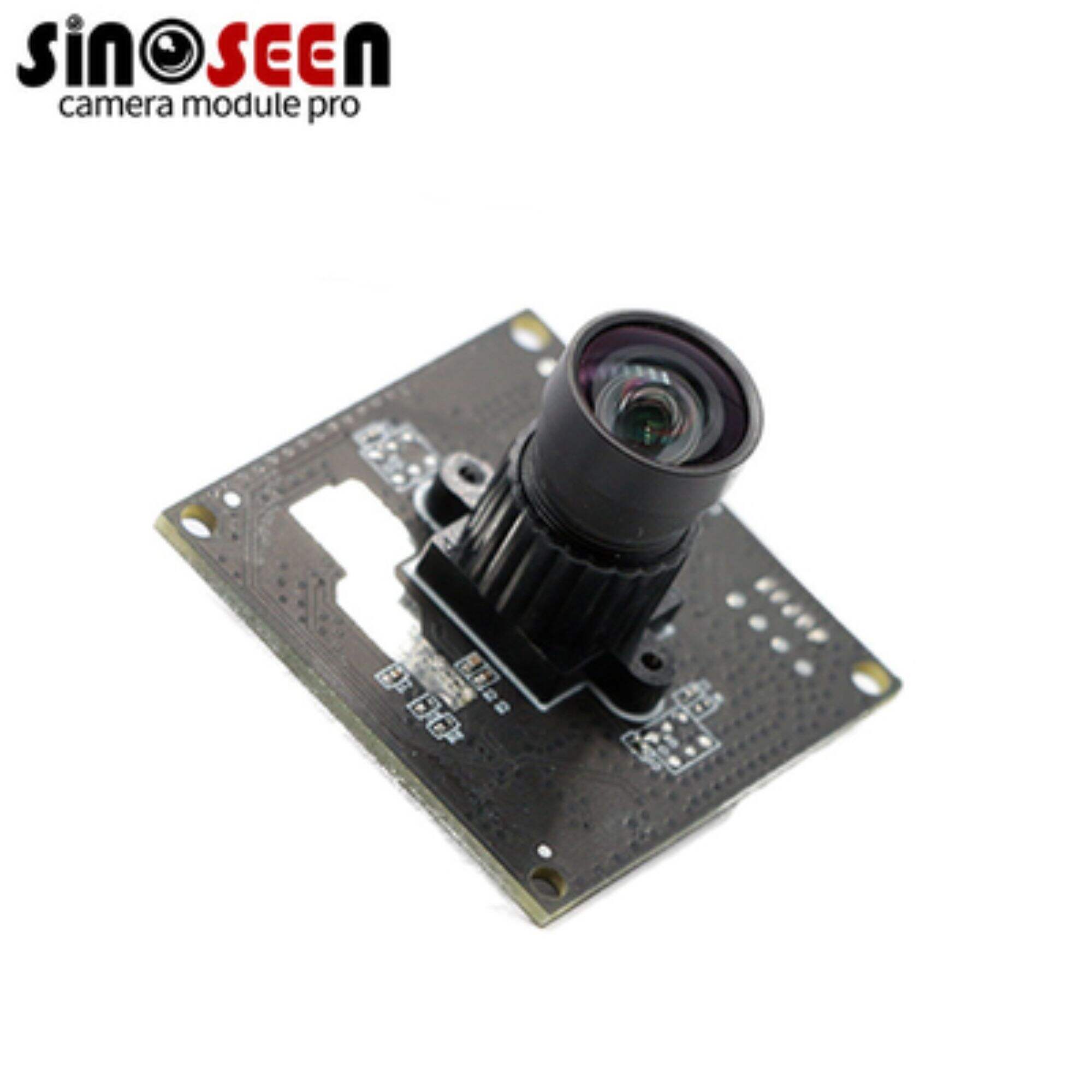
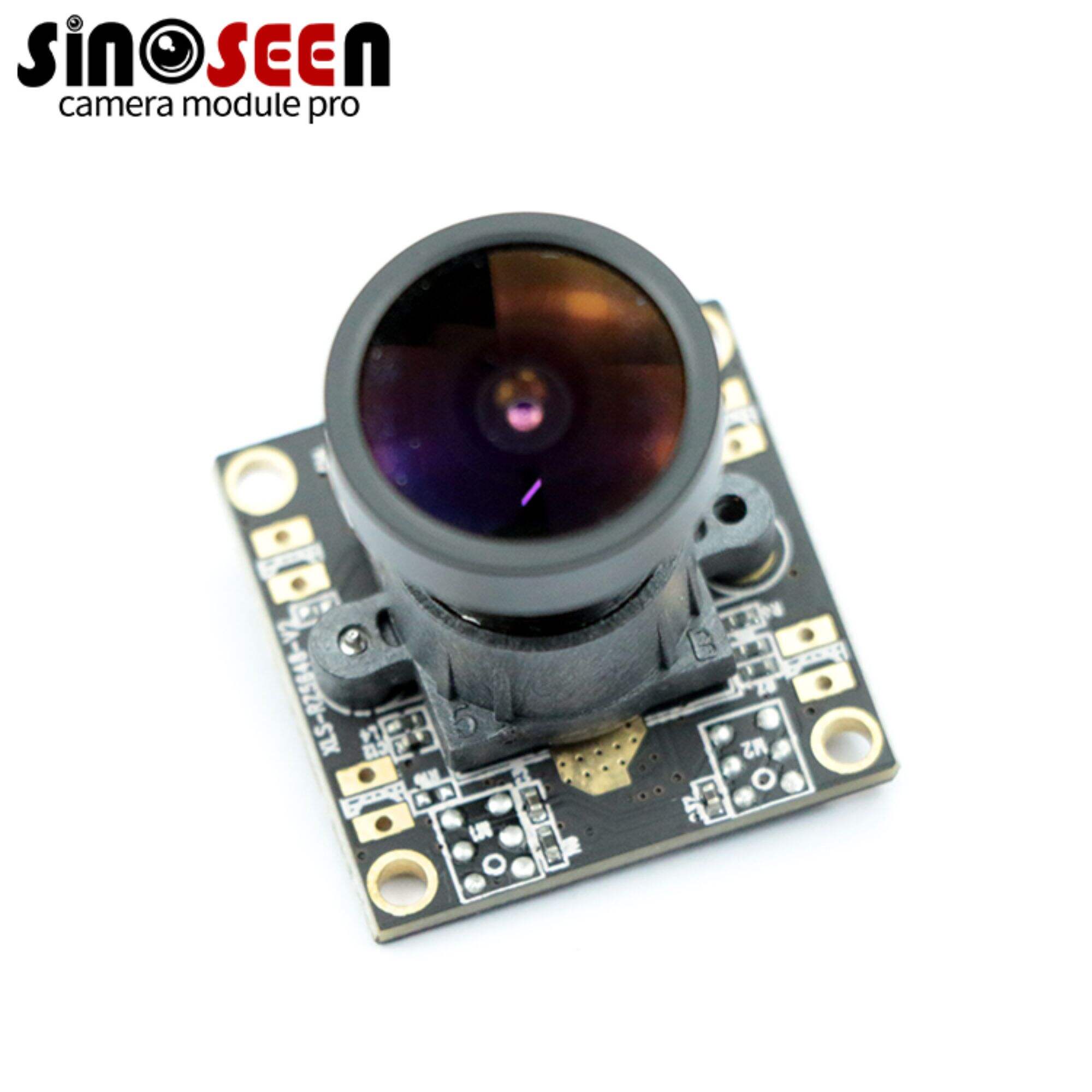
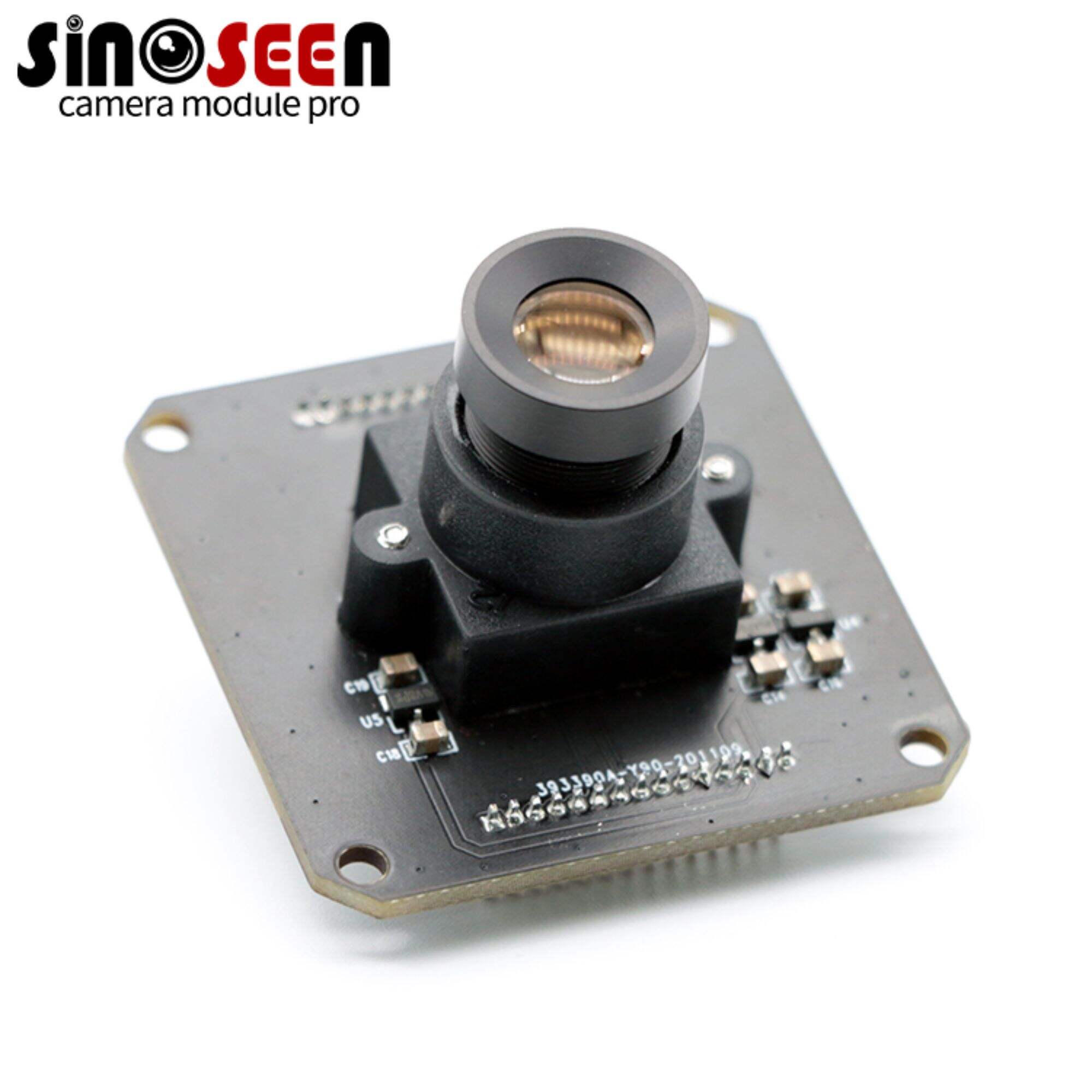
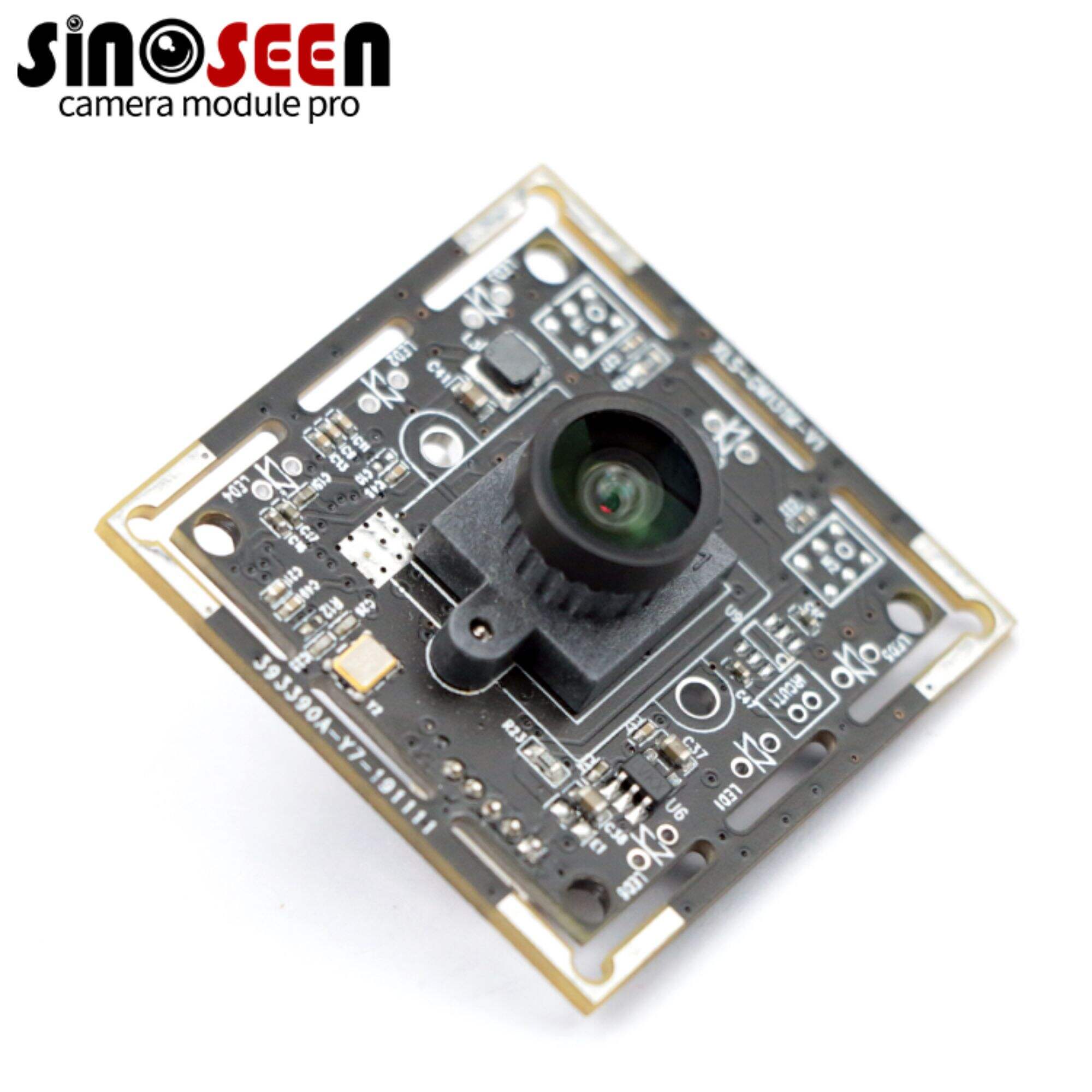
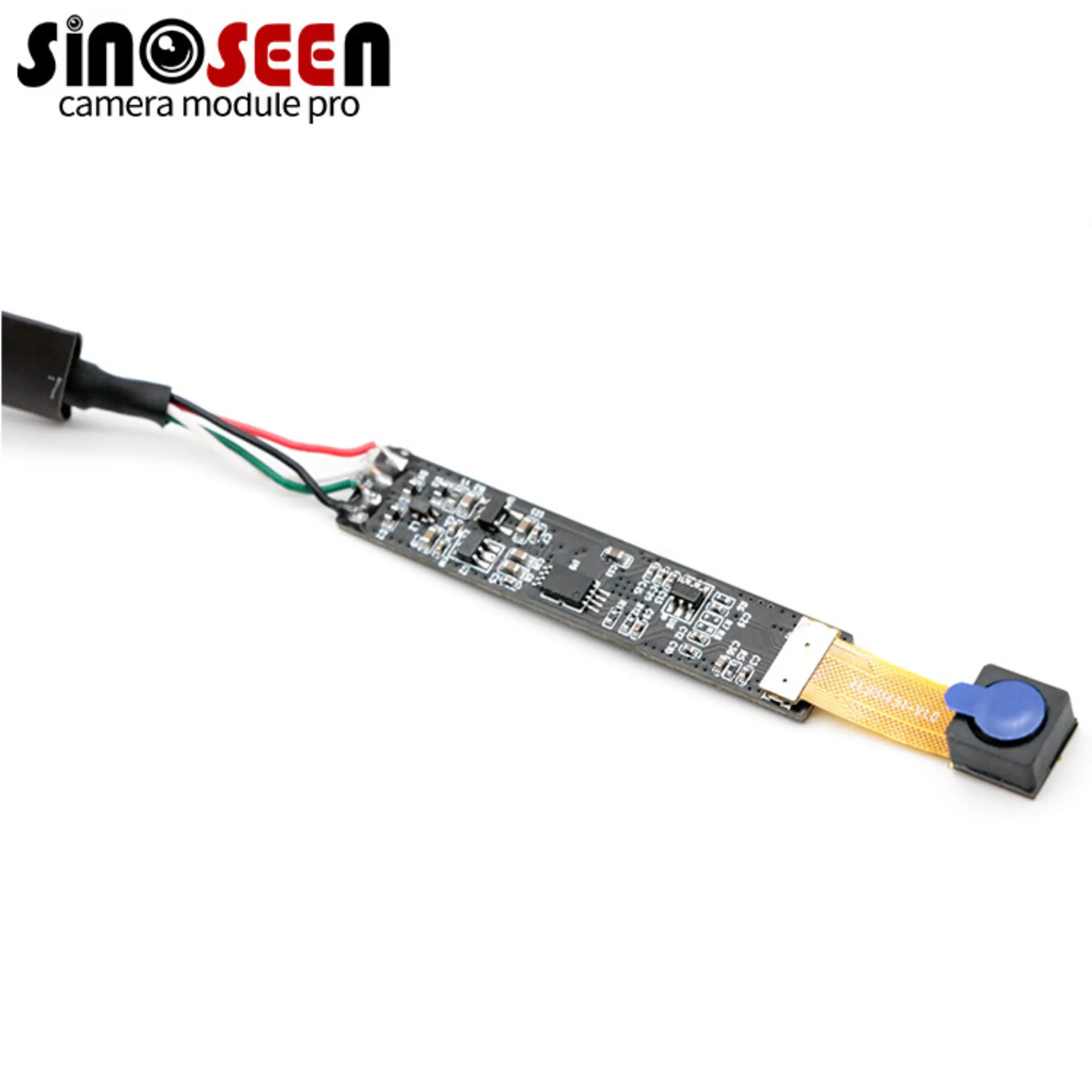
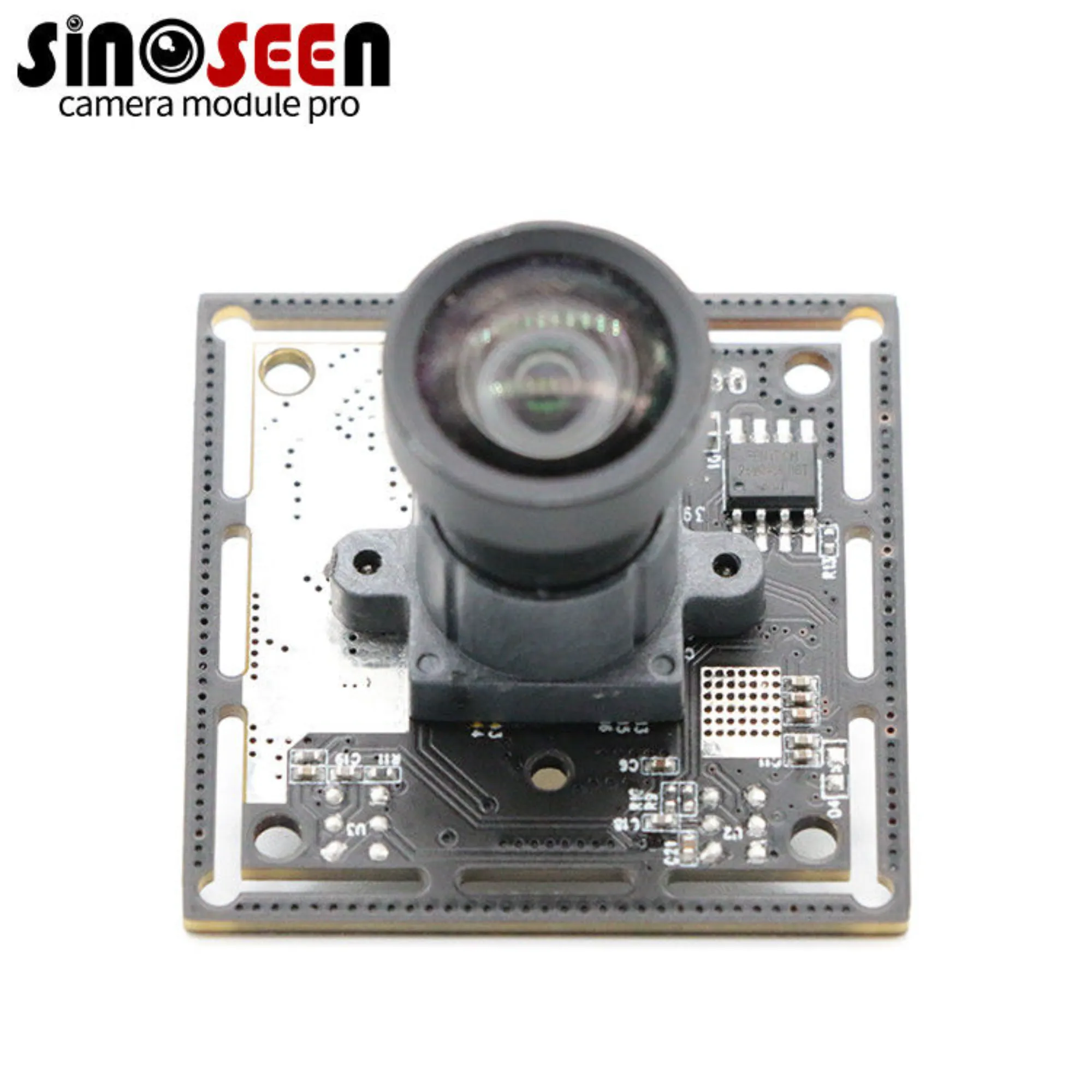
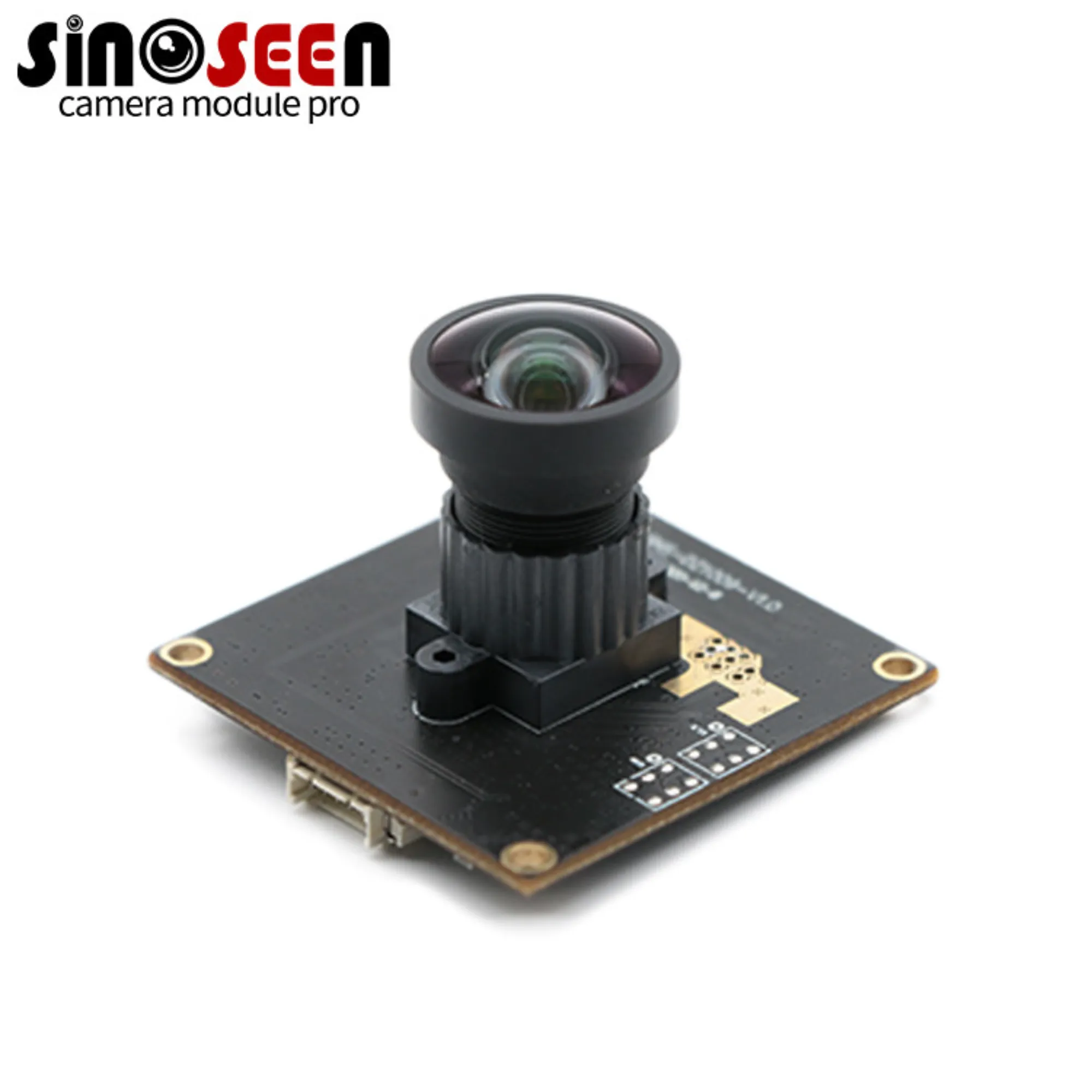
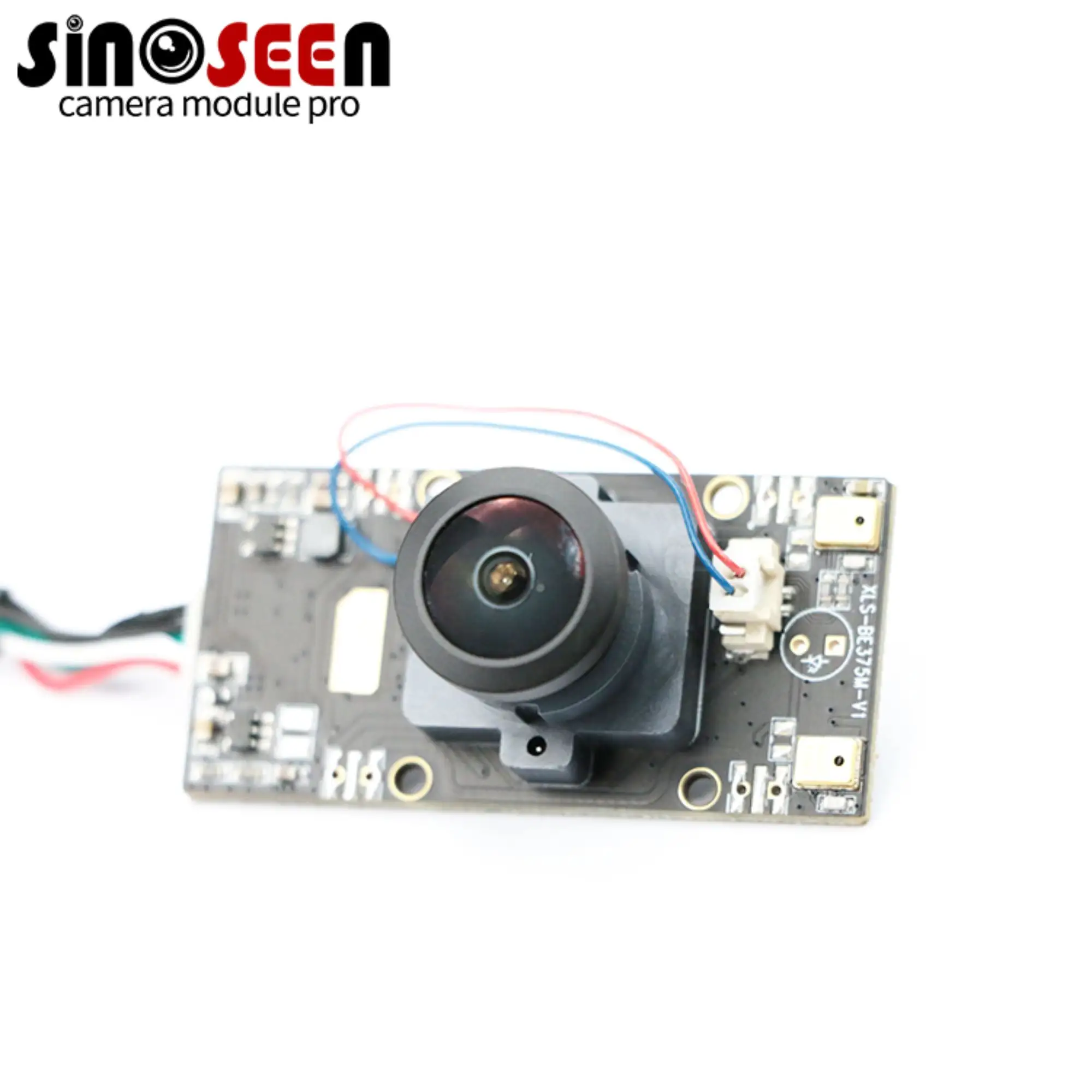
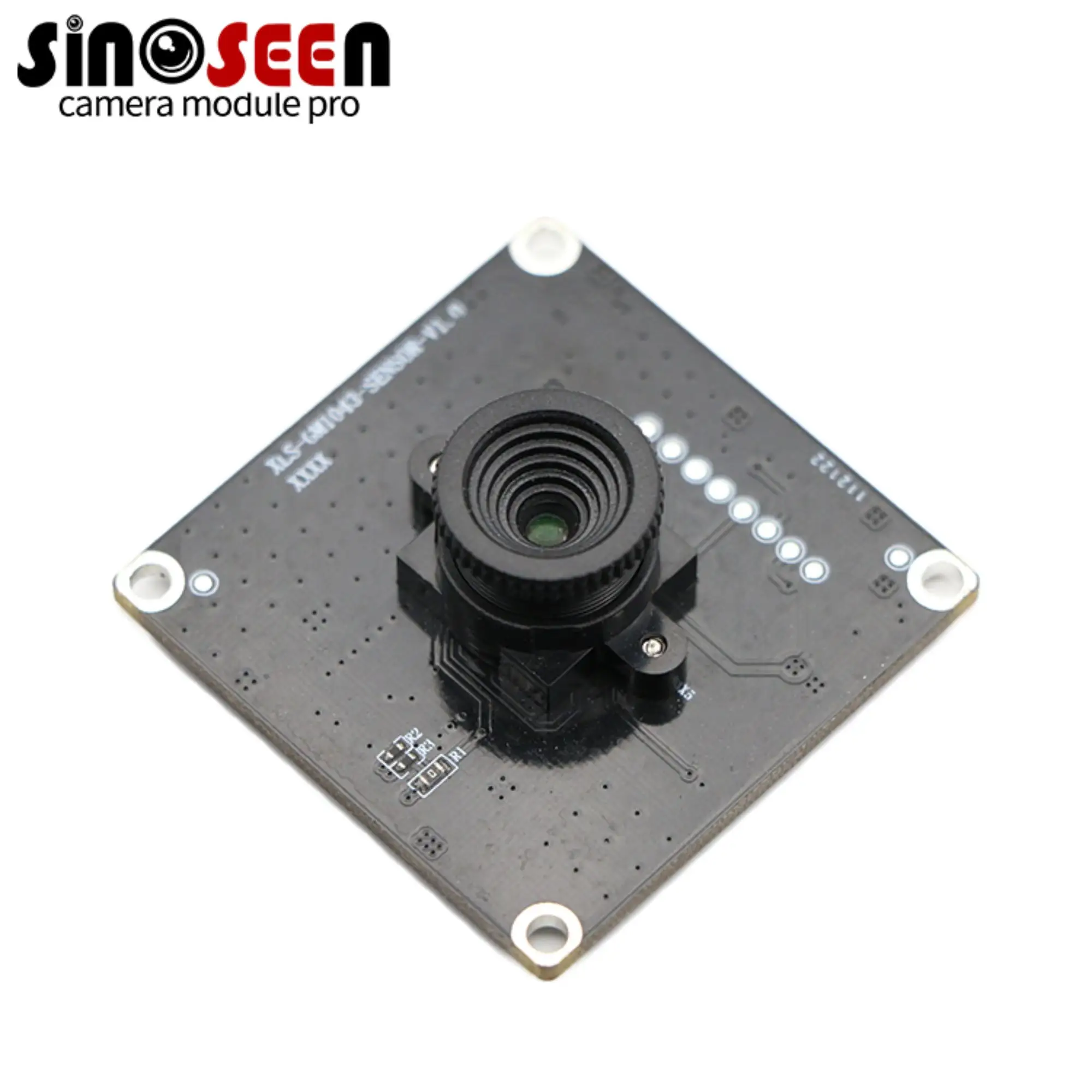
A USB camera board represents a sophisticated yet compact imaging solution that integrates essential camera components onto a single circuit board, designed for seamless connection via USB interface. This innovative hardware combines a high-quality image sensor, processing circuitry, and USB controller to deliver professional-grade video capture capabilities in an accessible format. The USB camera board serves as the foundation for various imaging applications, from security surveillance systems to industrial inspection equipment, offering developers and manufacturers a flexible platform for custom vision solutions. Modern USB camera boards feature advanced CMOS or CCD sensors capable of capturing high-definition video at various resolutions, including 1080p, 4K, and even higher specifications depending on the specific model. The integrated USB controller ensures plug-and-play compatibility with most operating systems, eliminating complex driver installations and reducing development time significantly. These boards typically support multiple video formats including MJPEG, YUV, and H.264 compression, providing versatility for different bandwidth requirements and storage needs. The compact form factor makes USB camera boards ideal for space-constrained applications while maintaining robust performance characteristics. Many models incorporate automatic exposure control, white balance adjustment, and digital image stabilization features that enhance image quality across varying lighting conditions. The USB interface provides both data transmission and power supply through a single cable connection, simplifying installation and reducing cable management complexity. Advanced USB camera boards often include additional features such as onboard memory for temporary storage, GPIO pins for external trigger functionality, and support for multiple lens options to accommodate specific focal length requirements. The modular design philosophy allows easy integration into existing systems while providing scalability for future upgrades or modifications.

New Product Recommendations

USB camera boards deliver exceptional convenience through their plug-and-play functionality, allowing users to connect devices instantly without complex setup procedures or specialized drivers. This immediate connectivity saves valuable time during installation and reduces technical support requirements significantly. The standardized USB interface ensures broad compatibility across Windows, macOS, and Linux platforms, making these boards versatile solutions for diverse computing environments. Users benefit from simplified cable management since USB connections provide both power and data transmission through a single compact cable, eliminating the need for separate power adapters or complex wiring configurations. The cost-effectiveness of USB camera boards makes professional-quality imaging accessible to smaller businesses and individual developers who previously could not afford expensive specialized camera systems. These boards offer remarkable flexibility in mounting options, with compact dimensions that fit into tight spaces where traditional cameras cannot operate effectively. The digital signal transmission inherent in USB connections provides superior image quality compared to analog alternatives, with no signal degradation over reasonable cable distances. USB camera boards support hot-swapping capabilities, allowing users to connect and disconnect devices while systems remain operational, enhancing system reliability and maintenance efficiency. The wide range of available resolutions and frame rates enables users to optimize performance for specific applications, balancing image quality with bandwidth requirements and storage capacity. Many USB camera boards include built-in image processing features that automatically adjust exposure, focus, and color balance, reducing the need for external processing equipment and simplifying system architecture. The robust digital interface provides excellent noise immunity, ensuring consistent image quality in electrically challenging environments where interference might affect analog signals. USB camera boards typically consume less power than traditional camera systems, making them suitable for battery-powered applications and energy-conscious installations. The standardized interface facilitates easy replacement and upgrades, protecting investment in existing infrastructure while allowing performance improvements over time. Software compatibility across multiple programming languages and development frameworks enables rapid application development and customization for specific user requirements.

Practical Tips

Why Choose a High-Performance Embedded Camera Module for AI Applications?

02

Mar

Why Choose a High-Performance Embedded Camera Module for AI Applications?

Artificial intelligence applications demand precision, speed, and reliability in their visual data acquisition systems. An embedded camera module serves as the critical foundation for AI-powered devices, from autonomous vehicles to smart manufacturin...
View More
 How to Select the Right AI Camera Module for Facial Recognition Systems?

02

Mar

How to Select the Right AI Camera Module for Facial Recognition Systems?

Selecting the appropriate AI camera module for facial recognition systems represents a critical decision that directly impacts system performance, accuracy, and overall operational efficiency. Modern facial recognition applications demand sophisticat...
View More
How to Integrate a Small Camera Module into Compact Medical Devices?

02

Mar

How to Integrate a Small Camera Module into Compact Medical Devices?

Medical device miniaturization continues to revolutionize healthcare, enabling less invasive procedures and improved patient outcomes. When designing compact medical equipment, integrating a small camera module requires careful consideration of space...
View More
Why do Robotics Manufacturers Prefer High-Speed AI Camera Modules?

02

Mar

Why do Robotics Manufacturers Prefer High-Speed AI Camera Modules?

The robotics industry has experienced unprecedented growth in recent years, with manufacturers increasingly demanding sophisticated vision systems that can process visual data at lightning speed. High-speed AI camera modules have emerged as the corne...
View More

Get In Touch

usb camera board

Superior Image Quality with Advanced Sensor Technology

Superior Image Quality with Advanced Sensor Technology

USB camera boards incorporate cutting-edge image sensor technology that delivers exceptional visual performance across diverse applications and environmental conditions. These sophisticated sensors utilize advanced CMOS or CCD technology to capture crisp, detailed images with outstanding color accuracy and dynamic range. The integration of high-resolution sensors enables USB camera boards to produce professional-quality video streams suitable for demanding applications such as medical imaging, scientific research, and industrial quality control. Modern USB camera boards feature sensors with pixel sizes optimized for light sensitivity, ensuring excellent performance in low-light conditions without compromising image sharpness or introducing excessive noise. The advanced sensor technology includes built-in noise reduction algorithms that process images at the hardware level, delivering clean, artifact-free video output even in challenging lighting scenarios. Many USB camera boards support multiple exposure modes, including global shutter and rolling shutter options, providing flexibility for capturing fast-moving subjects or static scenes with optimal quality. The sensor integration includes sophisticated color filter arrays that reproduce natural color tones accurately, making these boards ideal for applications requiring precise color matching or analysis. Temperature compensation features ensure consistent image quality across varying environmental conditions, maintaining color accuracy and exposure stability regardless of ambient temperature fluctuations. The USB camera board design incorporates advanced lens mounting systems that support interchangeable optics, allowing users to customize focal length, aperture, and field of view according to specific application requirements. Automatic gain control and exposure adjustment features continuously optimize image brightness and contrast, ensuring optimal visibility without manual intervention. The sophisticated image processing pipeline includes real-time enhancement features such as edge sharpening, contrast enhancement, and gamma correction that improve visual quality automatically. These technological advances make USB camera boards capable of producing broadcast-quality video output while maintaining the simplicity and affordability that makes them accessible to a wide range of users and applications.
Seamless Integration and Universal Compatibility

Seamless Integration and Universal Compatibility

The USB camera board excels in providing effortless integration capabilities that streamline deployment across various platforms and applications without requiring extensive technical expertise or specialized installation procedures. This universal compatibility stems from adherence to standard USB protocols that ensure immediate recognition by most operating systems and software applications. The plug-and-play functionality eliminates complex driver installation processes, allowing users to connect USB camera boards and begin capturing video within seconds of connection. This seamless integration extends to software compatibility, with USB camera boards supporting standard video capture APIs that work with popular programming languages including Python, C++, Java, and web-based applications. The standardized interface design enables easy integration with existing surveillance systems, industrial automation equipment, and custom software solutions without requiring extensive system modifications or specialized adapters. USB camera boards maintain backward compatibility with older USB standards while supporting the enhanced bandwidth and features of newer USB specifications, ensuring longevity and future-proofing for installations. The universal mounting options available with most USB camera boards accommodate various physical installation requirements, from desktop mounting to industrial enclosures, providing flexibility for diverse deployment scenarios. Cross-platform compatibility ensures that applications developed on one operating system can easily transfer to others without significant code modifications or compatibility issues. The standardized communication protocols enable remote monitoring and control capabilities through network connections, allowing users to access USB camera board functionality from distant locations. Integration with cloud-based services and streaming platforms requires minimal configuration, enabling rapid deployment of remote monitoring solutions. The compatibility extends to various video conferencing applications, streaming software, and content creation tools, making USB camera boards versatile solutions for professional broadcasting and communication needs. Third-party software support includes integration with popular surveillance management systems, machine vision platforms, and scientific imaging applications. The open-standard approach facilitates custom application development while maintaining compatibility with existing infrastructure investments, protecting user investments while enabling future expansion and enhancement possibilities.
Cost-Effective Professional Performance

Cost-Effective Professional Performance

USB camera boards deliver professional-grade imaging capabilities at a fraction of the cost associated with traditional camera systems, making high-quality video capture accessible to businesses and individuals with limited budgets. This cost-effectiveness comes without compromising essential features, as USB camera boards incorporate many advanced capabilities typically found only in expensive specialized cameras. The economic advantage extends beyond initial purchase price to include reduced installation costs, simplified maintenance requirements, and lower total cost of ownership over the device lifecycle. Unlike complex camera systems requiring specialized technicians for installation and configuration, USB camera boards can be deployed by general IT personnel or even end-users, significantly reducing labor costs and deployment time. The elimination of additional hardware requirements such as capture cards, power supplies, and signal converters further reduces system costs while simplifying procurement and inventory management. USB camera boards require minimal ongoing maintenance due to their solid-state design and lack of moving parts, reducing service costs and system downtime compared to mechanical camera systems. The standardized interface eliminates the need for proprietary cables and connectors, reducing replacement costs and ensuring spare parts availability from multiple suppliers. Energy efficiency characteristics of USB camera boards result in lower operating costs, particularly important for installations requiring multiple camera units or battery-powered applications. The scalability of USB camera board solutions enables cost-effective expansion, as additional units can be added without requiring expensive infrastructure upgrades or specialized networking equipment. Software licensing costs remain minimal since USB camera boards work with standard operating system drivers and open-source applications, avoiding recurring license fees associated with proprietary camera systems. The competitive marketplace for USB camera boards ensures continued price optimization while driving innovation in features and performance, benefiting end users through improved value propositions. Bulk purchasing opportunities and volume discounts make USB camera boards even more economical for large-scale deployments. The reduced complexity of USB camera board systems minimizes training requirements for staff, further reducing operational costs while improving system reliability and user satisfaction across various applications and industries.

Related Search

Get in touch