Innovative Camera Modules for Every Application | Sinoseen

All Categories

esp32 camera board module

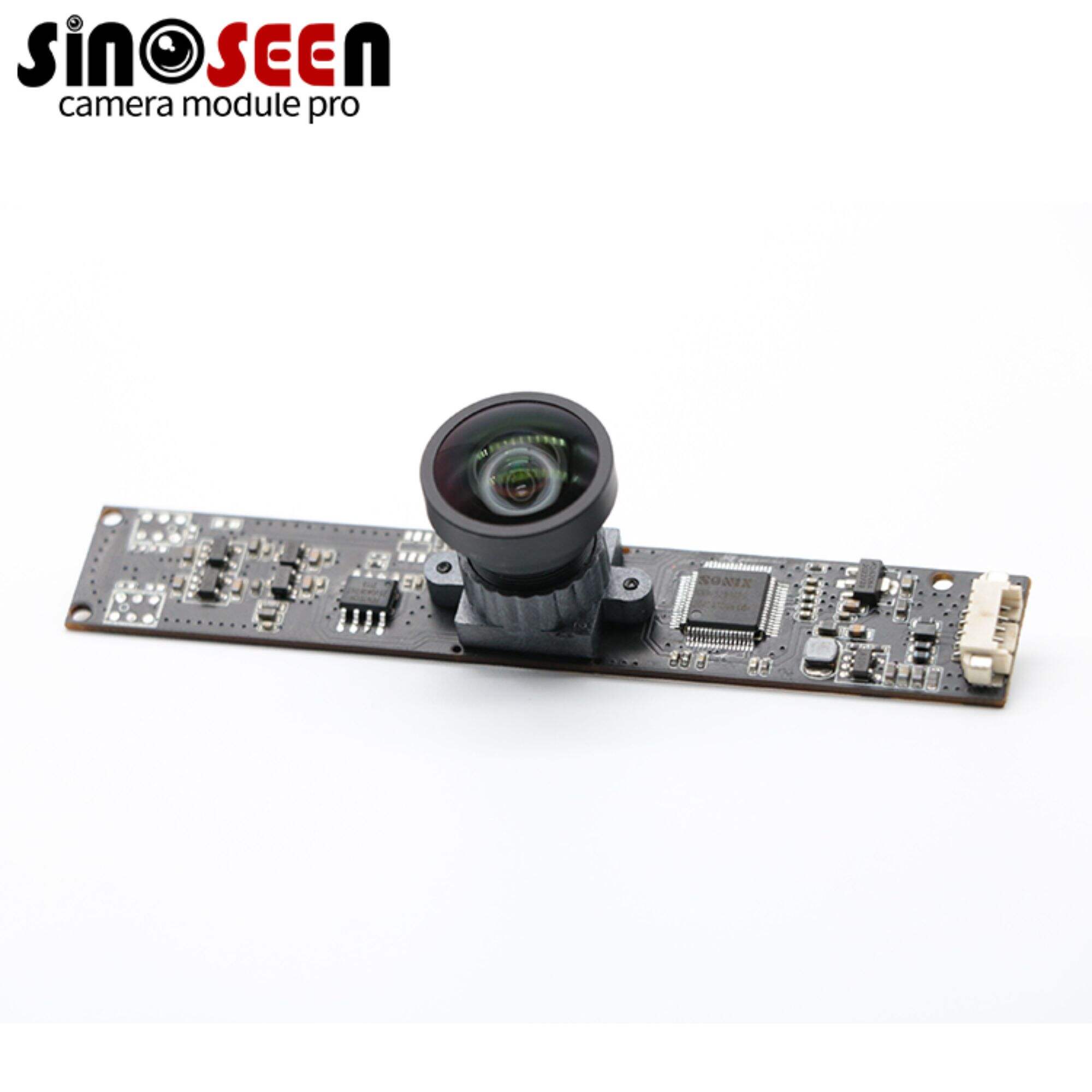
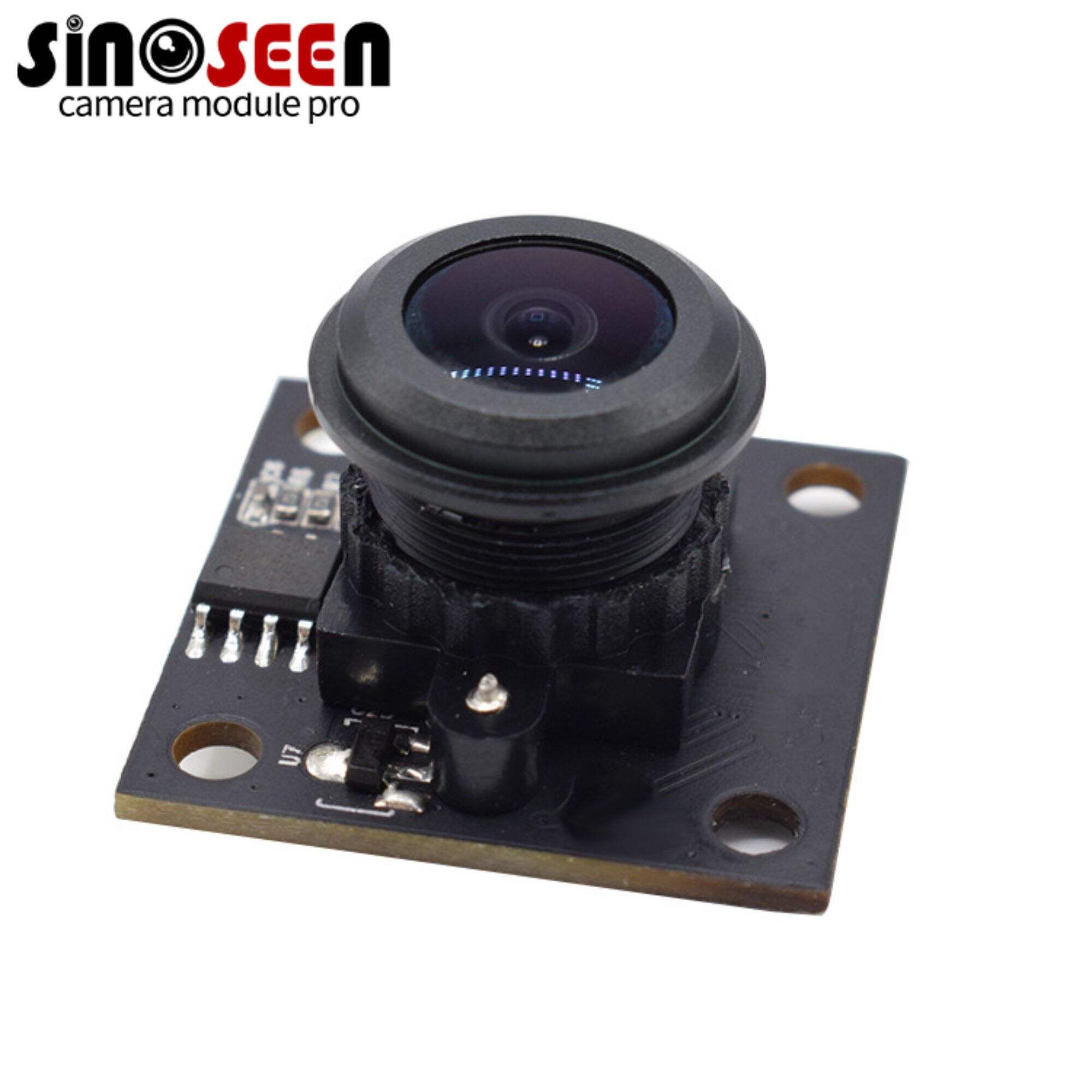
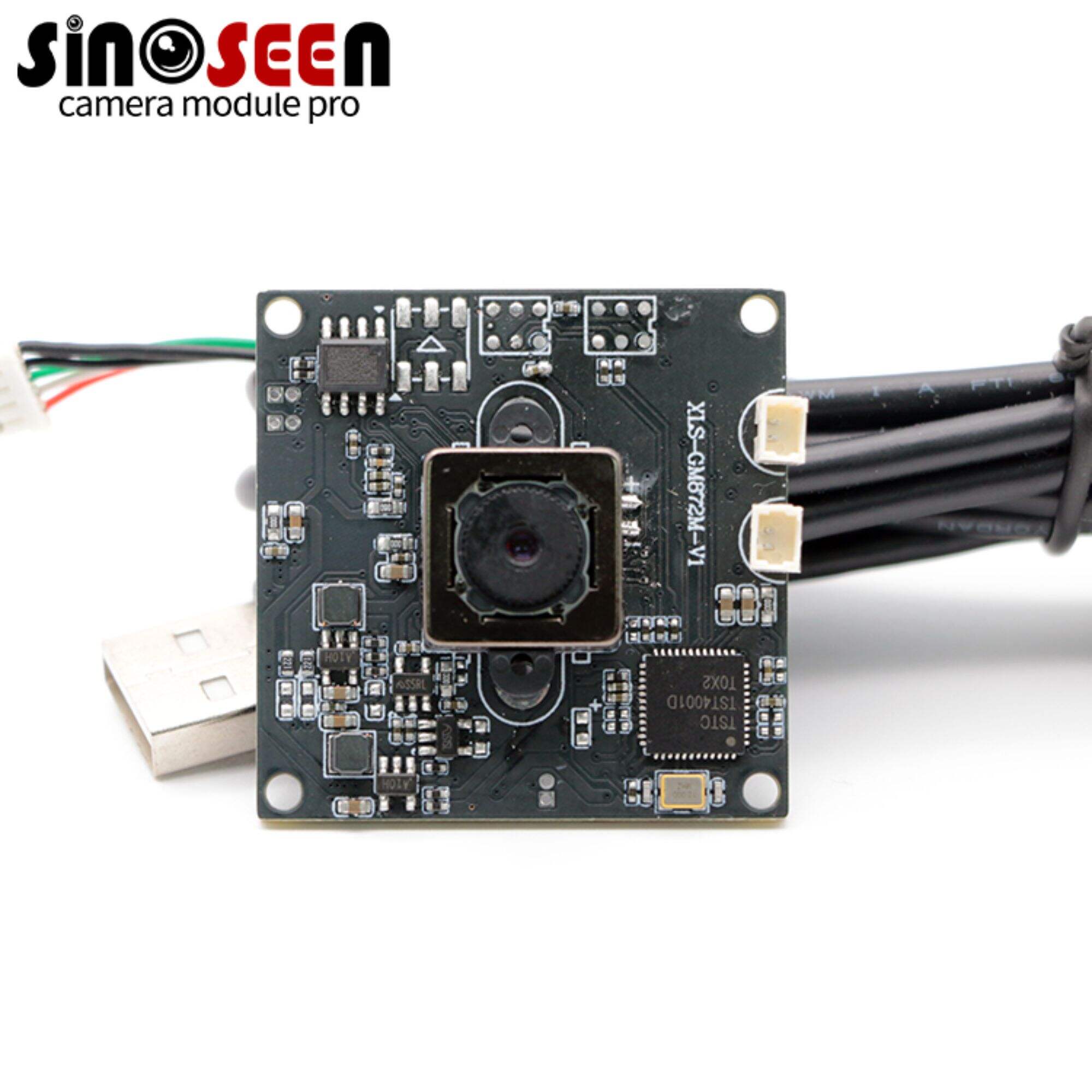
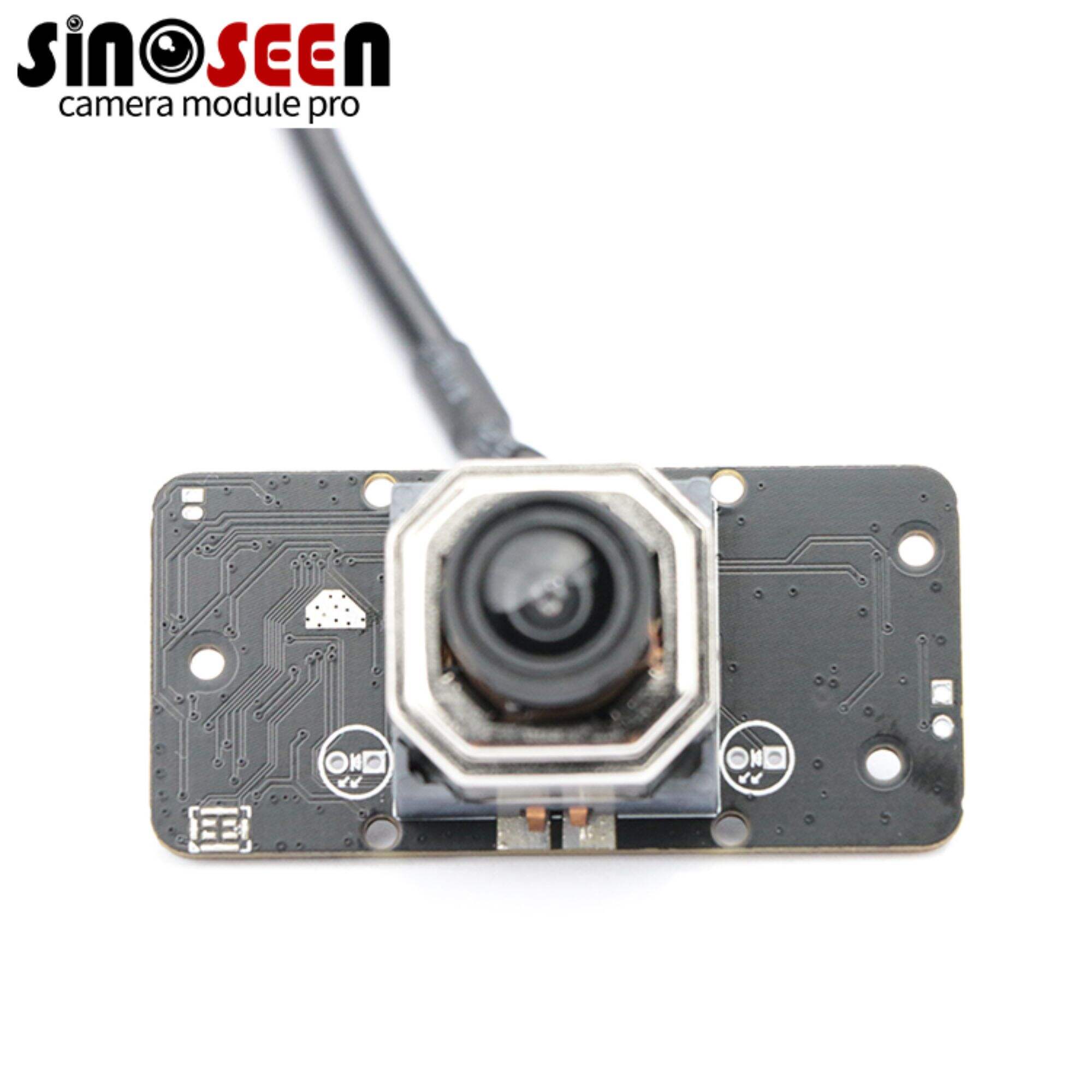
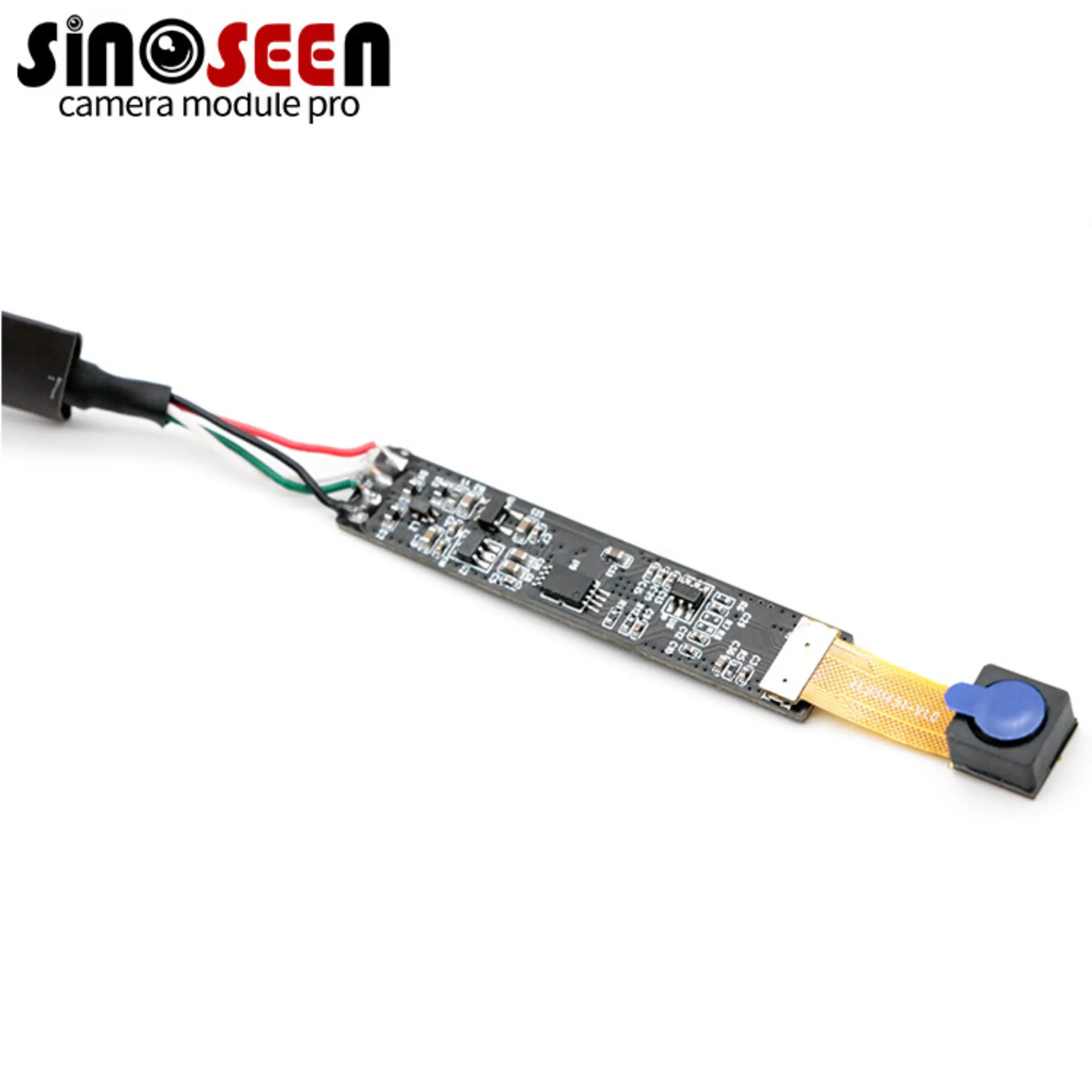
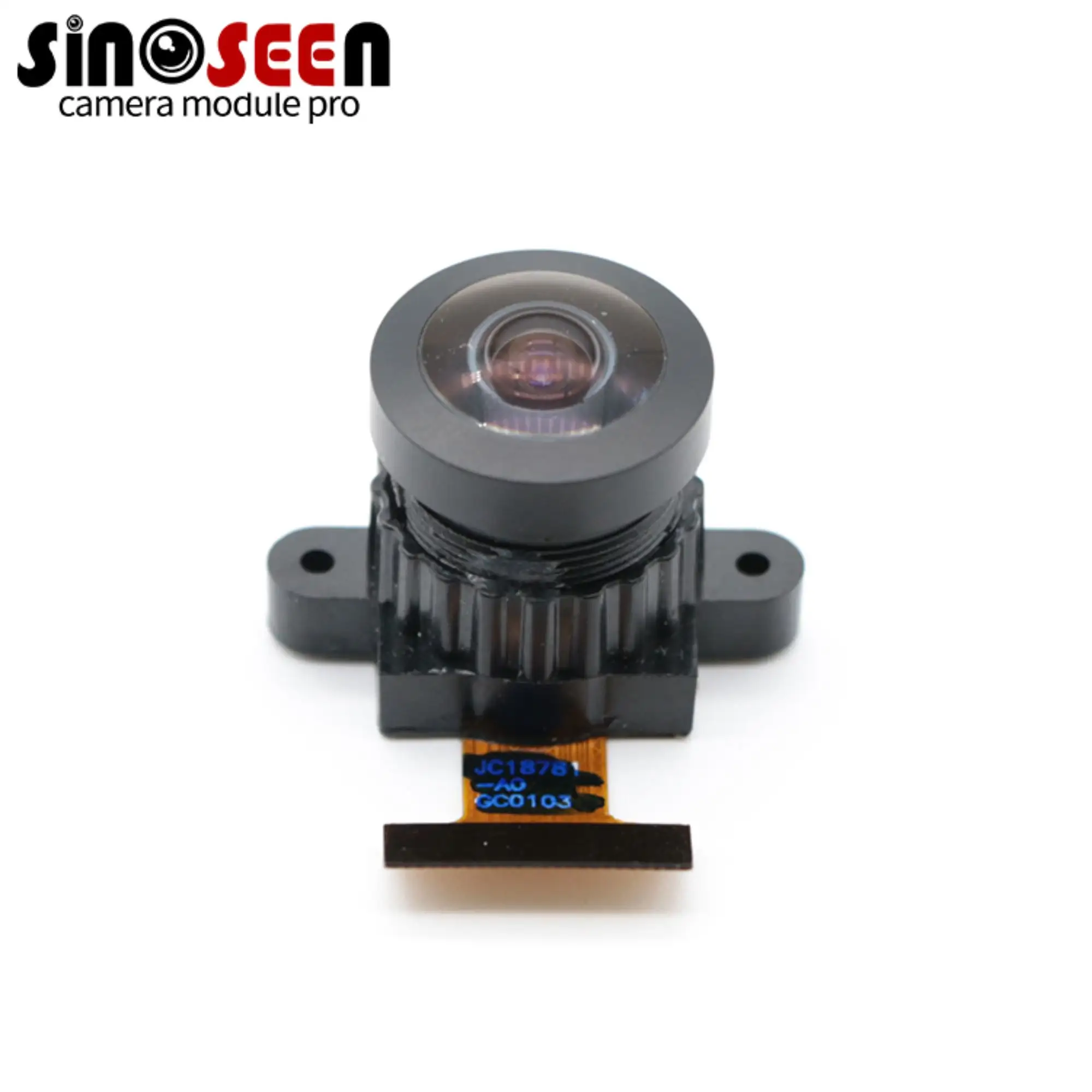
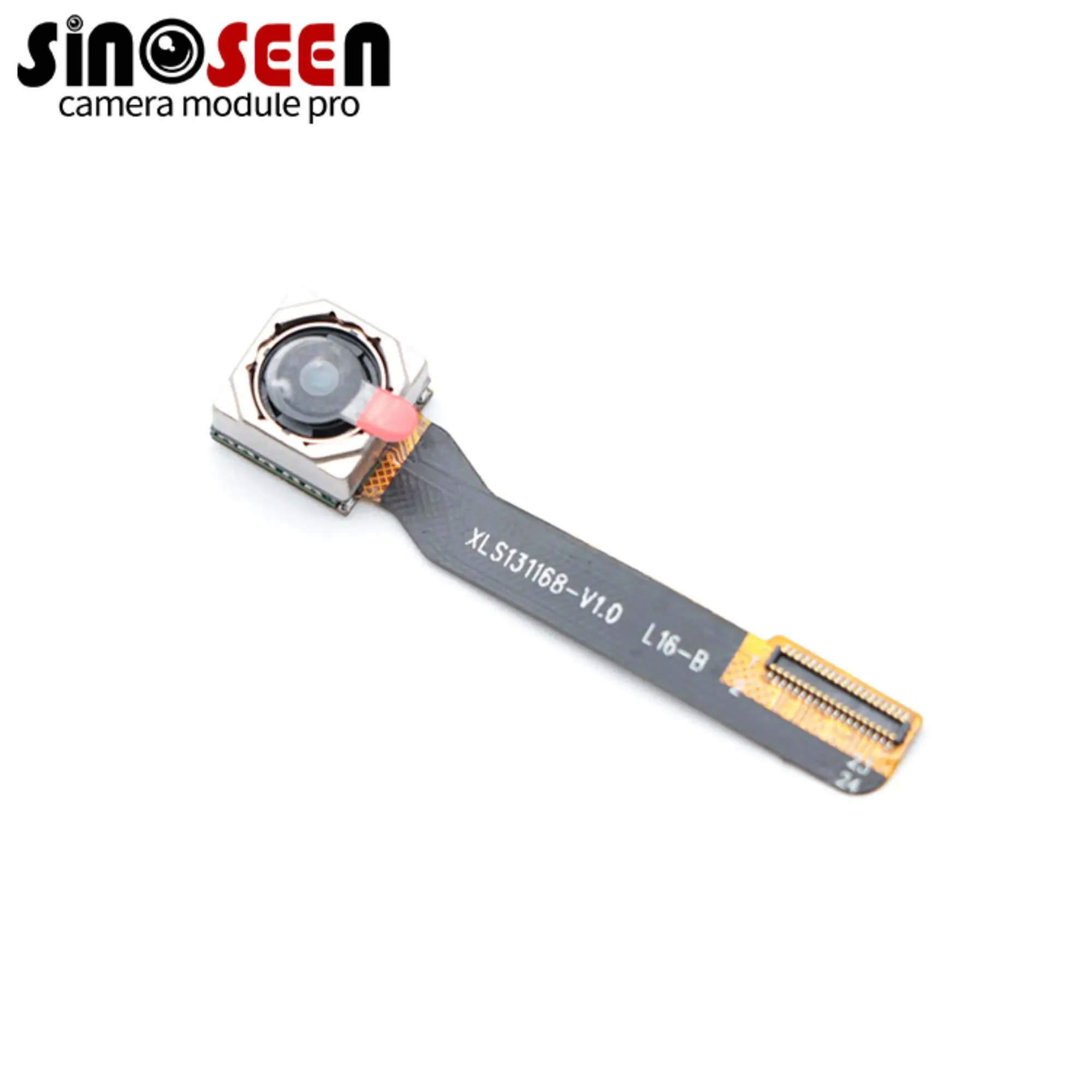
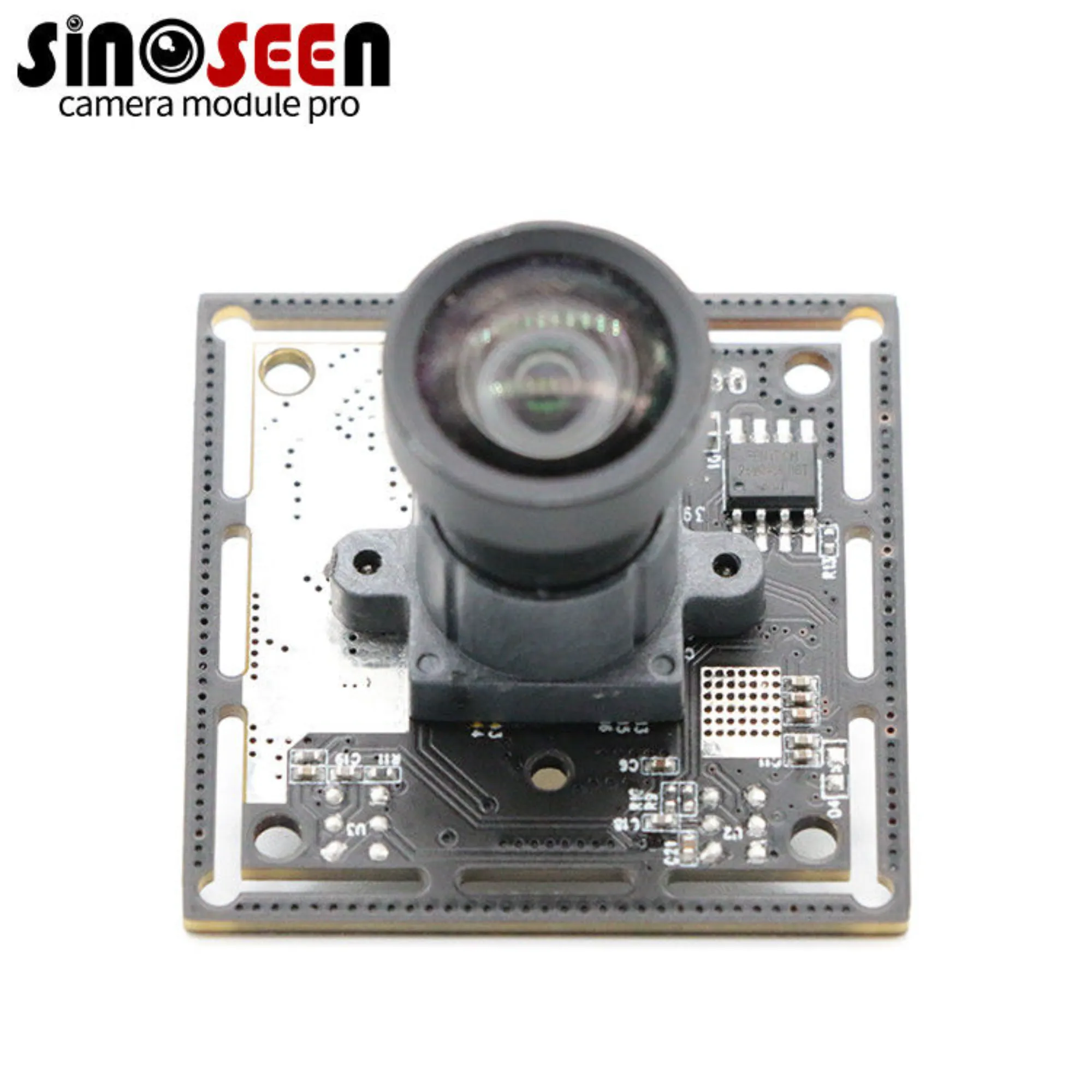
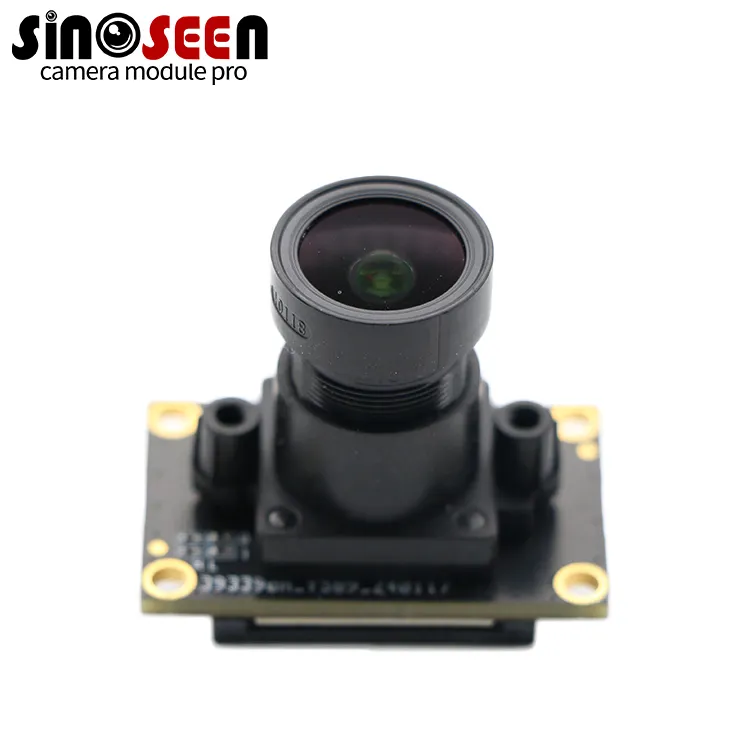
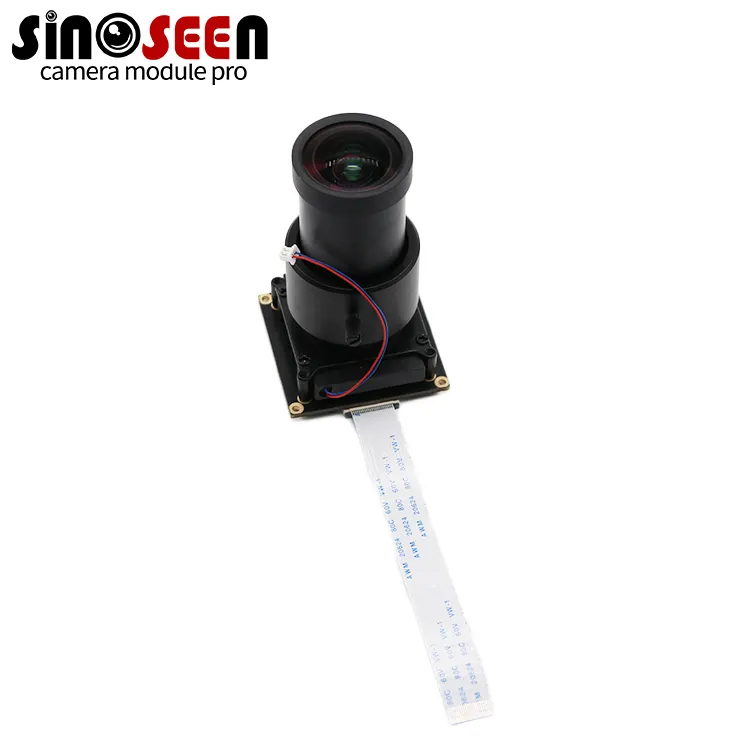
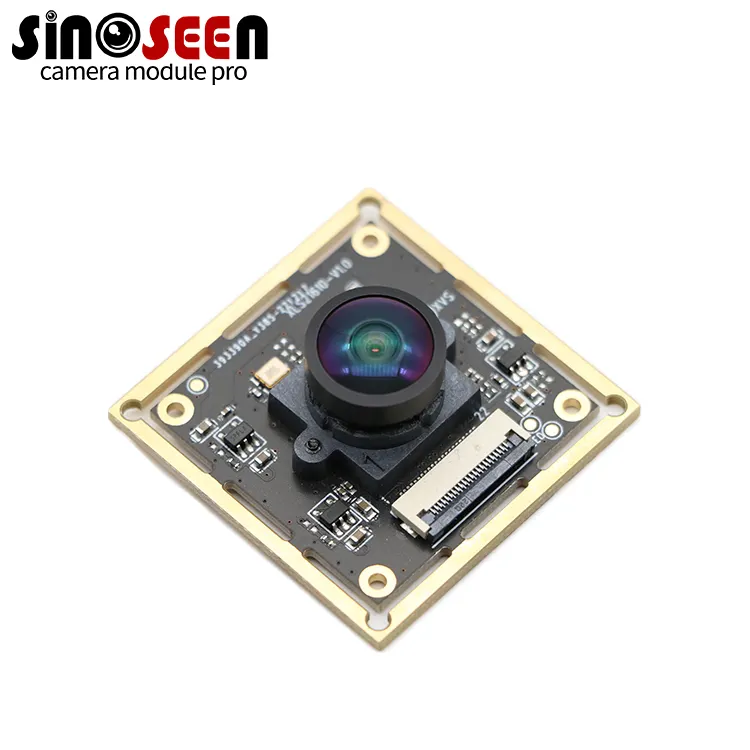
The esp32 camera board module represents a revolutionary advancement in embedded vision technology, combining powerful microcontroller capabilities with high-quality imaging functionality in a compact, cost-effective package. This versatile development board integrates the renowned ESP32 system-on-chip with a dedicated camera interface, creating an all-in-one solution for IoT applications requiring visual data capture and processing. The esp32 camera board module features a dual-core Tensilica LX6 microprocessor running at up to 240MHz, providing substantial computational power for image processing tasks while maintaining energy efficiency. The integrated WiFi and Bluetooth connectivity enables seamless wireless communication, allowing developers to create sophisticated surveillance systems, smart home devices, and industrial monitoring solutions. The module supports various camera sensors, including OV2640 and OV3660, delivering resolutions up to 2 megapixels with adjustable frame rates to suit different application requirements. Its comprehensive GPIO configuration offers extensive interfacing options for additional sensors, actuators, and display modules, making the esp32 camera board module highly adaptable for diverse project needs. The onboard flash memory provides adequate storage for firmware and basic image buffering, while the microSD card slot enables extended storage capabilities for captured images and video files. Power management features include multiple sleep modes and voltage regulation, ensuring optimal battery life in portable applications. The esp32 camera board module operates reliably across a wide temperature range, making it suitable for both indoor and outdoor deployments. Programming flexibility comes through support for multiple development environments, including Arduino IDE, ESP-IDF, and MicroPython, accommodating developers with varying skill levels and preferences. This combination of processing power, connectivity options, and imaging capabilities positions the esp32 camera board module as an ideal choice for prototyping and production-ready applications in security, automation, and smart device markets.

New Product Releases

The esp32 camera board module delivers exceptional value through its integrated design that eliminates the need for separate microcontroller and camera components, significantly reducing development time and system complexity. This unified approach allows developers to focus on application logic rather than hardware integration challenges, accelerating project timelines from concept to deployment. The module's built-in WiFi capabilities enable direct cloud connectivity, allowing real-time image streaming and remote monitoring without requiring additional networking hardware or complex gateway configurations. Battery-powered applications benefit tremendously from the esp32 camera board module's advanced power management features, which can extend operational life through intelligent sleep modes and dynamic frequency scaling based on processing demands. The flexible programming environment supports multiple coding languages and frameworks, making the module accessible to hobbyists learning embedded development while providing professional-grade tools for commercial applications. Cost efficiency becomes apparent when comparing the esp32 camera board module to traditional solutions requiring separate processors, wireless modules, and camera interfaces, often reducing total system costs by 40-60 percent while improving reliability through fewer interconnections. Real-time image processing capabilities enable edge computing applications where immediate decision-making is crucial, such as motion detection systems that can trigger alerts without relying on cloud processing delays. The module's compact form factor, measuring approximately 40mm x 27mm, makes it perfect for space-constrained installations where traditional camera systems would be impractical or aesthetically unsuitable. Hardware debugging becomes simplified through integrated development tools that provide comprehensive monitoring of both processor and camera subsystem performance, reducing troubleshooting time during development phases. Scalability advantages emerge when deploying multiple units, as the esp32 camera board module can form mesh networks for coordinated monitoring systems or operate independently based on application requirements. The active open-source community surrounding ESP32 development ensures continuous software updates, extensive documentation, and readily available code libraries that accelerate development cycles. Manufacturing benefits include simplified assembly processes, reduced component sourcing complexity, and improved quality control through single-vendor accountability for the complete camera subsystem functionality.

Tips And Tricks

Why Choose a High-Performance Embedded Camera Module for AI Applications?

02

Mar

Why Choose a High-Performance Embedded Camera Module for AI Applications?

Artificial intelligence applications demand precision, speed, and reliability in their visual data acquisition systems. An embedded camera module serves as the critical foundation for AI-powered devices, from autonomous vehicles to smart manufacturin...
View More
 How to Select the Right AI Camera Module for Facial Recognition Systems?

02

Mar

How to Select the Right AI Camera Module for Facial Recognition Systems?

Selecting the appropriate AI camera module for facial recognition systems represents a critical decision that directly impacts system performance, accuracy, and overall operational efficiency. Modern facial recognition applications demand sophisticat...
View More
How to Integrate a Small Camera Module into Compact Medical Devices?

02

Mar

How to Integrate a Small Camera Module into Compact Medical Devices?

Medical device miniaturization continues to revolutionize healthcare, enabling less invasive procedures and improved patient outcomes. When designing compact medical equipment, integrating a small camera module requires careful consideration of space...
View More
Why do Robotics Manufacturers Prefer High-Speed AI Camera Modules?

02

Mar

Why do Robotics Manufacturers Prefer High-Speed AI Camera Modules?

The robotics industry has experienced unprecedented growth in recent years, with manufacturers increasingly demanding sophisticated vision systems that can process visual data at lightning speed. High-speed AI camera modules have emerged as the corne...
View More

Get In Touch

esp32 camera board module

Advanced Wireless Connectivity and Real-Time Streaming

Advanced Wireless Connectivity and Real-Time Streaming

The esp32 camera board module excels in wireless communication capabilities, featuring dual-band WiFi support that enables robust, high-speed data transmission for demanding imaging applications. This connectivity foundation allows developers to create sophisticated remote monitoring systems that stream live video feeds directly to mobile applications, web browsers, or cloud platforms without requiring complex networking infrastructure. The integrated WiFi stack supports multiple security protocols including WPA2 and WPA3, ensuring secure transmission of sensitive visual data across networks. Bluetooth Low Energy functionality expands connectivity options, enabling seamless integration with smartphones, tablets, and other IoT devices for configuration, control, and data exchange purposes. The esp32 camera board module can simultaneously maintain multiple network connections, allowing it to participate in local mesh networks while maintaining internet connectivity for cloud services. Real-time streaming performance benefits from hardware-accelerated compression algorithms that optimize bandwidth usage without compromising image quality, making it suitable for applications with limited network capacity or high-latency connections. Advanced networking features include automatic reconnection capabilities, network redundancy support, and adaptive streaming quality that adjusts based on available bandwidth conditions. The module's ability to function as both WiFi client and access point creates flexible deployment scenarios where it can establish temporary networks for direct device communication or serve as a bridge between isolated systems and existing infrastructure. Power-efficient wireless protocols ensure that battery-operated installations can maintain connectivity for extended periods while optimizing energy consumption through intelligent transmission scheduling. The esp32 camera board module supports over-the-air firmware updates, enabling remote maintenance and feature enhancements without physical access to deployed devices, significantly reducing long-term operational costs and improving system reliability through automated security patches and performance improvements.
Intelligent Image Processing and Edge Computing Capabilities

Intelligent Image Processing and Edge Computing Capabilities

The esp32 camera board module incorporates powerful onboard processing capabilities that enable sophisticated image analysis and decision-making directly at the edge, eliminating dependence on cloud services for time-critical applications. The dual-core architecture allows parallel processing where one core handles image capture and preprocessing while the second core manages communication, user interface, or additional sensor data, maximizing system responsiveness and efficiency. Built-in hardware acceleration for common image processing operations including color space conversion, scaling, and basic filtering reduces processing latency and power consumption compared to software-only implementations. The esp32 camera board module supports real-time object detection algorithms that can identify specific shapes, colors, or motion patterns, enabling applications such as automated quality control systems, security monitoring, and interactive installations. Machine learning capabilities extend through integration with TensorFlow Lite and other edge AI frameworks, allowing deployment of trained models for facial recognition, anomaly detection, or predictive maintenance applications directly on the device. Advanced image enhancement features including automatic exposure control, white balance adjustment, and noise reduction ensure optimal image quality across varying lighting conditions without requiring manual calibration. The module's processing power enables sophisticated computer vision algorithms such as optical flow analysis for motion tracking, stereo vision processing for depth perception, and image stitching for panoramic capture applications. Edge computing benefits become particularly valuable in industrial environments where network connectivity may be unreliable or where immediate response to visual stimuli is critical for safety or process control. The esp32 camera board module can perform complex image analysis tasks including barcode reading, text recognition, and geometric measurement, making it suitable for automated inspection systems and inventory management applications. Local processing capabilities ensure data privacy by enabling on-device analysis without transmitting sensitive images to external servers, addressing regulatory compliance requirements in healthcare, security, and personal privacy applications where data sovereignty is paramount.
Comprehensive Development Ecosystem and Rapid Prototyping Support

Comprehensive Development Ecosystem and Rapid Prototyping Support

The esp32 camera board module benefits from an extensive development ecosystem that dramatically reduces time-to-market for both prototype and production applications through comprehensive software tools, extensive documentation, and active community support. Multiple integrated development environments provide flexibility for developers with varying experience levels, from beginner-friendly Arduino IDE integration to professional ESP-IDF framework with advanced debugging capabilities and optimization tools. The module ships with pre-configured camera drivers and example applications that demonstrate core functionality including image capture, streaming, and basic processing, allowing developers to achieve working prototypes within hours of unboxing. Comprehensive API documentation covers every aspect of camera control, from basic capture operations to advanced features like region-of-interest processing, multi-exposure capture, and custom image processing pipelines. The esp32 camera board module supports multiple programming languages including C/C++, MicroPython, and JavaScript through various runtime environments, enabling teams to leverage existing code bases and developer expertise without learning new programming paradigms. Hardware abstraction layers simplify integration with external components such as displays, sensors, and actuators, while extensive GPIO pin mapping options provide flexibility for custom circuit board integration and prototype expansion. The active open-source community contributes continuously updated libraries for specialized applications including computer vision algorithms, machine learning inference engines, and protocol implementations for popular IoT platforms and cloud services. Development acceleration comes through pre-built firmware images for common applications such as security cameras, time-lapse systems, and industrial inspection devices, allowing rapid deployment and customization rather than starting from scratch. The esp32 camera board module includes comprehensive debugging features including real-time performance monitoring, memory usage analysis, and network traffic inspection tools that streamline troubleshooting during development and deployment phases. Educational resources including tutorials, application notes, and reference designs provide structured learning paths for developers new to embedded vision applications while offering advanced optimization techniques for experienced engineers seeking maximum performance from the platform.

Related Search

Get in touch