
 EN
EN
 AR
AR
 DA
DA
 NL
NL
 FI
FI
 FR
FR
 DE
DE
 EL
EL
 HI
HI
 IT
IT
 JA
JA
 KO
KO
 NO
NO
 PL
PL
 PT
PT
 RO
RO
 RU
RU
 ES
ES
 SV
SV
 TL
TL
 IW
IW
 ID
ID
 SR
SR
 VI
VI
 HU
HU
 TH
TH
 TR
TR
 FA
FA
 MS
MS
 IS
IS
 AZ
AZ
 UR
UR
 BN
BN
 HA
HA
 LO
LO
 MR
MR
 MN
MN
 PA
PA
 MY
MY
 SD
SD
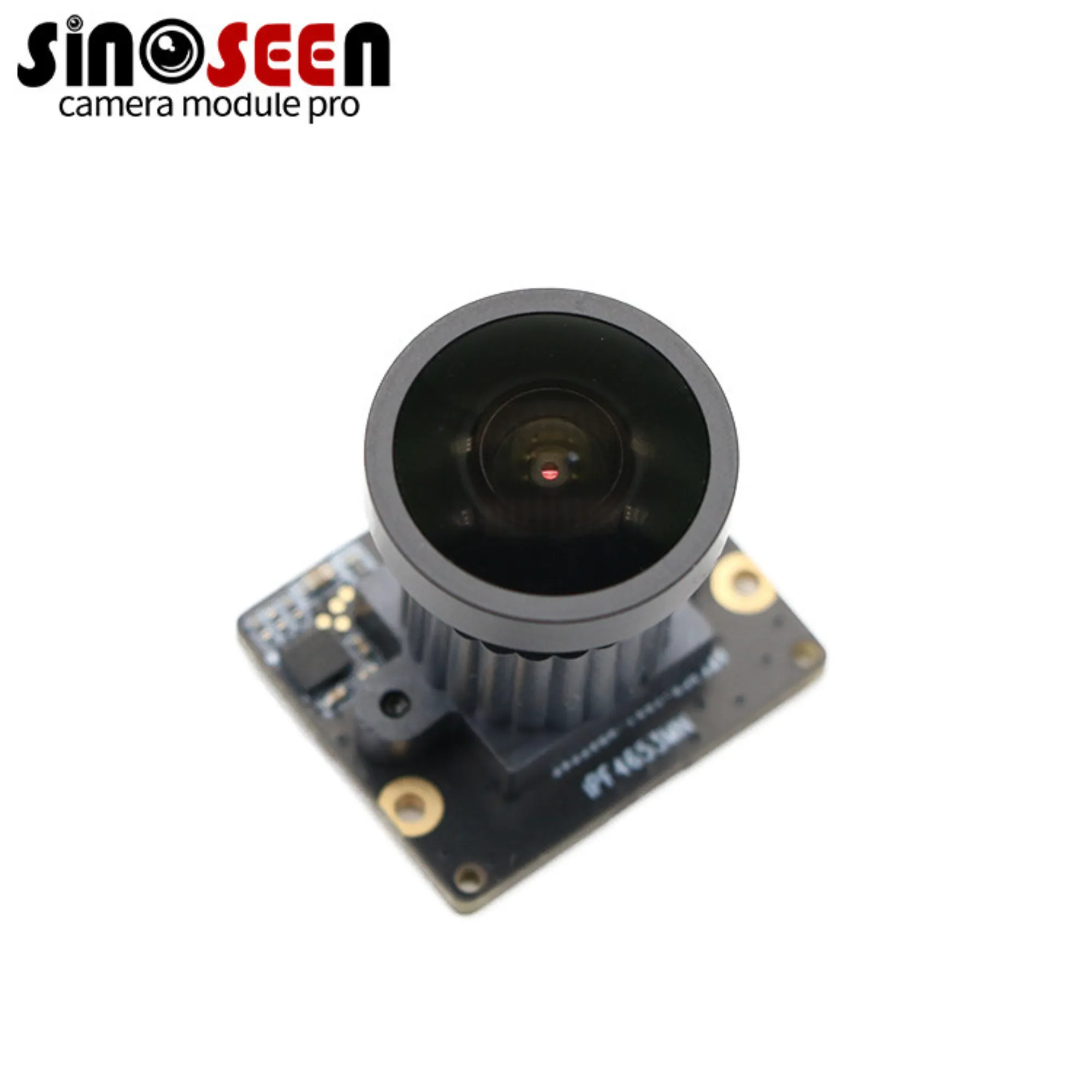
The demand for ultra-thin consumer electronics has never been higher. Smartphones, tablets, wearables, and embedded devices continue to shrink in size while users expect increasingly powerful imaging capabilities. This contradiction between form factor constraints and performance expectations creates a critical engineering challenge—one that a skilled compact camera module manufacturer must solve. The compact camera module represents a sophisticated intersection of optical design, semiconductor integration, and mechanical engineering. A quality compact camera module enables device makers to deliver premium imaging functionality without sacrificing the slim, lightweight form factors that consumers demand and markets reward.
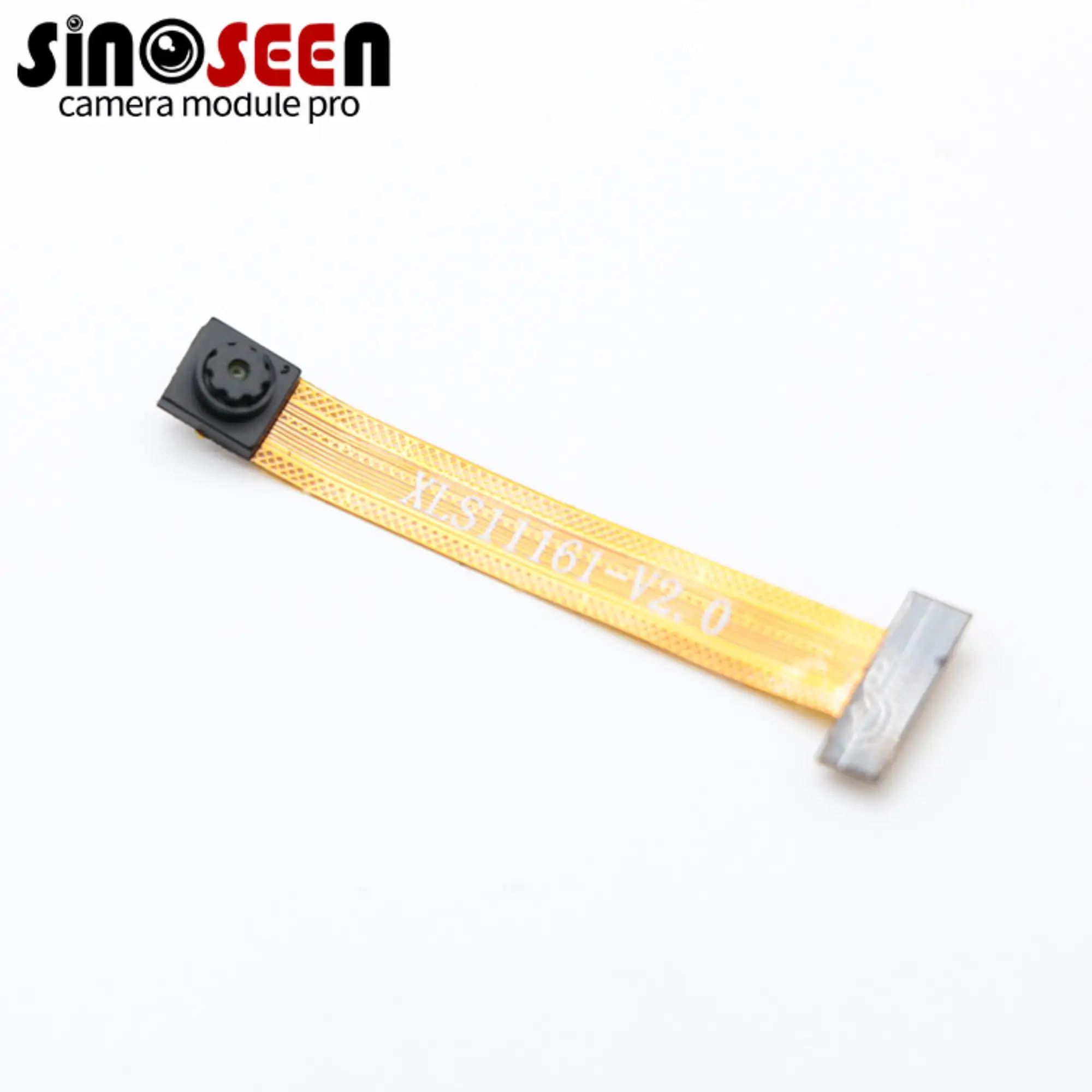
Selecting the right compact camera module manufacturer is foundational to product success. The compact camera module supplier landscape includes established vendors, specialized integrators, and emerging innovators. Each brings different strengths in miniaturization technology, cost efficiency, supply reliability, and customization capabilities. For product teams evaluating options, understanding what distinguishes a quality compact camera module manufacturer—and how their technology roadmap aligns with your device vision—determines whether your slim design becomes market reality or remains an engineering compromise.
Compact Camera Module Design and Technical Architecture
Optical and Sensor Integration in the Compact Camera Module
The compact camera module combines multiple precision components into an extraordinarily small footprint. The optical stack includes lens elements, infrared filters, and aperture assemblies. The image sensor sits at the focal plane, typically utilizing CMOS technology for its low power consumption and small pixel pitch. A compact camera module manufacturer must source these components globally, manage tight tolerances, and assemble them into a cohesive system. The quality of optical alignment directly affects image sharpness and color accuracy. Poor alignment in a compact camera module degrades performance immediately and cannot be field-corrected. This is why leading compact camera module manufacturers employ precision fixtures, automated assembly lines, and rigorous quality control protocols.
Interconnection Standards and Power Architecture
Modern compact camera module designs rely on standardized interconnection protocols like MIPI CSI-2, which enable high-speed data transmission over minimal physical connections. The compact camera module also integrates power management to minimize current draw—critical for battery-constrained devices. A professional compact camera module manufacturer understands the electrical constraints of slim devices, designing circuits that deliver clean power, manage heat dissipation, and suppress electromagnetic interference. The compact camera module's power architecture often includes integrated regulators, enabling device designers to use simpler primary power distribution.
Manufacturing Capabilities That Define Compact Camera Module Quality
Miniaturization Technology and Assembly Precision
The distinction between an adequate compact camera module and a superior one lies in manufacturing precision. A top-tier compact camera module manufacturer invests in advanced assembly equipment—pick-and-place machines with micron-level accuracy, precision molding for plastic lens elements, and automated optical inspection systems. These capabilities enable the compact camera module to achieve thickness targets measured in millimeters while maintaining optical performance. Smaller module dimensions mean less internal space for focusing mechanisms, which demands innovative mechanical design. The compact camera module's shutter or autofocus system must operate within millimeter-scale envelopes, requiring proprietary mechanisms that only mature manufacturers have perfected.
Quality Assurance and Reliability Testing
Device reliability depends on the compact camera module's durability across temperature ranges, humidity conditions, and mechanical stress. A responsible compact camera module manufacturer implements comprehensive testing—thermal cycling, vibration, salt-fog corrosion simulation, and long-term operating life stress tests. The compact camera module undergoes image quality validation across lighting conditions, from bright sunlight to low-light indoor environments. Cosmetic defect inspection, pixel defect mapping, and autofocus accuracy testing are non-negotiable for premium compact camera module suppliers. These rigorous protocols ensure the compact camera module performs reliably in millions of devices across years of real-world use.
Strategic Considerations When Selecting a Compact Camera Module Partner
Supply Chain Stability and Production Volume Flexibility
A compact camera module manufacturer's ability to scale production directly impacts your device launch timeline and supply consistency. Established compact camera module manufacturers maintain relationships with optical glass suppliers, image sensor vendors, and precision component makers, securing priority allocation during global component shortages. The compact camera module supplier should demonstrate capacity planning, backup supply options, and demand forecasting systems. As your device scales from prototype volumes to millions of units, the compact camera module manufacturer must expand production without degrading quality or extending lead times. This scalability separates mature compact camera module vendors from smaller competitors.
Customization and Performance Roadmap Alignment
Every slim device presents unique optical and mechanical constraints. A collaborative compact camera module manufacturer works with your engineering team to understand your form factor targets, desired image quality, autofocus requirements, and cost constraints. The compact camera module design may require custom mechanical brackets, specific interface connector orientations, or unique focus ranges tailored to your device. The compact camera module manufacturer should also share their technology roadmap—planned sensor upgrades, new miniaturization techniques, and emerging standards adoption—ensuring the compact camera module solution remains competitive throughout your device's market lifespan. This partnership approach transforms the compact camera module from a simple component into a strategic advantage.
FAQ
What thickness can a modern compact camera module achieve?
Leading compact camera module designs now reach thicknesses below 5 millimeters, with some specialized ultra-thin versions approaching 3 millimeters. The exact thickness depends on optical requirements, autofocus mechanism choice, and image sensor pixel size. A compact camera module manufacturer can optimize thickness through lens element selection, prism designs, and innovative mechanical packaging. However, thinner compact camera module designs often increase cost and may require careful thermal management to prevent sensor heating under continuous operation.
How does a compact camera module manufacturer ensure consistent image quality across production batches?
A professional compact camera module manufacturer implements statistical process control, maintaining tight specifications for every optical element, sensor calibration, and assembled unit. The compact camera module undergoes image quality validation against reference standards, with automated systems detecting color drift, focus accuracy variations, and defects. The compact camera module manufacturer archives calibration data for each unit, enabling field-level adjustments if needed. Regular sampling and burn-in testing verify that the compact camera module maintains performance across environmental stress and aging.
Can a compact camera module manufacturer support both fixed-focus and autofocus designs?
Yes, most experienced compact camera module manufacturers offer both fixed-focus and autofocus variants. Fixed-focus compact camera module designs are simpler and lower cost, suitable for applications where depth-of-field is naturally wide or focus distance is predictable. Autofocus compact camera module designs include motorized mechanisms or voice-coil actuators, enabling sharp images across varying distances. The compact camera module manufacturer will recommend the approach based on your device's use case, power budget, and cost targets, optimizing the compact camera module solution for your specific needs.