
 EN
EN
 AR
AR
 DA
DA
 NL
NL
 FI
FI
 FR
FR
 DE
DE
 EL
EL
 HI
HI
 IT
IT
 JA
JA
 KO
KO
 NO
NO
 PL
PL
 PT
PT
 RO
RO
 RU
RU
 ES
ES
 SV
SV
 TL
TL
 IW
IW
 ID
ID
 SR
SR
 VI
VI
 HU
HU
 TH
TH
 TR
TR
 FA
FA
 MS
MS
 IS
IS
 AZ
AZ
 UR
UR
 BN
BN
 HA
HA
 LO
LO
 MR
MR
 MN
MN
 PA
PA
 MY
MY
 SD
SD
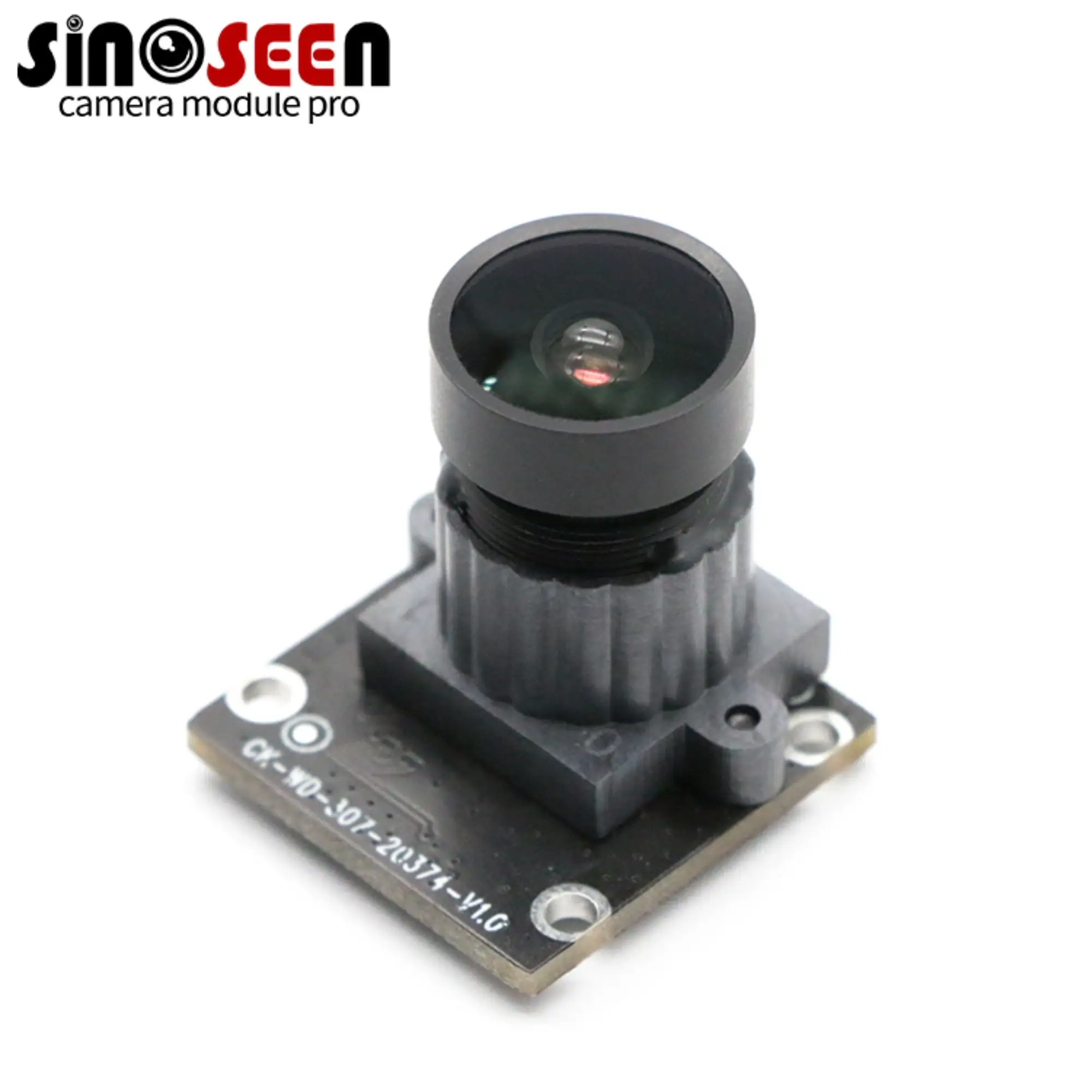
ການນຳໃຊ້ດ້ານທັດສະນະທີ່ຝັງຢູ່ຕ້ອງການຄວາມສາມາດດ້ານການຖ່າຍຮູບທີ່ຊັ້ນສູງ, ແລະ ອຸປະກອນແຄມເລຣາ ESP32 ໄດ້ເກີດຂຶ້ນເປັນສ່ວນປະກອບຫຼັກສຳລັບຜູ້ຊື້ຈຳຫຼາຍທີ່ກຳລັງພັດທະນາຜະລິດຕະພັນລຸ້ນຕໍ່ໄປ. ອຸປະກອນແຄມເລຣາທີ່ຫຼາກຫຼາຍເຫຼົ່ານີ້ປະສົມປະສານພະລັງການຄຳນວນຂອງ microcontroller ESP32 ກັບ sensor ແຄມເລຣາທີ່ມີປະສິດທິພາບສູງ, ເພື່ອສະເໜີວິທີແກ້ໄຂທີ່ເຊື່ອມຕໍ່ກັນຢ່າງເຕັມຮູບແບບ ເຊິ່ງຊ່ວຍເຮັດໃຫ້ວຟົງການພັດທະນາໄວຂຶ້ນ ແລະ ຍັງຮັກສາຄວາມຄຸ້ມຄ່າໃນການຜະລິດຈຳນວນຫຼາຍ.
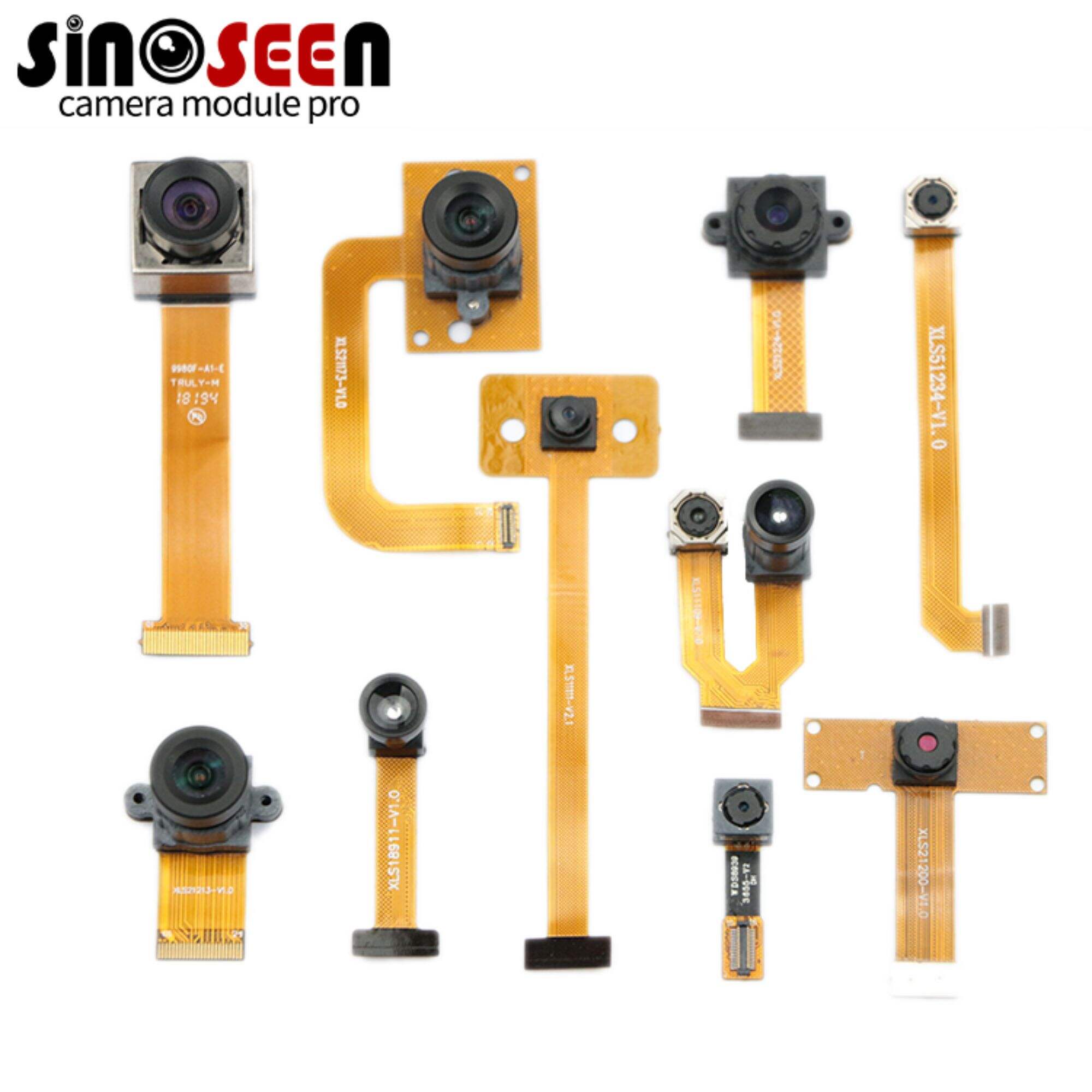
ຕະຫຼາດຈຳຫຼາຍຂອງອຸປະກອນແຄມເລຣາ ESP32 ແສດງໃຫ້ເຫັນເຖິງຄວາມຕ້ອງການທີ່ເພີ່ມຂຶ້ນຈາກຜູ້ຊື້ດ້ານທັດສະນະທີ່ຝັງຢູ່ ທີ່ຕ້ອງການວິທີແກ້ໄຂດ້ານການຖ່າຍຮູບທີ່ເຊື່ອຖືໄດ້ ແລະ ສາມາດຂະຫຍາຍໄດ້ໃນການນຳໃຊ້ທາງອຸດສາຫະກຳທີ່ຫຼາກຫຼາຍ. ການເຂົ້າໃຈຂໍ້ກຳນົດດ້ານເຕັກນິກ, ຂໍ້ພິຈາລະນາດ້ານການຈັດຫາ, ແລະ ຂໍ້ກຳນົດດ້ານການເຊື່ອມຕໍ່ ແມ່ນເປັນສິ່ງຈຳເປັນສຳລັບທີມງານຈັດຊື້ ແລະ ວິສະວະກອນດ້ານການອອກແບບ ເມື່ອພວກເຂົາກຳລັງປະເມີນອຸປະກອນເຫຼົ່ານີ້ສຳລັບໂຄງການທັດສະນະທີ່ຝັງຢູ່ຂອງພວກເຂົາ.
ສະຖາປັດຕະຍາການເຕັກນິກຂອງອຸປະກອນແຄມເລຣາ ESP32
ຄວາມສາມາດດ້ານການປະມວນຜົນ ແລະ ລັກສະນະດ້ານປະສິດທິພາບ
ມີດູ້ລະບົບ ESP32 ສຳລັບກ້ອງປະກອບດ້ວຍໂປເຊສເຊີ້ ຕັ້ນຊິລິກາ LX6 ທີ່ມີສອງແຄັດ (dual-core) ແລະເຮັດວຽກທີ່ຄວາມຖີ່ສູງເຖິງ 240 MHz ເພື່ອໃຫ້ມີພະລັງການຄຳນວນທີ່ເຂັ້ມແຂງສຳລັບການປະມວນຜົນຮູບພາບໃນເວລາຈິງ. ລະບົບນີ້ປະກອບດ້ວຍທາງເດີນສຳລັບການປະມວນຜົນສັນຍານຮູບພາບ (image signal processing pipelines) ທີ່ຖືກອອກແບບມາເປັນພິເສດເພື່ອຈັດການການປັບສີ, ການຫຼຸດຜ່ອນສຽງຮູບພາບ (noise reduction), ແລະ ອັລກີຣິດີມການບີບອັດ (compression algorithms) ໂດຍບໍ່ຕ້ອງໃຊ້ໆ ໜ່ວຍປະມວນຜົນພາຍນອກ. ວິທີການທີ່ຖືກບູລະນາການເຂົ້າດ້ວຍກັນນີ້ຊ່ວຍຫຼຸດຜ່ອນຄວາມສັບສົນຂອງລະບົບ ແຕ່ຍັງຮັກສາຄວາມໄວໃນການປະມວນຜົນ (processing bandwidth) ທີ່ຈຳເປັນສຳລັບການນຳໃຊ້ດ້ານການເບິ່ງເຫັນທີ່ມີຄວາມຕ້ອງການສູງ (demanding embedded vision applications).
ສະຖາປັດຕະຍາຂອງໜ່ວຍຄວາມຈຳ (Memory architecture) ເປັນປັດໄຈທີ່ສຳຄັນຫຼາຍຕໍ່ປະສິດທິພາບຂອງມີດູ້ລະບົບ ESP32 ສຳລັບກ້ອງ, ໂດຍທົ່ວໄປແລ້ວຈະມີຄວາມຈຳ SRAM ພາຍໃນຈຳນວນ 520 KB ແລະສາມາດຂະຫຍາຍຄວາມຈຳ PSRAM ພາຍນອກໄດ້ເຖິງ 8 MB. ລະບົບຄວາມຈຳນີ້ຊ່ວຍໃຫ້ການຈັດເກັບຂໍ້ມູນຮູບພາບ (buffering) ເປັນໄປຢ່າງມີປະສິດທິພາບໃນຂະນະທີ່ກຳລັງຖ່າຍຮູບ ແລະ ປະມວນຜົນ, ໃນຂະນະທີ່ຄວາມຈຳ flash ທີ່ຖືກບູລະນາການເຂົ້າດ້ວຍກັນນີ້ຈະມີຄວາມຈຸເຖິງ 4 MB ຫຼື 16 MB ຂຶ້ນກັບຮູບແບບຂອງມີດູ້ທີ່ຜູ້ຊື້ຈຳ່ໆ (wholesale buyers) ໄດ້ເລືອກ.
ການບູລະນາເຊັນເຊີ ແລະ ຂໍ້ກຳນົດຄຸນນະພາບຮູບພາບ
ການບູລະນາເຊັນເຊີກ້ອງໃນມໍດູນກ້ອງ ESP32 ໂດຍທົ່ວໄປຈະໃຊ້ເຊັນເຊີຮູບພາບ CMOS ທີ່ມີຄວາມລະອຽດຕັ້ງແຕ່ VGA ຫາ 2 ລ້ານພິກເຊີ, ເຊິ່ງຖືກປັບແຕ່ງໃຫ້ເໝາະສົມກັບການນຳໃຊ້ດ້ານທັດສະນະທີ່ຝັງຢູ່ (embedded vision) ໂດຍຄຳນຶງເຖິງຄວາມສົມດຸນລະຫວ່າງຄຸນນະພາບຮູບພາບ ແລະ ປະສິດທິພາບໃນການປະມວນຜົນ. ຈຸດເຊື່ອມຕໍ່ເຊັນເຊີສະຫນັບສະຫນູນຮູບແບບພິກເຊີທີ່ແຕກຕ່າງກັນ ເຊັ່ນ: RGB565, YUV422, ແລະ ການບີບອັດ JPEG, ເຊິ່ງເຮັດໃຫ້ມີຄວາມຫຼາກຫຼາຍໃນການຈัดຮູບແບບຜົນໄດ້ຮັບເພື່ອໃຫ້ເໝາະສົມກັບຄວາມຕ້ອງການຂອງການນຳໃຊ້ທີ່ເປັນເລື່ອງເລີຍງ.
ລັກສະນະດ້ານເລືອກສາດຂອງມໍດູນກ້ອງ ESP32 ລວມເຖິງອັດຕາການຖ່າຍຮູບທີ່ສາມາດປັບໄດ້ ເຖິງ 60 fps ສຳລັບຄວາມລະອຽດຕ່ຳ ແລະ ການຄວບຄຸມການສະແດງ (exposure) ທີ່ສາມາດປັບໄດ້ເພື່ອໃຫ້ເໝາະສົມກັບສະພາບແວດລ້ອມທີ່ມີແສງຕ່າງກັນ. ມໍດູນເຫຼົ່ານີ້ມີອັລກົຣິດີມການຄວບຄຸມການເພີ່ມກຳລັງອັດຕະໂນມັດ (automatic gain control) ແລະ ການຄວບຄຸມສີຂາວ (white balance), ເຊິ່ງຊ່ວຍຫຼຸດພາລະການພັດທະນາຊອບແວສຳລັບຜູ້ຊື້ທີ່ນຳໃຊ້ດ້ານທັດສະນະທີ່ຝັງຢູ່ ແລະ ຮັບປະກັນຄຸນນະພາບຮູບພາບທີ່ເໝືອນກັນໃນສະພາບການໃຊ້ງານທີ່ແຕກຕ່າງກັນ.
ເຫດຜົນທີ່ຄວນພິຈາລະນາໃນການຈັດຊື້ເປັນຈຳນວນຫຼາຍ
ຄວາມສະຖຽນຂອງຫຼອດສະຫນອງ ແລະ ຄວາມພ້ອມໃນການຈັດຫາສ່ວນປະກອບ
ຜູ້ຊື້ສົ່ງອອກຕ້ອງປະເມີນຄວາມສະຖຽນຂອງຫຼອດຈັດສົ່ງເມື່ອວາງແຜນການຈັດຊື້ໃນປະລິມານຫຼາຍສຳລັບໂຄງການທີ່ໃຊ້ເຕັກໂນໂລຢີການເບິ່ງເຫັນທີ່ຝັງຢູ່. ສະພາບແວດລ້ອມຂອງຫຼອດຈັດສົ່ງເຊມີຄອນດັກເຕີ້ ຕ້ອງໄດ້ຮັບການປະເມີນຢ່າງລະອຽດເຖິງຄວາມພ້ອມໃຊ້ງານຂອງອຸປະກອນ, ເວລາຈັດສົ່ງ, ແລະ ຄວາມເປັນໄປໄດ້ຂອງການຂັດຂວາງຫຼອດຈັດສົ່ງທີ່ອາດຈະສົ່ງຜົນຕໍ່ແຜນການຜະລິດ. ການສ້າງຄວາມສຳພັນກັບຜູ້ສະໜອງທີ່ມີຄວາມເໝາະສົມຫຼາຍດ້ານຊ່ວຍຫຼຸດຜ່ອນຄວາມສ່ຽງຂອງຫຼອດຈັດສົ່ງ ແລະ ຮັບປະກັນຄຸນນະພາບ ແລະ ລັກສະນະເທັກນິກຂອງຫຼອດຈັດສົ່ງທີ່ສອດຄ່ອງກັນ.
ການຈັດການວົງຈອນຊີວິດຂອງອຸປະກອນເປັນສິ່ງທີ່ສຳຄັນເປັນພິເສດສຳລັບຫຼອດຈັດສົ່ງ ESP32 ທີ່ໃຊ້ໃນການຕິດຕັ້ງເຕັກໂນໂລຢີການເບິ່ງເຫັນທີ່ຝັງຢູ່ໃນໄລຍະຍາວ. ຜູ້ຊື້ສົ່ງອອກຄວນຢືນຢັນວ່າວົງຈອນຊີວິດຂອງຜະລິດຕະພັນທີ່ຄາດວ່າຈະເກີດຂຶ້ນ, ແຜນທາງການເລີກໃຊ້, ແລະ ວິທີການປ່ຽນໄປໃຊ້ຫຼອດຈັດສົ່ງເລີ່ມຕົ້ນໃໝ່ເມື່ອວາງແຜນການຈັດຊື້ໃນໄລຍະຫຼາຍປີ. ວິທີການທີ່ມີມຸມມອງໄປຂ້າງໆນີ້ຊ່ວຍປ້ອງກັນການອອກແບບໃໝ່ທີ່ມີຄ່າໃຊ້ຈ່າຍສູງ ແລະ ຮັບປະກັນການມີຜະລິດຕະພັນໃຫ້ບໍລິການຢ່າງຕໍ່ເນື່ອງໃນໄລຍະເວລາທີ່ກຳນົດໄວ້.
ໂຄງສ້າງການຕັ້ງລາຄາຕາມປະລິມານ ແລະ ການເພີ່ມປະສິດທິພາບດ້ານຕົ້ນທຶນ
ລາຄາສົ່ງສຳລັບມໍດູນກ້ອງ ESP32 ມັກຈະປະກອບດ້ວຍໂຄງສ້າງປະລິມານທີ່ແບ່ງເປັນລະດັບຕາມປະລິມານ, ໂດຍມີການຫຼຸດລົງຂອງຕົ້ນທຶນຢ່າງມີນັກໃນຈຸດທີ່ປະລິມານສູງຂຶ້ນ. ຜູ້ຊື້ທີ່ນຳໃຊ້ເຕັກໂນໂລຊີທັດສະນະທີ່ຝັງຢູ່ (Embedded vision) ຄວນວິເຄາະຕົ້ນທຶນທັງໝົດໃນການເປັນເຈົ້າຂອງ (Total cost of ownership) ນອກຈາກລາຄາຕໍ່ໜ່ວຍ, ລວມທັງການສະໜັບສະໜູນດ້ານການພັດທະນາ, ຄຸນນະພາບຂອງເອກະສານດ້ານເຕັກນິກ, ແລະ ການຊ່ວຍເຫຼືອດ້ານວິສະວະກຳຫຼັງການຂາຍທີ່ຜູ້ສະໜອງໃຫ້. ບໍລິການເພີ່ມມູນຄ່າເຫຼົ່ານີ້ມັກຈະເປັນເຫດຜົນທີ່ຄຸ້ມຄ່າສຳລັບລາຄາທີ່ສູງຂຶ້ນ ແຕ່ຈະຊ່ວຍຫຼຸດລົງຕົ້ນທຶນທັງໝົດໃນການພັດທະນາໂຄງການ.
ຍຸດທະສາດການເຮັດໃຫ້ຕົ້ນທຶນດີຂຶ້ນສຳລັບການຈັດຊື້ມໍດູນກ້ອງ ESP32 ປະກອບດ້ວຍ: ການມາດຕະຖານໃນການເລືອກມໍດູນປະເພດເດີມໃນຫຼາຍໆແຖວຜະລິດຕະພັນ, ການເຈລະຈອງການຮັບປະກັນປະລິມານຕໍ່ປີເພື່ອຮັບລາຄາທີ່ດີຂຶ້ນ, ແລະ ການປະເມີນຄວາມສຳພັນລະຫວ່າງລະດັບການບູລະນາການຂອງມໍດູນ ແລະ ຄວາມຕ້ອງການດ້ານການພັດທະນາທີ່ເປັນເອກະລັກ. ຜູ້ຊື້ສົ່ງໄດ້ຮັບປະໂຫຍດຈາກການຈຳລອງຕົ້ນທຶນຢ່າງລະອຽດ ເຊິ່ງລວມເຖິງທັງຕົ້ນທຶນສ່ວນປະກອບໂດຍກົງ ແລະ ຕົ້ນທຶນທີ່ກ່ຽວຂ້ອງກັບການພັດທະນາ.
ຄວາມຕ້ອງການດ້ານການບູລະນາການສຳລັບການນຳໃຊ້ເຕັກໂນໂລຊີທັດສະນະທີ່ຝັງຢູ່
ອິນເຕີເຟດ ຂອງຮາດແວ ແລະ ຕົວເລືອກການເຊື່ອມຕໍ່
ມໍດູນກ້ອງ ESP32 ໃຫ້ທາງເລືອກຫຼາຍດ້ານສຳລັບການເຊື່ອມຕໍ່ ເຊິ່ງເປັນສິ່ງຈຳເປັນສຳລັບການນຳໃຊ້ດ້ານການເບິ່ງທີ່ຝັງຢູ່ (embedded vision applications) ເຊັ່ນ: Wi-Fi 802.11b/g/n, Bluetooth Classic, ແລະ ຄວາມສາມາດຂອງ Bluetooth Low Energy. ການເຊື່ອມຕໍ່ແບບບໍ່ມີສາຍເຮັດໃຫ້ສາມາດຖ່າຍໂອນຮູບພາບໄດ້ຈາກໄລຍະທາງໄກ, ດຳເນີນການຜ່ານເຄື່ອງແຄວ (cloud-based processing), ແລະ ອັບເດດແບບເຮັດໄດ້ທັນທີ (over-the-air updates) ເຊິ່ງເປັນຄຸນລັກສະນະທີ່ສຳຄັນສຳລັບການນຳໃຊ້ດ້ານການເບິ່ງທີ່ຝັງຢູ່ໃນປັດຈຸບັນ. ອິນເຕີເຟດ GPIO ໃຫ້ການສະໜັບສະໜູນການເຊື່ອມຕໍ່ເຊັນເຊີເພີ່ມເຕີມ, ການເຊື່ອມຕໍ່ກັບທີ່ເກັບຂໍ້ມູນພາຍນອກ, ແລະ ການຕິດຕັ້ງອຸປະກອນເພີ່ມເຕີມທີ່ປັບແຕ່ງເພື່ອໃຊ້ໃນການນຳໃຊ້ທີ່ເປັນເອກະລັກ.
ການພິຈາລະນາການຈັດການພະລັງງານສຳລັບມໍດູນກ້ອງ ESP32 ລວມເຖິງ ໂໝດການນອນທີ່ສາມາດຕັ້ງຄ່າໄດ້, ການປັບປຸງຄວາມຖີ່ຢ່າງເປັນໄປໄດ້, ແລະ ສະຖານະການສື່ສານບໍ່ມີສາຍທີ່ມີປະສິດທິພາບດ້ານພະລັງງານ ເຊິ່ງຊ່ວຍຍືດເວລາໃຊ້ງານຂອງຖ່ານໄຟໃນອຸປະກອນທີ່ມີການເບິ່ງເຫັນແບບຝັງຕົວທີ່ສາມາດນຳໄປໃຊ້ໄດ້. ມໍດູນເຫຼົ່ານີ້ມັກຈະເຮັດວຽກຢູ່ໃນຂອບເຂດຄວາມຕ້ານທີ່ 3.0V ຫາ 3.6V, ໂດຍການບໍລິໂພກປະຈຸບັນຈະປ່ຽນແປງຈາກບັນດາໄມໂຄອັມເປີ (microamps) ໃນໂໝດການນອນເລິກ (deep sleep mode) ຫາບັນດາຮ້ອຍມີລີອັມເປີ (milliamps) ໃນເວລາທີ່ກຳລັງຖ່າຍຮູບແລະສົ່ງຂໍ້ມູນຜ່ານສາຍ.
ການພັດທະນາຊອບແວ ແລະ ການຈັດຕັ້ງກອບການຂຽນໂປຣແກຣມ
ການພັດທະນາຊອບແວສຳລັບມໍດູນກ້ອງ ESP32 ນຳໃຊ້ກອບການຂຽນໂປຣແກຣມທີ່ຄົບຖ້ວນ ເຊິ່ງລວມເຖິງ ESP-IDF, Arduino IDE, ແລະ ສະຖານະການ MicroPython. ເຄື່ອງມືການພັດທະນາເຫຼົ່ານີ້ມີຫ້ອງສະມຸດທີ່ກວ້າງຂວາງສຳລັບການຈັບພາບ, ປຸງແຕ່ງ, ແລະ ສົ່ງຂໍ້ມູນ, ເຊິ່ງເຮັດໃຫ້ເວລາທີ່ຈະນຳອຸປະກອນອອກສູ່ຕະຫຼາດໄດ້ໄວຂຶ້ນສຳລັບຜະລິດຕະພັນທີ່ມີການເບິ່ງເຫັນແບບຝັງຕົວ. ການມີຕົວຢ່າງຊອບແວທີ່ເປີດເຜີຍແລ້ວ (open-source examples) ແລະ ສະຖານະການຫ້ອງສະມຸດທີ່ຊຸມຊົນຮ່ວມກັນສ້າງຂຶ້ນ (community-contributed code libraries) ຊ່ວຍຫຼຸດຜ່ອນຄວາມສັບສົນໃນການພັດທະນາສຳລັບຜູ້ຊື້ຈຳຫນ່າຍທີ່ຈະຈັດຕັ້ງການແກ້ໄຂຕາມຄວາມຕ້ອງການເປັນພິເສດ.
ການຮອງຮັບລະບົບປະຕິບັດການແບບເວລາຈິງຊ່ວຍໃຫ້ແອັບພລິເຄຊັນວິໄສທັດທີ່ຝັງຢູ່ມີຄວາມຊັບຊ້ອນ ເຊິ່ງຕ້ອງການການຈັດການໜ້າວຽກພ້ອມໆກັນ, ການຄວບຄຸມເວລາທີ່ຊັດເຈນ, ແລະໂປໂຕຄອນການສື່ສານທີ່ໜ້າເຊື່ອຖື. モジュールกล้อง ESP32 ສິ່ງແວດລ້ອມການຂຽນໂປຣແກຣມ (programming environment) ລວມເຖິງເຄື່ອງມືການດີບັກ, ເຄື່ອງມືວັດແທກປະສິດທິຜົນ, ແລະ ຄວາມສາມາດໃນການອັບເດດຜ່ານອາກາດ (over-the-air update) ເຊິ່ງຊ່ວຍໃຫ້ການພັດທະນາ ແລະ ການບໍາລຸງຮັກສາລະບົບການມອງເຫັນທີ່ຝັງຢູ່ (embedded vision systems) ທີ່ຖືກຕິດຕັ້ງໃຊ້ງານແລ້ວເປັນໄປຢ່າງລຽບງ່າຍ.
ສະຖານະການການນຳໃຊ້ ແລະ ການປະຕິບັດຕາມຕົວຢ່າງການນຳໃຊ້
ການອັດຕະໂນມັດໃນອຸດສາຫະກຳ ແລະ ລະບົບຄວບຄຸມຄຸນນະພາບ
ການອັດຕະໂນມັດໃນອຸດສາຫະກຳ ແມ່ນເປັນເຂດການນຳໃຊ້ທີ່ສຳຄັນຫຼາຍສຳລັບມໍດູນກ້ອງ ESP32, ໂດຍທີ່ຄວາມສາມາດດ້ານການມອງເຫັນທີ່ຝັງຢູ່ (embedded vision capabilities) ສາມາດເຮັດໃຫ້ເກີດການຄວບຄຸມຄຸນນະພາບອັດຕະໂນມັດ, ການກວດຫາຂໍ້ບົກບ່ອນ, ແລະ ການຕິດຕາມຂະບວນການ. ມໍດູນເຫຼົ່ານີ້ຖືກບູລະນາເຂົ້າກັບອຸປະກອນໃນແຖວການຜະລິດ, ເພື່ອໃຫ້ຂໍ້ມູນການມອງເຫັນແບບເວລາຈິງ (real-time visual feedback) ສຳລັບຂະບວນການຜະລິດ, ໃນຂະນະທີ່ຍັງຮັກສາຮູບຮ່າງທີ່ມີຂະໜາດນ້ອຍເພື່ອໃຫ້ເໝາະສົມກັບສະຖານທີ່ໃນອຸດສາຫະກຳທີ່ມີຂະໜາດຈຳກັດ.
ການຈັດຕັ້ງປະຕິບັດການຄວບຄຸມຄຸນນະພາບທີ່ໃຊ້ໂມດູນກ້ອງ ESP32 ມັກຈະປະສົມປະສານຄວາມສາມາດຂອງການປະມວນຜົນທີ່ເກີດຂຶ້ນທີ່ຈຸດຕົ້ນ (edge processing) ກັບການເຊື່ອມຕໍ່ເຄືອຂ່າຍຄລາວ (cloud connectivity) ເພື່ອບັນທຶກຂໍ້ມູນ ແລະ ວິເຄາະ. ລະບົບທັດສະນະທີ່ຝັງຢູ່ (embedded vision systems) ຈະຖ່າຍຮູບສ່ວນປະກອບທີ່ຜະລິດອອກມາດ້ວຍຄວາມລະອຽດສູງ, ດຳເນີນການວິເຄາະຮູບພາບໃນທ້ອງຖິ່ນເພື່ອຕັດສິນໃຈທັນທີວ່າຜ່ານ ຫຼື ບໍ່ຜ່ານ, ແລະ ສ่งຂໍ້ມູນຄຸນນະພາບໄປຫາລະບົບຈັດການສູນກາງເພື່ອການວິເຄາະແນວໂນ້ມ ແລະ ການປັບປຸງຂະບວນການ.
ການນຳໃຊ້ດ້ານຄວາມປອດໄພ ແລະ ການຕິດຕາມສອດສ່ອງ
ການນຳໃຊ້ດ້ານຄວາມປອດໄພຈະນຳໃຊ້ໂມດູນກ້ອງ ESP32 ສຳລັບເຄືອຂ່າຍການສັງເກດການທີ່ແຈກຢາຍ (distributed surveillance networks), ລະບົບຄວບຄຸມການເຂົ້າເຖິງ (access control systems), ແລະ ວິທີແກ້ໄຂການຕິດຕາມເຂດປ້ອງກັນ (perimeter monitoring solutions). ການເຊື່ອມຕໍ່ແບບບໍ່ມີສາຍ (wireless connectivity) ໃຫ້ຄວາມຍືດຫຍຸ່ນໃນການຕິດຕັ້ງໂດຍບໍ່ຕ້ອງໃຊ້ສາຍໄຟທີ່ຫຼາຍ, ໃນຂະນະທີ່ຄວາມສາມາດດ້ານການປະມວນຜົນສາມາດສະໜັບສະໜູນການກວດຫາການເคลື່ອນໄຫວ, ການຈົດຈຳໜ້າ, ແລະ ການສ້າງການເຕືອນໃນທ້ອງຖິ່ນ ເຊິ່ງຊ່ວຍຫຼຸດຜ່ອນຄວາມຕ້ອງການຂອງຄວາມກວ້າງຂອງເຄືອຂ່າຍ (network bandwidth).
ຜູ້ຊື້ເຄື່ອງມືດ້ານທັດສະນະທີ່ຝັງຢູ່ໃນດ້ານຄວາມປອດໄພໄດ້ຮັບປະໂຫຍດຈາກຄວາມສາມາດຂອງແມ່ແບບກ້ອງ ESP32 ໃນການເຮັດວຽກໃນສະພາບແວດລ້ອມທີ່ທ້າທາຍ ໂດຍຍັງຮັກສາການຕິດຕໍ່ສື່ສານບໍ່ມີສາຍທີ່ເຊື່ອຖືໄດ້. ແມ່ແບບເຫຼົ່ານີ້ສະໜັບສະໜູນການຖ່າຍໂອນຂໍ້ມູນທີ່ຖືກເຂົ້າລະຫັດ, ຂະບວນການເລີ່ມຕົ້ນທີ່ປອດໄພ, ແລະ ຄຸນສົມບັດການກວດຈັບການປ່ຽນແປງທີ່ບໍ່ໄດ້ຮັບອະນຸຍາດ ເຊິ່ງເປັນສິ່ງຈຳເປັນສຳລັບການນຳໃຊ້ເຄື່ອງມືດ້ານທັດສະນະທີ່ຝັງຢູ່ໃນດ້ານຄວາມປອດໄພ ໂດຍຕ້ອງການການປ້ອງກັນທີ່ເຂັ້ມແຂງຕໍ່ການເຂົ້າເຖິງ ຫຼື ການປ່ຽນແປງທີ່ບໍ່ໄດ້ຮັບອະນຸຍາດ.
ຄຳຖາມທີ່ຖືກຖາມເລື້ອຍໆ
ຄວາມສາມາດດ້ານຄວາມລະອອງ (resolution) ຂອງແມ່ແບບກ້ອງ ESP32 ແມ່ນປະກອບດ້ວຍຫຍັງ ສຳລັບການນຳໃຊ້ໃນການຈັດສົ່ງເປັນຈຳນວນຫຼາຍ?
ແມ່ແບບກ້ອງ ESP32 ມັກຈະສະໜັບສະໜູນຄວາມລະອອງ (resolution) ຕັ້ງແຕ່ QVGA (320x240) ຫາ UXGA (1600x1200), ໂດຍສ່ວນຫຼາຍແມ່ແບບທີ່ຈັດສົ່ງເປັນຈຳນວນຫຼາຍຈະຖືກປັບແຕ່ງໃຫ້ເໝາະສຳລັບຄວາມລະອອງ SVGA (800x600) ຫາ SXGA (1280x1024). ຄວາມສາມາດດ້ານຄວາມລະອອງທີ່ເຈາະຈົງແຕ່ລະແມ່ແບບຈະຂຶ້ນກັບປະເພດເຊັນເຊີທີ່ຖືກຕິດຕັ້ງເຂົ້າໄປ ແລະ ຄວາມຕ້ອງການດ້ານການປະມວນຜົນຂອງການນຳໃຊ້ເຄື່ອງມືດ້ານທັດສະນະທີ່ຝັງຢູ່ທີ່ເປົ້າໝາຍ.
ຄຸນສົມບັດດ້ານການເຊື່ອມຕໍ່ບໍ່ມີສາຍມີຜົນຕໍ່ການບໍລິໂພກພະລັງງານໃນອຸປະກອນດ້ານທັດສະນະທີ່ຝັງຢູ່ທີ່ຂັບເຄື່ອນດ້ວຍຖ່ານແບດເຕີຣີ່ແນວໃດ?
ການເຊື່ອມຕໍ່ບໍ່ມີສາຍມີຜົນກະທົບຢ່າງມີນັກຕໍ່ການບໍລິໂພກພະລັງງານ, ໂດຍການຖ່າຍໂອນຂໍ້ມູນຜ່ານ Wi-Fi ຈະບໍລິໂພກພະລັງງານ 150-300mA ໃນເວລາທີ່ມີການສື່ສານຢ່າງຕື່ນຕົວ, ແລະ ການດຳເນີນງານຜ່ານ Bluetooth ຕ້ອງການ 50-100mA. ເມື່ອໃຊ້ແທງຄວາມຈິງ (camera modules) ESP32 ຈະນຳໃຊ້ເຕັກນິກການຈັດການພະລັງງານ ເຊັ່ນ: ໂຫມດການນອນ (sleep modes), ການປັບໄລຍະເວລາການເຮັດວຽກ (duty cycling), ແລະ ການເພີ່ມປະສິດທິພາບການຖ່າຍໂອນ ເຊິ່ງສາມາດຫຼຸດຜ່ອນການບໍລິໂພກພະລັງງານສະເລ່ຍໃຫ້ຕ່ຳກວ່າ 10mA ສຳລັບການນຳໃຊ້ທີ່ຕ້ອງອີງໃສ່ຖ່ານໄຟ.
ເຄື່ອງມືພັດທະນາ ແລະ ສະແຕັກການຂຽນໂປຣແກຣມໃດທີ່ແນະນຳໃຫ້ໃຊ້ສຳລັບການບູລະນາການແທງຄວາມຈິງ ESP32?
ESP-IDF ໃຫ້ສະແຕັກການພັດທະນາທີ່ຄົບຖ້ວນທີ່ສຸດສຳລັບການນຳໃຊ້ທີ່ກ່ຽວຂ້ອງກັບຄວາມຈິງໃນລະດັບມືອາຊີບ (embedded vision applications), ໂດຍມີຄຸນສົມບັດການດີບັກທີ່ທັນສະໄໝ ແລະ ເຄື່ອງມືເພີ່ມປະສິດທິພາບດ້ານການປະຕິບັດ. Arduino IDE ໃຫ້ການພັດທະນາທີ່ງ່າຍດາຍຂຶ້ນເພື່ອການທົດລອງຢ່າງໄວວ່າ (rapid prototyping), ໃນຂະນະທີ່ MicroPython ໃຫ້ການຂຽນໂປຣແກຣມໃນລະດັບສູງເພື່ອການທົດລອງເບື້ອງຕົ້ນ (proof-of-concept implementations). ການເລືອກເອົາຈະຂຶ້ນກັບຄວາມສັບສົນຂອງໂຄງການ ແລະ ຄວາມຊຳນິຊຳນາງຂອງທີມງານພັດທະນາ.
ໃຜທີ່ຕ້ອງການຊື້ເປັນຈຳນວນຫຼາຍຄວນຢືນຢັນໃບຮັບຮອງຄຸນນະພາບໃດເມື່ອຊື້ໂມດູນກ້ອງ ESP32 ສຳລັບການນຳໃຊ້ເພື່ອການຄ້າ?
ຜູ້ຊື້ເປັນຈຳນວນຫຼາຍຄວນຢືນຢັນໃບຮັບຮອງ FCC ສຳລັບຕະຫຼາດອາເມລິກາເໜືອ, ແຖບ CE ສຳລັບການປະກອບຕາມຂໍ້ກຳນົດຂອງເອີຣົບ, ແລະ ໃບຮັບຮອງ IC ສຳລັບການນຳໃຊ້ໃນປະເທດແຄນາດາ. ໃບຮັບຮອງເພີ່ມເຕີມອາດຈະປະກອບດ້ວຍການປະກອບຕາມ RoHS ສຳລັບມາດຕະຖານດ້ານສິ່ງແວດລ້ອມ, ISO 9001 ສຳລັບຄຸນນະພາບການຜະລິດ, ແລະ ໃບຮັບຮອງຂອງອຸດສາຫະກຳເฉພາະເປັນພິເສດຕາມຄວາມຕ້ອງການຂອງການນຳໃຊ້ດ້ານການເບິ່ງເຫັນທີ່ຝັງຢູ່.
ບົດສາລະບານ
- ສະຖາປັດຕະຍາການເຕັກນິກຂອງອຸປະກອນແຄມເລຣາ ESP32
- ເຫດຜົນທີ່ຄວນພິຈາລະນາໃນການຈັດຊື້ເປັນຈຳນວນຫຼາຍ
- ຄວາມຕ້ອງການດ້ານການບູລະນາການສຳລັບການນຳໃຊ້ເຕັກໂນໂລຊີທັດສະນະທີ່ຝັງຢູ່
- ສະຖານະການການນຳໃຊ້ ແລະ ການປະຕິບັດຕາມຕົວຢ່າງການນຳໃຊ້
-
ຄຳຖາມທີ່ຖືກຖາມເລື້ອຍໆ
- ຄວາມສາມາດດ້ານຄວາມລະອອງ (resolution) ຂອງແມ່ແບບກ້ອງ ESP32 ແມ່ນປະກອບດ້ວຍຫຍັງ ສຳລັບການນຳໃຊ້ໃນການຈັດສົ່ງເປັນຈຳນວນຫຼາຍ?
- ຄຸນສົມບັດດ້ານການເຊື່ອມຕໍ່ບໍ່ມີສາຍມີຜົນຕໍ່ການບໍລິໂພກພະລັງງານໃນອຸປະກອນດ້ານທັດສະນະທີ່ຝັງຢູ່ທີ່ຂັບເຄື່ອນດ້ວຍຖ່ານແບດເຕີຣີ່ແນວໃດ?
- ເຄື່ອງມືພັດທະນາ ແລະ ສະແຕັກການຂຽນໂປຣແກຣມໃດທີ່ແນະນຳໃຫ້ໃຊ້ສຳລັບການບູລະນາການແທງຄວາມຈິງ ESP32?
- ໃຜທີ່ຕ້ອງການຊື້ເປັນຈຳນວນຫຼາຍຄວນຢືນຢັນໃບຮັບຮອງຄຸນນະພາບໃດເມື່ອຊື້ໂມດູນກ້ອງ ESP32 ສຳລັບການນຳໃຊ້ເພື່ອການຄ້າ?