 EN
EN
 AR
AR
 DA
DA
 NL
NL
 FI
FI FR
FR
 DE
DE EL
EL
 HI
HI
 IT
IT JA
JA
 KO
KO
 NO
NO PL
PL PT
PT RO
RO
 RU
RU
 ES
ES
 SV
SV
 TL
TL
 IW
IW
 ID
ID
 SR
SR
 VI
VI
 HU
HU
 TH
TH
 TR
TR
 FA
FA
 MS
MS
 IS
IS
 AZ
AZ
 UR
UR
 BN
BN
 HA
HA
 LO
LO
 MR
MR
 MN
MN
 PA
PA
 MY
MY
 SD
SD

Quali sono le caratteristiche principali da cercare in un modulo camera USB 3.0 per sistemi di sicurezza
Il monitoraggio della sicurezza è notevolmente evoluto grazie ai progressi tecnologici, e la scelta del modulo della telecamera è fondamentale per realizzare sistemi di sorveglianza efficaci. Le moderne applicazioni di sicurezza richiedono immagini ad alta risoluzione, connettività affidabile e prestazioni solide in diverse condizioni. Comprendere le caratteristiche essenziali dei moduli della telecamera aiuta gli integratori di sistema e i professionisti della sicurezza a prendere decisioni informate che influiscono direttamente sull'efficacia del monitoraggio. La scelta della tecnologia dell'interfaccia, della qualità del sensore e delle funzionalità aggiuntive può determinare se un sistema di sicurezza soddisfa o meno i requisiti operativi.
Comprensione della tecnologia dell'interfaccia e dei benefici prestazionali
Capacità di trasferimento dati ad alta velocità
Il principale vantaggio della tecnologia USB 3.0 risiede nelle sue velocità superiori di trasferimento dati, che raggiungono fino a 5 Gbps rispetto al massimo di 480 Mbps dell'USB 2.0. Questo sostanziale aumento di larghezza di banda permette la trasmissione in tempo reale di flussi video ad alta risoluzione senza artefatti di compressione o perdita di fotogrammi. I sistemi di sicurezza traggono notevole beneficio da questa prestazione migliorata, in particolare quando gestiscono contemporaneamente più flussi video da telecamere. Le velocità di trasferimento migliorate garantiscono che le immagini critiche di videosorveglianza mantengano la loro integrità durante la trasmissione, preservando i dettagli essenziali necessari per identificazione e analisi.
Per applicazioni di sicurezza che richiedono un monitoraggio continuo, il flusso dati costante fornito dalle interfacce USB 3.0 elimina i ritardi di buffering che potrebbero causare la perdita di eventi. Gli impianti professionali di sicurezza spesso prevedono l'utilizzo contemporaneo di più moduli camera, e la maggiore larghezza di banda garantisce a ciascun dispositivo risorse sufficienti per prestazioni ottimali. Inoltre, la compatibilità con i sistemi USB 2.0 offre flessibilità durante gli aggiornamenti del sistema o l'integrazione con le infrastrutture esistenti.
Efficienza Energetica e Integrazione del Sistema
I moderni moduli camera USB 3.0 integrano avanzate funzionalità di gestione dell'alimentazione che riducono il consumo complessivo del sistema mantenendo prestazioni elevate. Questa efficienza risulta particolarmente importante nelle installazioni di sicurezza su larga scala, dove più dispositivi operano in modo continuo. Le migliorate specifiche di alimentazione dell'USB 3.0 supportano anche funzionalità camera più sofisticate, tra cui capacità di elaborazione delle immagini avanzate e sistemi di illuminazione integrati. I progettisti di sistemi di sicurezza apprezzano questi miglioramenti energetici poiché riducono i requisiti infrastrutturali e i costi operativi.
La natura plug-and-play della connettività USB semplifica le procedure di installazione, riducendo i tempi di implementazione e la complessità tecnica. Gli amministratori di sistema possono facilmente configurare e gestire più moduli fotocamera attraverso interfacce standardizzate, ottimizzando le operazioni di manutenzione e di risoluzione dei problemi. Questa facilità di integrazione rende i moduli fotocamera USB 3.0 particolarmente attraenti per applicazioni di retrofit, in cui i sistemi di sicurezza esistenti richiedono aggiornamenti senza modifiche estese all'infrastruttura.
Specifiche critiche del sensore e qualità dell'immagine
Requisiti di risoluzione per le applicazioni di sicurezza
Il monitoraggio della sicurezza richiede moduli fotocamera in grado di catturare dettagli sufficienti per identificazione e scopi probatori. Le applicazioni moderne richiedono tipicamente risoluzioni minime di 1080p, sebbene molte installazioni ora prevedano capacità 4K per una migliore acquisizione dei dettagli. Il numero effettivo di pixel del sensore influenza direttamente la capacità del sistema di identificare individui, leggere targhe automobilistiche e documentare dettagli importanti nelle riprese di videosorveglianza. Sensori con risoluzione più elevata offrono inoltre flessibilità per operazioni di zoom digitale senza un degrado significativo della qualità, estendendo così la portata efficace di monitoraggio di ciascuna posizione della telecamera.
Nella valutazione delle specifiche dei sensori, i professionisti della sicurezza devono considerare il rapporto tra risoluzione e requisiti di archiviazione. Le riprese ad alta risoluzione generano file di dimensioni maggiori, influenzando la capacità di archiviazione e i requisiti di larghezza di banda della rete. Tuttavia, la maggiore qualità del dettaglio spesso giustifica questi maggiori consumi di risorse, in particolare negli ambienti ad alta sicurezza dove la qualità probatoria è fondamentale. Il Modulo camera USB 3.0 tecnologia consente questi flussi ad alta risoluzione mantenendo gli standard di prestazioni in tempo reale richiesti per un efficace monitoraggio della sicurezza.
Prestazioni in condizioni di scarsa illuminazione e sensibilità
Le applicazioni di sicurezza richiedono spesso capacità di monitoraggio in condizioni di scarsa illuminazione, rendendo la sensibilità del sensore una specifica fondamentale. I moduli della fotocamera con dimensioni dei pixel più grandi e tecnologie avanzate dei sensori possono catturare immagini utilizzabili in condizioni difficili di illuminazione senza un rumore eccessivo. Il rapporto segnale-rumore diventa particolarmente importante per le applicazioni di sicurezza, poiché prestazioni scadenti in condizioni di scarsa luce possono rendere i sistemi di sorveglianza inefficaci durante le ore notturne o in ambienti poco illuminati.
Tecnologie avanzate di sensori, incluse progettazioni con illuminazione posteriore e strutture di fotodiodi migliorate, aumentano significativamente la sensibilità in condizioni di scarsa illuminazione. Questi miglioramenti consentono ai sistemi di sicurezza di mantenere l'efficacia del monitoraggio in diverse condizioni di luce senza richiedere apparecchiature di illuminazione aggiuntive. La sensibilità agli infrarossi di alcuni sensori supporta inoltre applicazioni di visione notturna, estendendo le capacità di sorveglianza anche al buio totale quando abbinati a sistemi di illuminazione adeguati.
Caratteristiche Hardware Essenziali e Qualità Costruttiva
Durata e Protezione Ambientale
I moduli per telecamere di sicurezza devono resistere a condizioni ambientali difficili mantenendo prestazioni costanti nel tempo. Una costruzione di qualità industriale con adeguati rating di protezione contro l'ingresso di corpi solidi e liquidi garantisce un funzionamento affidabile in ambienti impegnativi, inclusi temperature estreme, variazioni di umidità ed esposizione a polvere o umidità. Il design meccanico del modulo della telecamera deve prevedere resistenza alle vibrazioni, caratteristica particolarmente importante per applicazioni di sicurezza mobili o installazioni soggette a movimenti ambientali.
La qualità dei componenti influenza direttamente l'affidabilità a lungo termine, con moduli di livello professionale che utilizzano componenti conformi agli standard automobilistici o militari per una maggiore durata. L'insieme della lente richiede particolare attenzione, poiché gli elementi ottici devono mantenere chiarezza e stabilità del fuoco nonostante le sollecitazioni ambientali. Rivestimenti antiriflesso e coperture protettive aiutano a preservare la qualità dell'immagine estendendo nel contempo la vita operativa in applicazioni di sicurezza impegnative.
Opzioni di montaggio e integrazione
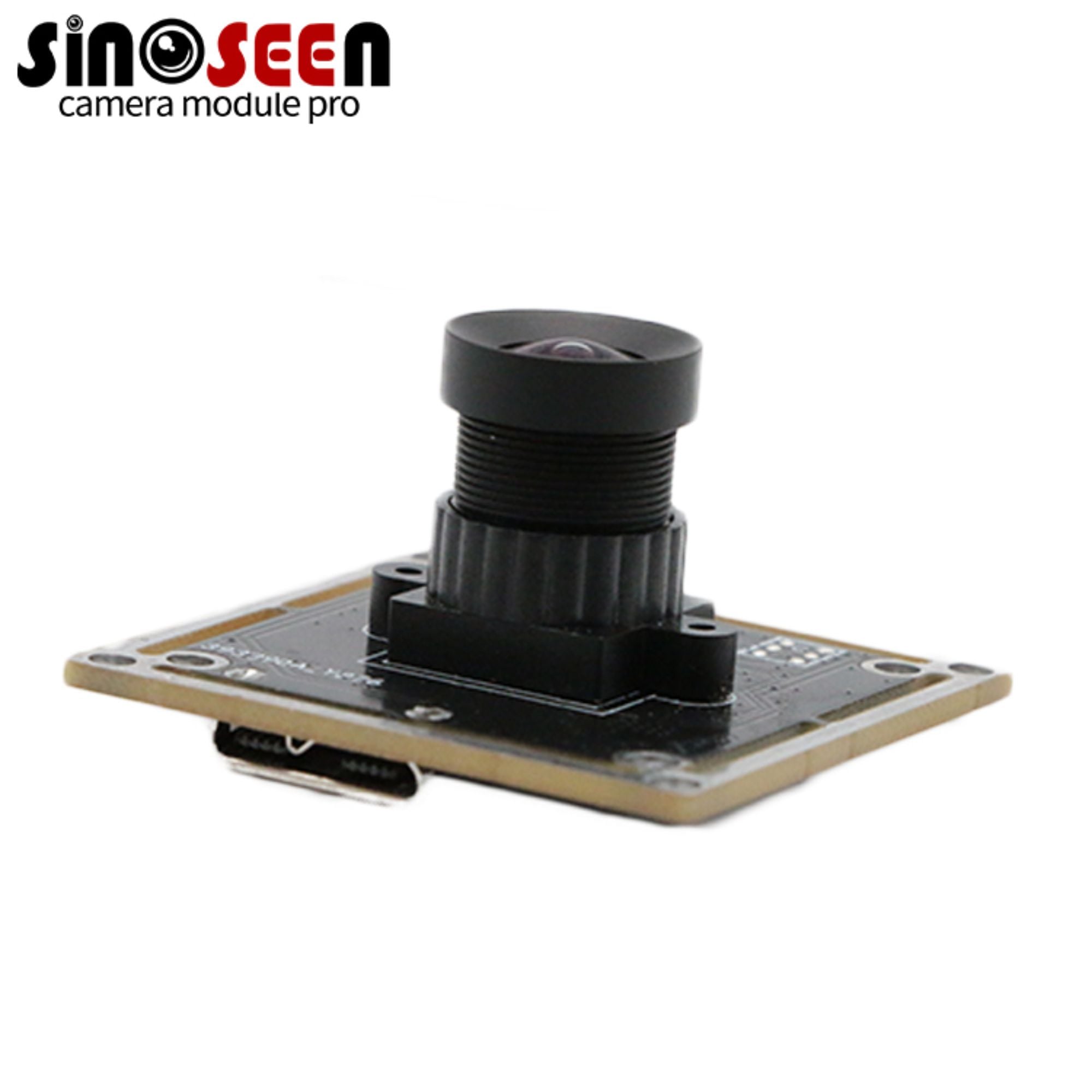
Le opzioni di montaggio flessibili consentono ai moduli della telecamera di integrarsi perfettamente in vari contenitori di sicurezza e sistemi di posizionamento. Interfacce di montaggio standard, tra cui compatibilità C-mount e CS-mount, offrono accesso a un'ampia selezione di obiettivi per soddisfare esigenze personalizzate di campo visivo. Le dimensioni fisiche e le disposizioni dei collegamenti del modulo della telecamera devono adattarsi ai vincoli di spazio all'interno delle custodie di sicurezza garantendo al contempo l'accesso per interventi di manutenzione e regolazione.
La gestione dei cavi diventa importante per installazioni professionali, richiedendo metodi di connessione sicuri e sistemi di alleviamento dello sforzo. L'interfaccia USB 3.0 offre una connettività standardizzata, sebbene le limitazioni di lunghezza del cavo possano richiedere una pianificazione aggiuntiva per collegamenti più lunghi. Alcune applicazioni traggono vantaggio da moduli con cavi integrati, mentre altre richiedono sistemi di connessione modulari per una massima flessibilità durante le operazioni di installazione e manutenzione.
Funzionalità Avanzate di Elaborazione e Controllo
Capacità di elaborazione delle immagini
I moderni moduli per telecamere USB 3.0 incorporano sofisticate funzionalità di elaborazione delle immagini che migliorano l'efficacia della videosorveglianza oltre le semplici capacità di acquisizione. Il controllo automatico del guadagno, la regolazione del bilanciamento del bianco e la compensazione dell'esposizione contribuiscono a mantenere una qualità dell'immagine ottimale in condizioni di illuminazione variabili, senza intervento manuale. Queste funzionalità automatiche riducono la complessità del sistema garantendo al contempo prestazioni di monitoraggio costanti durante tutto il periodo operativo.
Funzionalità avanzate di elaborazione, tra cui algoritmi di riduzione del rumore e miglioramento dei bordi, migliorano la nitidezza dell'immagine, aspetto particolarmente importante per scopi di identificazione. Alcuni moduli offrono un'elaborazione accelerata tramite hardware che riduce il carico computazionale sui sistemi host, consentendo installazioni più efficienti con più telecamere. Le capacità di stabilizzazione digitale dell'immagine possono compensare vibrazioni o movimenti minimi, garantendo riprese di videosorveglianza stabili anche in condizioni difficili di montaggio.
Interfaccia di controllo e opzioni di configurazione
Interfacce di controllo complete consentono agli operatori dei sistemi di sicurezza di ottimizzare le prestazioni delle telecamere per specifiche esigenze di monitoraggio. I parametri controllabili tramite software dovrebbero includere le impostazioni di esposizione, la regolazione del guadagno e la correzione del colore per adattarsi a diverse condizioni ambientali. La disponibilità di interfacce di programmazione applicativa (API) consente l'integrazione con piattaforme di gestione della sicurezza e sistemi di monitoraggio automatizzati, abilitando flussi di lavoro di sorveglianza sofisticati.
Le capacità di configurazione remota riducono i requisiti di manutenzione e permettono l'ottimizzazione in tempo reale dei parametri di monitoraggio. Alcuni moduli di telecamera supportano aggiornamenti del firmware tramite connessioni USB, garantendo l'accesso a funzionalità migliorate e miglioramenti della sicurezza durante tutto il ciclo di vita del prodotto. L'interfaccia di controllo deve offrire una sufficiente granularità per applicazioni professionali mantenendo al contempo l'accessibilità per installazioni di sicurezza standard.
Considerazioni sulla compatibilità e sull'integrazione
Sistema operativo e supporto software
Una vasta compatibilità con i sistemi operativi garantisce che i moduli fotocamera USB 3.0 si integrino efficacemente con diverse piattaforme di gestione della sicurezza e sistemi di registrazione. Il supporto per Windows, Linux e sistemi operativi specializzati per la sicurezza offre flessibilità durante la progettazione del sistema e futuri aggiornamenti. La disponibilità e la stabilità dei driver influiscono direttamente sull'affidabilità del sistema, richiedendo una valutazione della qualità del supporto del produttore e della frequenza degli aggiornamenti per applicazioni professionali.
La disponibilità di un kit di sviluppo software (SDK) consente lo sviluppo di applicazioni personalizzate e l'integrazione con piattaforme di sicurezza specializzate. Una documentazione completa ed esempi di codice riducono i tempi di sviluppo e il rischio tecnico durante l'implementazione del sistema. Il modulo fotocamera dovrebbe supportare interfacce standard di acquisizione video per garantire la compatibilità con le piattaforme software esistenti per la sicurezza e i sistemi di registrazione.
Integrazione in rete e capacità di streaming
Mentre i moduli camera USB 3.0 offrono una connettività diretta al computer, molte applicazioni di sicurezza richiedono l'integrazione in rete per il monitoraggio remoto e i sistemi di registrazione distribuiti. Le capacità di rete del computer host e il software di streaming determinano le prestazioni di rete complessive del sistema e le funzionalità di accesso remoto. La considerazione dei requisiti di codifica e dell'utilizzo della larghezza di banda contribuisce a ottimizzare l'allocazione delle risorse di rete nelle installazioni con più telecamere.
Gli standard di compressione e i protocolli di streaming supportati dal modulo camera o dal software host influenzano l'efficienza di rete e la compatibilità con le piattaforme di gestione della sicurezza. Le installazioni professionali richiedono spesso supporto per codec specifici o standard di streaming per l'integrazione con le infrastrutture di videosorveglianza esistenti. La possibilità di configurare contemporaneamente più formati di streaming consente di ottimizzare sia la registrazione locale che le applicazioni di monitoraggio remoto.
FAQ
Quali specifiche di risoluzione sono più importanti per le applicazioni di sicurezza
Per le applicazioni di sicurezza, di norma è richiesta una risoluzione minima di 1080p per un'identificazione efficace e a fini probatori, anche se le capacità 4K offrono una cattura dei dettagli superiore per installazioni critiche. Il numero effettivo di pixel del sensore dovrebbe corrispondere alla distanza di monitoraggio e al livello di dettaglio richiesto, con risoluzioni più elevate che permettono lo zoom digitale senza una perdita significativa di qualità. Considerare i requisiti di archiviazione e larghezza di banda quando si definisce la risoluzione, poiché le riprese di qualità superiore generano file di dimensioni maggiori, richiedendo una capacità aggiuntiva dell'infrastruttura.
Come si confronta la performance dell'interfaccia USB 3.0 con altri metodi di connessione
USB 3.0 fornisce velocità di trasferimento dati fino a 5 Gbps, superando significativamente il limite di 480 Mbps dell'USB 2.0 pur mantenendo la semplicità plug-and-play. Questa larghezza di banda migliorata supporta flussi video ad alta risoluzione in tempo reale senza artefatti di compressione o perdita di fotogrammi. L'interfaccia offre un eccellente rapporto prezzo-prestazioni rispetto alle interfacce per telecamere specializzate, anche se le limitazioni della lunghezza del cavo potrebbero richiedere attenzione per installazioni estese che superano i 3-5 metri.
Quali caratteristiche di protezione ambientale dovrebbero includere i moduli per telecamere di sicurezza
I moduli per telecamere di sicurezza professionali richiedono adeguati rating di protezione contro le intrusioni in base alle condizioni ambientali previste, inclusa la resistenza a polvere e umidità. Gli intervalli di temperatura operativa devono adattarsi agli estremi ambientali attesi, mentre la resistenza alle vibrazioni garantisce prestazioni stabili in condizioni difficili di installazione. La qualità dei componenti, basata su standard automobilistici o militari, migliora l'affidabilità a lungo termine, con particolare attenzione alla protezione dell'obiettivo e ai rivestimenti antiriflesso per prestazioni ottiche durature.
Quanto è importante la prestazione in condizioni di scarsa illuminazione per le applicazioni di videosorveglianza
Le prestazioni in condizioni di scarsa illuminazione sono fondamentali per le applicazioni di sicurezza, poiché l'efficacia del monitoraggio deve proseguire anche durante le ore notturne e in condizioni di luce difficili. La sensibilità del sensore, misurata attraverso il rapporto segnale-rumore e le specifiche di illuminazione minima, influisce direttamente sulla qualità dell'immagine in ambienti poco illuminati. Tecnologie avanzate del sensore, come progetti con illuminazione posteriore e dimensioni maggiori dei pixel, migliorano significativamente le capacità in condizioni di scarsa luce, mentre la sensibilità all'infrarosso consente applicazioni di visione notturna quando abbinata a sistemi di illuminazione appropriati.