
 EN
EN
 AR
AR
 DA
DA
 NL
NL
 FI
FI
 FR
FR
 DE
DE
 EL
EL
 HI
HI
 IT
IT
 JA
JA
 KO
KO
 NO
NO
 PL
PL
 PT
PT
 RO
RO
 RU
RU
 ES
ES
 SV
SV
 TL
TL
 IW
IW
 ID
ID
 SR
SR
 VI
VI
 HU
HU
 TH
TH
 TR
TR
 FA
FA
 MS
MS
 IS
IS
 AZ
AZ
 UR
UR
 BN
BN
 HA
HA
 LO
LO
 MR
MR
 MN
MN
 PA
PA
 MY
MY
 SD
SD
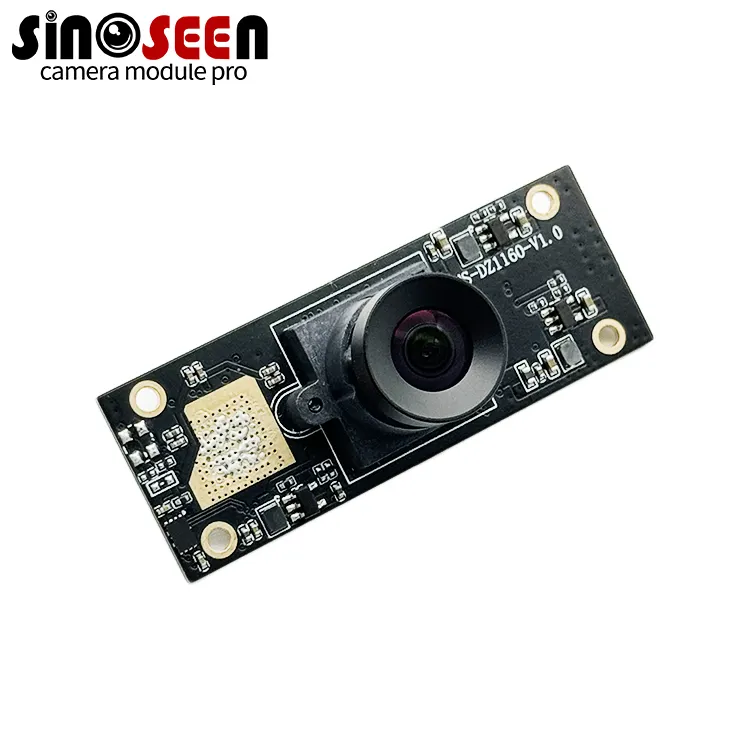
Selecting the right IP camera module factory partner is one of the most critical decisions you can make when developing imaging solutions for your business. The quality, reliability, and innovation capacity of your IP camera module factory directly impact your product's performance, time-to-market, and profitability. Whether you're building surveillance systems, autonomous vehicles, industrial inspection platforms, or smart retail solutions, your choice of IP camera module factory will influence every aspect of your manufacturing journey. This guide provides actionable insights to help you evaluate and select the ideal IP camera module factory partner for your specific needs.
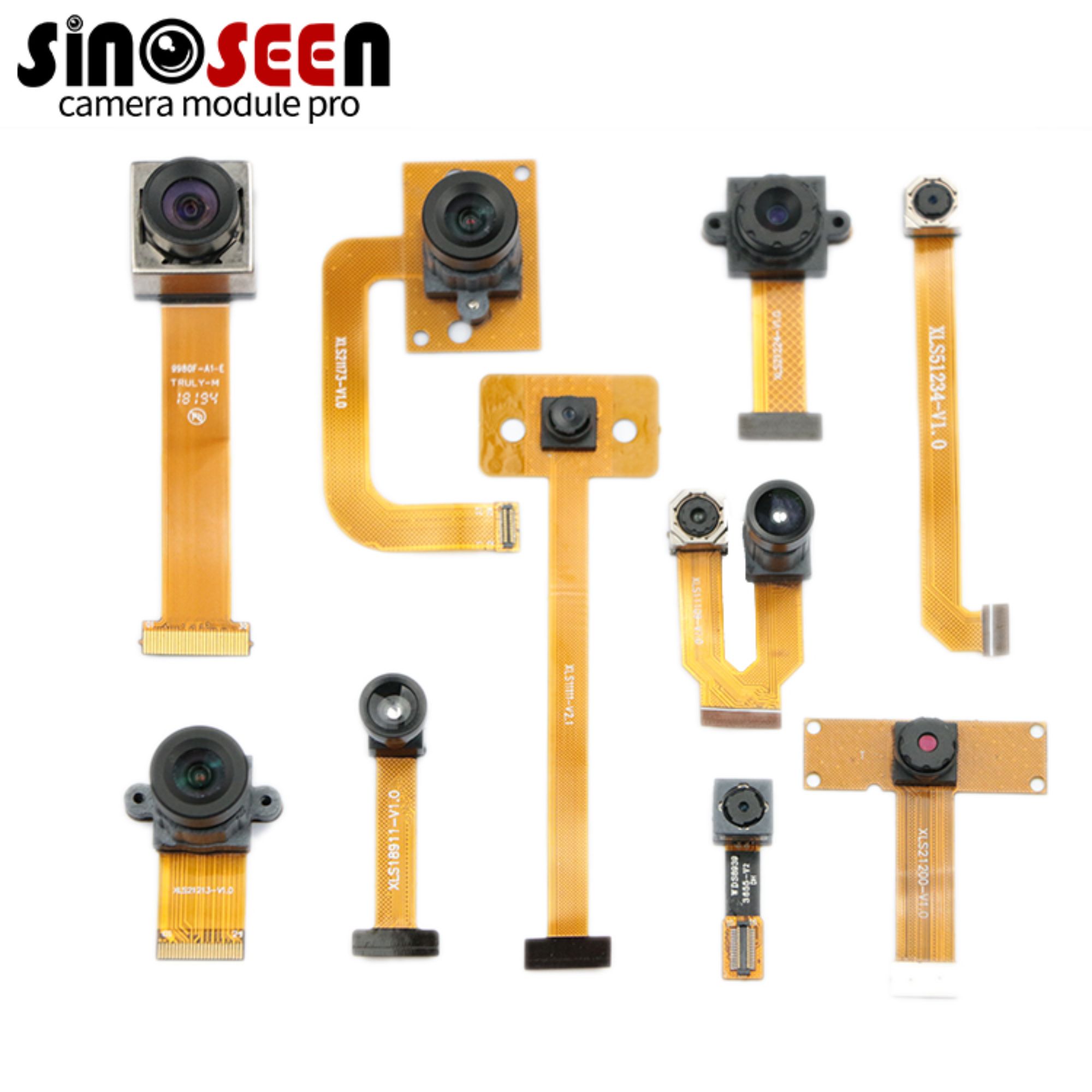
The landscape of IP camera module manufacturing has become increasingly sophisticated, with factories offering specialized capabilities in sensor integration, lens design, processing power, and connectivity options. An IP camera module factory that understands your industry vertical and application requirements can accelerate your development cycle, reduce technical risk, and deliver superior image quality that differentiates your end product in the marketplace.
Evaluating Technical Capabilities and Customization
Core Technology Stack and Sensor Expertise
Your IP camera module factory must demonstrate deep expertise in sensor selection, image signal processing, and optical design. A strong IP camera module factory will offer access to multiple sensor generations from leading suppliers, allowing you to match resolution, low-light performance, and frame rates to your application. The factory should explain how they optimize sensor performance through careful lens selection, filter design, and ISP tuning. Look for documentation of previous projects with similar use cases, thermal analysis capabilities, and experience with edge processing requirements.
An exceptional IP camera module factory invests in proprietary image processing algorithms that enhance performance beyond raw sensor specifications. This includes noise reduction, dynamic range expansion, color accuracy, and motion detection optimization. Ask your IP camera module factory candidate about their testing laboratories, equipment calibration procedures, and quality metrics for optical performance. The factory should provide detailed specifications on MTF curves, distortion characteristics, and real-world sample images across lighting conditions.
Customization Flexibility and Design Support
Manufacturing partnerships require the IP camera module factory to adapt designs to your unique constraints. Whether you need compact form factors, specialized interfaces, extreme temperature ratings, or integration with proprietary processors, the right IP camera module factory balances flexibility with manufacturing efficiency. Evaluate whether your IP camera module factory offers modular architecture, allowing you to upgrade sensors or processors without redesigning the entire module. Request examples of custom projects to verify they've handled similar complexity.
The best IP camera module factory partners provide design support services including simulation, prototyping, and iterative refinement. They should have mechanical engineers who understand your system integration constraints, electrical engineers versed in power budgeting and thermal management, and software specialists who can optimize firmware for your platform. Discuss their typical development timeline, how they handle design iterations, and whether they provide design validation reports that meet your certification requirements.
Assessing Production Capacity and Supply Chain Reliability
Manufacturing Scale and Scaling Capability
Your IP camera module factory partner must demonstrate the production capacity to meet your current needs while maintaining the ability to scale as your business grows. A capable IP camera module factory maintains multiple production lines, employs automated assembly for consistency, and implements statistical process control to maintain quality across high volumes. Request details about their annual production capacity, current utilization rates, and documented cases of successfully scaling production for clients. The factory should explain their approach to capacity planning and how they coordinate with component suppliers.
Understanding the IP camera module factory's supply chain resilience protects you from manufacturing disruptions. Ask about dual-sourcing strategies for critical components, inventory buffers for long-lead items, and business continuity plans for facility disruptions. A professional IP camera module factory maintains relationships with multiple sensor suppliers, can specify alternative parts when preferred components face shortages, and provides visibility into supply chain risks. Request their track record during component shortages and their approach to cost management during price fluctuations.
Quality Management and Continuous Improvement
An IP camera module factory operating at professional standards maintains ISO 9001 certification and implements Six Sigma or equivalent quality methodologies. The factory should provide defect rate metrics, traceability for all manufactured units, and detailed documentation of quality checks at each production stage. Verify that your IP camera module factory conducts accelerated life testing, performs environmental stress screening, and maintains statistical records of field failures. The factory should demonstrate a culture of continuous improvement with regular process audits and documented corrective actions.
Quality agreements with your IP camera module factory should specify acceptable defect rates, warranty periods, root cause analysis procedures, and escalation processes for issues. The factory should employ automated inspection systems for assembly verification, optical performance testing, and functional validation of every module produced. Request access to their quality management system and ask how the IP camera module factory tracks metrics over time. Strong factories proactively identify process drift before it impacts product quality and communicate improvements to customers.
Evaluating Partnership Terms and Business Alignment
Intellectual Property Protection and Confidentiality
Your IP camera module factory relationship will involve sharing proprietary specifications, software, and potentially sensor calibration data. Ensure the factory maintains strict confidentiality agreements, limits access to your designs to essential personnel, and has clear policies preventing them from sharing your innovations with competitors. A professional IP camera module factory will have legal frameworks for protecting your intellectual property, preventing unauthorized use of your designs, and maintaining clear ownership of custom firmware or algorithms you develop together. Request their policies regarding customer data protection and how they handle sensitive documentation.
Ownership of improvements is another critical contractual element. Clarify whether enhancements developed during manufacturing—such as process optimizations or firmware refinements—belong to you, the IP camera module factory, or are jointly owned. Strong IP camera module factory partners clearly separate customer-specific customizations from general platform improvements, ensuring you benefit from work funded by your development investment. Request examples of how the factory has handled improvement ownership with previous clients and whether they're willing to provide exclusive access to certain customizations.
Long-Term Viability and Partnership Flexibility
Assess the IP camera module factory's financial stability, ownership structure, and strategic direction. A factory with strong fundamentals, consistent management, and healthy cash flow is more likely to remain a reliable partner over the years your product remains in production. Request financial references from long-term customers and ask about the factory's investment in new equipment, facility expansion, or technology upgrades. The IP camera module factory should articulate its vision for technology evolution and how it plans to remain competitive as imaging demands advance.
Your partnership agreement with the IP camera module factory should address what happens if you need to transition production, require end-of-life components after manufacturing ceases, or want to develop a second-source relationship. A trustworthy IP camera module factory will cooperate on transition activities, provide detailed manufacturing documentation, and support qualification of alternative suppliers if needed. Discuss pricing guarantees, volume commitments, and minimum order quantities to ensure alignment with your business model. The factory should demonstrate willingness to work with your constraints rather than imposing rigid terms.
FAQ
What should I prioritize when selecting an IP camera module factory?
Begin by identifying your core technical requirements: resolution, sensor type, frame rate, interface standards, and environmental specifications. Then evaluate potential partners on three dimensions. First, technical capability—does the IP camera module factory have proven expertise with your sensor type and can they support your customization needs? Second, production reliability—can they scale to your expected volumes, maintain consistent quality, and recover from supply chain disruptions? Third, partnership alignment—do their business practices, IP policies, and commitment to long-term growth match your company's values and strategic direction? Reference checks from existing customers who have similar product complexity should heavily influence your decision.
How do I verify an IP camera module factory's quality standards?
Request certification documentation including ISO 9001 and any industry-specific standards relevant to your application. The IP camera module factory should provide detailed quality metrics including defect rates, mean time between failures from field data, and statistical process control charts. Ask to visit the facility and observe production lines, testing areas, and quality control processes. Examine their test reports for sample units, request traceability for specific serial numbers, and discuss how the IP camera module factory handles and investigates customer complaints. Ask for customer references and speak directly with companies that have been with the factory for several years about their experience with consistency and responsiveness to quality issues.
What contractual protections should I establish with an IP camera module factory?
Your agreement with the IP camera module factory should specify confidentiality obligations, intellectual property ownership for custom work, quality standards with defined remedies, pricing terms with volume discounts and escalation clauses, and minimum order quantities. Include provisions for design changes, supply chain transparency, and your rights to audit manufacturing processes. Address what occurs if the IP camera module factory faces financial difficulty or if you need to transition production. Define performance expectations for lead times, quality metrics, and technical support. The factory should agree to maintain your design documentation and support obsolescence management when components reach end of life, ensuring you can continue producing your systems throughout their market lifecycle.