Innovative Camera Modules for Every Application | Sinoseen

All Categories

cmos camera board

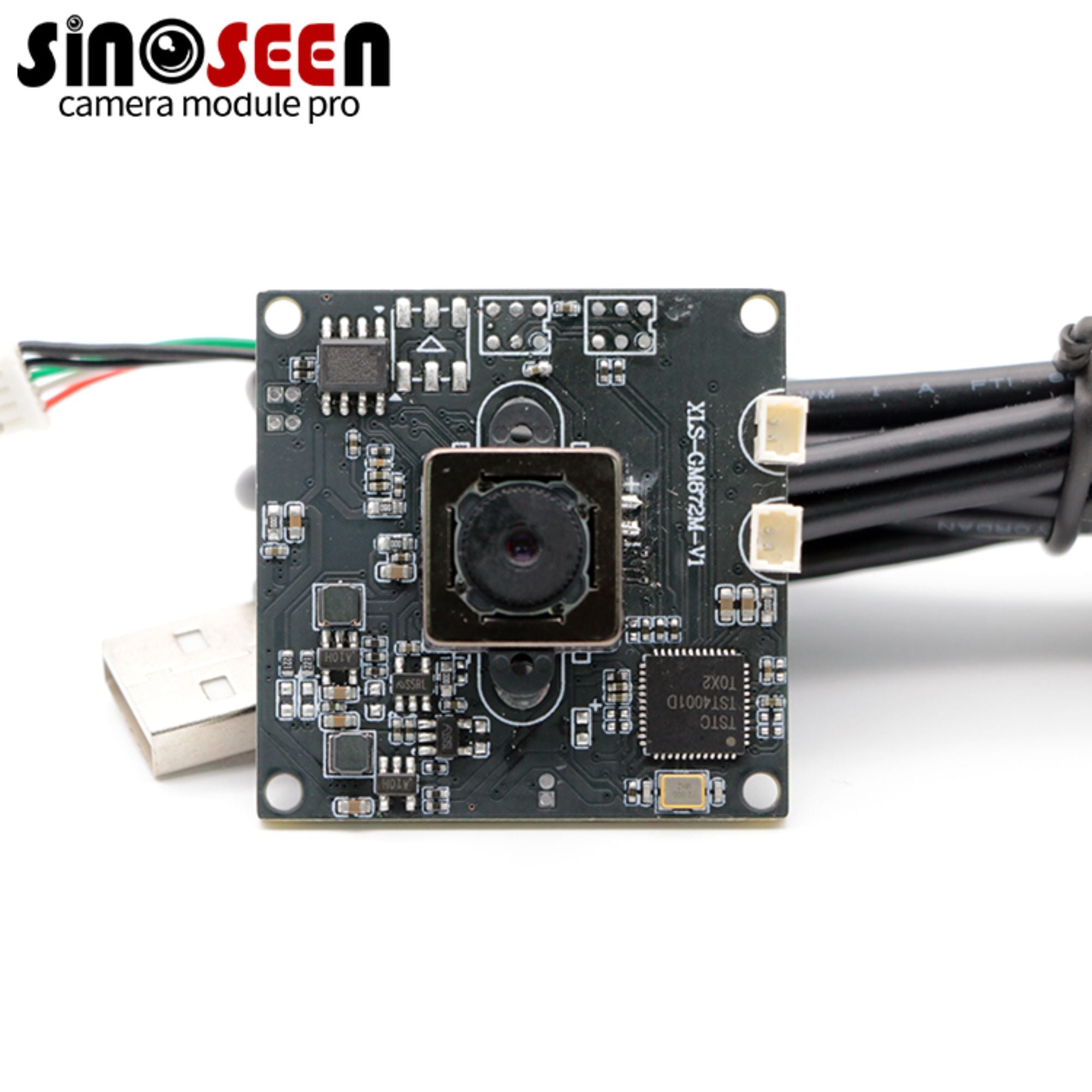
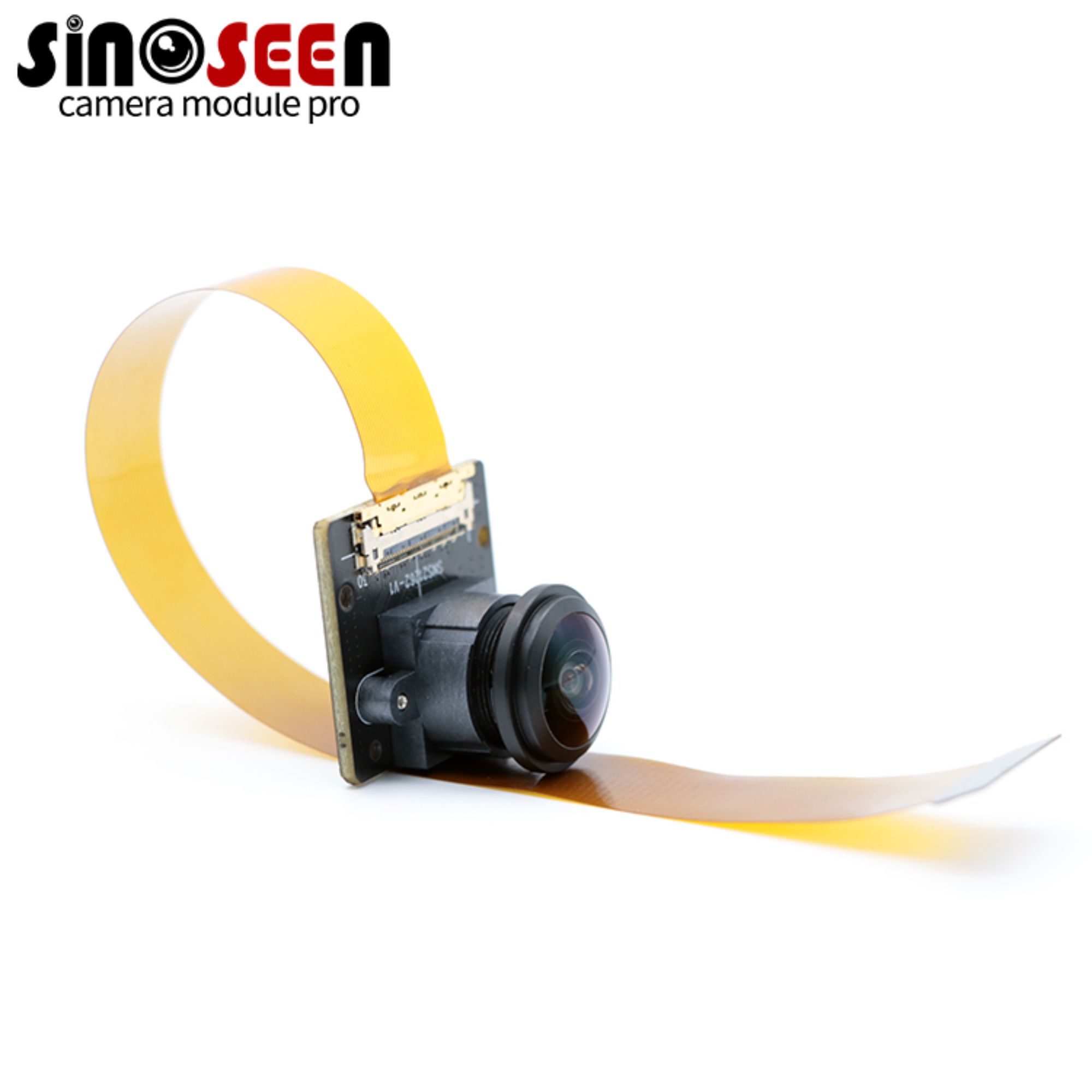
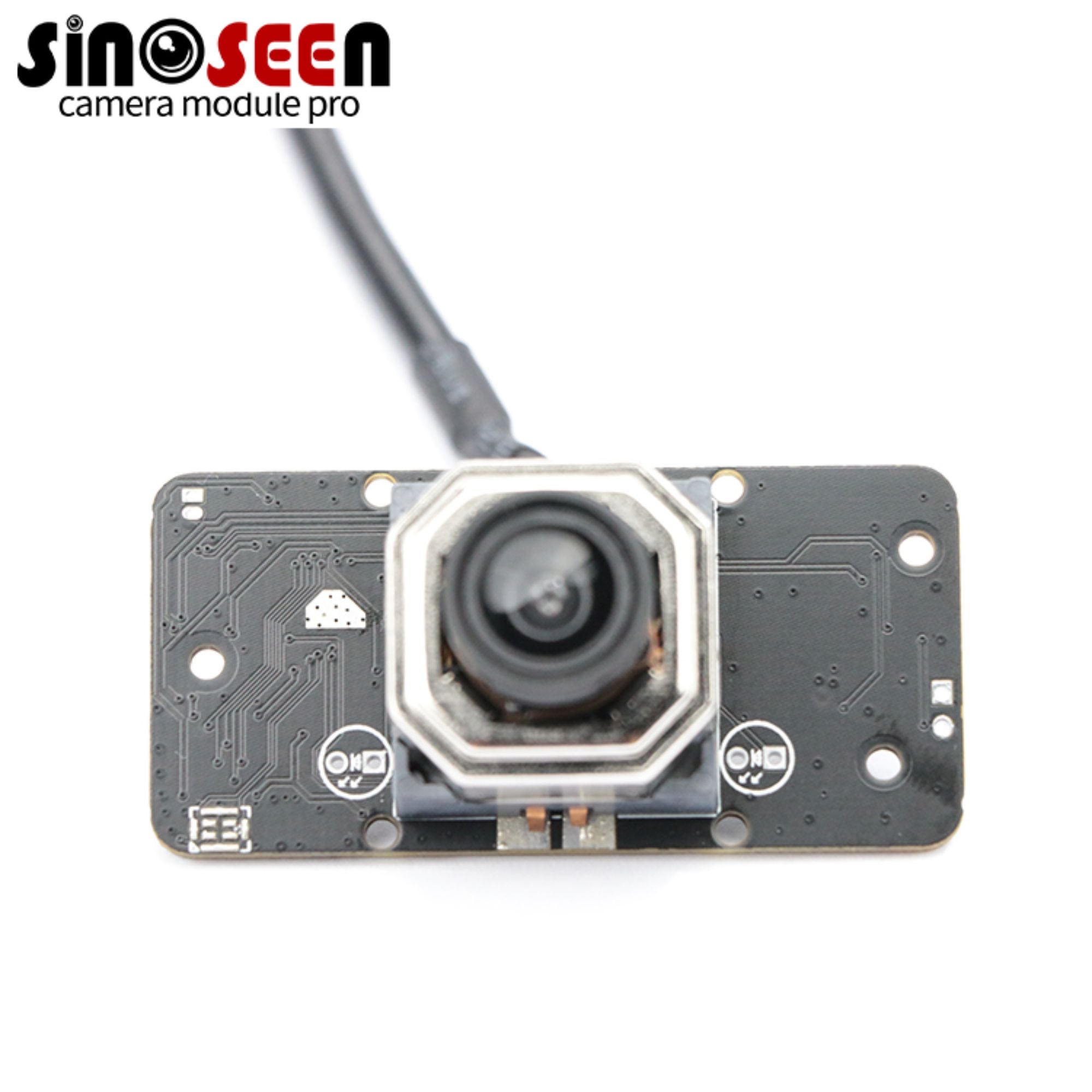
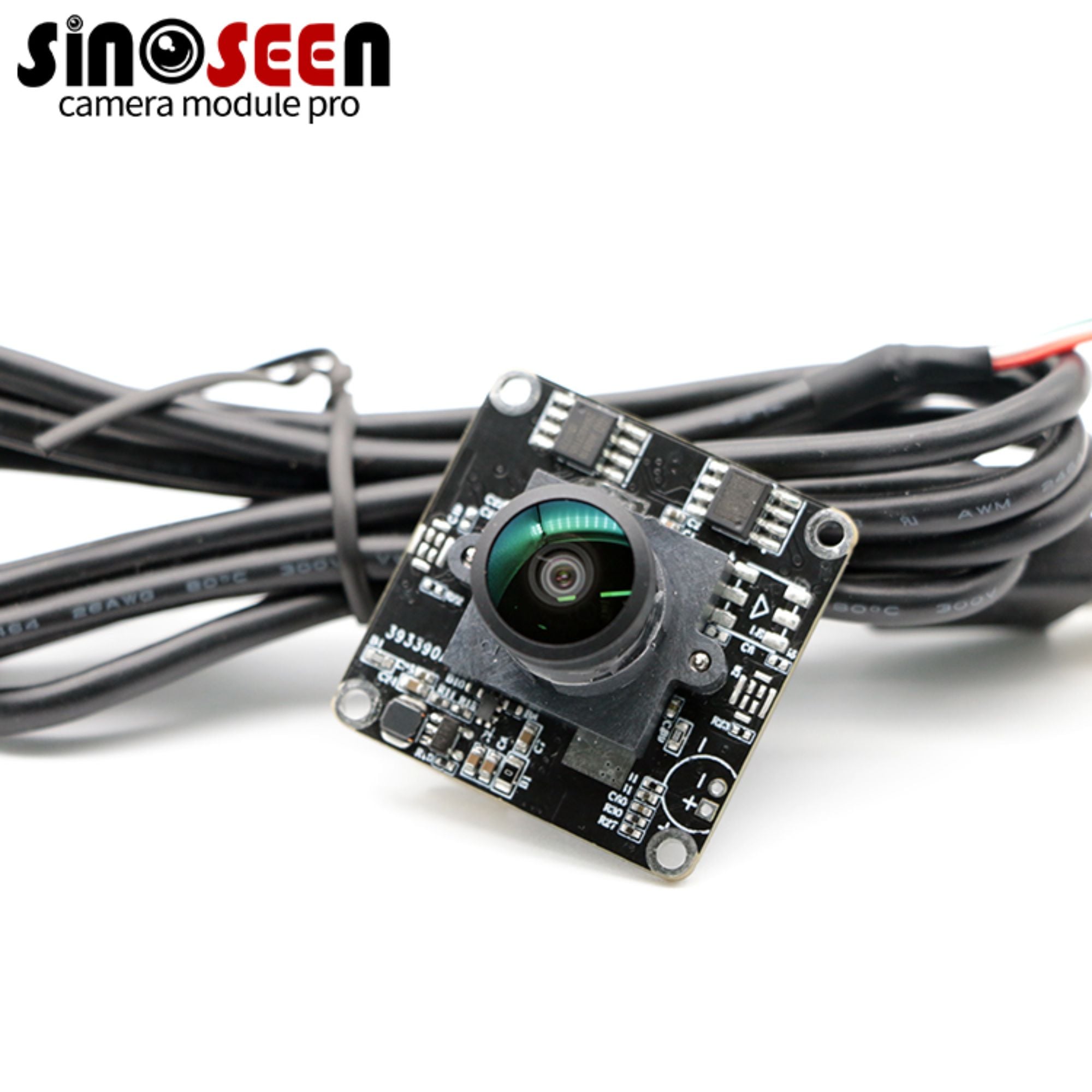
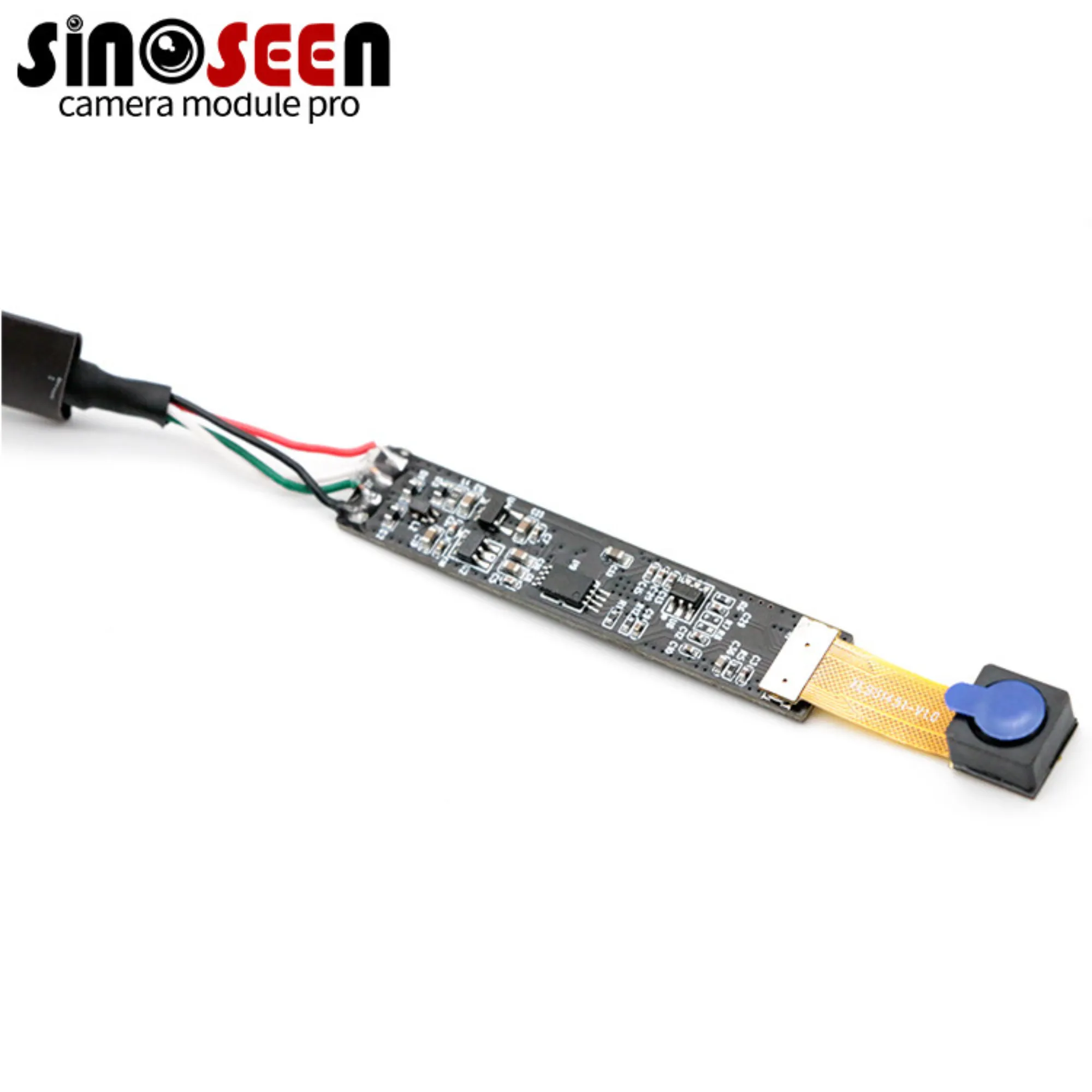
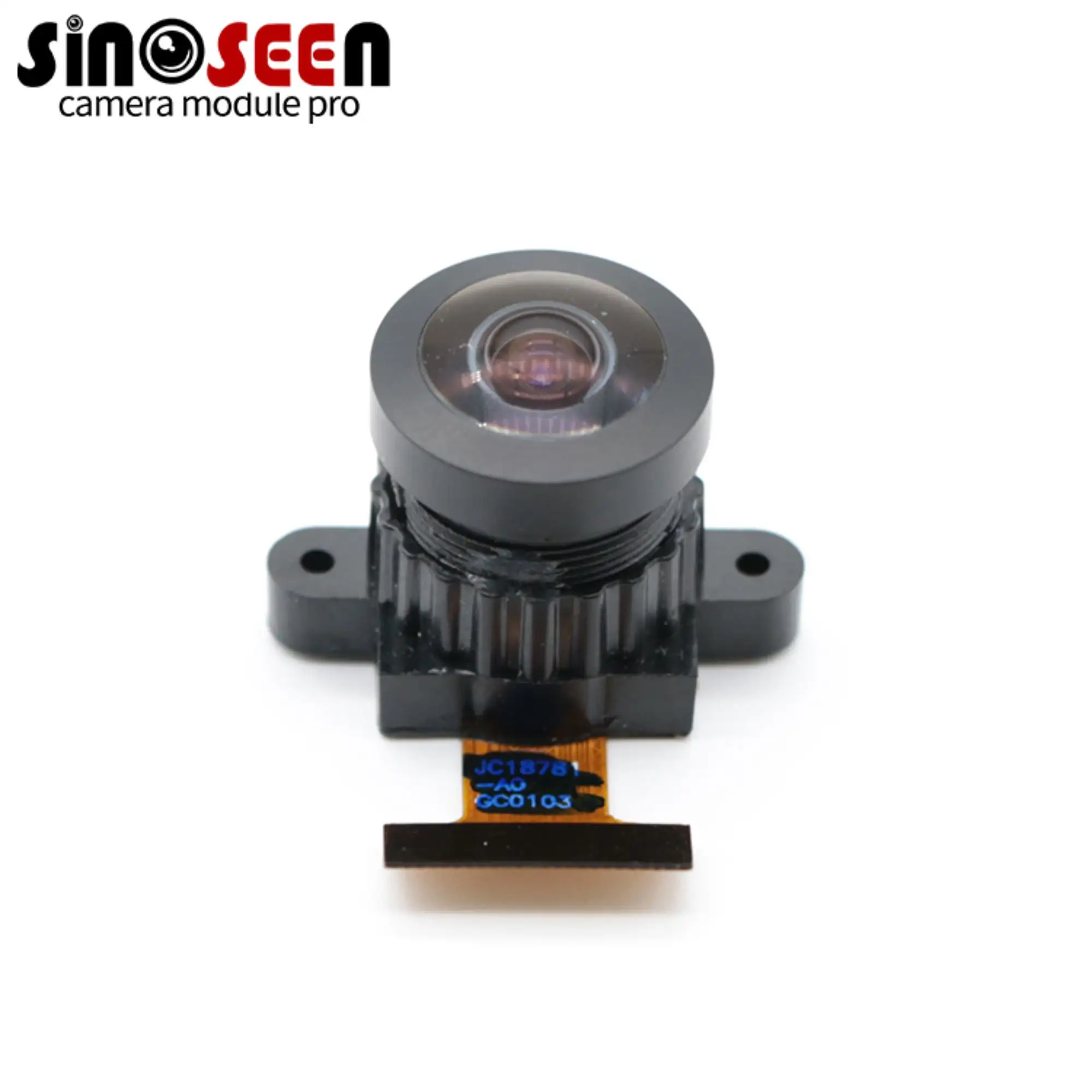
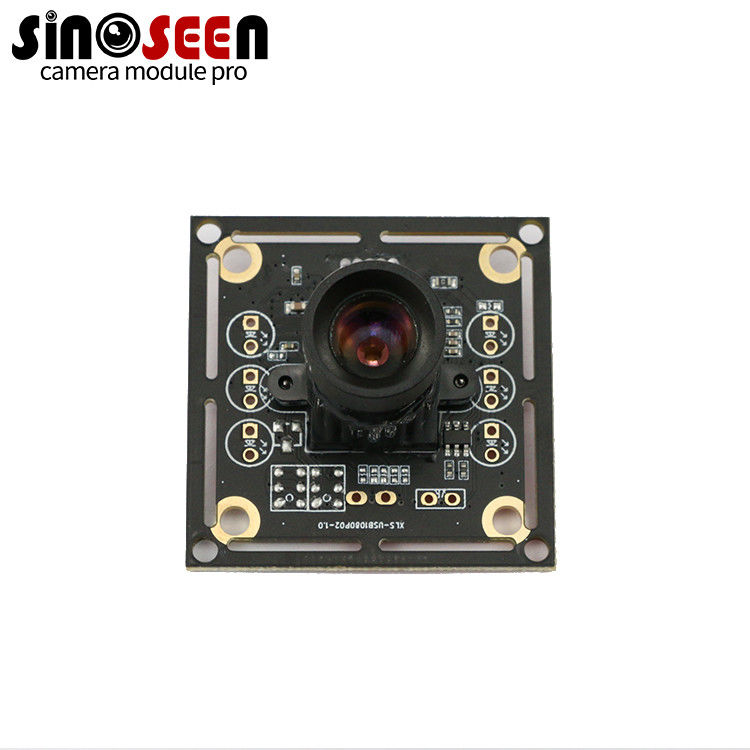
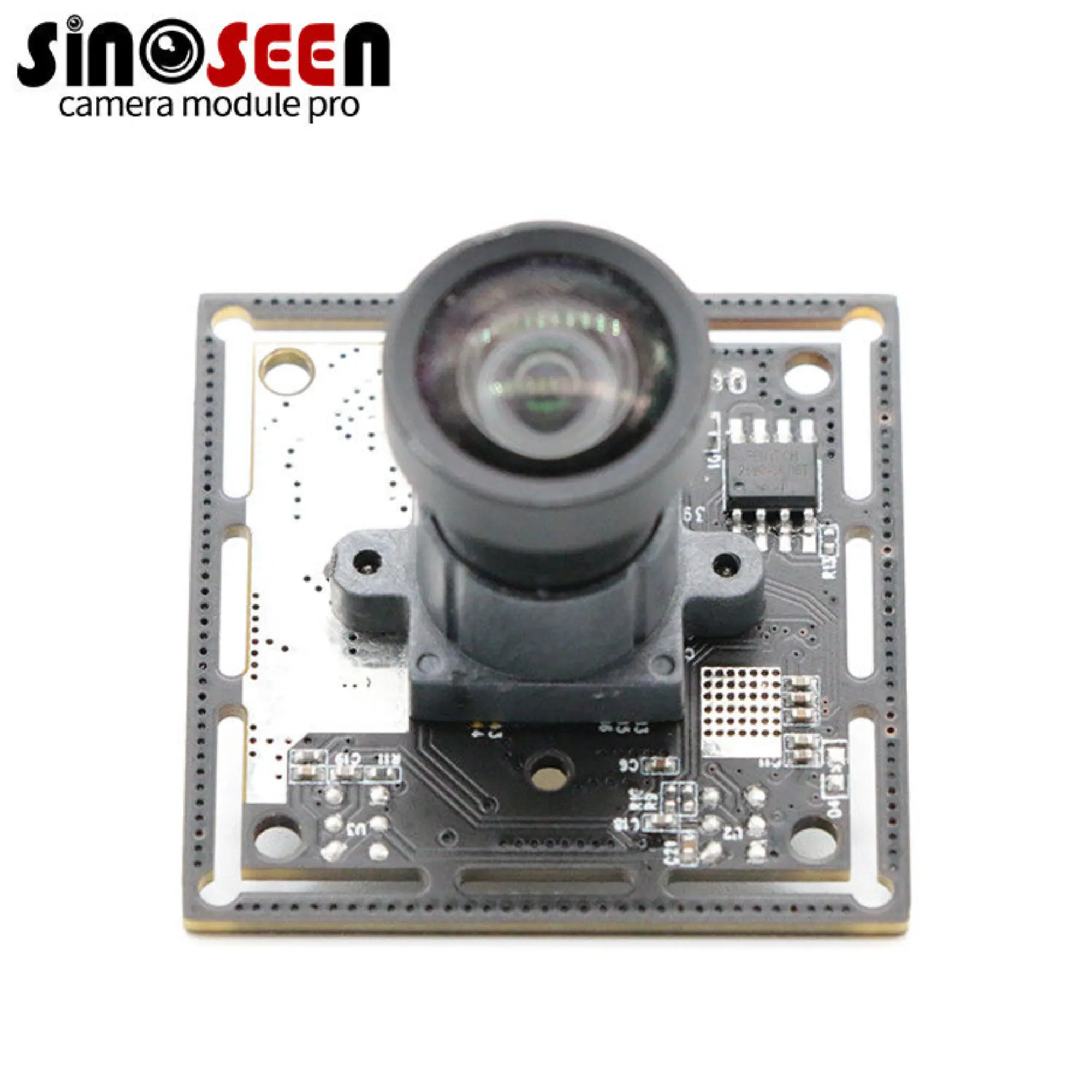
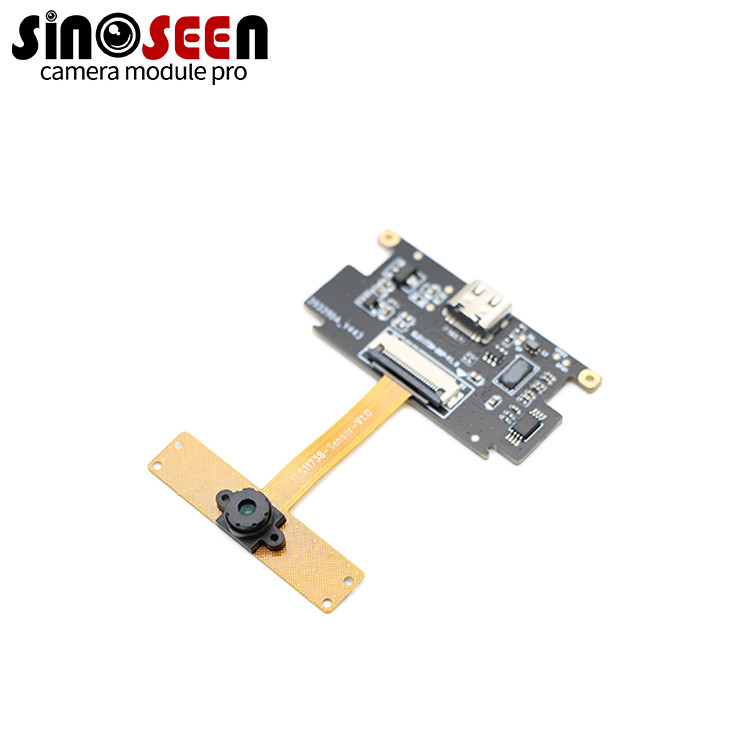
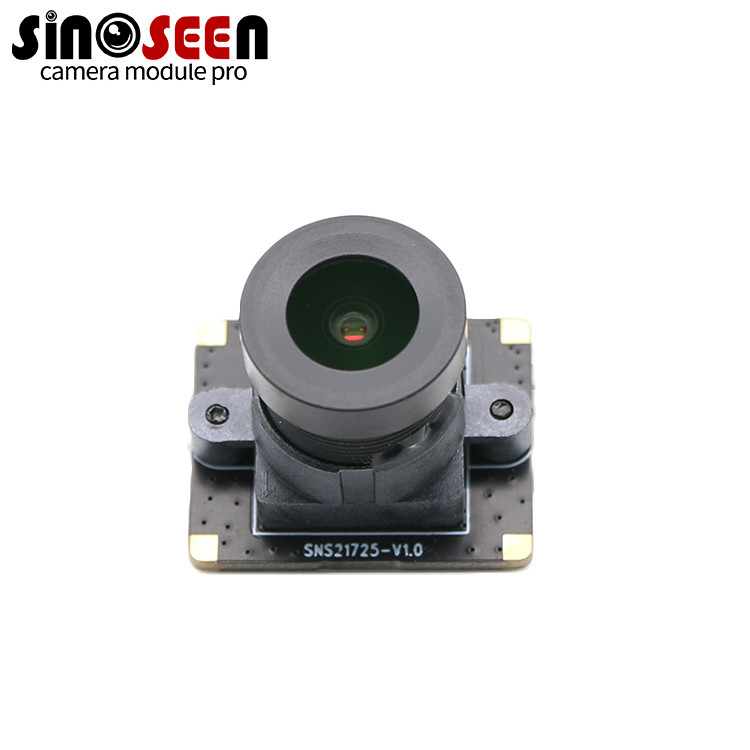
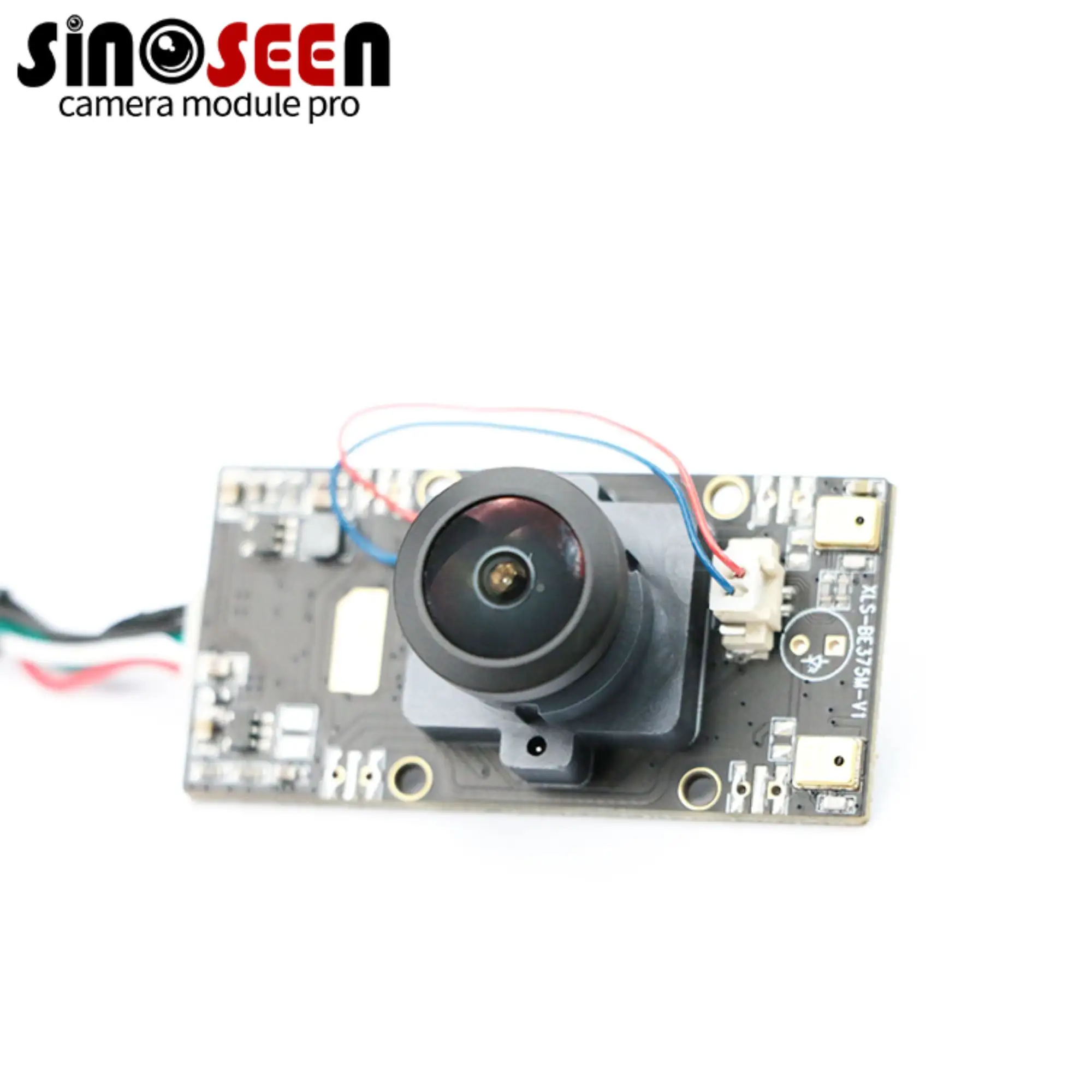
The CMOS camera board represents a revolutionary advancement in digital imaging technology, offering exceptional performance and versatility for diverse applications. This compact electronic module integrates a complementary metal-oxide-semiconductor (CMOS) image sensor with sophisticated processing circuitry, creating a complete imaging solution that delivers high-quality visual capture capabilities. The CMOS camera board functions as the core component in modern digital imaging systems, converting light into electrical signals that generate detailed digital images and videos. Its primary functions include light detection, signal amplification, noise reduction, and digital image processing, all while maintaining remarkable energy efficiency and compact form factor. The technological features of the CMOS camera board encompass advanced pixel architecture, integrated analog-to-digital converters, programmable gain control, and sophisticated timing circuits. These components work harmoniously to produce superior image quality with excellent color reproduction, sharp detail resolution, and impressive dynamic range. The board incorporates cutting-edge fabrication processes that enable miniaturization without compromising performance, making it suitable for space-constrained applications. Modern CMOS camera boards support various output formats, including standard video interfaces and high-speed digital protocols, ensuring compatibility with diverse host systems. Applications for CMOS camera boards span numerous industries, from consumer electronics and automotive systems to medical devices and industrial automation. In smartphones and tablets, these boards enable high-resolution photography and video recording capabilities. Security surveillance systems rely on CMOS camera boards for continuous monitoring and recording. Medical imaging equipment utilizes specialized variants for diagnostic procedures, while automotive applications include backup cameras, lane departure warnings, and autonomous driving systems. Industrial quality control processes benefit from the precise imaging capabilities of CMOS camera boards, enabling automated inspection and measurement tasks that ensure product consistency and reliability.

Popular Products

CMOS camera boards offer substantial advantages that make them superior choices for modern imaging applications, delivering exceptional value through their innovative design and advanced technological implementation. Power consumption stands as one of the most significant benefits, as CMOS camera boards require dramatically less electrical energy compared to alternative imaging technologies. This efficiency stems from the inherent design of CMOS sensors, which only activate pixels when needed, resulting in extended battery life for portable devices and reduced operational costs for continuous monitoring systems. The low power consumption makes CMOS camera boards ideal for mobile applications, wireless security cameras, and Internet of Things devices where energy conservation is paramount. Cost-effectiveness represents another compelling advantage, as CMOS camera boards utilize standard semiconductor manufacturing processes that enable mass production at competitive prices. This affordability makes advanced imaging capabilities accessible to a broader range of applications and budgets, from consumer gadgets to professional equipment. Integration capabilities provide remarkable flexibility, as CMOS camera boards can incorporate additional processing functions directly on the chip, including automatic exposure control, white balance adjustment, and digital signal processing. This integration reduces system complexity, minimizes component count, and improves overall reliability while decreasing manufacturing costs and assembly time. Speed performance delivers exceptional advantages through rapid image capture and processing capabilities. CMOS camera boards support high frame rates and fast readout speeds, enabling smooth video recording, real-time image analysis, and responsive autofocus systems. This performance advantage proves crucial for applications requiring immediate feedback, such as augmented reality systems, motion detection, and high-speed industrial processes. Scalability offers tremendous benefits as CMOS camera boards are available in various resolutions, sizes, and configurations to match specific application requirements. Manufacturers can select from compact modules for miniature devices or high-resolution boards for professional imaging systems, ensuring optimal performance without unnecessary complexity or expense. Durability advantages include resistance to mechanical shock, temperature variations, and electromagnetic interference, making CMOS camera boards reliable for harsh operating environments and long-term deployment scenarios.

Practical Tips

Why Choose a High-Performance Embedded Camera Module for AI Applications?

02

Mar

Why Choose a High-Performance Embedded Camera Module for AI Applications?

Artificial intelligence applications demand precision, speed, and reliability in their visual data acquisition systems. An embedded camera module serves as the critical foundation for AI-powered devices, from autonomous vehicles to smart manufacturin...
View More
 How to Select the Right AI Camera Module for Facial Recognition Systems?

02

Mar

How to Select the Right AI Camera Module for Facial Recognition Systems?

Selecting the appropriate AI camera module for facial recognition systems represents a critical decision that directly impacts system performance, accuracy, and overall operational efficiency. Modern facial recognition applications demand sophisticat...
View More
How to Optimize Low-Light Performance in Custom Camera Module Designs?

02

Mar

How to Optimize Low-Light Performance in Custom Camera Module Designs?

Custom camera module designs face unique challenges when operating in environments with minimal illumination, making low-light performance optimization a critical engineering consideration. Modern applications ranging from security surveillance to au...
View More
Why do Robotics Manufacturers Prefer High-Speed AI Camera Modules?

02

Mar

Why do Robotics Manufacturers Prefer High-Speed AI Camera Modules?

The robotics industry has experienced unprecedented growth in recent years, with manufacturers increasingly demanding sophisticated vision systems that can process visual data at lightning speed. High-speed AI camera modules have emerged as the corne...
View More

Get In Touch

cmos camera board

Superior Image Quality and Advanced Processing Capabilities

Superior Image Quality and Advanced Processing Capabilities

The CMOS camera board delivers exceptional image quality through sophisticated sensor technology and integrated processing capabilities that transform ordinary visual capture into professional-grade imaging performance. Advanced pixel architecture within the CMOS camera board incorporates larger photodiodes and improved microlens designs that maximize light collection efficiency, resulting in superior low-light performance and enhanced dynamic range. This technological advancement enables the CMOS camera board to capture clear, detailed images even in challenging lighting conditions, making it invaluable for security applications, medical imaging, and outdoor monitoring systems. The integrated image signal processor within the CMOS camera board performs real-time optimization of captured images, automatically adjusting exposure, contrast, and color balance to ensure consistent, high-quality results. Noise reduction algorithms embedded in the CMOS camera board effectively minimize digital artifacts and grain, producing clean images with excellent clarity and professional appearance. Color reproduction accuracy represents a standout feature of modern CMOS camera boards, with advanced color filter arrays and calibration processes ensuring faithful representation of natural colors across diverse lighting conditions. The high-resolution capabilities of CMOS camera boards enable detailed image capture suitable for applications requiring precise visual documentation, including quality control processes, scientific research, and forensic analysis. Digital zoom functionality integrated into CMOS camera boards maintains image quality during magnification operations, providing users with flexible framing options without sacrificing detail or clarity. Advanced autofocus systems within CMOS camera boards utilize sophisticated algorithms to achieve rapid, accurate focusing across varying distances and lighting conditions, ensuring sharp images in dynamic environments. White balance adjustment capabilities automatically compensate for different light sources, maintaining natural color appearance whether operating under fluorescent, incandescent, or natural lighting conditions. The CMOS camera board also incorporates advanced exposure control systems that prevent overexposure and underexposure, maintaining optimal image brightness and detail retention across challenging lighting scenarios.
Compact Design and Seamless Integration Solutions

Compact Design and Seamless Integration Solutions

The CMOS camera board excels in compact design and integration flexibility, providing manufacturers and developers with versatile solutions that fit seamlessly into diverse applications without compromising performance or functionality. Miniaturization achievements in CMOS camera board design enable integration into space-constrained devices where traditional imaging solutions would be impractical or impossible to implement. Modern CMOS camera boards measure as small as a few millimeters while delivering full-featured imaging capabilities, making them perfect for smartphone integration, wearable devices, and miniature surveillance systems. The lightweight construction of CMOS camera boards reduces overall system weight, crucial for aerospace applications, drone systems, and portable equipment where every gram matters. Flexible mounting options accommodate various installation requirements, with CMOS camera boards available in different form factors including flat modules, angled configurations, and custom shapes designed for specific applications. Multiple interface options ensure compatibility with existing systems, as CMOS camera boards support various communication protocols including USB, MIPI, and parallel interfaces, enabling straightforward integration with microcontrollers, processors, and embedded systems. Plug-and-play functionality simplifies installation processes, allowing developers to quickly incorporate CMOS camera board capabilities into their designs without extensive custom programming or complex configuration procedures. Standardized connectors and pinout configurations facilitate rapid prototyping and system development, reducing time-to-market for products incorporating CMOS camera board technology. Modular design approaches enable system architects to select appropriate CMOS camera board variants based on specific performance requirements, resolution needs, and budget constraints without redesigning entire systems. Cable-free integration options, including direct PCB mounting and ribbon cable connections, minimize installation complexity and improve system reliability by reducing potential failure points. The CMOS camera board design accommodates various lens options, from fixed-focus configurations for cost-sensitive applications to adjustable focus systems for professional imaging requirements. Environmental protection features built into CMOS camera boards include dust resistance, moisture protection, and temperature stability, ensuring reliable operation in challenging conditions without requiring additional protective enclosures.
Cost-Effective Performance and Long-Term Reliability

Cost-Effective Performance and Long-Term Reliability

The CMOS camera board provides exceptional value through cost-effective performance and long-term reliability that significantly reduces total ownership costs while delivering consistent, professional-quality imaging capabilities throughout extended operational periods. Manufacturing efficiency advantages inherent in CMOS camera board production utilize established semiconductor fabrication processes, enabling high-volume production with consistent quality control and competitive pricing structures that make advanced imaging technology accessible across diverse market segments. Energy efficiency characteristics of CMOS camera boards translate directly into operational cost savings, particularly in battery-powered applications and systems requiring continuous operation where reduced power consumption extends service intervals and decreases maintenance requirements. Low heat generation properties eliminate the need for complex cooling systems, reducing system complexity and associated costs while improving overall reliability and extending component lifespan. Standardized components and interfaces within CMOS camera boards facilitate easy replacement and upgrade procedures, minimizing downtime and service costs when maintenance becomes necessary. Quality assurance protocols implemented during CMOS camera board manufacturing ensure consistent performance standards and reduce field failure rates, protecting investments and maintaining system availability. Extended operational temperature ranges supported by CMOS camera boards eliminate the need for environmental control systems in many applications, reducing installation and operational costs while expanding deployment possibilities. Durability testing conducted on CMOS camera boards includes vibration resistance, shock tolerance, and environmental stress evaluation, ensuring reliable performance in demanding applications without premature failure or degraded performance. Firmware upgradeability features built into modern CMOS camera boards enable performance improvements and feature additions through software updates, extending product lifespan and protecting initial investments. Supply chain stability for CMOS camera board components ensures consistent availability and pricing, enabling long-term project planning and bulk purchasing advantages for large-scale deployments. Technical support infrastructure surrounding CMOS camera boards includes comprehensive documentation, application examples, and engineering assistance that reduces development time and implementation costs. Warranty coverage and reliability statistics demonstrate manufacturer confidence in CMOS camera board performance, providing customers with assurance regarding long-term operational success and return on investment.

Related Search

Get in touch