 EN
EN
 AR
AR
 DA
DA
 NL
NL
 FI
FI
 FR
FR
 DE
DE
 EL
EL
 HI
HI
 IT
IT
 JA
JA
 KO
KO
 NO
NO
 PL
PL
 PT
PT
 RO
RO
 RU
RU
 ES
ES
 SV
SV
 TL
TL
 IW
IW
 ID
ID
 SR
SR
 VI
VI
 HU
HU
 TH
TH
 TR
TR
 FA
FA
 MS
MS
 IS
IS
 AZ
AZ
 UR
UR
 BN
BN
 HA
HA
 LO
LO
 MR
MR
 MN
MN
 PA
PA
 MY
MY
 SD
SD

How to Choose the Best IR Cut Camera Module for Low-Light Environments
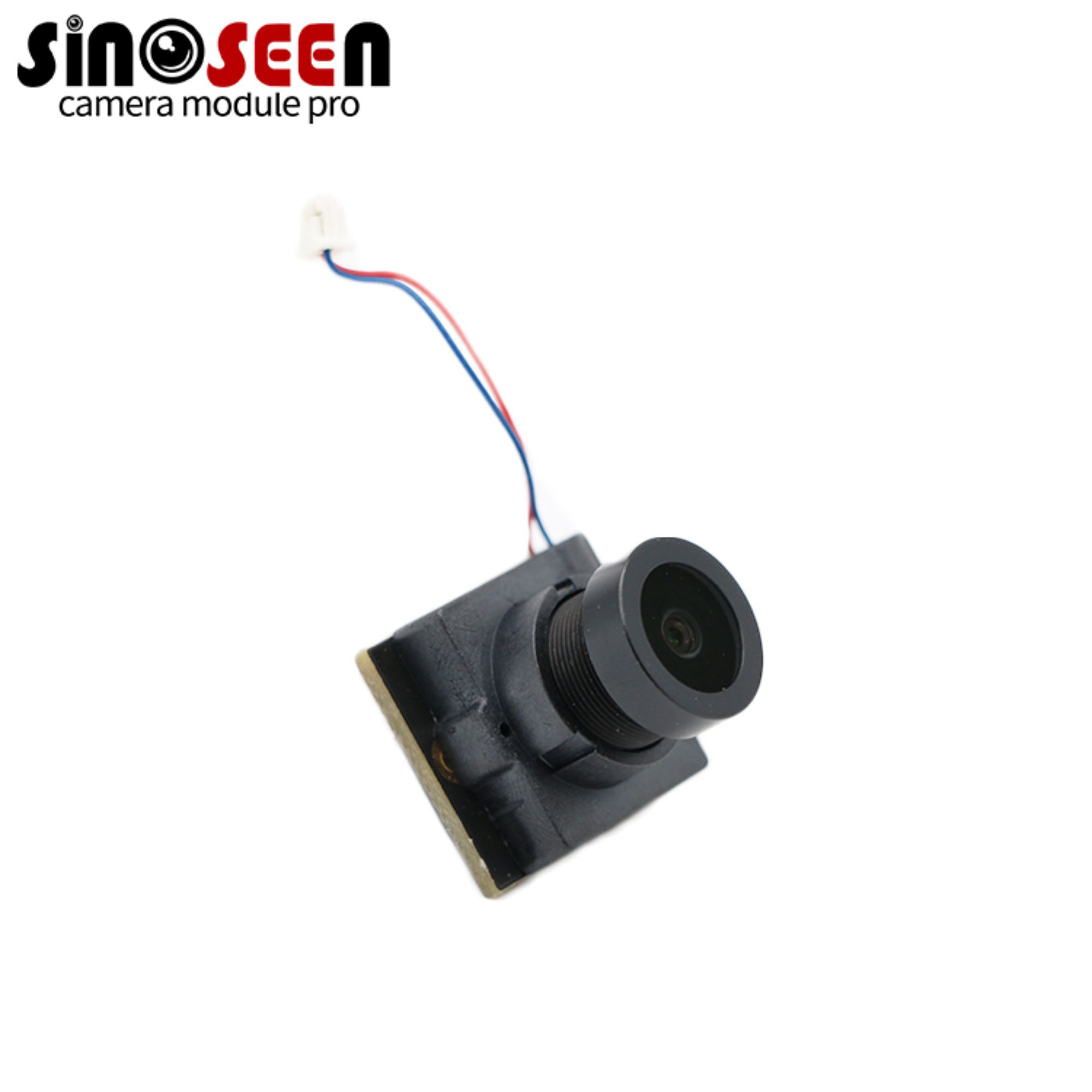
Modern surveillance and imaging applications demand exceptional performance in challenging lighting conditions, making the selection of appropriate camera technology critical for success. An IR cut camera module represents a sophisticated solution that addresses the complexities of capturing high-quality images across varying light environments. These advanced modules incorporate specialized filtering mechanisms that automatically adjust to ambient lighting conditions, ensuring optimal image quality whether operating in bright daylight or complete darkness. Understanding the technical specifications and operational capabilities of these modules is essential for professionals seeking to implement reliable imaging solutions in security, industrial monitoring, and IoT applications.
Understanding IR Cut Filter Technology
Fundamental Principles of Infrared Filtering
The core functionality of an IR cut camera module relies on the precise control of infrared light transmission through advanced optical filtering. During daylight conditions, the IR cut filter blocks infrared wavelengths while allowing visible light to pass through, resulting in accurate color reproduction and natural image quality. This selective filtering prevents the infrared contamination that would otherwise cause color distortion and reduced image sharpness in standard imaging applications. The filter mechanism typically employs interference coating technology that creates specific wavelength barriers, ensuring that only desired light frequencies reach the image sensor.
When ambient light levels decrease, the IR cut filter automatically retracts or becomes transparent, allowing infrared illumination to enhance image capture capabilities. This dual-mode operation enables the camera module to maintain consistent performance across dramatically different lighting scenarios. The transition between filtered and unfiltered modes occurs seamlessly through motorized mechanisms or electronically controlled liquid crystal filters, depending on the specific module design. Advanced implementations incorporate light sensors that trigger the switching process based on predetermined illumination thresholds, ensuring optimal performance without manual intervention.
Mechanical vs Electronic IR Cut Solutions
Mechanical IR cut systems utilize physical movement of optical elements to control infrared transmission, typically employing miniature motors or solenoids to position filters precisely. These mechanical solutions offer excellent optical performance and complete infrared blocking when activated, making them ideal for applications requiring maximum color accuracy during daylight operation. The mechanical approach provides reliable long-term performance with minimal electronic complexity, though it may introduce slight delays during switching operations and requires careful consideration of power consumption for battery-powered applications.
Electronic IR cut implementations leverage liquid crystal technology or electrochromic materials to achieve variable infrared transmission without moving parts. These systems offer faster switching times and reduced power consumption compared to mechanical alternatives, making them particularly suitable for mobile and IoT applications where energy efficiency is paramount. Electronic solutions also eliminate potential mechanical wear issues and provide silent operation, which can be advantageous in noise-sensitive environments. However, they may exhibit slightly different optical characteristics and require more sophisticated control circuitry to achieve optimal performance.
Low-Light Performance Characteristics
Sensor Sensitivity and Noise Management
The image sensor selection significantly impacts the overall low-light performance of an IR cut camera module, with larger pixel sizes generally providing improved light-gathering capabilities. Modern CMOS sensors incorporate advanced pixel architectures that maximize quantum efficiency while minimizing read noise, enabling superior image quality in challenging illumination conditions. Back-illuminated sensor designs further enhance sensitivity by eliminating the optical interference typically caused by metal interconnects, allowing more photons to reach the photoactive regions. The integration of on-chip noise reduction algorithms helps maintain image quality even when operating at elevated gain settings required for low-light conditions.
Advanced IR cut camera modules often incorporate multi-stage amplification systems that preserve signal integrity while boosting weak optical signals. These systems employ careful gain distribution to minimize noise accumulation throughout the signal path, maintaining acceptable signal-to-noise ratios even under extreme low-light scenarios. Temperature compensation mechanisms help stabilize sensor performance across varying environmental conditions, preventing thermal noise from degrading image quality during extended operation periods. Some modules also feature dynamic range extension technologies that capture multiple exposures simultaneously, combining them to create images with enhanced detail in both shadow and highlight regions.
Infrared Illumination Integration
Effective low-light operation often requires the integration of infrared illumination sources that work in conjunction with the IR cut camera module filtering system. LED arrays operating at 850nm or 940nm wavelengths provide invisible illumination that enables high-quality imaging without alerting subjects to the camera's presence. The selection of appropriate infrared wavelengths depends on the specific application requirements, with shorter wavelengths offering better silicon sensor response and longer wavelengths providing improved covert operation capabilities. Proper illumination design must consider beam patterns, power consumption, and thermal management to achieve optimal performance.
Smart illumination control systems adjust LED intensity based on scene requirements and ambient conditions, maximizing battery life while ensuring adequate illumination for quality imaging. Some advanced modules incorporate multiple illumination zones that can be independently controlled to optimize lighting distribution across the field of view. Pulse-width modulation techniques enable precise intensity control while minimizing power consumption and heat generation. The synchronization between illumination timing and sensor exposure ensures maximum efficiency and prevents interference with other infrared systems operating in the same environment.
Key Specifications and Selection Criteria
Resolution and Image Quality Parameters
Resolution requirements for IR cut camera modules must balance image detail needs with system constraints such as bandwidth, storage, and processing capabilities. Higher resolution sensors provide greater detail but require more sophisticated optics and increased data processing resources. The relationship between pixel size and resolution significantly impacts low-light performance, as smaller pixels typically exhibit reduced sensitivity despite offering higher resolution capabilities. Modern sensor designs attempt to optimize this trade-off through advanced pixel architectures and improved manufacturing processes that maintain sensitivity while increasing pixel density.
Image quality metrics extend beyond simple resolution to include dynamic range, color accuracy, and temporal noise characteristics. Wide dynamic range capabilities enable the camera module to capture detail in both bright and dark regions of the same scene, which is particularly important for security and surveillance applications. Color reproduction accuracy during daylight operation depends heavily on the IR cut filter performance and sensor spectral response characteristics. Temporal noise measurements indicate the module's ability to maintain consistent image quality across multiple frames, which affects both still image quality and video streaming performance.
Environmental and Durability Considerations
Operating temperature ranges significantly impact IR cut camera module performance and longevity, particularly in outdoor and industrial applications where extreme conditions are common. Extended temperature specifications require careful component selection and thermal design to maintain stable operation across the specified range. Humidity resistance becomes critical in outdoor installations, where condensation and moisture ingress can damage sensitive optical and electronic components. Proper sealing and conformal coating applications help protect internal components while maintaining optical performance.
Vibration and shock resistance specifications indicate the module's suitability for mobile and industrial applications where mechanical stress is expected. The IR cut mechanism must maintain precise alignment and smooth operation despite exposure to vibration and temperature cycling. Long-term reliability testing validates the module's performance over extended operating periods, identifying potential failure modes and component degradation patterns. Mean time between failure statistics help system designers plan maintenance schedules and estimate total cost of ownership for large-scale deployments.
Integration and Implementation Considerations
Interface and Control Requirements
Modern IR cut camera modules typically provide digital interfaces such as MIPI CSI or USB for video data transmission, offering advantages in noise immunity and bandwidth efficiency compared to analog alternatives. The selection of appropriate interface standards depends on the host system capabilities and performance requirements, with MIPI interfaces generally providing the highest bandwidth and lowest power consumption for embedded applications. Control interfaces for IR cut switching and illumination management may require additional GPIO connections or I2C communication channels, necessitating careful integration planning during system design phases.
Software integration requirements include driver development for the specific sensor and control interfaces, along with image processing algorithms optimized for the module's characteristics. Automatic exposure and white balance algorithms must account for the dual-mode operation of IR cut systems, adjusting parameters appropriately when switching between filtered and unfiltered modes. Frame synchronization becomes critical in applications requiring precise timing, such as machine vision or scientific imaging. Power management strategies must consider the additional current requirements of IR cut mechanisms and illumination systems, particularly in battery-powered applications.
Optical Design and Mounting Considerations
Lens selection for IR cut camera modules requires careful attention to chromatic aberration correction across both visible and infrared wavelengths to maintain focus consistency during mode transitions. Aspherical lens designs help minimize optical distortions while maintaining compact form factors suitable for space-constrained applications. The mechanical interface between lens and sensor assembly must accommodate the IR cut filter mechanism without introducing optical misalignment or mechanical interference. Fixed focus designs simplify implementation but may limit application flexibility, while adjustable focus systems provide greater versatility at the cost of increased complexity.
Mounting considerations include mechanical vibration isolation, thermal expansion accommodation, and electromagnetic interference shielding. The camera module housing must protect sensitive components while providing adequate ventilation for heat dissipation. Cable routing and connector accessibility affect installation complexity and long-term reliability, particularly in harsh environmental conditions. Optical axis alignment tolerances become more critical in high-resolution applications where small mechanical variations can significantly impact image quality and focus uniformity across the sensor area.
Application-Specific Implementation Strategies
Security and Surveillance Applications
Security camera implementations require IR cut camera modules that provide consistent image quality across 24-hour operation cycles, with particular emphasis on rapid transition times between day and night modes. The switching threshold settings must balance sensitivity to changing light conditions with stability to prevent oscillation during marginal lighting scenarios such as dawn and dusk periods. Privacy regulations may influence infrared wavelength selection, as some jurisdictions restrict the use of certain frequencies that might penetrate clothing or cause eye safety concerns.
Multi-camera systems present additional challenges related to synchronization and illumination interference, requiring careful coordination of IR cut switching and illumination timing across multiple units. Network bandwidth considerations become important when transmitting high-resolution video streams from multiple cameras simultaneously. Remote monitoring capabilities may require additional features such as motion detection, tamper sensing, and network connectivity options that integrate seamlessly with the IR cut functionality.
Industrial and IoT Device Integration
Industrial applications often demand enhanced environmental specifications and specialized communication protocols that integrate with existing automation systems. The IR cut camera module must operate reliably in the presence of electromagnetic interference, temperature variations, and mechanical vibration common in industrial environments. Power consumption optimization becomes critical for IoT devices that operate on battery power or harvest energy from environmental sources. Edge computing capabilities may require the integration of image processing functions within the camera module to reduce bandwidth requirements and improve response times.
Quality control applications require precise color reproduction during daylight operation and consistent infrared response for defect detection algorithms. The IR cut switching must be coordinated with illumination systems to ensure stable operating conditions during critical inspection periods. Calibration procedures must account for the dual-mode operation characteristics and maintain accuracy over extended operating periods. Data logging and diagnostic capabilities help monitor system performance and predict maintenance requirements in industrial settings.
FAQ
What is the typical switching time for IR cut filters in camera modules?
IR cut filter switching times typically range from 100 milliseconds to several seconds, depending on the implementation technology and module design. Mechanical systems using solenoids or motors generally require 200-500 milliseconds for complete transitions, while electronic liquid crystal filters can achieve switching times under 100 milliseconds. The switching speed affects the camera's ability to adapt quickly to changing lighting conditions and may impact user experience in applications requiring rapid light adaptation.
How does temperature affect IR cut camera module performance?
Temperature variations impact multiple aspects of IR cut camera module performance, including sensor sensitivity, filter switching accuracy, and optical component alignment. Higher temperatures typically increase sensor noise levels while potentially affecting the mechanical precision of filter positioning systems. Cold temperatures may slow switching mechanisms and alter optical characteristics of filter materials. Most industrial-grade modules specify operating temperature ranges from -20°C to +60°C, with some specialized variants extending these ranges for extreme environment applications.
Can IR cut camera modules work effectively with artificial lighting?
IR cut camera modules perform well under most artificial lighting conditions, though specific light sources may present unique challenges. LED lighting systems may produce spectral characteristics that affect color reproduction and IR cut switching thresholds. Fluorescent lighting can introduce flicker that may be more apparent in infrared mode due to phosphor characteristics. High-intensity discharge lamps often produce significant infrared content that may influence automatic switching behavior. Proper calibration and threshold adjustment can optimize performance for specific lighting environments.
What maintenance is required for IR cut camera modules?
IR cut camera modules require minimal routine maintenance when properly installed and protected from environmental contamination. Periodic cleaning of optical surfaces maintains image quality, while mechanical systems may benefit from occasional lubrication of moving parts according to manufacturer specifications. Firmware updates may provide improved algorithms for switching logic and image processing. Long-term reliability depends primarily on component quality and environmental protection rather than active maintenance procedures, though diagnostic monitoring can help predict potential issues before they affect system performance.