
 EN
EN
 AR
AR
 DA
DA
 NL
NL
 FI
FI
 FR
FR
 DE
DE
 EL
EL
 HI
HI
 IT
IT
 JA
JA
 KO
KO
 NO
NO
 PL
PL
 PT
PT
 RO
RO
 RU
RU
 ES
ES
 SV
SV
 TL
TL
 IW
IW
 ID
ID
 SR
SR
 VI
VI
 HU
HU
 TH
TH
 TR
TR
 FA
FA
 MS
MS
 IS
IS
 AZ
AZ
 UR
UR
 BN
BN
 HA
HA
 LO
LO
 MR
MR
 MN
MN
 PA
PA
 MY
MY
 SD
SD
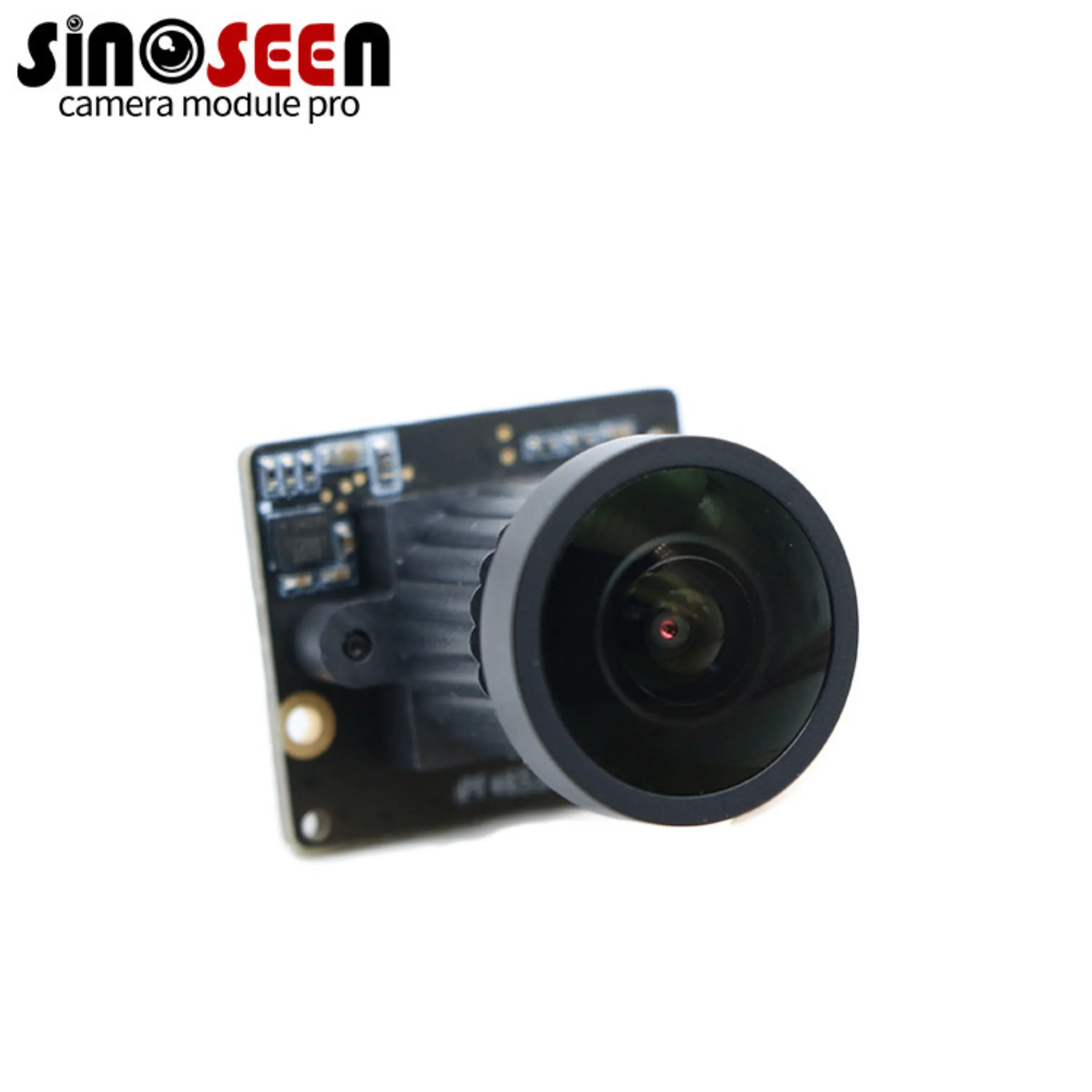
Space-constrained projects demand innovative imaging solutions that don't compromise on performance. A compact camera module offers the perfect balance of functionality and minimal footprint, enabling engineers and integrators to embed advanced visual capabilities into devices where traditional cameras simply won't fit. Whether you're developing medical diagnostics equipment, drone technology, surveillance systems, or IoT devices, sourcing a reliable compact camera module wholesale becomes essential to maintaining project timelines and cost efficiency.
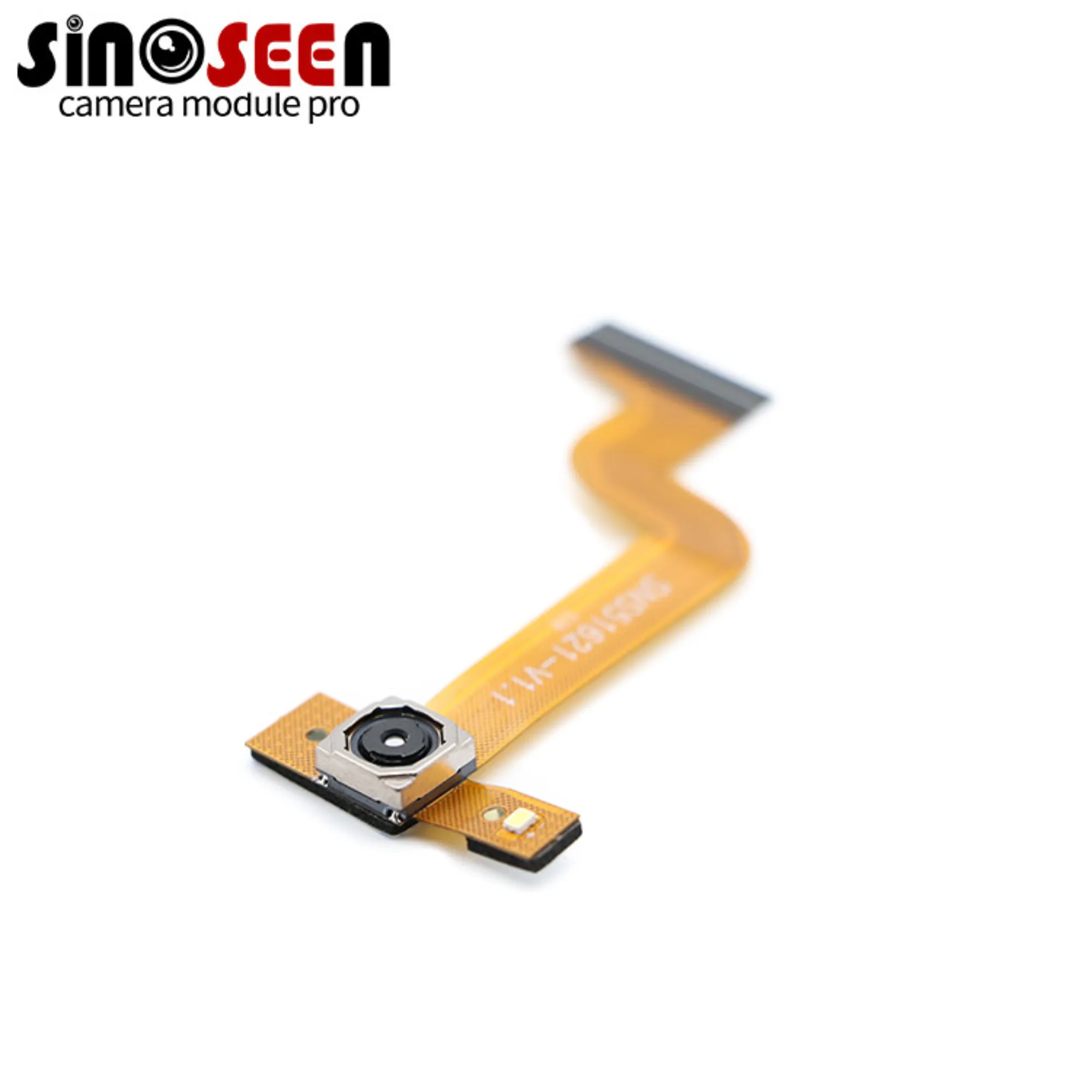
The wholesale market for compact camera modules has expanded dramatically as industries recognize the value of miniaturized imaging in competitive applications. A high-quality compact camera module can be integrated into designs that were previously considered impossible, opening new market opportunities and enabling breakthrough product innovations. Understanding how to evaluate, source, and integrate a compact camera module wholesale ensures your project remains competitive while keeping component costs manageable across production volumes.
Understanding Compact Camera Module Specifications
Resolution and Sensor Technology
When selecting a compact camera module for wholesale procurement, resolution and sensor type directly influence image quality and system cost. A compact camera module typically ranges from low-resolution variants designed for motion detection to higher-resolution options supporting detailed image capture. Sensor technology—whether using CMOS or CCD—determines light sensitivity, power consumption, and thermal characteristics. Choosing the right compact camera module specifications ensures your final product meets end-user expectations without unnecessary cost overhead.
Sensor size in a compact camera module is measured in fractions of an inch, commonly ranging from 1/4 inch to 1 inch. Smaller sensors allow the compact camera module to fit into tighter mechanical envelopes, critical for space-constrained applications. However, smaller sensors may introduce trade-offs in low-light performance. Engineers must balance compact camera module footprint requirements against optical performance to select the ideal specification for their application.
Interface and Connectivity Options
The interface protocol of a compact camera module determines integration complexity and system architecture. Modern compact camera module wholesale options typically feature MIPI CSI-2, parallel interfaces, or USB connectivity. MIPI-based compact camera module designs dominate mobile and embedded markets due to lower power consumption and reduced pin counts. When sourcing a compact camera module wholesale, confirming interface compatibility with your host processor prevents costly redesigns and accelerates time-to-market.
Power consumption is a critical consideration when integrating a compact camera module into battery-powered or thermally constrained devices. A low-power compact camera module can reduce overall system energy requirements by 30 to 50 percent compared to older designs. Wholesale suppliers increasingly offer compact camera module variants specifically optimized for mobile and wearable applications, where every milliwatt matters for user experience and device runtime.
Sourcing Compact Camera Module Wholesale
Supplier Selection and Quality Assurance
Finding a trustworthy compact camera module wholesale supplier requires evaluating production capacity, quality certifications, and technical support capabilities. Leading suppliers maintain ISO 9001 certification and implement rigorous testing protocols to ensure every compact camera module meets performance specifications. Before committing to volume production, request sample units of the compact camera module to conduct your own validation testing and verify compatibility with your system design.
A reliable compact camera module wholesale partner should provide detailed technical documentation, including timing diagrams, power profiles, and environmental specifications. When evaluating suppliers, assess their experience with applications similar to your project. Suppliers with established compact camera module wholesale operations typically offer multiple reference designs and can advise on integration challenges specific to space-constrained designs.
Volume Pricing and Lead Time Management
Purchasing a compact camera module wholesale at volume scales typically reduces per-unit cost by 40 to 60 percent compared to retail channels. Suppliers often tier pricing based on order quantities, with significant breaks at 100-unit, 500-unit, and 1000-unit quantities. Understanding your production roadmap allows negotiating favorable compact camera module wholesale agreements that lock in pricing across multiple production runs.
Lead times for compact camera module wholesale procurement vary based on supplier inventory, customization requirements, and market demand. Standard compact camera module options from established suppliers typically ship within 4 to 8 weeks, while customized variants may require 12 to 16 weeks. Planning procurement timelines for your compact camera module wholesale orders prevents production delays and ensures supply chain resilience across your manufacturing cycles.
Integration and Application Considerations
Mechanical and Thermal Design
The appeal of a compact camera module lies in its ability to fit into confined spaces, but integration requires careful mechanical planning. Camera placement, lens orientation, and mounting bracket design directly influence final image quality and system functionality. A compact camera module must be mounted with optical clarity in mind—dust, reflections, or lens obstruction severely degrade performance. Thermal management around a compact camera module prevents sensor degradation and maintains consistent image quality under varying operating conditions.
Optical design partners with a compact camera module should verify that housing materials, aperture diameter, and lens coatings meet your application requirements. Some space-constrained projects benefit from a compact camera module with integrated infrared filtering, while others require wide-angle or macro lenses. Planning optical specifications early during compact camera module wholesale sourcing prevents mid-production design revisions.
Software Integration and Firmware Support
Successfully deploying a compact camera module requires compatible firmware and software driver ecosystems. Suppliers of compact camera module wholesale products often provide Linux, RTOS, and Android driver packages that simplify integration. Ensuring firmware stability and compatibility with your development platform accelerates the engineering timeline and reduces integration risk.
Image signal processing (ISP) pipelines determine how a compact camera module output is converted into usable images. Some applications require advanced color correction, noise reduction, or edge enhancement within compact camera module firmware, while others process raw sensor data at the host level. Understanding compact camera module firmware capabilities and limitations prevents unexpected performance gaps after production launch.
FAQ
What resolution should I choose for my compact camera module wholesale order?
Resolution depends on your application's specific needs. Motion detection and environmental monitoring may require only 0.3 to 2 megapixel compact camera modules, while facial recognition or document imaging needs 5 to 8 megapixels. A compact camera module offering higher resolution increases cost and power consumption but enables more detailed image analysis. Evaluate your end-use case requirements and processing capabilities to determine the appropriate compact camera module resolution, then confirm with your supplier whether higher resolutions add significant cost.
Can a compact camera module work in low-light environments?
Many compact camera module designs support low-light operation through larger sensor pixels, wider apertures, or infrared sensitivity. However, compact camera module form factors may limit lens size, which reduces light-gathering capability. Supplementing a compact camera module with ambient lighting, infrared illumination, or high-gain sensor modes enables functional performance in dark conditions. When sourcing compact camera module wholesale products for low-light applications, specifically request performance data and samples to validate suitability before committing to large volume orders.
What are typical lead times for compact camera module wholesale orders?
Standard compact camera module wholesale orders from established suppliers typically require 6 to 10 weeks for delivery. Lead times depend on supplier inventory levels, order volume, and any customization requests. If you need a compact camera module quickly, confirm stock availability and expedited shipping options with your supplier. For critical projects, consider placing qualifying orders with multiple compact camera module suppliers to mitigate supply chain risk and ensure design flexibility.