 EN
EN
 AR
AR
 DA
DA
 NL
NL
 FI
FI FR
FR
 DE
DE EL
EL
 HI
HI
 IT
IT JA
JA
 KO
KO
 NO
NO PL
PL PT
PT RO
RO
 RU
RU
 ES
ES
 SV
SV
 TL
TL
 IW
IW
 ID
ID
 SR
SR
 VI
VI
 HU
HU
 TH
TH
 TR
TR
 FA
FA
 MS
MS
 IS
IS
 AZ
AZ
 UR
UR
 BN
BN
 HA
HA
 LO
LO
 MR
MR
 MN
MN
 PA
PA
 MY
MY
 SD
SD

Quelles sont les meilleures applications des modules de caméras thermiques en matière de sécurité ?
Les systèmes de sécurité ont considérablement évolué au cours de la dernière décennie, la technologie d'imagerie thermique s'imposant comme l'une des solutions les plus efficaces pour la surveillance complète. Les modules modernes de caméras thermiques offrent une visibilité inégalée dans des conditions difficiles où les caméras traditionnelles échouent, ce qui en fait des outils indispensables pour les applications professionnelles de sécurité. Ces dispositifs d'imagerie avancés détectent les signatures thermiques plutôt que la lumière visible, permettant une surveillance 24/7 quelles que soient les conditions d'éclairage, météorologiques ou les obstacles environnementaux.
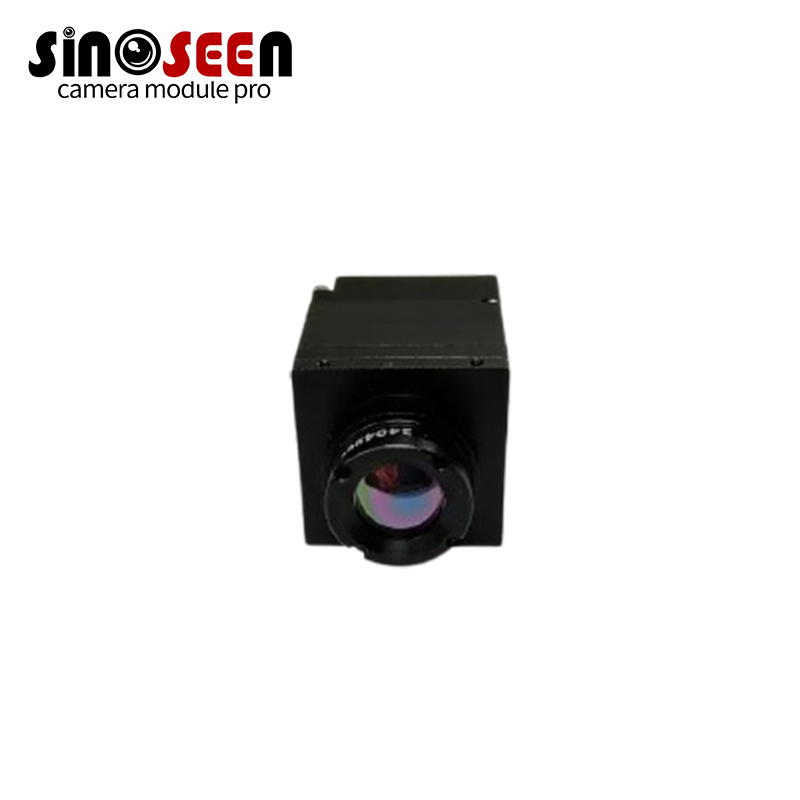
L'intégration de l'imagerie thermique dans les infrastructures de sécurité a transformé la manière dont les organisations abordent la protection des périmètres, la détection d'intrusion et la surveillance des actifs. Contrairement aux caméras de surveillance classiques qui dépendent de l'éclairage ambiant ou de l'illumination infrarouge, les modules de caméras thermiques fonctionnent en détectant les différences de température entre les objets et leur environnement. Cet avantage fondamental les rend particulièrement précieux pour les professionnels de la sécurité qui ont besoin de capacités de détection fiables dans l'obscurité totale, par conditions météorologiques défavorables, ou dans des environnements à visibilité réduite.
Protection des Infrastructures Critiques
Installations de production d'énergie
Les centrales électriques et les sous-stations constituent des cibles privilégiées pour les menaces sécuritaires, ce qui rend les modules de caméras thermiques essentiels à leurs systèmes de défense. Ces installations nécessitent une surveillance continue de vastes périmètres, s'étendant souvent sur des centaines d'hectares dans des zones éloignées où l'éclairage traditionnel serait impraticable ou compromis en cas de coupure de courant. L'imagerie thermique assure une surveillance constante, indépendamment de l'état du réseau électrique ou des conditions météorologiques.
La capacité des modules de caméras thermiques à détecter des signatures humaines à des distances dépassant 1 000 mètres les rend idéaux pour la détection précoce des menaces autour des infrastructures énergétiques critiques. Les équipes de sécurité peuvent identifier des intrus potentiels bien avant qu'ils n'atteignent des équipements sensibles, laissant ainsi le temps de prendre des mesures de réponse appropriées. De plus, ces systèmes sont capables de distinguer les signatures thermiques humaines de celles de la faune, réduisant ainsi les fausses alertes qui affectent les systèmes conventionnels de détection de mouvement.
L'intégration avec les systèmes de gestion de sécurité existants permet aux opérateurs d'établir plusieurs zones de détection avec des niveaux de sensibilité variables. Les zones périphériques peuvent utiliser des paramètres de détection plus larges, tandis que les zones proches des équipements critiques adoptent des réglages plus précis afin d'assurer une protection complète sans submerger le personnel de sécurité avec des alertes inutiles.
Réseaux de transport
Les aéroports, ports maritimes et grands hubs de transport utilisent des modules de caméras thermiques pour assurer la sécurité sur de vastes zones opérationnelles que la surveillance traditionnelle ne peut pas couvrir adéquatement. Ces environnements présentent des défis spécifiques, notamment de grands espaces ouverts, de multiples points d'accès et des mouvements continus de véhicules et de personnel, ce qui nécessite des capacités de détection sophistiquées.
La surveillance des pistes et des aires de trafic représente une application critique où l'imagerie thermique excelle grâce à sa capacité à détecter du personnel ou des véhicules non autorisés dans des conditions de faible luminosité. Cette technologie permet de prévenir les intrusions sur piste et garantit la sécurité des aéronefs en fournissant des signatures thermiques claires de tous objets ou individus présents dans les zones restreintes, même pendant les opérations nocturnes ou en cas de visibilité réduite due aux intempéries.
Les applications de sécurité portuaire bénéficient de la capacité des modules de caméras thermiques à surveiller les zones riveraines et à détecter les embarcations approchantes en totale obscurité ou dans des conditions de brouillard. Cette technologie permet aux équipes de sécurité d'identifier des menaces potentielles venant de l'eau, tout en distinguant le trafic maritime autorisé de celui qui ne l'est pas, selon les motifs de signatures thermiques et les comportements de déplacement.
Sécurité des installations industrielles
Usines de fabrication
Les installations de fabrication fonctionnent souvent 24 heures sur 24, ce qui crée des défis en matière de sécurité nécessitant une surveillance fiable pendant tous les postes de travail et par toutes les conditions météorologiques. Modules de caméra thermique fournir des capacités de surveillance constantes qui assurent une couverture complète des zones de production, des installations de stockage et des points d'accès, quelles que soient les conditions d'éclairage ambiant.
L'environnement industriel présente des défis de détection uniques, notamment la vapeur, la poussière et les conditions d'éclairage variables, qui peuvent compromettre les systèmes de caméras traditionnels. L'imagerie thermique traverse ces obstacles environnementaux, en maintenant une visibilité claire des signatures humaines et des menaces potentielles pour la sécurité. Cette capacité s'avère particulièrement utile dans les applications industrielles lourdes où les caméras conventionnelles pourraient être obstruées par les processus industriels.
La protection des actifs dans les environnements industriels profite de la capacité des modules de caméras thermiques à détecter des anomalies de température pouvant indiquer une manipulation d'équipements ou un accès non autorisé à des machines sensibles. Les équipes de sécurité peuvent surveiller à la fois les déplacements du personnel et l'état des équipements, offrant ainsi une solution de sécurité complète qui répond simultanément à plusieurs besoins de protection des installations.
Installations chimiques et pétrochimiques
Les usines de transformation chimique exigent des mesures de sécurité exceptionnelles en raison des conséquences potentielles d'un accès non autorisé ou d'un acte de sabotage. Les modules de caméras thermiques assurent une surveillance fiable des périmètres dans des environnements où des atmosphères explosives ou des substances toxiques pourraient compromettre d'autres technologies de sécurité. Ces systèmes fonctionnent en toute sécurité dans des lieux dangereux tout en conservant des capacités de surveillance efficaces.
La capacité de détecter les signatures thermiques humaines à travers la fumée, la vapeur ou les vapeurs chimiques rend l'imagerie thermique inestimable pour maintenir la sécurité en cas d'urgence ou de perturbation du processus. Le personnel de sécurité peut continuer à surveiller l'accès aux installations et les déplacements du personnel même lorsque la visibilité est fortement réduite par des incidents industriels ou des conditions météorologiques défavorables.
L'intégration aux systèmes de sécurité des processus permet aux modules de caméras thermiques de contribuer à la fois à la sécurité et aux objectifs de sûreté opérationnelle. La même technologie qui détecte les intrus peut identifier le personnel présent dans des zones dangereuses lors d'évacuations d'urgence, offrant ainsi une double fonctionnalité qui maximise la valeur du système et l'efficacité opérationnelle.
Sécurité des frontières et des périmètres
Contrôle frontalier national
Les agences de sécurité frontalière s'appuient de plus en plus sur des modules de caméras thermiques pour surveiller de vastes zones frontalières qu'il serait impossible de patrouiller efficacement par des méthodes conventionnelles. Ces systèmes assurent une surveillance continue dans des terrains variés, tels que les montagnes, les déserts, les forêts et les régions côtières, où les caméras traditionnelles seraient inefficaces pendant les heures nocturnes ou par mauvaises conditions météorologiques.
Les capacités de détection à longue portée des systèmes d'imagerie thermique avancés permettent aux agents frontaliers d'identifier des mouvements humains à des distances dépassant plusieurs kilomètres, offrant ainsi une alerte précoce en cas de franchissement potentiel de la frontière. Cette portée de détection étendue permet aux forces de sécurité de positionner efficacement leurs ressources et de réagir aux menaces avant qu'elles ne pénètrent plus profondément dans le territoire sécurisé.
Les fonctionnalités de suivi automatisé des modules de caméras thermiques modernes peuvent suivre plusieurs cibles simultanément, fournissant aux opérateurs de contrôle frontalier une intelligence en temps réel sur la taille des groupes, les schémas de déplacement et les niveaux de menace potentiels. Ces informations s'avèrent cruciales pour déterminer les mesures de réponse appropriées et allouer les ressources limitées de patrouille aux zones d'activité la plus élevée.
Protection de base militaire
Les installations militaires nécessitent une sécurité périmétrique complète qui fonctionne efficacement dans toutes les conditions, sans révéler leurs positions défensives à d'éventuels adversaires. Les modules de caméras thermiques offrent des capacités de surveillance discrète qui détectent les menaces approchantes tout en préservant la sécurité opérationnelle grâce à des méthodes de détection passives n'émettant aucune signature visible.
La capacité de détecter des signatures humaines à travers des méthodes de camouflage, de végétation ou d'autres moyens de dissimulation rend l'imagerie thermique essentielle pour les applications militaires de sécurité. Les techniques traditionnelles de camouflage qui neutralisent les caméras en lumière visible restent clairement visibles pour les capteurs thermiques, garantissant ainsi que le personnel de sécurité conserve ses capacités de détection face à des adversaires sophistiqués.
L'intégration à des systèmes de réponse automatisés permet aux installations de sécurité militaires d'établir des protocoles de réponse graduée basés sur l'analyse des signatures thermiques. Le système peut distinguer entre des infiltrateurs isolés et de plus grands groupes, permettant un déploiement approprié des forces sans révéler l'étendue totale des capacités défensives de la base aux efforts de reconnaissance.
Applications urbaines de sécurité
Réseaux de surveillance urbaine
Les environnements urbains présentent des défis complexes en matière de sécurité, qui tirent grandement profit de l'intégration de modules de caméras thermiques dans les réseaux de surveillance existants. Les villes utilisent ces systèmes pour surveiller les espaces publics, les terminaux de transport et les infrastructures critiques, tout en maintenant une surveillance efficace pendant les heures nocturnes, où l'activité criminelle augmente généralement.
La capacité de détecter l'activité humaine dans des zones mal éclairées rend l'imagerie thermique précieuse pour la surveillance des parcs, des parkings et d'autres lieux où les caméras traditionnelles pourraient manquer des événements de sécurité importants. Cette technologie aide les forces de l'ordre à conserver une conscience situationnelle dans divers environnements urbains, sans nécessiter d'infrastructures d'éclairage importantes, qui pourraient être coûteuses ou inadaptées sur le plan environnemental.
L'intégration avec des systèmes d'analyse vidéo permet la détection automatisée de comportements inhabituels ou de dynamiques de foule pouvant indiquer des situations sécuritaires en cours de développement. Les signatures thermiques fournissent des données constantes indépendamment des conditions d'éclairage, permettant une analyse automatisée plus fiable par rapport aux systèmes dépendant uniquement de caméras en lumière visible.
Protection des biens commerciaux
Les centres commerciaux, les complexes de bureaux et autres biens commerciaux utilisent des modules de caméras thermiques pour assurer une couverture de sécurité complète, fonctionnant efficacement pendant toutes les heures d'ouverture et quelles que soient les conditions météorologiques. Ces systèmes aident les gestionnaires de biens à protéger leurs actifs tout en garantissant la sécurité des locataires et des visiteurs grâce à des capacités de surveillance fiables.
La surveillance en dehors des heures ouvrables représente une application critique où l'imagerie thermique offre des performances supérieures par rapport aux caméras de sécurité traditionnelles. Cette technologie détecte les personnes non autorisées dans les zones de stationnement, les quais de chargement et les périmètres des bâtiments, quelles que soient les conditions d'éclairage extérieur, assurant ainsi une protection complète pendant les périodes nocturnes vulnérables.
Les taux réduits d'alarmes fausses liés à la détection thermique aident les biens commerciaux à maintenir des opérations de sécurité rentables tout en garantissant que les menaces réelles reçoivent une attention appropriée. En filtrant les sources de chaleur non humaines et en se concentrant sur les risques réels pour la sécurité, ces systèmes améliorent l'efficacité globale de la sécurité et réduisent les interventions d'urgence inutiles.
Environnements de sécurité spécialisés
Centres de données
Les centres de données nécessitent une sécurité physique exceptionnelle pour protéger les actifs informationnels précieux et assurer la continuité du service pour les opérations critiques. Les modules de caméras thermiques assurent une surveillance fiable dans les environnements où les caméras traditionnelles pourraient être affectées par les systèmes de refroidissement, un éclairage réduit ou les interférences électromagnétiques provenant des équipements serveurs.
Les capacités de détection précises des systèmes d'imagerie thermique aident les exploitants de centres de données à surveiller l'accès aux zones sensibles tout en maintenant les conditions environnementales nécessaires à un fonctionnement optimal des équipements. Ces systèmes peuvent détecter du personnel non autorisé sans nécessiter un éclairage supplémentaire qui pourrait nuire à l'efficacité du refroidissement ou générer des charges thermiques indésirables.
L'intégration avec les systèmes de contrôle d'accès permet aux centres de données de vérifier que seules les personnes autorisées pénètrent dans les zones restreintes, tandis que la surveillance thermique assure une surveillance continue des salles de serveurs et d'autres espaces critiques. Cette approche globale contribue à garantir à la fois la sécurité physique et l'intégrité opérationnelle des infrastructures essentielles des technologies de l'information.
Établissements de santé
Les hôpitaux et établissements médicaux utilisent des modules de caméras thermiques pour assurer la sécurité tout en respectant la confidentialité des patients et en maintenant des niveaux d'éclairage adaptés aux soins médicaux. Ces systèmes offrent une surveillance efficace dans les zones réservées aux patients, les lieux de stockage de produits pharmaceutiques et les zones à accès restreint, sans créer d'éclairage intrusif ni une présence de surveillance gênante.
La capacité de détecter la présence humaine sans caméras visibles aide les établissements de santé à préserver le confort des patients tout en assurant la sécurité dans des zones sensibles telles que les unités psychiatriques, les services d'urgence et les zones de stockage de matériel médical de grande valeur. La détection thermique assure une surveillance discrète qui répond à la fois aux objectifs de sécurité et aux exigences de soins aux patients.
Les applications de réponse aux urgences bénéficient des capacités d'imagerie thermique lors de situations de crise où l'éclairage normal pourrait être compromis, ou lorsque le personnel de sécurité doit localiser des personnes dans des zones enfumées ou plongées dans l'obscurité. Cette technologie soutient à la fois les opérations de sécurité courantes et les procédures d'intervention d'urgence essentielles à la sécurité des établissements de santé.
FAQ
Qu'est-ce qui rend les modules de caméras thermiques plus efficaces que les caméras de sécurité traditionnelles
Les modules de caméras thermiques détectent les signatures thermiques plutôt que la lumière visible, ce qui leur permet de fonctionner efficacement dans l'obscurité totale, le brouillard, la fumée et les conditions météorologiques difficiles où les caméras traditionnelles échoueraient. Ils offrent des capacités de détection constantes quelles que soient les conditions d'éclairage et peuvent percer les obstacles environnementaux qui rendraient inopérantes les systèmes de surveillance classiques. De plus, l'imagerie thermique génère moins de fausses alarmes car elle se concentre sur les signatures thermiques des êtres vivants plutôt que sur les mouvements d'objets inanimés comme les débris soufflés par le vent ou les petits animaux.
Comment les modules de caméras thermiques s'intègrent-ils aux systèmes de sécurité existants
Les modules de caméras thermiques modernes intègrent des protocoles de communication et des formats de sortie standardisés qui permettent une intégration transparente avec les systèmes existants de gestion vidéo, les réseaux d'alarme et les plateformes de contrôle d'accès. Ils peuvent déclencher des réponses automatisées, envoyer des alertes au personnel de sécurité et fournir des flux vidéo compatibles avec l'infrastructure de surveillance actuelle. La plupart des systèmes prennent en charge à la fois les options de sortie analogique et numérique, ce qui les rend compatibles avec les installations de sécurité anciennes tout en offrant des possibilités d'évolution pour les améliorations futures du système.
Quelles sont les principales limitations des modules de caméras thermiques dans les applications de sécurité
Les modules de caméras thermiques ne peuvent pas voir à travers des objets solides comme les murs ou la végétation dense, et leur efficacité peut être réduite par des conditions météorologiques extrêmes telles que de fortes pluies ou de la neige. Ils ont généralement un coût initial plus élevé par rapport aux caméras traditionnelles et peuvent nécessiter une formation spécialisée pour que les opérateurs interprètent efficacement les images thermiques. De plus, les caméras thermiques ne peuvent pas offrir les capacités de reconnaissance visuelle détaillée des caméras haute résolution en lumière visible, bien qu'elles excellent dans les applications de détection et de suivi.
À quelle distance les modules de caméras thermiques peuvent-ils détecter des cibles humaines
La portée de détection varie considérablement en fonction des spécifications de la caméra, des conditions environnementales et des caractéristiques de la cible, mais les modules professionnels de caméras thermiques peuvent généralement détecter des cibles de taille humaine à des distances allant de plusieurs centaines de mètres à plus d'un kilomètre. Les facteurs influençant la portée incluent le contraste thermique entre la cible et l'arrière-plan, les conditions atmosphériques, la résolution de la caméra et les spécifications de l'objectif. Les systèmes haut de gamme dotés de capteurs plus grands et d'optiques avancées peuvent atteindre des portées de détection dépassant 2 à 3 kilomètres dans des conditions optimales.
Produits recommandés
Actualités chaudes
-
Chine, principaux fabricants de modules caméra pour l'alimentation de la photographie des appareils — Sinoseen
2024-03-27
-
Le guide ultime de personnalisation des modules caméra OEM
2024-03-27
-
Compréhension approfondie des modules caméra
2024-03-27
-
Comment réduire la résolution du module de caméra?
2024-12-18