
 EN
EN
 AR
AR
 DA
DA
 NL
NL
 FI
FI
 FR
FR
 DE
DE
 EL
EL
 HI
HI
 IT
IT
 JA
JA
 KO
KO
 NO
NO
 PL
PL
 PT
PT
 RO
RO
 RU
RU
 ES
ES
 SV
SV
 TL
TL
 IW
IW
 ID
ID
 SR
SR
 VI
VI
 HU
HU
 TH
TH
 TR
TR
 FA
FA
 MS
MS
 IS
IS
 AZ
AZ
 UR
UR
 BN
BN
 HA
HA
 LO
LO
 MR
MR
 MN
MN
 PA
PA
 MY
MY
 SD
SD
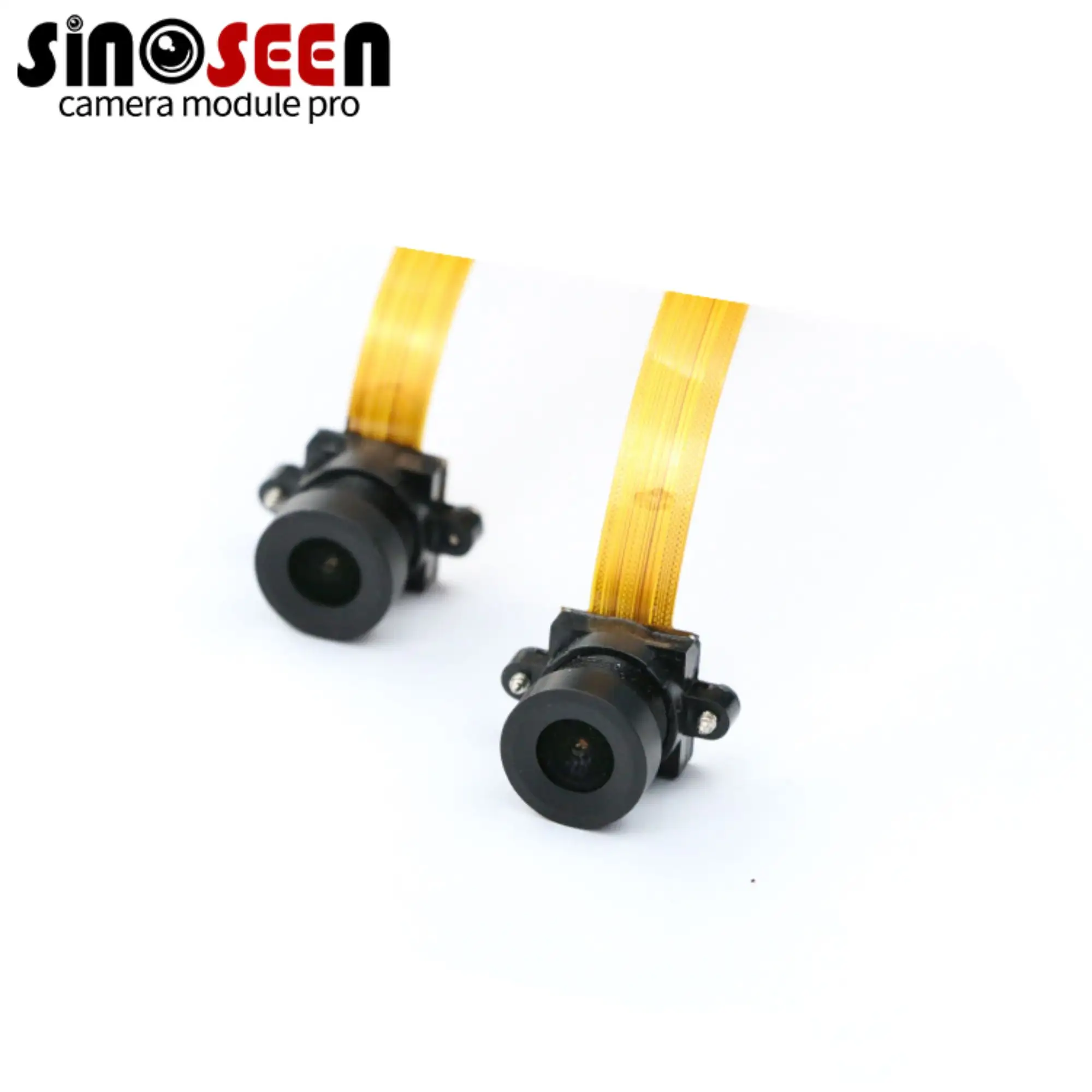
Selecting the right compact camera module supplier is one of the most critical decisions an OEM manufacturer can make when integrating imaging technology into new products. A quality compact camera module directly impacts product performance, time-to-market, manufacturing efficiency, and customer satisfaction. The right supplier offers not just components, but engineering expertise, customization capability, and reliable supply chain partnership that drives your product success.
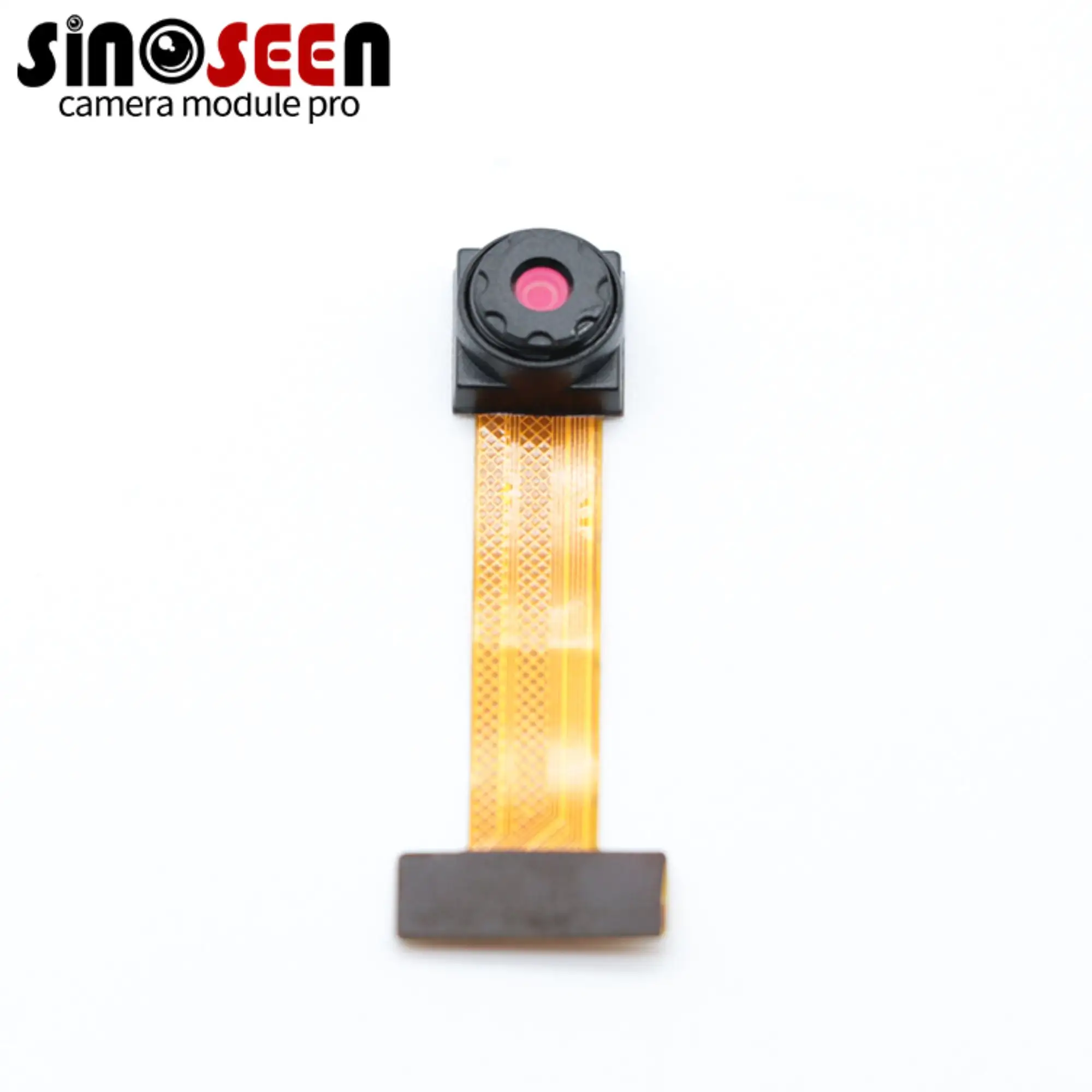
The compact camera module market has evolved significantly, with suppliers now offering increasingly flexible solutions designed specifically for OEM integration. Whether you need a compact camera module for surveillance systems, automotive applications, mobile devices, or industrial inspection equipment, the supplier you choose must understand your unique technical requirements and business constraints. This guide explores what defines a strong compact camera module supplier and how to evaluate options that align with your OEM integration goals.
Understanding Compact Camera Module Requirements for OEM Integration
Technical Specifications and Performance Standards
Every compact camera module supplier must deliver consistent technical performance across resolution, sensor type, frame rate, and interface compatibility. An OEM integration project typically requires a compact camera module that meets precise dimensional constraints, thermal specifications, and electrical requirements. The supplier should provide detailed datasheets, reference designs, and integration documentation that make your engineering team's job straightforward and reduce development time significantly.
The best compact camera module suppliers offer multiple sensor options, ranging from standard definition to high-resolution variants, allowing you to select the compact camera module that precisely matches your product's imaging capabilities and cost targets. Interface options such as MIPI CSI-2, USB, or parallel connections should be clearly documented and tested across your intended operating environment. Your compact camera module supplier should also guarantee performance across the full temperature range your product will experience, from industrial cold storage to automotive under-hood conditions.
Customization and Flexibility
A responsive compact camera module supplier understands that one-size-fits-all solutions rarely fit OEM requirements. You may need specific lens options, particular image processing pipelines, custom mounting interfaces, or integration with your proprietary software stack. The supplier should offer a clear path to customization without requiring massive minimum orders or prohibitive engineering fees. Many leading compact camera module suppliers maintain flexible manufacturing processes that accommodate design iterations and modifications without complete redesign cycles.
When evaluating a compact camera module supplier, ask specifically about their customization capabilities, typical lead times for modified designs, and whether they offer sample quantities for validation before committing to production volumes. A responsive compact camera module supplier will work collaboratively during your design phase, offering design-for-manufacturability guidance and identifying potential cost or performance optimizations that benefit your final product.
Evaluating Supplier Reliability and Manufacturing Capability
Quality Assurance and Testing Protocols
Your compact camera module supplier must maintain rigorous quality controls to ensure every unit meets specifications consistently. This includes component-level testing, module-level assembly verification, and system-level validation under representative operating conditions. A trustworthy compact camera module supplier provides detailed test reports, statistical process control data, and traceability documentation that support your own quality assurance processes and regulatory compliance requirements.
Defect rates, mean time between failures, and field reliability data are critical metrics when comparing compact camera module suppliers. The supplier should demonstrate transparent communication about quality performance, including root cause analysis for any reported field issues and corrective action timelines. Your compact camera module supplier should also maintain certifications appropriate to your industry, whether that involves automotive standards, medical device requirements, or consumer electronics safety specifications.
Supply Chain Stability and Production Capacity
A reliable compact camera module supplier must demonstrate consistent production capacity that scales with your manufacturing growth. Beyond simple unit availability, your compact camera module supplier should provide visibility into component sourcing, inventory management, and contingency planning for supply chain disruptions. This becomes increasingly important if your product experiences unexpected market success and requires higher volumes than initially planned.
Communication with your compact camera module supplier should include regular forecast updates, capacity planning discussions, and transparent discussion of any potential supply constraints. The best suppliers maintain multiple qualified component sources where feasible, reducing the risk that a single upstream shortage will disrupt your production schedule. Your compact camera module supplier should also offer clear information about production lead times, typical order minimums, and any volume-based pricing structures that reward long-term partnerships.
Building a Strategic Partnership with Your Compact Camera Module Supplier
Technical Support and Engineering Collaboration
Beyond providing hardware, an excellent compact camera module supplier offers engineering support that accelerates your time-to-market and reduces integration risk. This includes detailed application notes, reference designs, software drivers, and firmware examples that enable your engineering team to focus on differentiating features rather than low-level camera integration. Your compact camera module supplier should have application engineers who can troubleshoot integration challenges, optimize performance for your specific use case, and recommend design improvements based on their experience across multiple customer projects.
Ongoing technical support is equally important. Your compact camera module supplier should maintain responsive support channels for design questions, integration issues, and field troubleshooting. Some suppliers offer on-site support for major customers, including technical reviews of your camera integration architecture and recommendations for optimization. This level of partnership transforms a compact camera module supplier from a simple component vendor into a true technology partner invested in your product success.
Long-Term Value and Cost Optimization
While initial pricing matters, the true value of a compact camera module supplier emerges over the product lifecycle. A forward-thinking compact camera module supplier identifies opportunities to optimize costs through design refinements, manufacturing process improvements, and component substitutions that maintain or enhance performance while reducing unit costs. These relationships often yield significant savings over time as production volumes increase and both parties gain deeper familiarity with the product requirements.
Your compact camera module supplier should also proactively communicate about component obsolescence plans, technology roadmaps, and upcoming innovations that could benefit your product roadmap. A supplier who understands your long-term business strategy can recommend timing for design updates, new sensor options as they become available, or enhanced features that help your products remain competitive. This collaborative approach to long-term value creation distinguishes truly strategic compact camera module suppliers from transactional vendors.
FAQ
What specifications should I prioritize when selecting a compact camera module supplier?
Prioritize your compact camera module supplier based on sensor resolution, interface compatibility with your processing platform, lens options suitable for your application, thermal performance specifications, and customization flexibility. Also evaluate the supplier's ability to provide detailed technical documentation, reference designs, and responsive engineering support. Quality certifications, production capacity, and supply chain stability are equally critical for long-term reliability.
How long does it typically take to integrate a compact camera module from a new supplier?
Integration time depends heavily on your compact camera module supplier's support level and your design complexity. With a responsive compact camera module supplier providing reference designs and firmware support, basic integration may take weeks. More complex customizations or optimizations could extend this to several months. Choose a compact camera module supplier who provides sample quantities early, allowing parallel development and reducing total project timeline.
What questions should I ask potential compact camera module suppliers during vendor evaluation?
Ask your compact camera module supplier about customization lead times, minimum order quantities, quality metrics and certifications, production capacity and scalability, supply chain backup plans, warranty and support terms, and samples for evaluation. Request references from customers in your industry and ask specifically about the supplier's responsiveness to technical issues and changes. A well-prepared compact camera module supplier will have detailed answers and documentation ready for these standard evaluation questions.