
 EN
 AR
 DA
 NL
 FI
 FR
 DE
 EL
 HI
 IT
 JA
 KO
 NO
 PL
 PT
 RO
 RU
 ES
 SV
 TL
 IW
 ID
 SR
 VI
 HU
 TH
 TR
 FA
 MS
 IS
 AZ
 UR
 BN
 HA
 LO
 MR
 MN
 PA
 MY
 SD
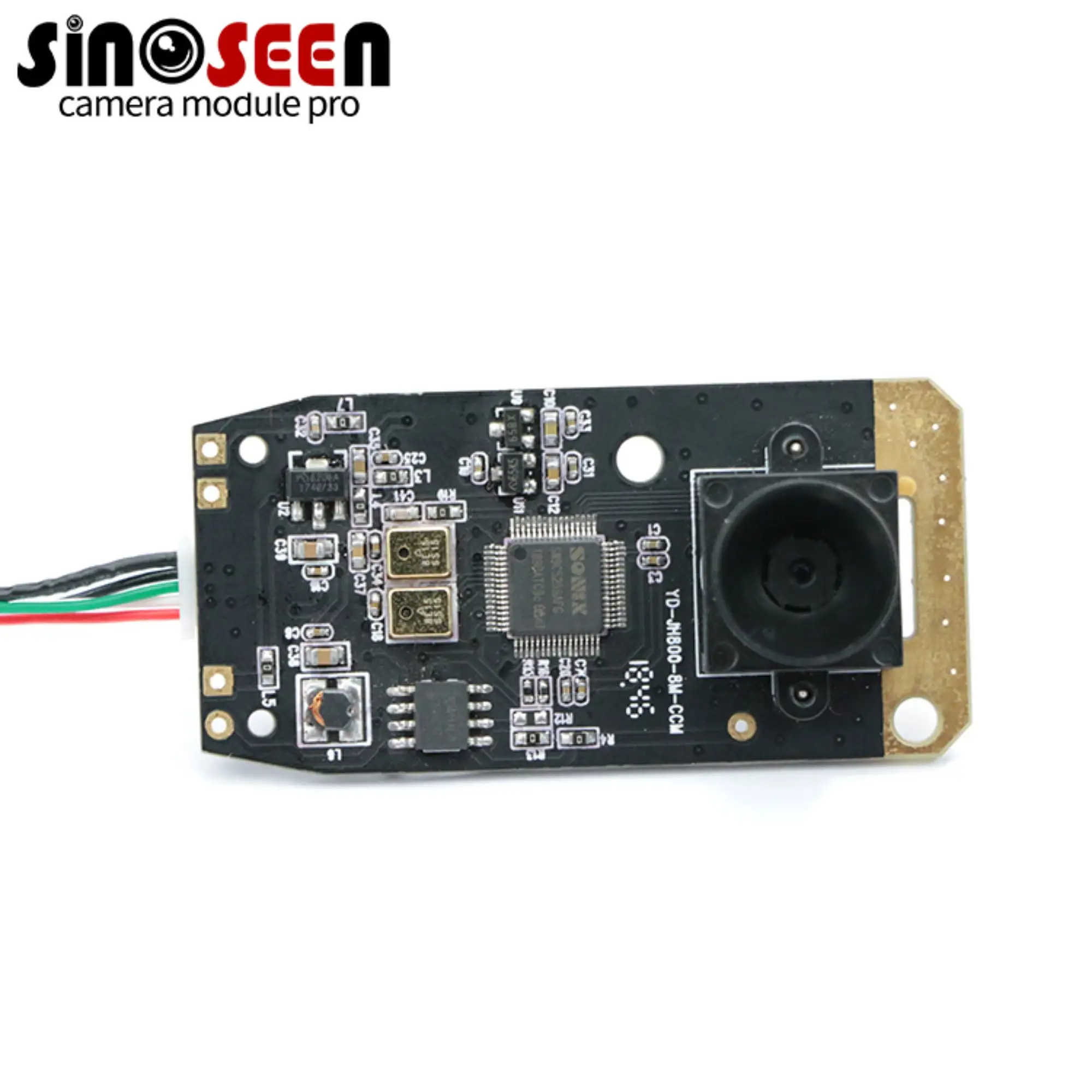
Selecting the right omnivision camera module supplier is critical for OEM vision projects that demand reliability, precision, and scalability. An omnivision camera module serves as the optical backbone of embedded vision systems, providing high-quality image capture in constrained environments where power, space, and thermal considerations are paramount. Whether you're designing medical imaging devices, industrial inspection systems, or autonomous vehicle components, partnering with an omnivision camera module supplier that understands your application requirements ensures your project timeline remains on track and performance expectations are met.
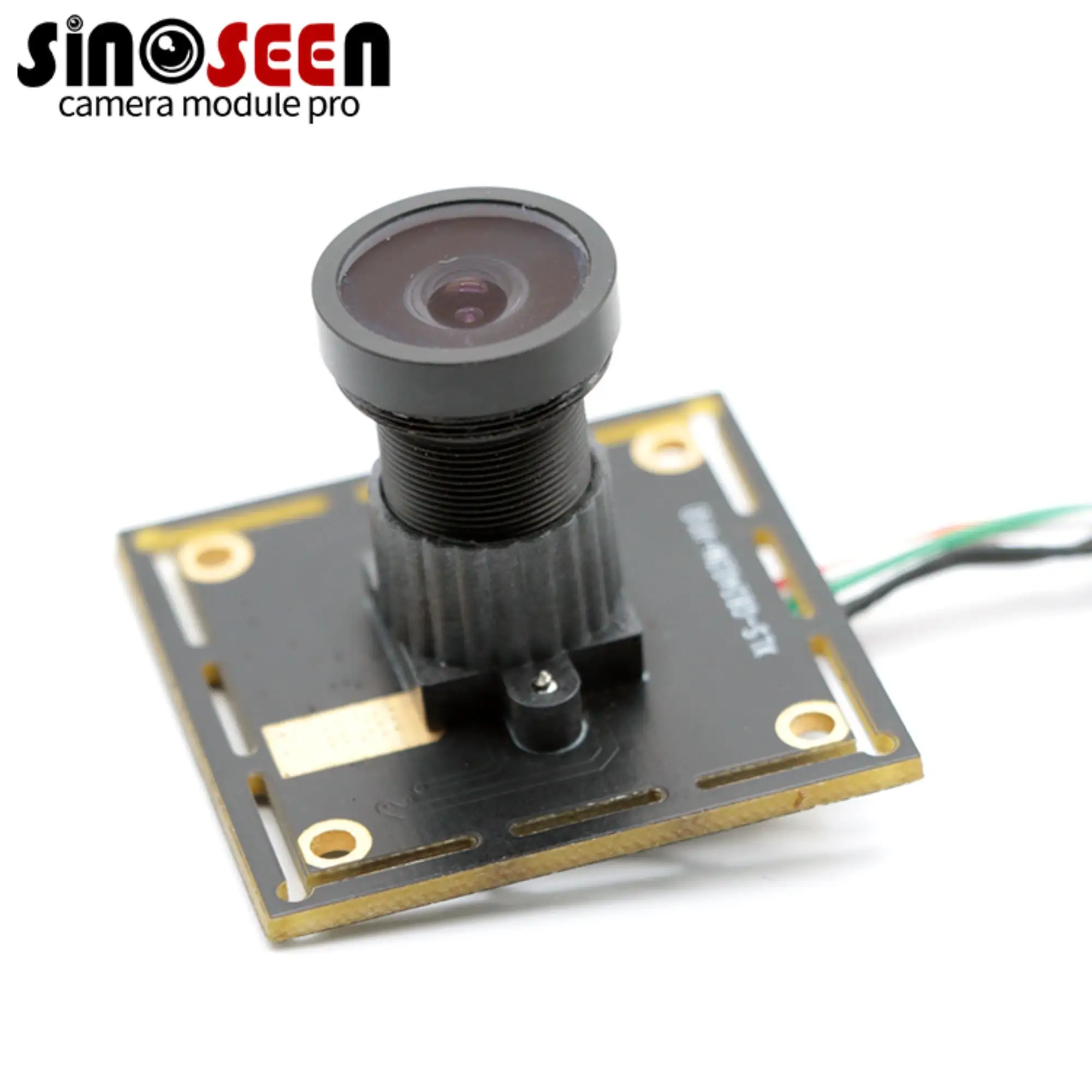
The omnivision camera module marketplace is populated by manufacturers offering varying levels of integration, sensor quality, and technical support. A strategic omnivision camera module supplier relationship goes beyond component procurement; it involves collaborative design support, customization capabilities, and long-term supply chain stability. Understanding what makes an omnivision camera module supplier suitable for your OEM requirements—from lens assembly specifications to firmware optimization—directly impacts your product's competitive edge and manufacturing cost structure.
Key Capabilities of a Reliable Omnivision Camera Module Supplier
Sensor Integration and Image Processing Expertise
A professional omnivision camera module supplier must demonstrate deep technical expertise in sensor integration and real-time image processing. The omnivision camera module you select should include optimized ISP (Image Signal Processor) tuning, color correction algorithms, and noise reduction tailored to your specific application domain. Whether your project requires low-light performance for security applications or high-dynamic-range capture for outdoor inspection systems, your omnivision camera module supplier should provide application-specific firmware and reference designs that accelerate your development cycle.
Integration complexity varies significantly across industrial verticals. A competent omnivision camera module supplier understands the distinction between consumer-grade and industrial-grade imaging requirements. They should offer technical documentation, software development kits, and support for multiple interface protocols including MIPI CSI-2, parallel RGB, and serial communication standards. This level of integration support ensures your omnivision camera module deployment meets both functional specifications and real-world deployment constraints.
Manufacturing Scalability and Quality Assurance
Manufacturing reliability separates commodity omnivision camera module suppliers from strategic technology partners. Your omnivision camera module supplier should maintain ISO 9001 certification, implement statistical process control, and provide traceability documentation for every production batch. Quality metrics specific to imaging modules—including lens distortion analysis, sensor dark current stability, and color accuracy consistency—demonstrate a serious omnivision camera module supplier commitment to product reliability.
Volume scaling is another critical consideration when evaluating an omnivision camera module supplier. Production capacity, lead time predictability, and buffer stock management directly influence your OEM project's time-to-market and supply chain resilience. A mature omnivision camera module supplier maintains relationships with sensor manufacturers and optical component vendors, ensuring component availability even during market disruptions. This supplier stability protects your OEM vision project from unexpected delays or cost escalation.
Technical Specifications and Interface Standardization
MIPI CSI-2 and Legacy Protocol Support
Modern omnivision camera module designs increasingly standardize around MIPI CSI-2 (Camera Serial Interface) protocols, which optimize power consumption and data transmission bandwidth for mobile and embedded systems. An omnivision camera module supplier serving OEM projects should provide modules compatible with both legacy parallel interfaces and contemporary MIPI standards, enabling backward compatibility with existing hardware platforms. The omnivision camera module specifications should clearly document timing parameters, clock requirements, and power sequencing to facilitate seamless integration into your embedded vision pipeline.
Legacy protocol support remains important for OEM vision projects operating within existing hardware ecosystems. Some industrial applications require parallel RGB output or custom timing specifications that deviate from industry standards. A flexible omnivision camera module supplier can accommodate these requirements through configurable firmware or custom hardware variants, preventing costly redesigns of your OEM vision project infrastructure. Technical documentation should include timing diagrams, register maps, and initialization sequences specific to your protocol selection.
Power Efficiency and Thermal Management
Power consumption directly impacts the operational efficiency and deployment flexibility of OEM vision projects, particularly in battery-powered or thermally constrained environments. An omnivision camera module supplier should provide detailed power consumption profiles across various operating modes, including standby, streaming, and sensor adjustment states. Modern omnivision camera modules implement dynamic power gating, clock scaling, and intelligent sensor sleep modes that reduce average power draw without compromising image quality during active capture periods.
Thermal management becomes critical when omnivision camera module deployments include real-time image processing on edge computing platforms. Your omnivision camera module supplier should provide thermal analysis data, recommended PCB layout guidance, and thermal interface material specifications that enable optimal heat dissipation. This technical support prevents thermal throttling, maintains consistent image quality, and extends the operational lifespan of your OEM vision system in demanding industrial environments.
Customization and Long-Term Partnership Considerations
Lens Assembly and Optical Customization
Optical performance directly determines the utility of any omnivision camera module in specialized OEM vision applications. A comprehensive omnivision camera module supplier offers customizable lens assemblies with variable focal lengths, aperture configurations, and special coatings for specific wavelength ranges. Your omnivision camera module supplier should provide optical analysis tools, distortion correction algorithms, and field-of-view optimization for your particular use case, whether that involves wide-angle surveillance, macro inspection, or telephoto measurement systems.
Mechanical compatibility is equally important as optical performance. The omnivision camera module supplier must provide detailed mechanical drawings, mounting interface specifications, and dimensional tolerances that align with your OEM housing and mechanical assembly processes. Custom mechanical variants—including compact M12 mount options, industrial-grade connector interfaces, or ruggedized enclosures—demonstrate an omnivision camera module supplier's commitment to solving real-world integration challenges rather than offering only generic reference designs.
Technical Support and Development Services
Beyond component supply, a strategic omnivision camera module supplier provides active technical support throughout your OEM vision project lifecycle. This includes hardware debugging assistance, firmware customization for unique image processing requirements, and optimization support as your production volume scales. The omnivision camera module supplier should offer reference implementation code, driver support for common operating systems, and direct engineering collaboration to resolve technical challenges that emerge during integration and field deployment.
Long-term partnership stability matters significantly for OEM projects with multi-year production horizons. Your omnivision camera module supplier should guarantee component availability beyond typical market cycles, provide advance notice of end-of-life transitions, and offer drop-in successor modules that maintain API compatibility with existing designs. This supplier commitment protects your OEM vision project investment and enables predictable product lifecycle management across multiple hardware revisions.
FAQ
What should I prioritize when evaluating an omnivision camera module supplier?
Start by assessing the omnivision camera module supplier's technical documentation quality, manufacturing certifications, and available customization options. Request reference customers in your industry vertical and verify their experience with applications similar to your OEM vision project. Evaluate their technical support responsiveness, software development kit maturity, and willingness to collaborate on integration challenges. Price should be secondary to supply chain reliability and long-term partnership capability when selecting an omnivision camera module supplier.
Can an omnivision camera module supplier provide customized firmware and ISP tuning?
Yes, most professional omnivision camera module suppliers offer firmware customization and image signal processor optimization for specific application domains. An omnivision camera module supplier serving industrial OEM projects typically provides customizable noise reduction, color correction, and dynamic range adjustment parameters. Request technical specification sheets detailing the omnivision camera module supplier's customization capabilities, development timeline, and associated engineering costs. Many suppliers provide starter kits with open-source driver code enabling in-house firmware modifications.
How do I ensure supply chain continuity with my omnivision camera module supplier?
Establish formal supply agreements that specify minimum lead times, buffer stock commitments, and end-of-life transition timelines with your omnivision camera module supplier. Request documentation of the supplier's component sourcing relationships and contingency plans for supply disruptions. An omnivision camera module supplier serving mission-critical OEM vision projects should maintain geographic redundancy in manufacturing and provide transparent visibility into production schedules and inventory levels. Regular communication with your omnivision camera module supplier's account manager helps identify potential supply risks before they impact your production schedule.