
 EN
 AR
 DA
 NL
 FI
 FR
 DE
 EL
 HI
 IT
 JA
 KO
 NO
 PL
 PT
 RO
 RU
 ES
 SV
 TL
 IW
 ID
 SR
 VI
 HU
 TH
 TR
 FA
 MS
 IS
 AZ
 UR
 BN
 HA
 LO
 MR
 MN
 PA
 MY
 SD
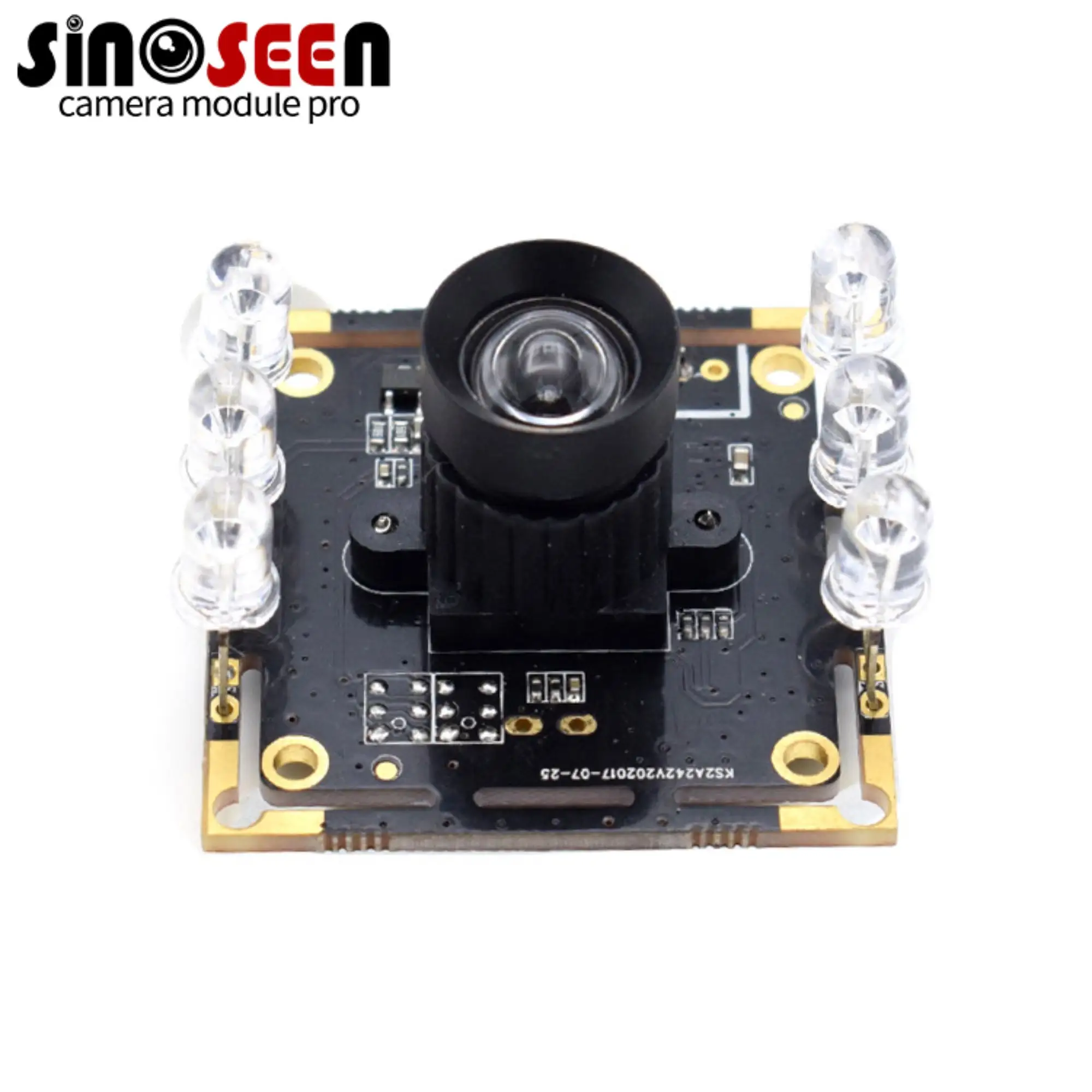
Selecting the right night vision camera module factory is one of the most critical decisions in deploying industrial surveillance, security, or inspection systems. A night vision camera module represents the core sensing component that determines image clarity, detection range, power consumption, and overall system reliability in low-light or total-darkness environments. The quality of your night vision camera module directly impacts uptime, maintenance costs, and the success of your entire vision system deployment.
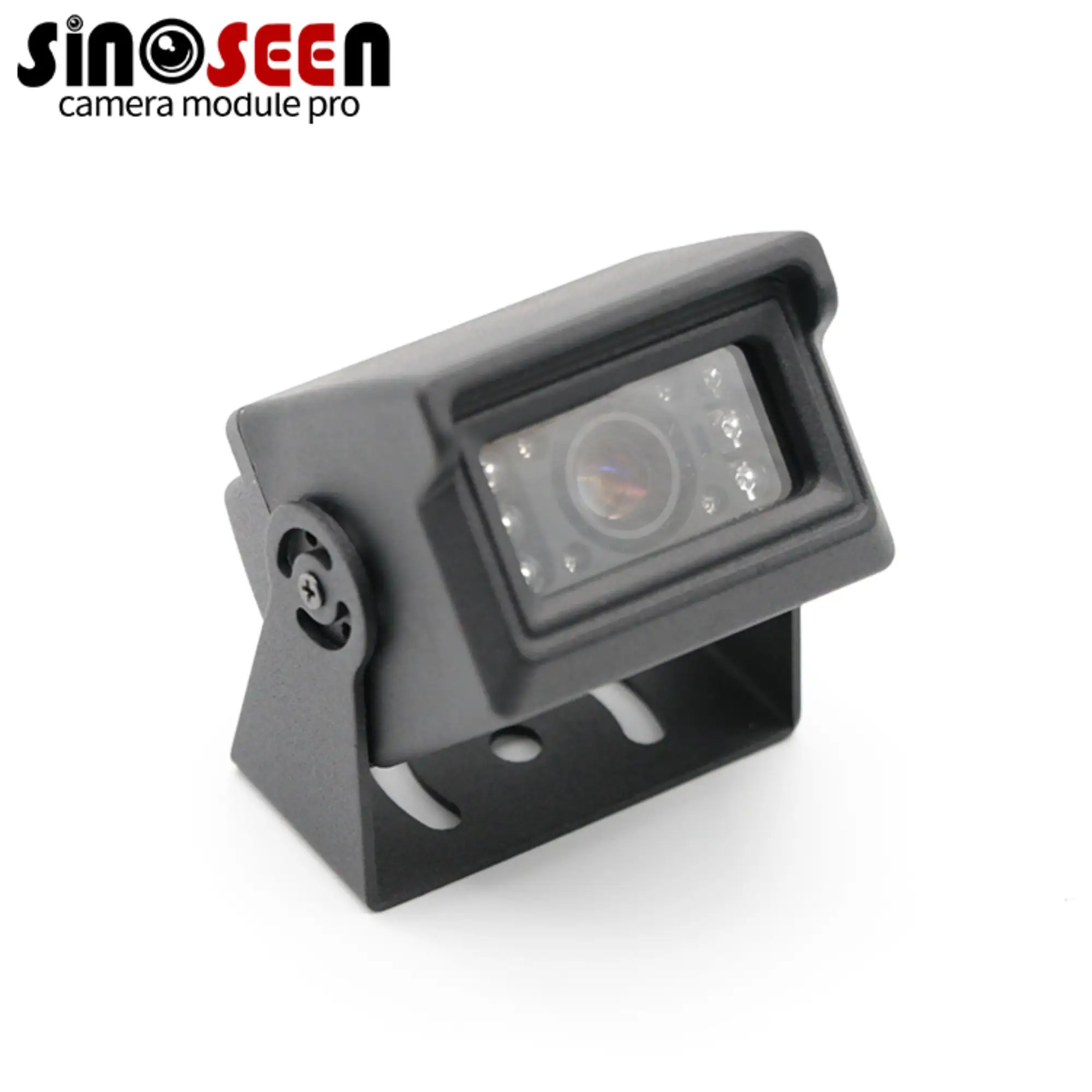
Choosing a night vision camera module factory requires evaluating multiple technical, operational, and commercial factors. Not all factories operate at the same production standards, quality control rigor, or technical support level. A poor choice can result in inconsistent image quality, premature failures, supply chain disruptions, and costly system redesigns. This guide provides a structured framework for evaluating and selecting a night vision camera module factory that aligns with your specific application requirements and business goals.
Understanding Night Vision Camera Module Specifications
Sensor Technology and Image Quality
The night vision camera module you select must be built on proven sensor technology that delivers consistent performance across your target illumination range. Evaluate the sensor type—whether CMOS, CCD, or specialized infrared—and assess its proven track record in similar industrial applications. Request detailed specifications including sensor resolution, pixel size, quantum efficiency, and noise characteristics. A quality night vision camera module factory will provide transparent technical datasheets, sample images under various lighting conditions, and references from existing customers operating in comparable environments.
Examine the night vision camera module's low-light performance metrics closely. Key specifications include minimum illumination level (typically measured in lux), dynamic range, frame rate consistency, and temporal noise performance. The factory should demonstrate how their night vision camera module handles rapid lighting transitions and various weather conditions. Ask for comparative performance data and third-party test results if available. Reputable night vision camera module manufacturers will provide detailed performance curves rather than marketing claims alone.
Integration and Compatibility Factors
Your night vision camera module must integrate seamlessly with your existing or planned system architecture. Assess the available interfaces—USB, Gigabit Ethernet, MIPI CSI, or proprietary connectors—and confirm compatibility with your processing platform. Evaluate the physical form factor, mounting options, thermal management requirements, and power supply specifications. A night vision camera module factory with strong engineering support will offer multiple form factors, customization options, and clear integration documentation to reduce your development timeline.
Consider the software ecosystem surrounding the night vision camera module. Does the factory provide driver support for your operating system? Are firmware updates automated or manual? Can you easily configure image processing parameters within your application? A professional night vision camera module factory will offer well-documented APIs, sample code, and technical support teams who understand system-level integration challenges beyond just the sensor itself.
Evaluating Manufacturing Quality and Compliance
Quality Control and Production Standards
Manufacturing consistency directly determines whether every night vision camera module meets specification and performs reliably in the field. Investigate the factory's quality assurance processes, including incoming component testing, in-process inspection protocols, and final unit validation procedures. Ask about their defect rates, field failure analysis processes, and corrective action procedures. A credible night vision camera module factory will be transparent about their quality metrics, ISO certifications, and third-party audits. Request information about their statistical process control systems and traceability procedures.
Evaluate the night vision camera module factory's environmental testing capabilities. Do they perform thermal cycling, humidity stress testing, vibration testing, and long-duration stability validation? Ask whether the night vision camera module undergoes accelerated life testing before shipment. Understanding the factory's test coverage helps you assess risk and predict field reliability. A quality night vision camera module manufacturer invests in these processes because they prevent costly system failures and warranty claims in customer deployments.
Certification and Compliance Adherence
Depending on your application region and industry sector, your night vision camera module may need to meet specific regulatory standards. Industrial applications often require compliance with RoHS, REACH, CE marking, FCC certifications, or industry-specific standards. Verify that your chosen night vision camera module factory maintains current certifications and can provide compliance documentation for your target markets. Ask about their process for maintaining compliance as regulations evolve. A compliant night vision camera module factory reduces your legal and commercial risk substantially.
Request third-party test reports for the night vision camera module specifications you consider most critical. Some factories partner with independent testing labs to validate performance claims. This documentation becomes valuable for your own customer discussions and regulatory submissions. A night vision camera module factory that invests in third-party validation demonstrates confidence in their product and commitment to transparency. This level of professionalism often correlates with overall manufacturing discipline and long-term reliability.
Supply Chain Stability and Technical Support
Production Capacity and Lead Times
Verify that your night vision camera module factory can meet your current volume requirements and scale as your business grows. Understand their production capacity, typical lead times, and ability to handle urgent orders or design changes. A reliable night vision camera module factory maintains adequate inventory buffers and communicates transparently about capacity constraints. Ask about their supply chain for critical components that feed the night vision camera module manufacturing process. If key sensor suppliers experience disruptions, how does this affect your night vision camera module delivery?
Establish clear expectations around the night vision camera module factory's minimum order quantities, pricing tiers, and terms for design modifications. Some factories offer flexible minimums for established customers, while others maintain strict volume requirements. Understanding these policies upfront prevents surprises and allows you to forecast costs accurately. A professional night vision camera module factory provides written terms and maintains consistent communication about order status and any potential delays affecting your night vision camera module deliveries.
Engineering Support and Customization Services
A capable night vision camera module factory offers technical support beyond standard products. Can they assist with optical designs optimized for your specific mounting and field-of-view requirements? Do they support custom firmware modifications or image processing enhancements within the night vision camera module? Are their engineers available for system integration consultation and troubleshooting? Access to quality technical support can dramatically accelerate your time to market and improve your night vision camera module system's overall performance.
Evaluate the night vision camera module factory's approach to long-term product sustainability. Will they commit to supporting your night vision camera module design for the expected lifetime of your product? How do they handle end-of-life notifications for critical components? A stable night vision camera module factory plans for obsolescence management and communicates changes well in advance, allowing you to qualify alternative sensors or adjust your product roadmap. This long-term partnership perspective distinguishes professional manufacturers from transactional vendors.
FAQ
What is the typical lead time for receiving a night vision camera module from a new factory?
Lead times vary significantly depending on the factory's current capacity, your order quantity, and whether you're ordering standard or customized products. Most established night vision camera module factories offer lead times ranging from 4 to 12 weeks for standard products, with shorter times for customers ordering regularly. Custom night vision camera module orders or significant design modifications may require 12 to 20 weeks. Obtain written lead time commitments and clarify whether quoted times include design validation, production, quality testing, and logistics.
How should I assess the technical support quality of a night vision camera module factory?
Request references from existing customers and contact them directly about their support experience. Ask the night vision camera module factory about their support team's expertise, available communication channels (email, phone, technical portal), and typical response times. Evaluate whether they provide documentation in your preferred language, sample code, and integration guides. A quality night vision camera module factory responds to technical questions within one to two business days and assigns experienced engineers to complex issues. Request a pre-purchase technical consultation to gauge their responsiveness and expertise firsthand.
What certifications and compliance standards should my night vision camera module factory maintain?
Minimum standards typically include ISO 9001 for quality management and RoHS compliance for environmental responsibility. Your specific requirements depend on your target market and application—industrial systems may need CE marking, medical applications require stricter biocompatibility standards, and defense applications demand ITAR or EAR compliance. Ask your night vision camera module factory which standards apply to your use case and request current certificates. Reputable manufacturers maintain up-to-date certifications and undergo regular third-party audits to maintain compliance status.