Kompleks Şəkil İşləmə və Süni İntellektlə Gücləndirilmiş Tanıma Xüsusiyyətləri
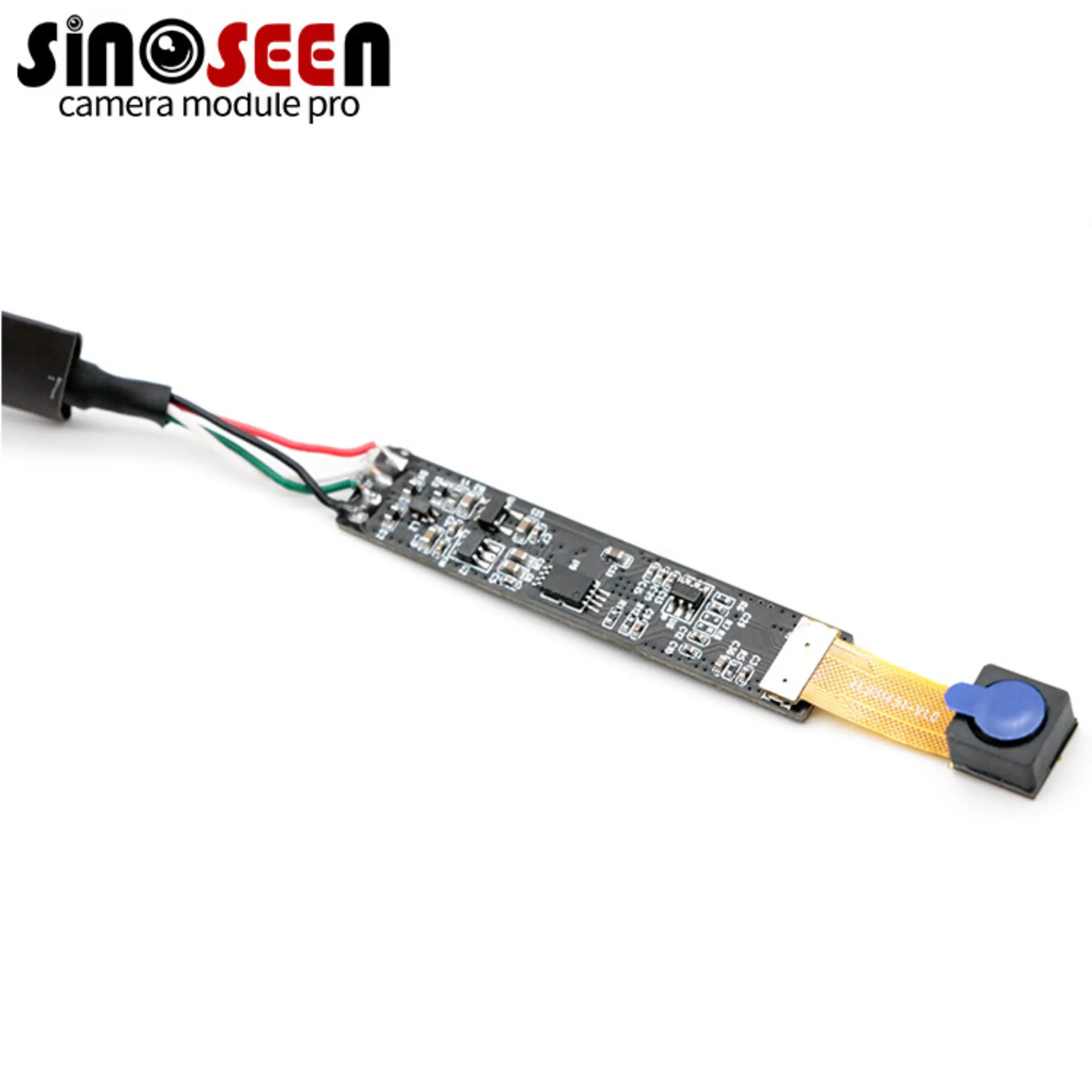
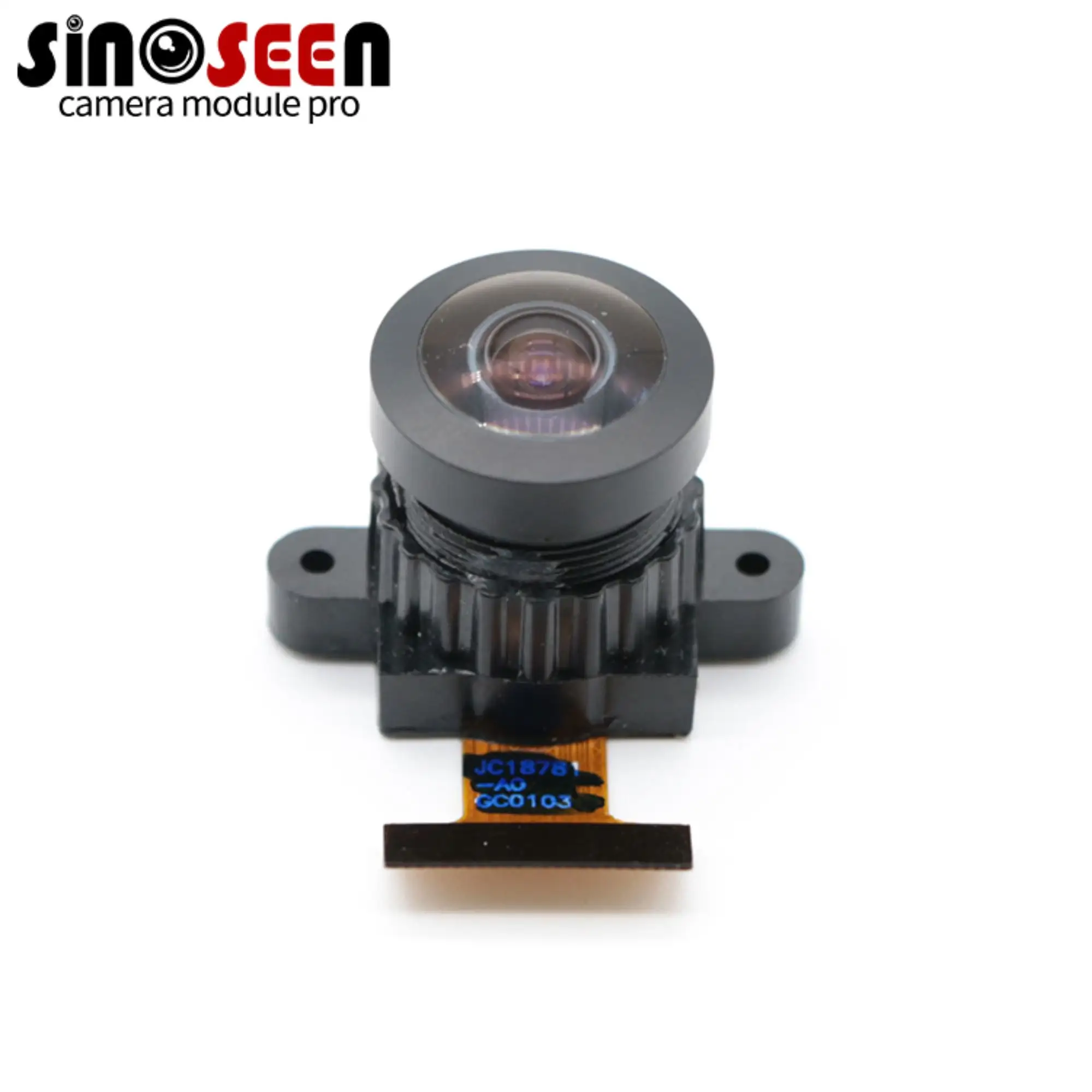
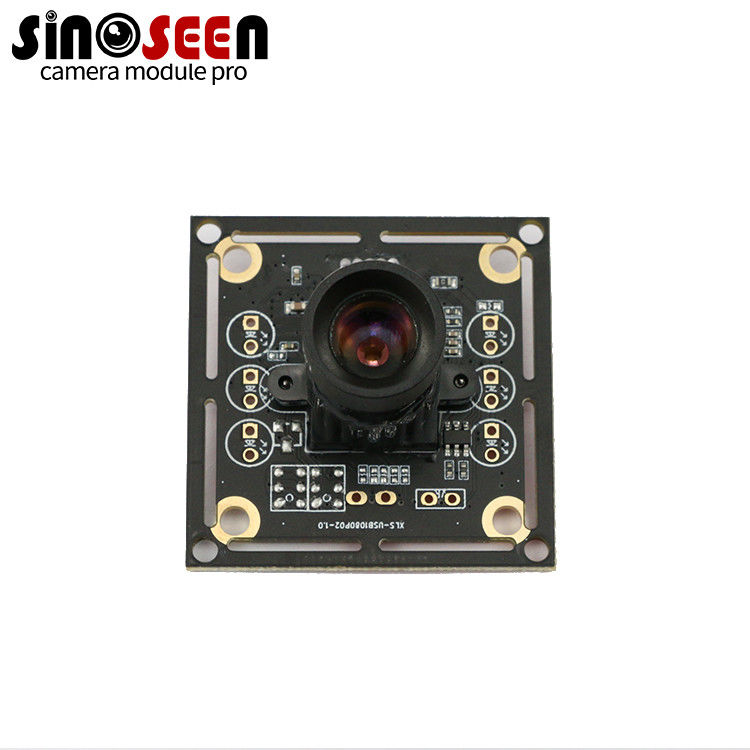
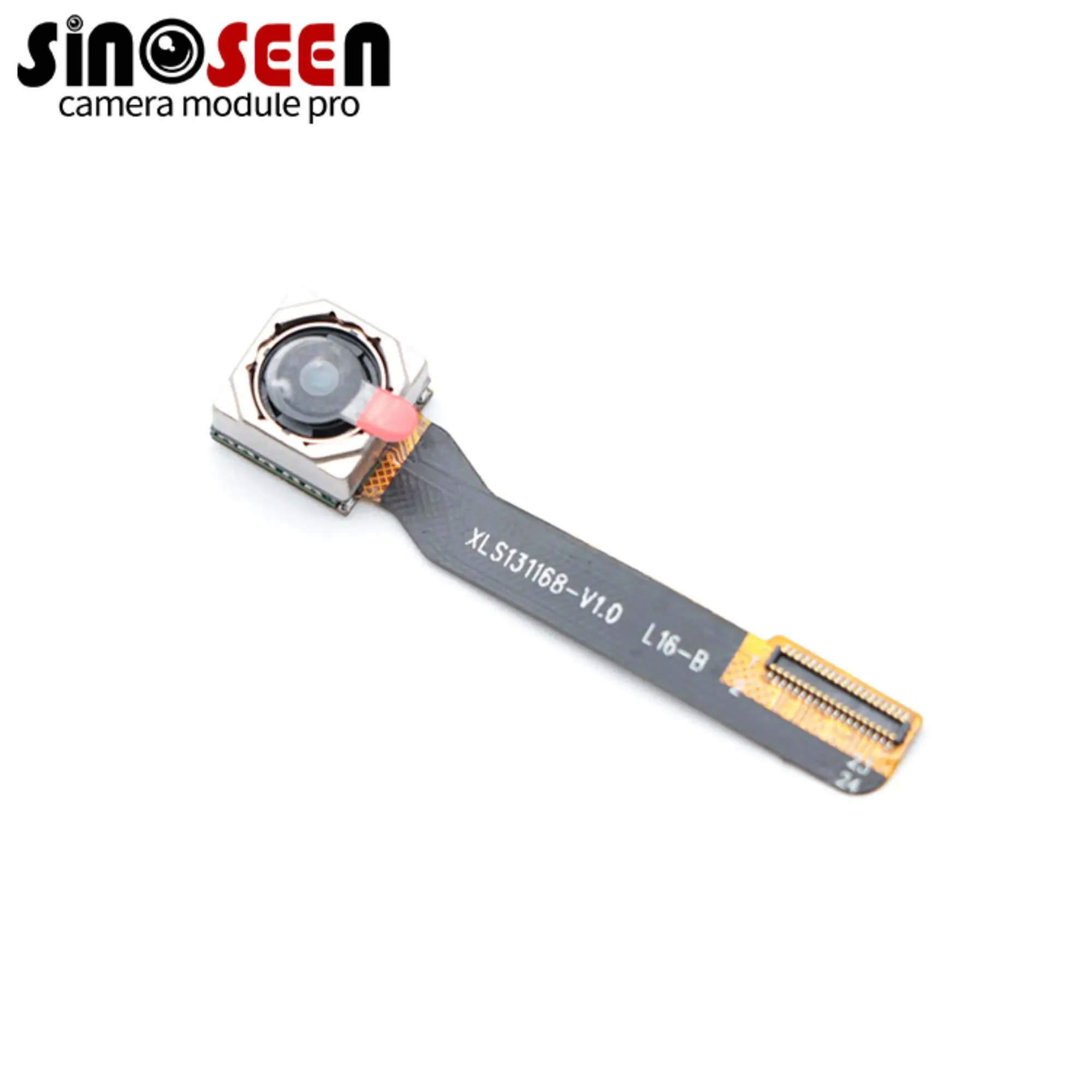
ESP32-CAM kamerası modulu, irəli səviyyəli alqoritmlər və süni intellekt xüsusiyyətləri vasitəsilə hamar kamera məlumatlarını fəaliyyətə keçirilə bilən intellektə çevirmək üçün güclü şəkil emalı qabiliyyətlərinə malikdir. Daxili emal gücü üzərində yerləşən bu modul, xarici hesablama resurslarına ehtiyac olmadan üzün aşkarlanması, üzün tanınması və obyektlərin izlənməsi kimi mürəkkəb kompüter görməsi tapşırıqlarını yerinə yetirir. Üzün aşkarlanması alqoritmləri, kameranın görüş sahəsi daxilində eyni zamanda bir neçə üzü müəyyən edə bilir və hər bir aşkar edilən üz üçün sərhəd qutusu koordinatları və etibarlılıq qiymətləri təmin edir. ESP32-CAM kamerası modulu daxili yaddaşda 7-ə qədər üz tanınma profili saxlaya bilir ki, bu da şəxsi giriş nəzarəti sistemləri və avtomatlaşdırılmış iştirakçıların qeydiyyatı tətbiqlərini mümkün edir. Şəkil keyfiyyətini yaxşılaşdıran xüsusiyyətlərə avtomatik ağ balans, parlaqlıq tənzimləməsi və kontrast optimallaşdırılması daxildir; beləliklə, müxtəlif işıqlandırma şəraitində optimal şəkil keyfiyyəti təmin olunur. Modul, maşın görməsi tətbiqləri üçün ön işlənmiş şəkillər tələb edən çalar rəng çevirilməsi, kənar aşkarlaması və gürültü azaldılması kimi seçimlərlə real vaxt rejimində şəkil süzgəclənməsini dəstəkləyir. Hərəkət aşkarlamasının həssaslığı müəyyən mühitlər üçün kalibr edilə bilir ki, bu da yalancı siqnalları azaldarkən etibarlı daxilolma aşkarlaması qabiliyyətini saxlayır. ESP32-CAM kamerası modulu, əl ilə müdaxilə tələb etmədən dəyişən işıq şəraitinə uyğunlaşmaq üçün avtomatik işıq tutumu idarəetməsi üçün histogram analizini tətbiq edir. İrəli səviyyəli xüsusiyyətlərə maraq sahəsinin emalı daxildir ki, bu da arxa fonun qeyri-müvafiq elementlərini nəzərə almamaqla şəklin müəyyən sahələrinə yönəldilmiş təhlil imkanı verir. Xüsusi alqoritmlərin inteqrasiyası, tərtibatçıların unikal tətbiq tələblərinə uyğun xüsusi emal rutinlərini tətbiq etmələrinə imkan verir. Emal boru kəməri minimal gecikmə ilə səmərəli şəkildə işləyir və buna görə də interaktiv tətbiqlər üçün real vaxt performansı təmin edir. Şəkil sıxılma alqoritmləri, əsas vizual məlumatların saxlanılmasını təmin edərək saxlama tələblərini optimallaşdırır və məhdud saxlama qurğularında yazma qabiliyyətini uzadır.

 EN
EN
 AR
AR
 DA
DA
 NL
NL
 FI
FI
 FR
FR
 DE
DE
 EL
EL
 HI
HI
 IT
IT
 JA
JA
 KO
KO
 NO
NO
 PL
PL
 PT
PT
 RO
RO
 RU
RU
 ES
ES
 SV
SV
 TL
TL
 IW
IW
 ID
ID
 SR
SR
 VI
VI
 HU
HU
 TH
TH
 TR
TR
 FA
FA
 MS
MS
 IS
IS
 AZ
AZ
 UR
UR
 BN
BN
 HA
HA
 LO
LO
 MR
MR
 MN
MN
 PA
PA
 MY
MY
 SD
SD