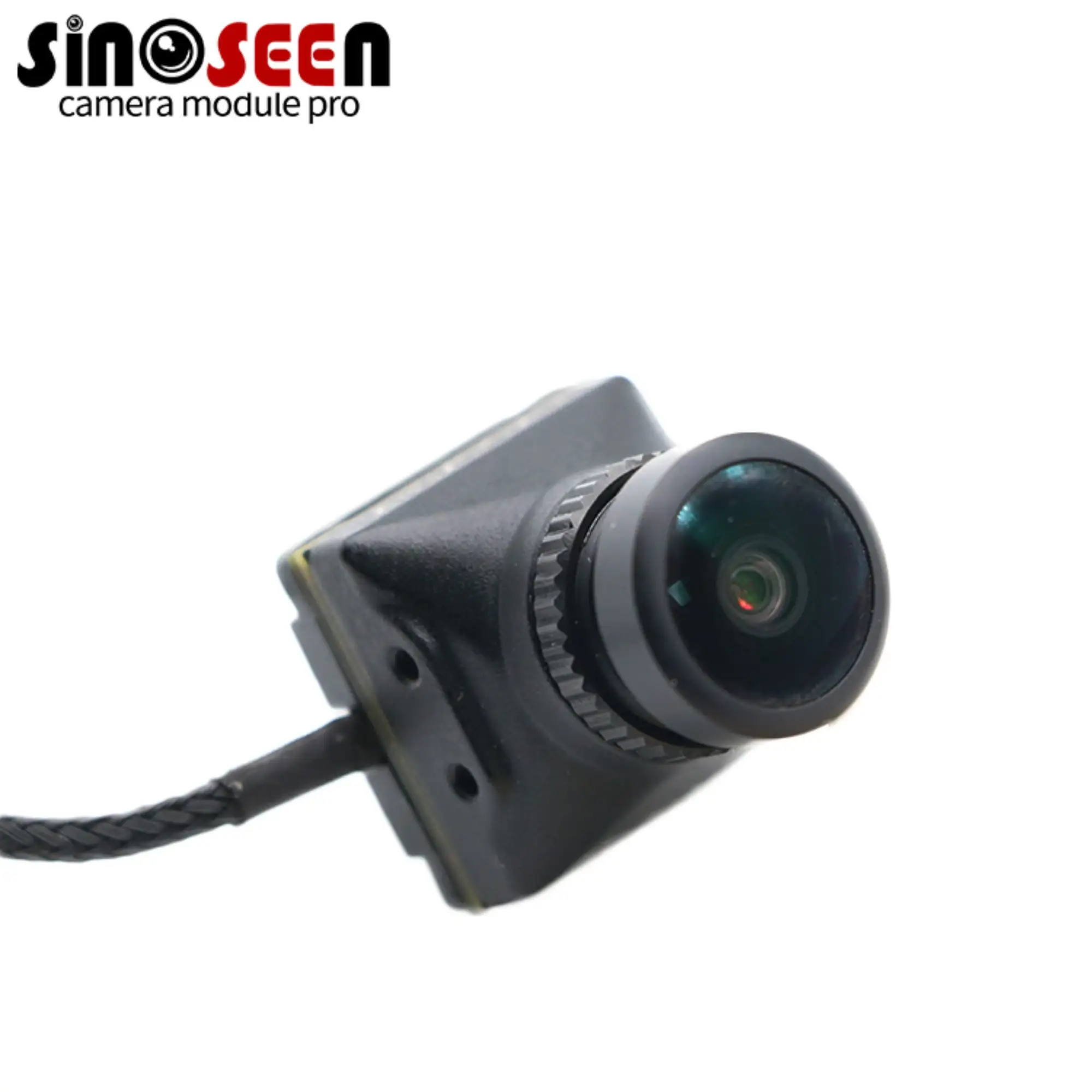
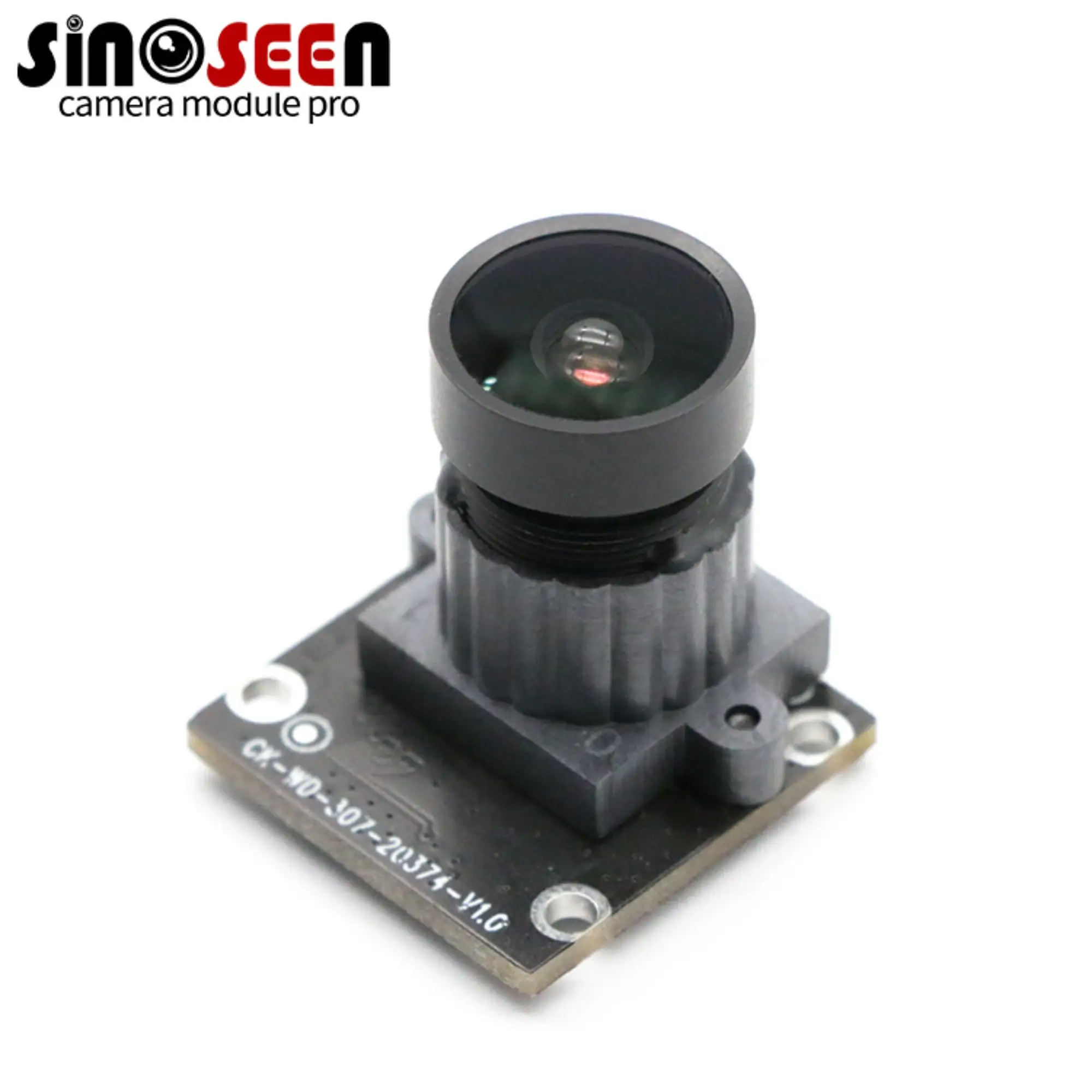
Seamless Universal Connectivity and Compatibility
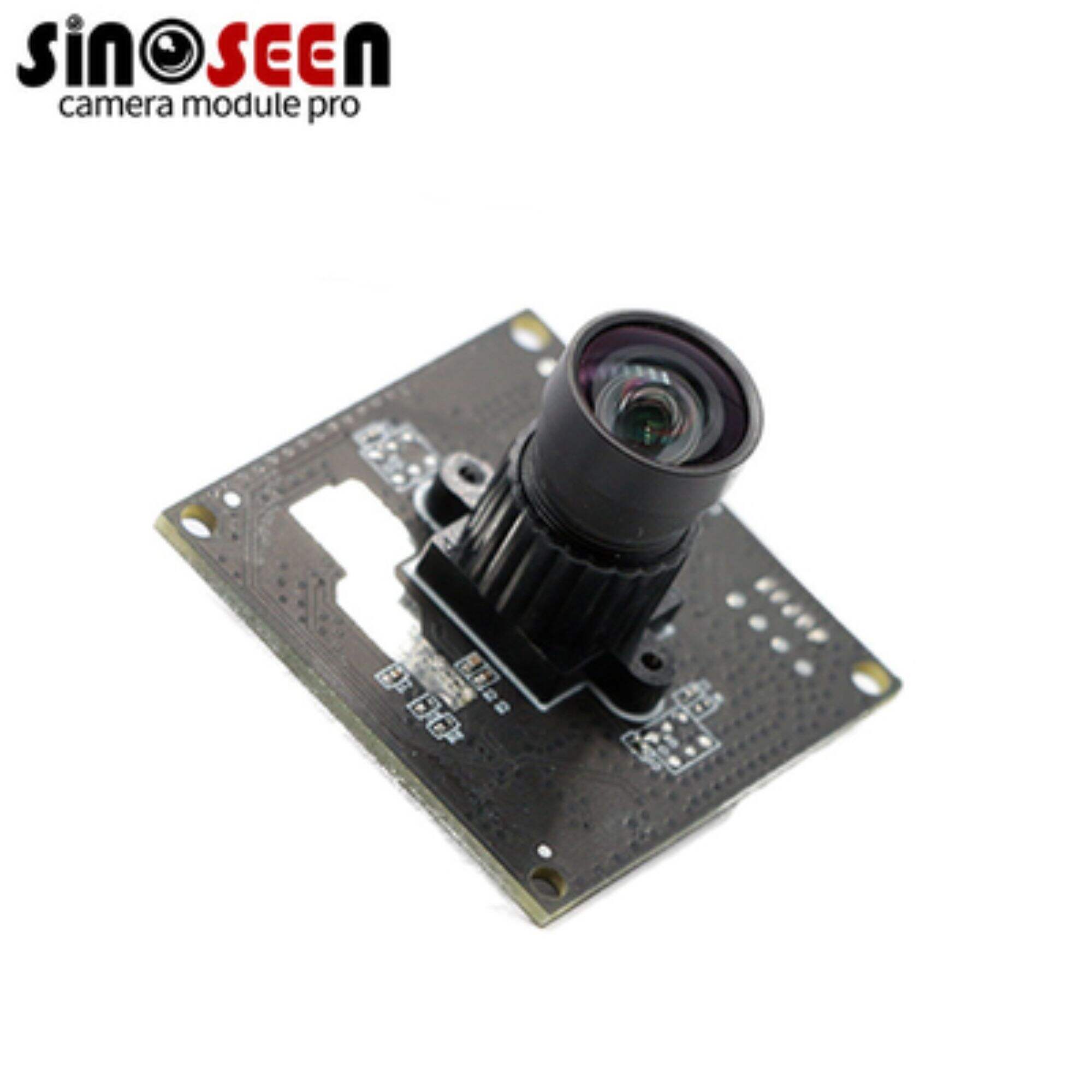
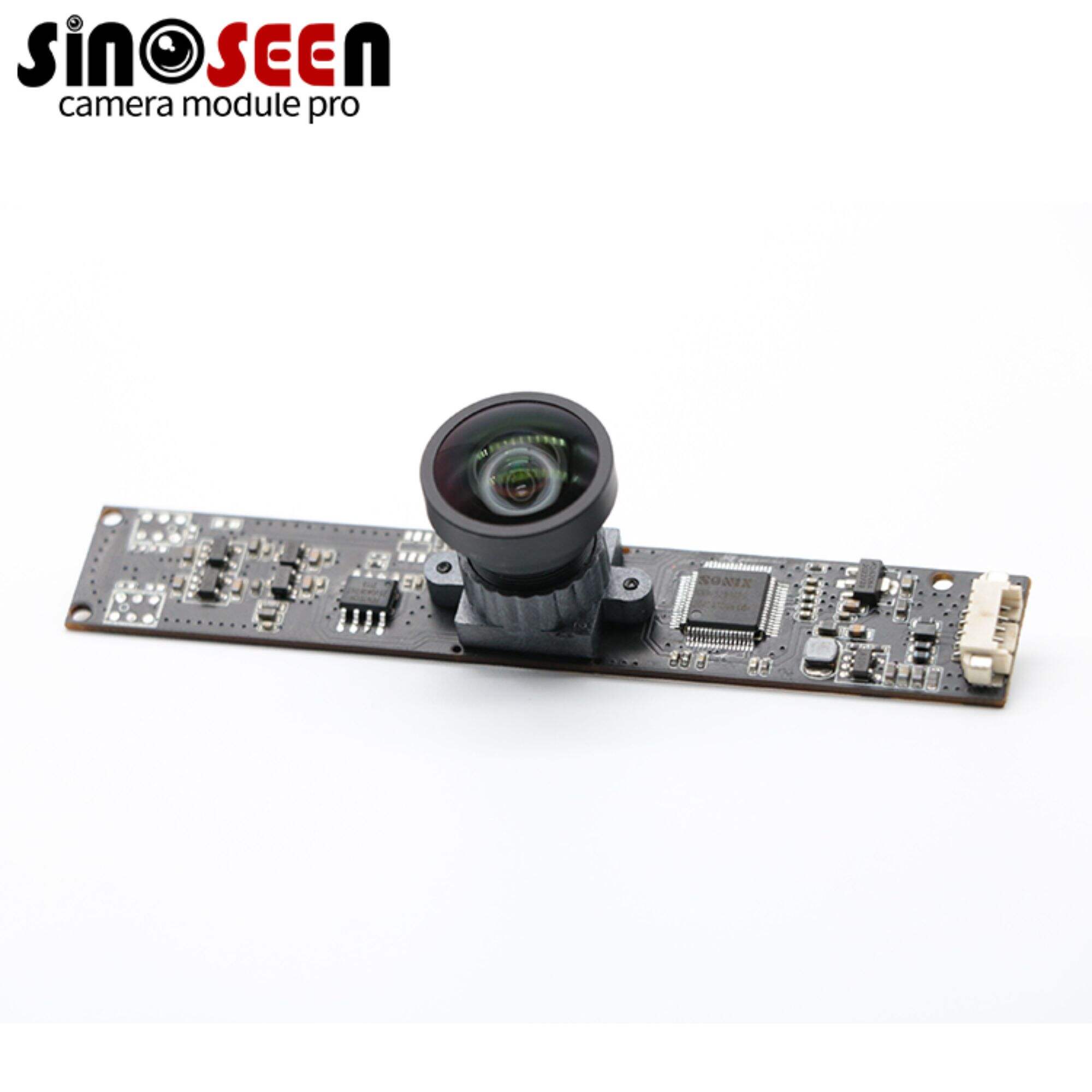
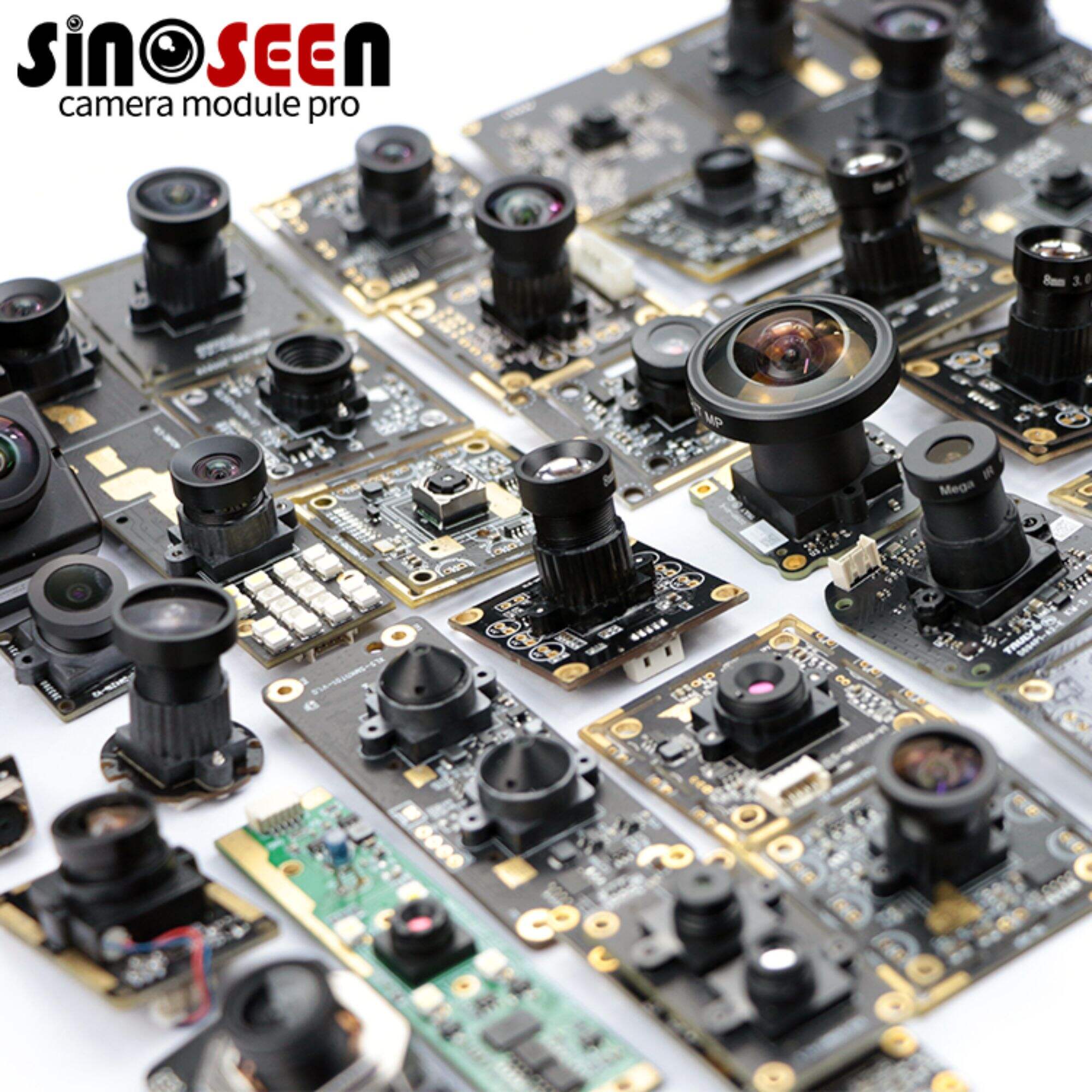
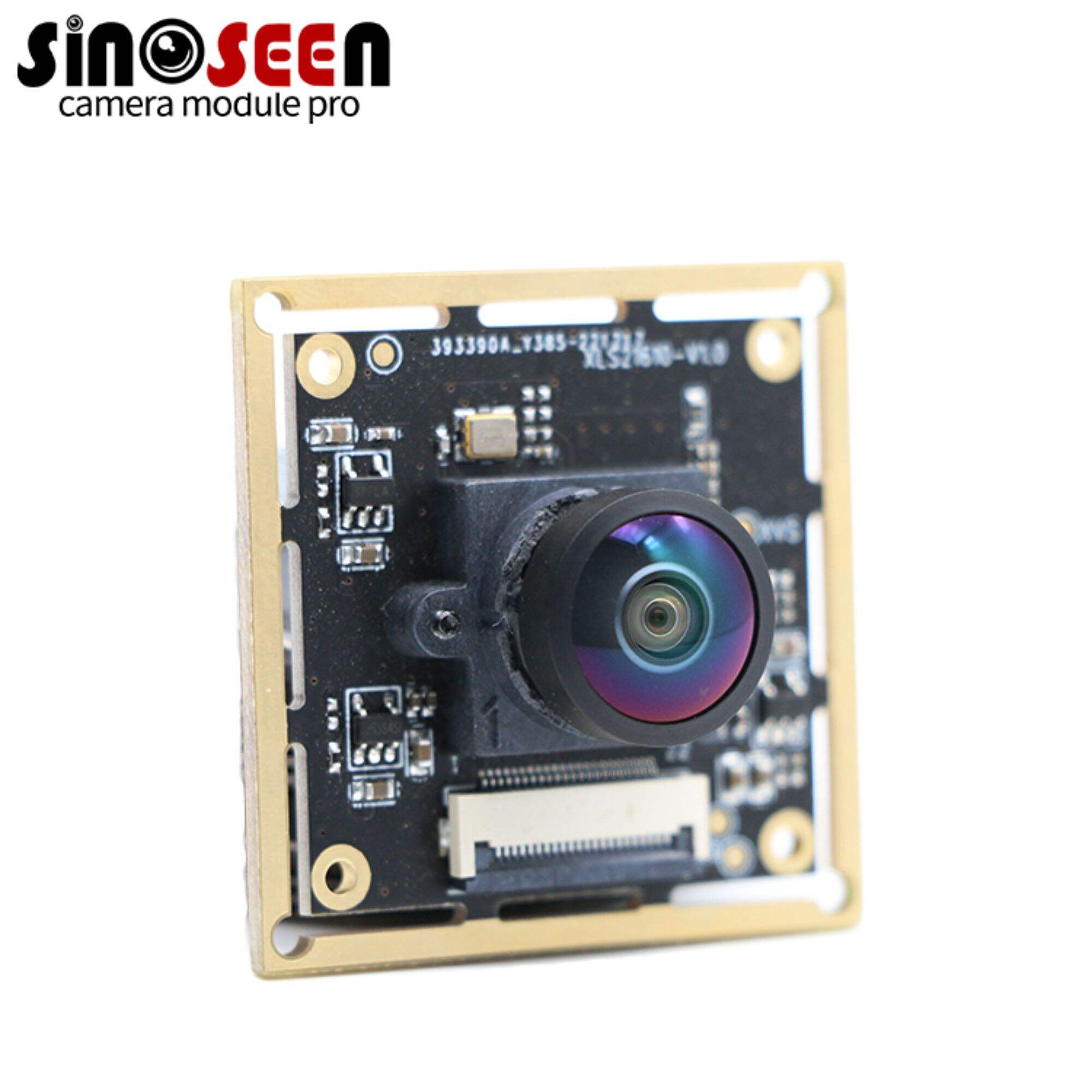
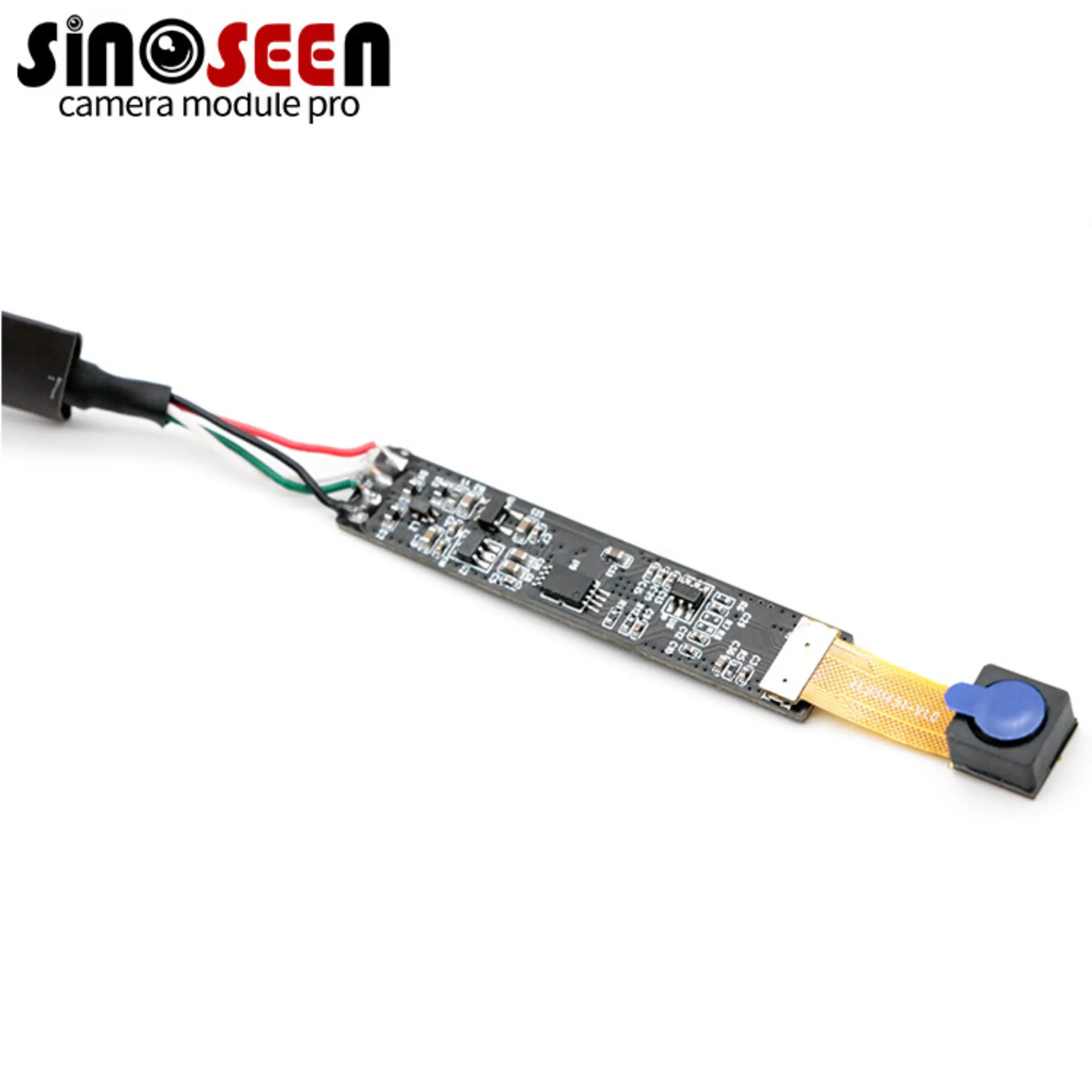
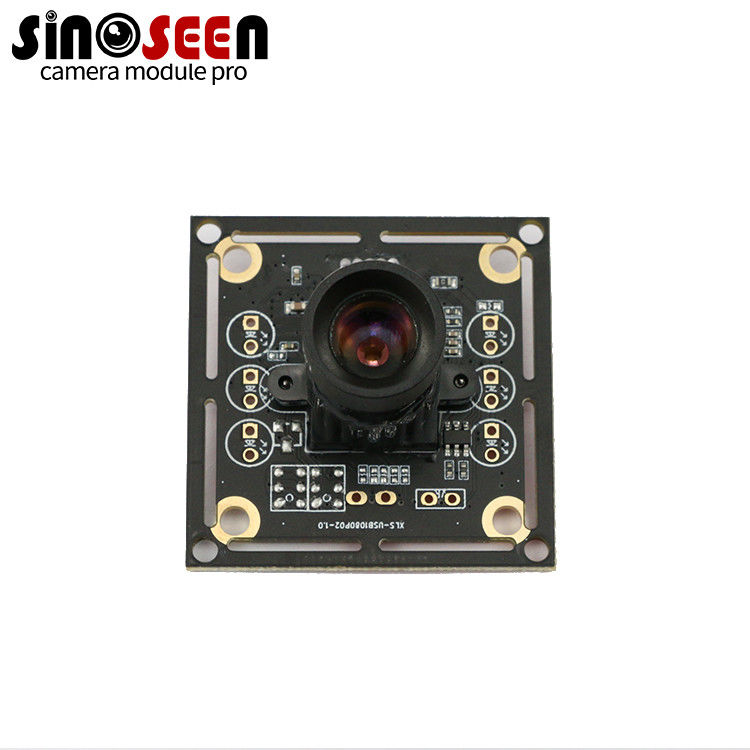
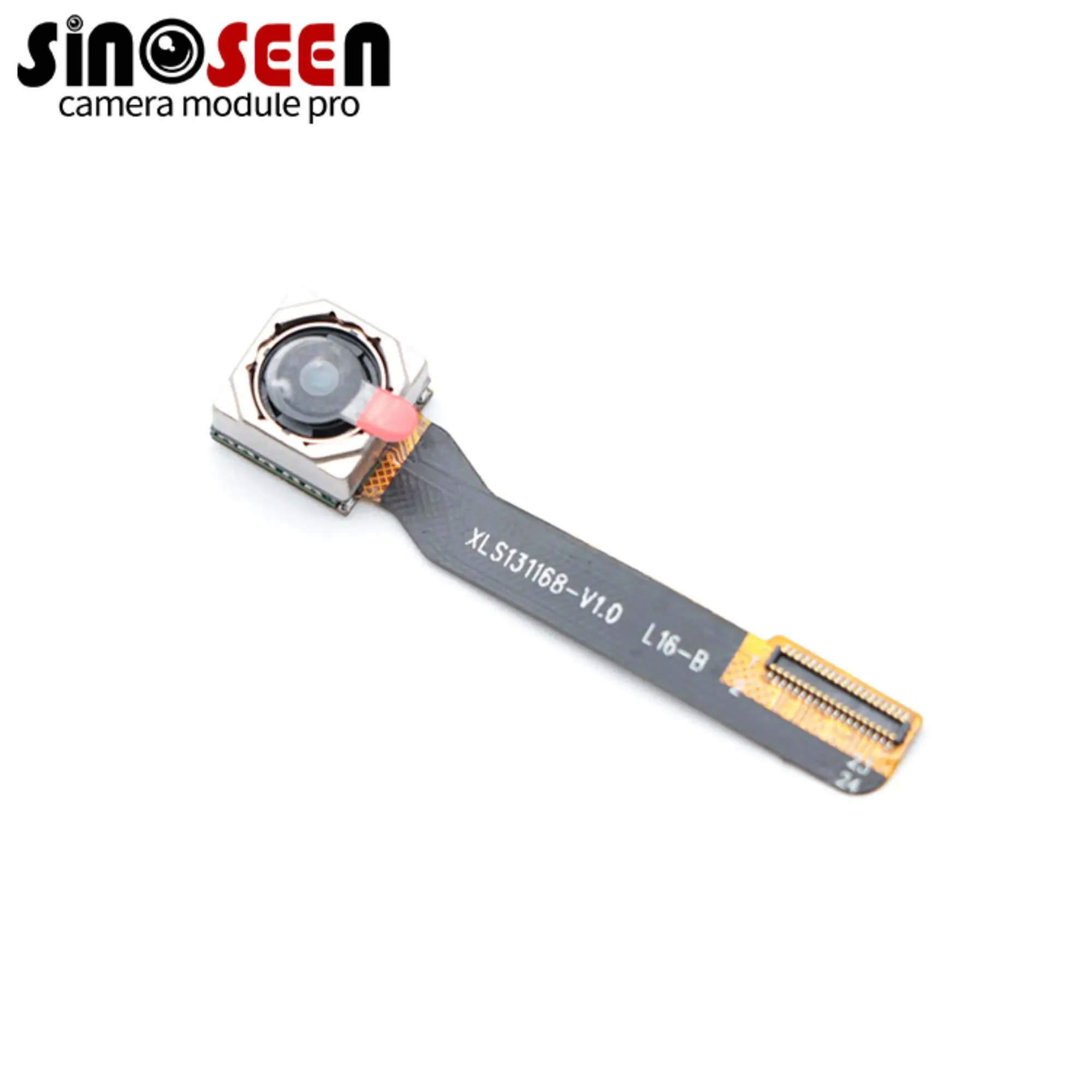
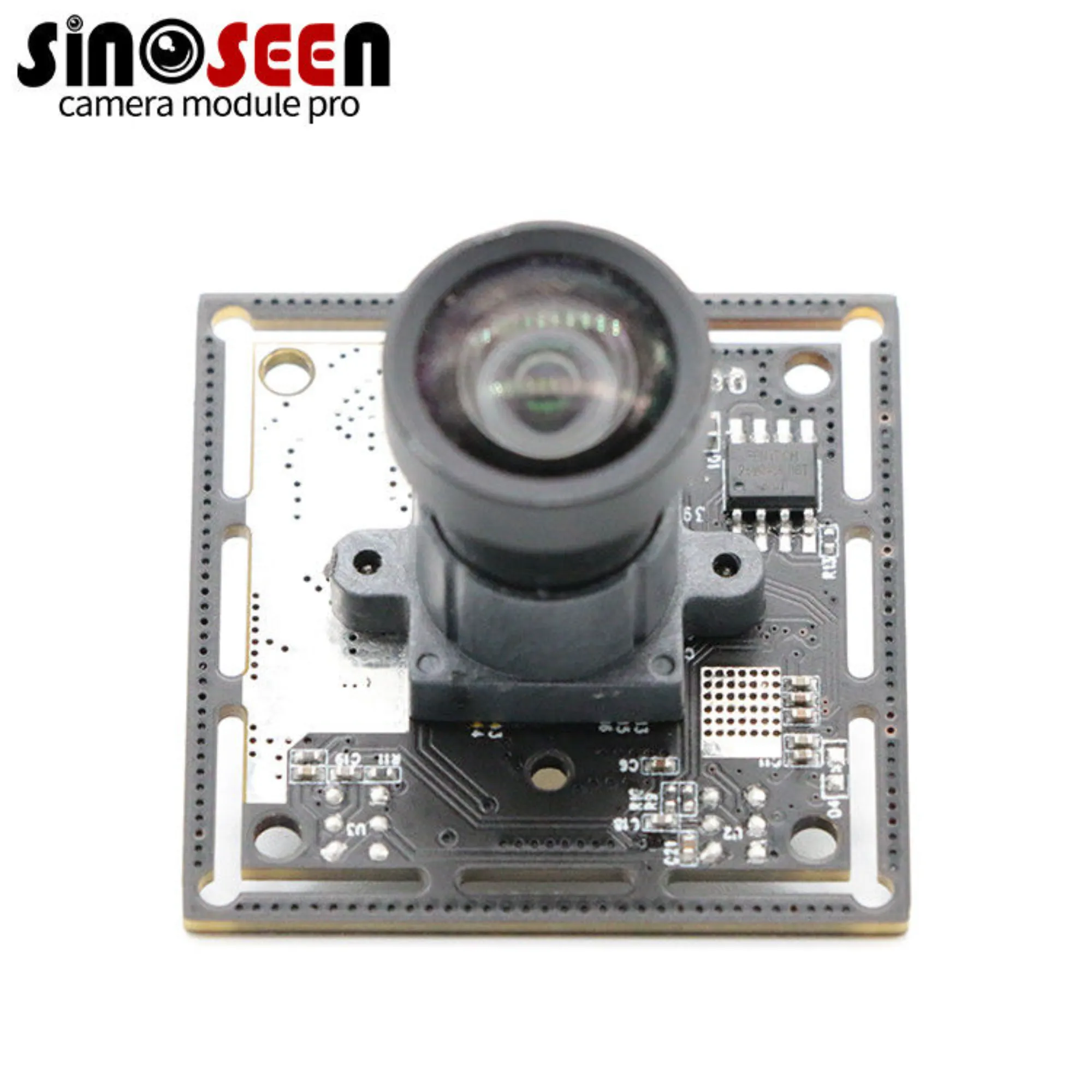
The universal connectivity features of USB camera chips provide unmatched versatility and compatibility across multiple platforms and operating systems, making them the preferred choice for diverse applications. These sophisticated devices utilize standardized USB protocols that ensure seamless communication with virtually any computing device, from desktop computers and laptops to tablets and smartphones. USB camera chips support multiple USB standards, including USB 2.0, USB 3.0, and the latest USB-C specifications, providing backward compatibility while offering enhanced data transfer speeds for demanding applications. The plug-and-play functionality eliminates the need for complex driver installations or specialized software, allowing users to connect and begin using their USB camera chips immediately after connection. This universal compatibility extends across Windows, macOS, Linux, Android, and other operating systems, ensuring consistent performance regardless of the host platform. USB camera chips incorporate intelligent device recognition protocols that automatically configure optimal settings based on the connected system capabilities, maximizing performance while maintaining stability. The standardized interface design reduces development costs for manufacturers while ensuring reliable interoperability between different brands and models of USB camera chips. These devices support multiple concurrent connections, enabling users to operate several USB camera chips simultaneously without system conflicts or performance degradation. The hot-swappable nature of USB connections allows dynamic device management, permitting users to connect and disconnect USB camera chips without system reboots or service interruptions. Advanced USB camera chips feature sophisticated power management systems that optimize energy consumption based on operational requirements, extending battery life in portable applications. The universal connectivity also supports remote operation capabilities, allowing USB camera chips to function effectively in distributed systems and network-based applications where centralized control and monitoring are essential for operational efficiency.

 EN
EN
 AR
AR
 DA
DA
 NL
NL
 FI
FI
 FR
FR
 DE
DE
 EL
EL
 HI
HI
 IT
IT
 JA
JA
 KO
KO
 NO
NO
 PL
PL
 PT
PT
 RO
RO
 RU
RU
 ES
ES
 SV
SV
 TL
TL
 IW
IW
 ID
ID
 SR
SR
 VI
VI
 HU
HU
 TH
TH
 TR
TR
 FA
FA
 MS
MS
 IS
IS
 AZ
AZ
 UR
UR
 BN
BN
 HA
HA
 LO
LO
 MR
MR
 MN
MN
 PA
PA
 MY
MY
 SD
SD