Innovative Camera Modules for Every Application | Sinoseen

All Categories

ir camera board module

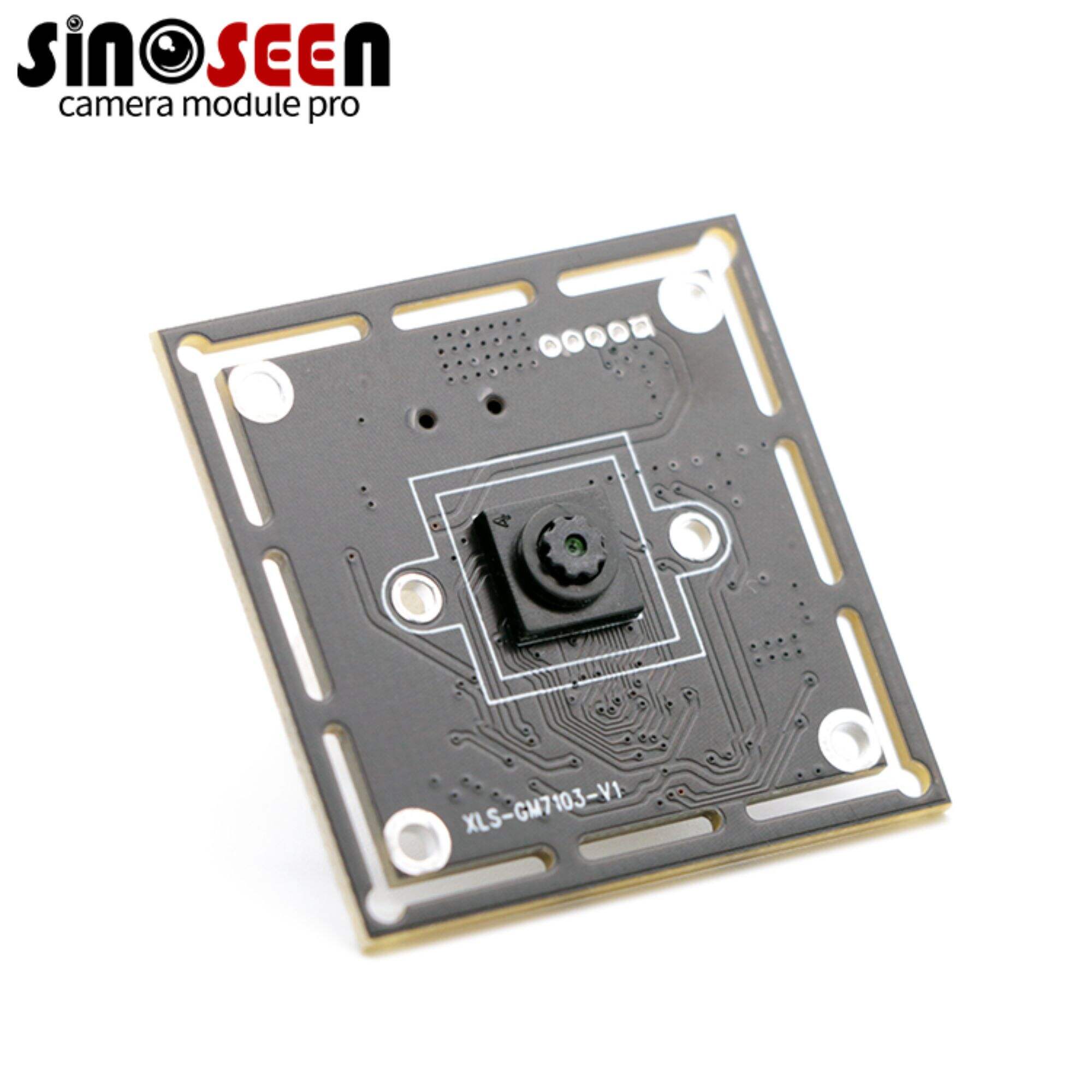
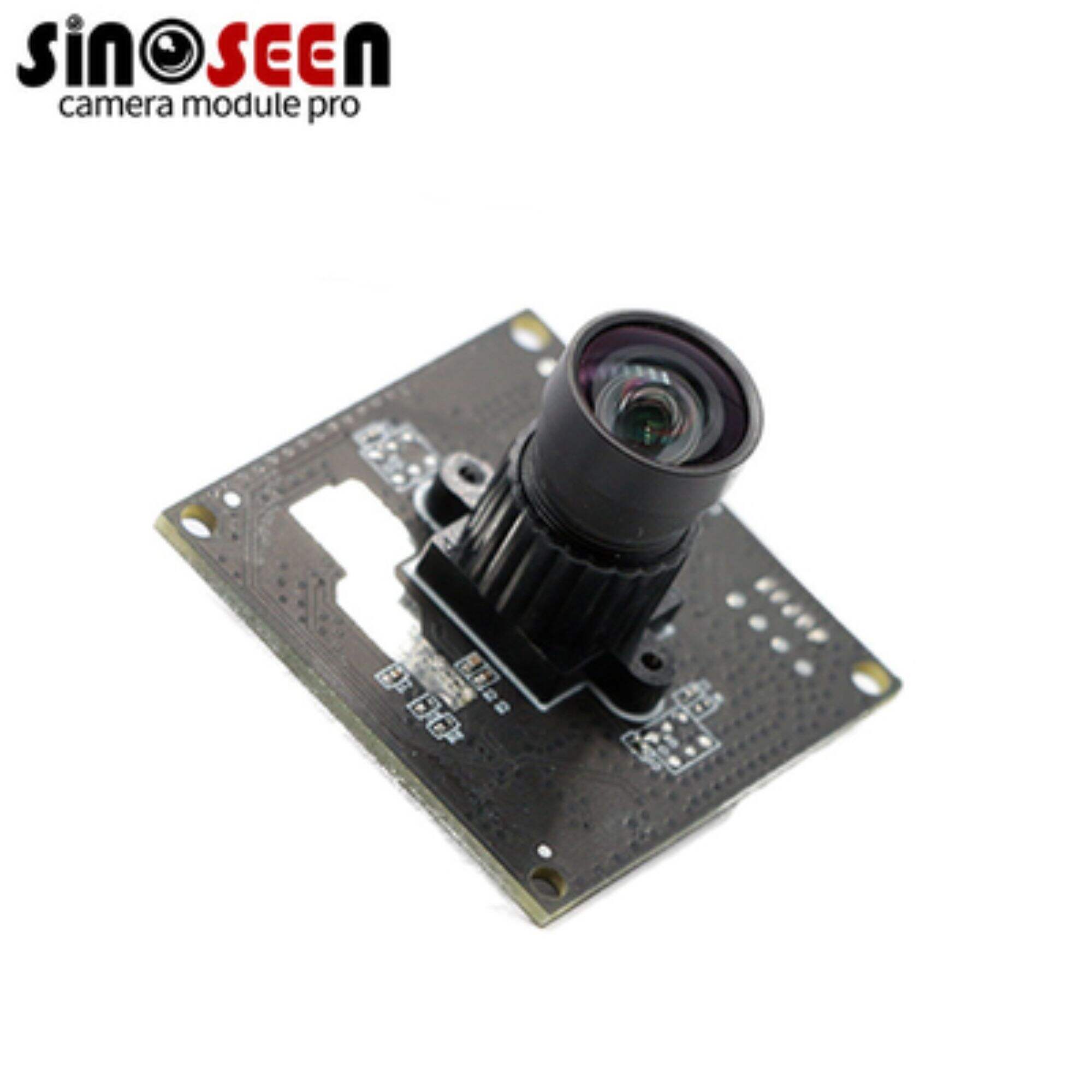
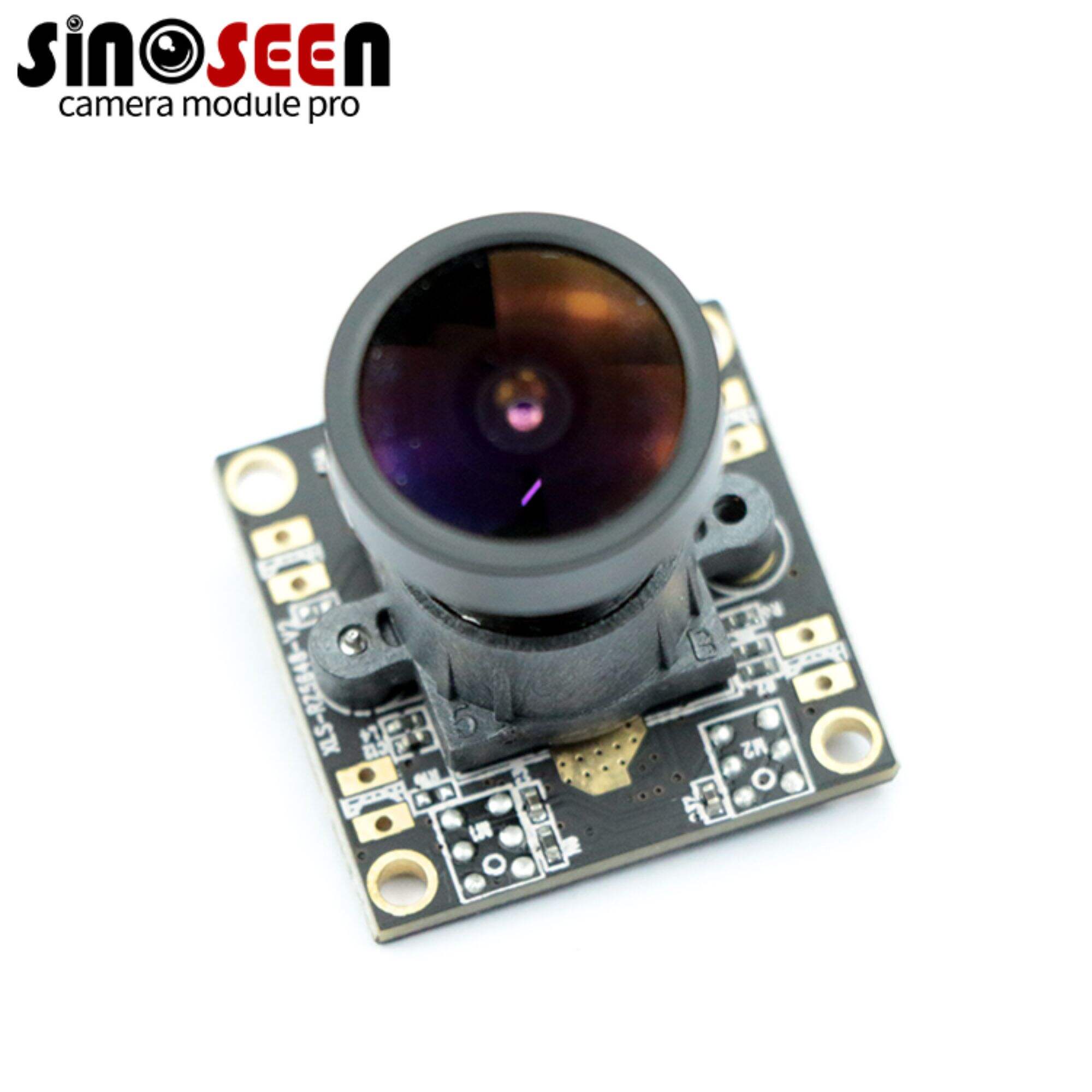
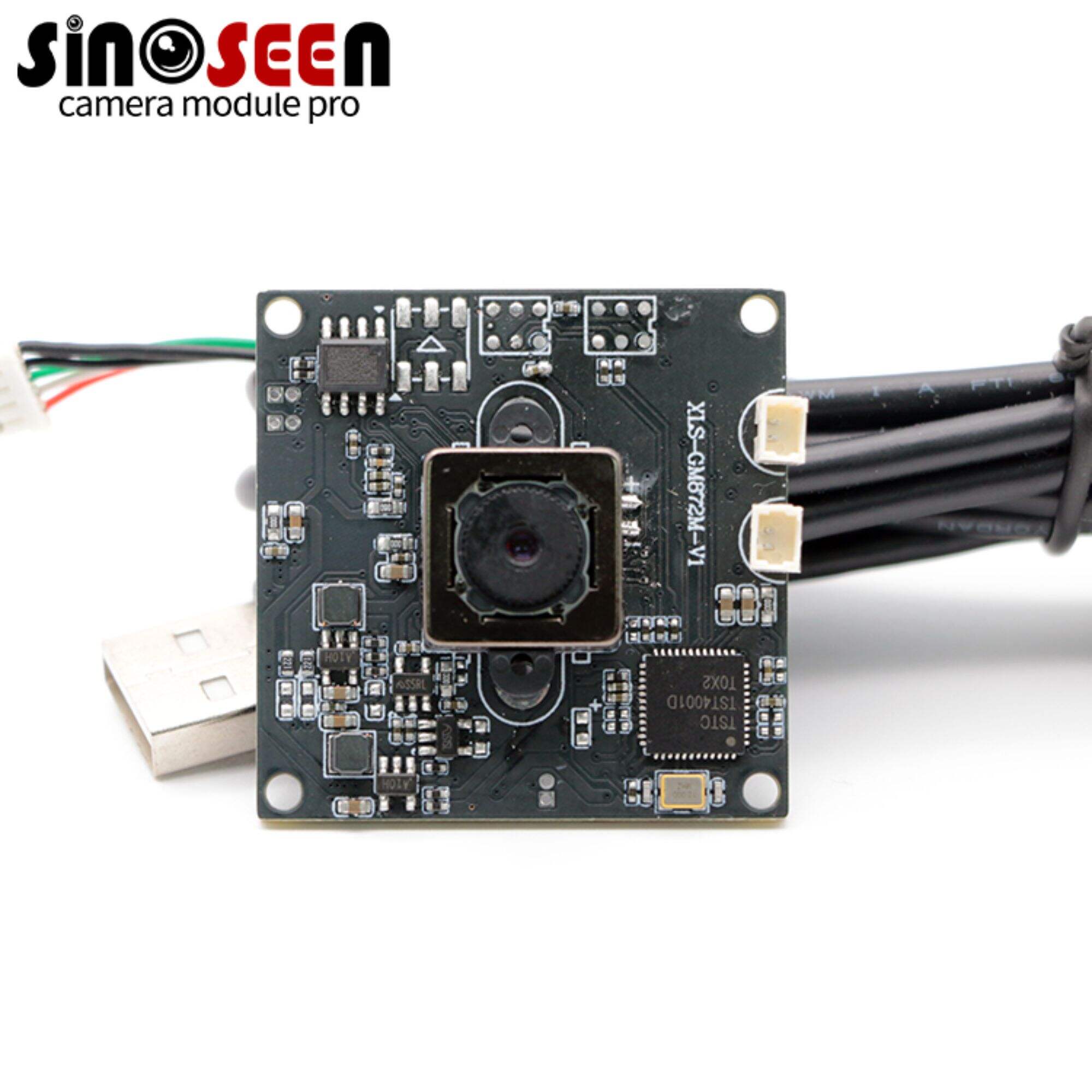
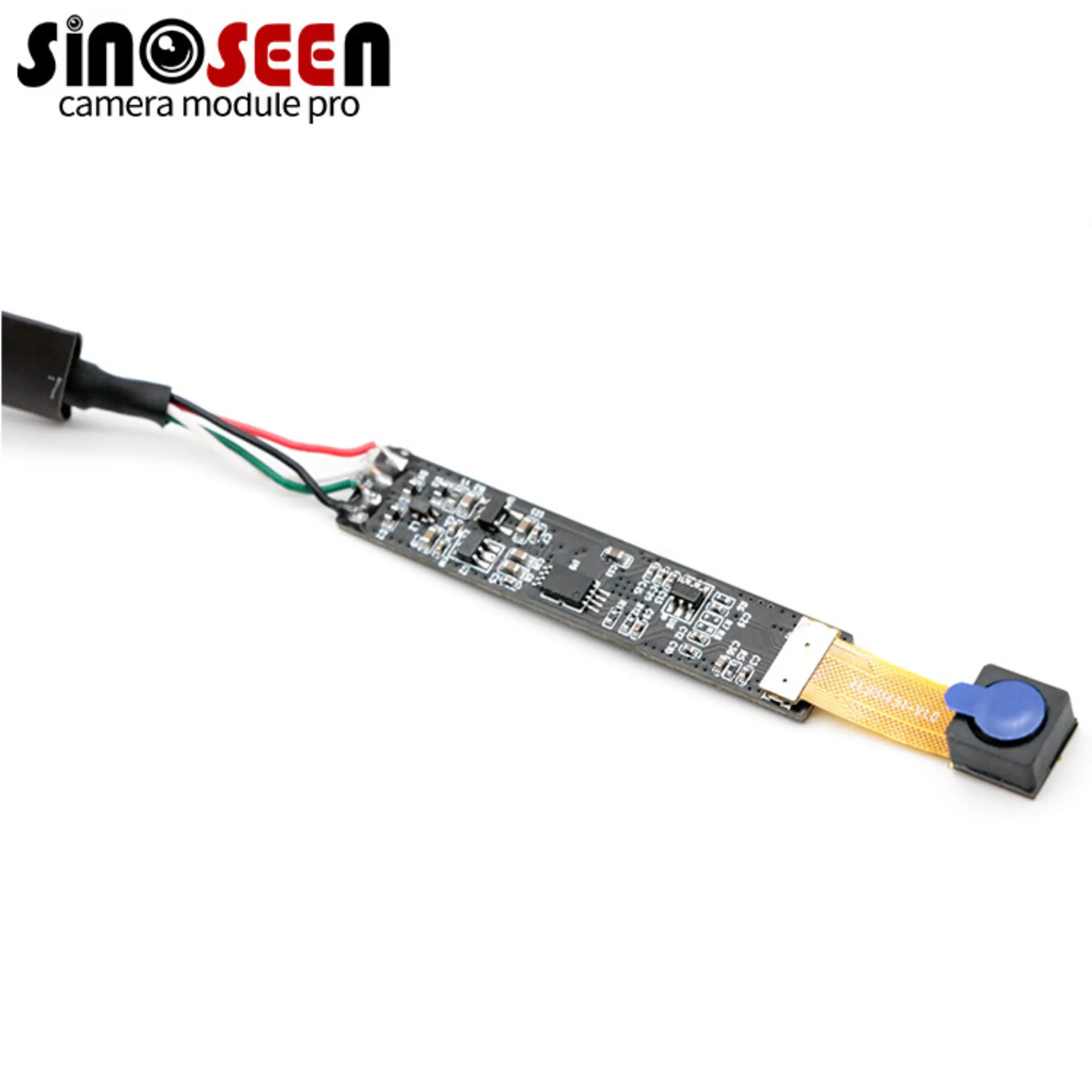
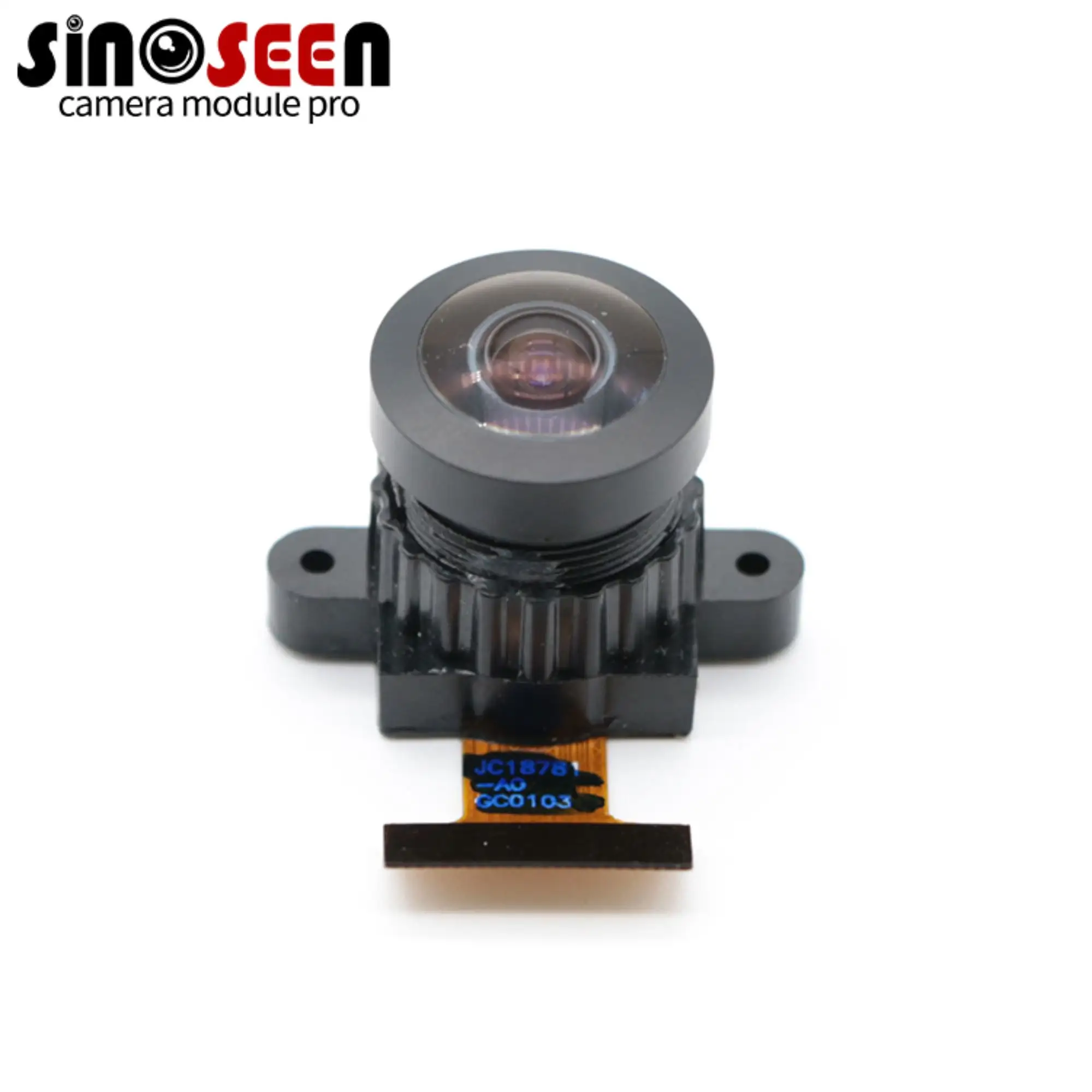
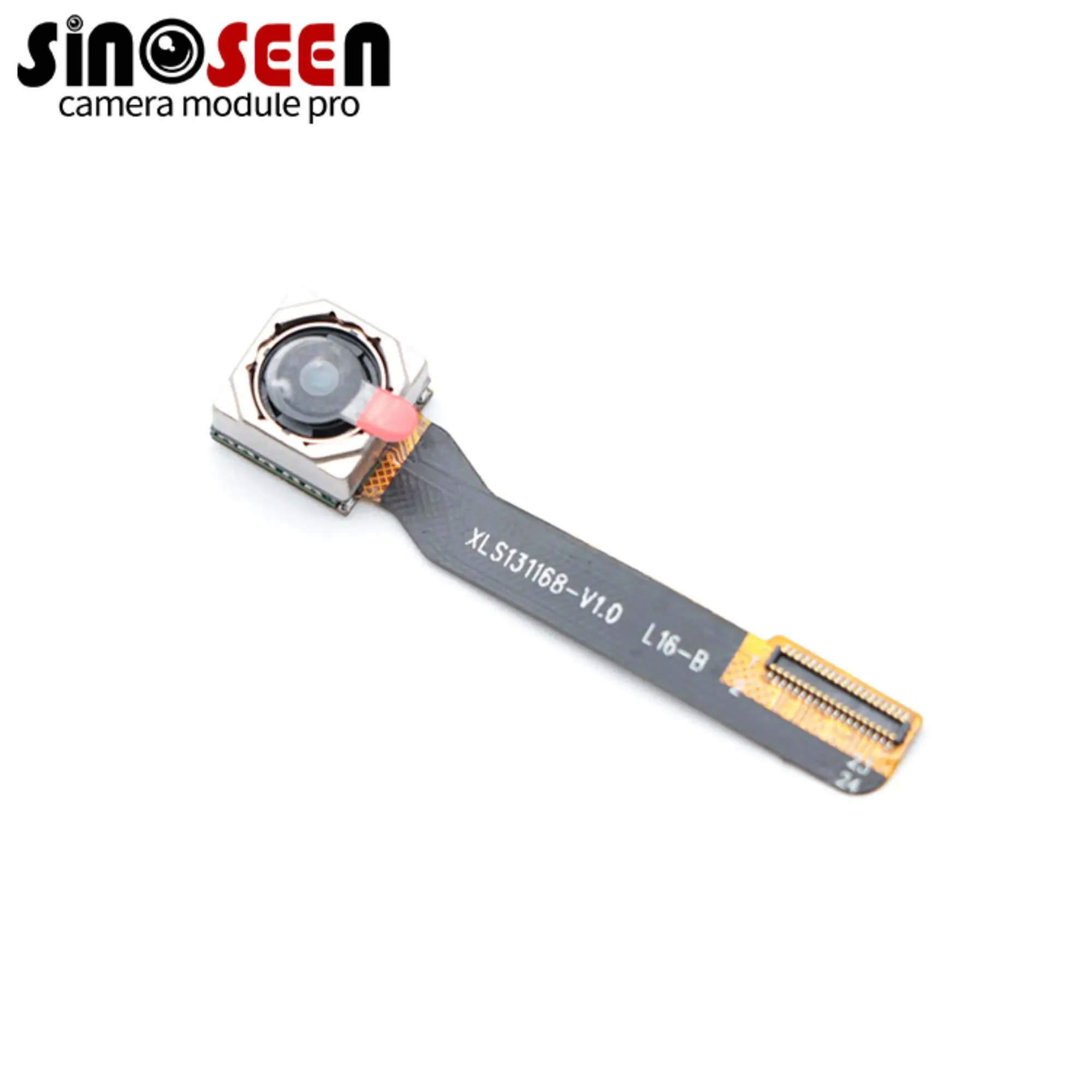
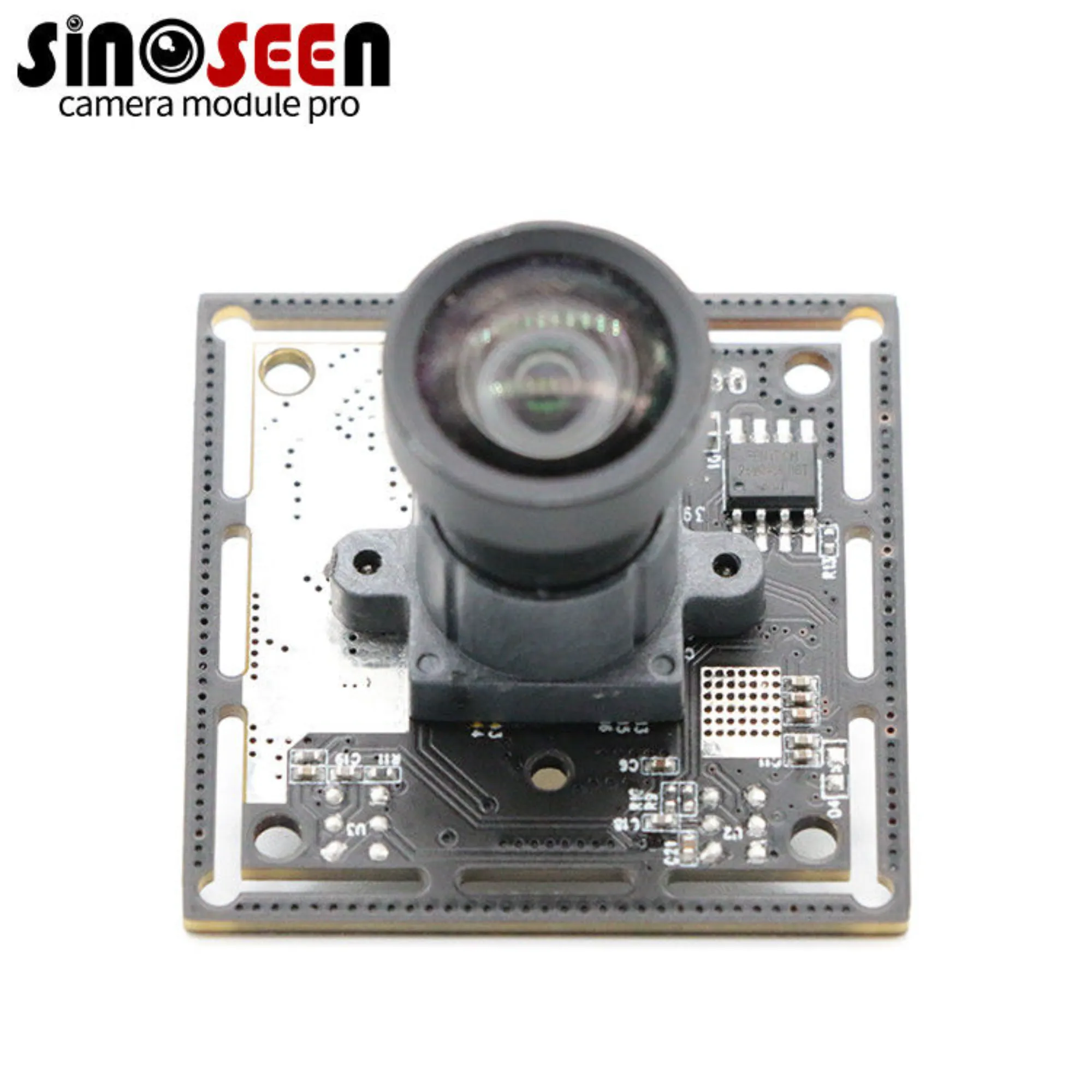
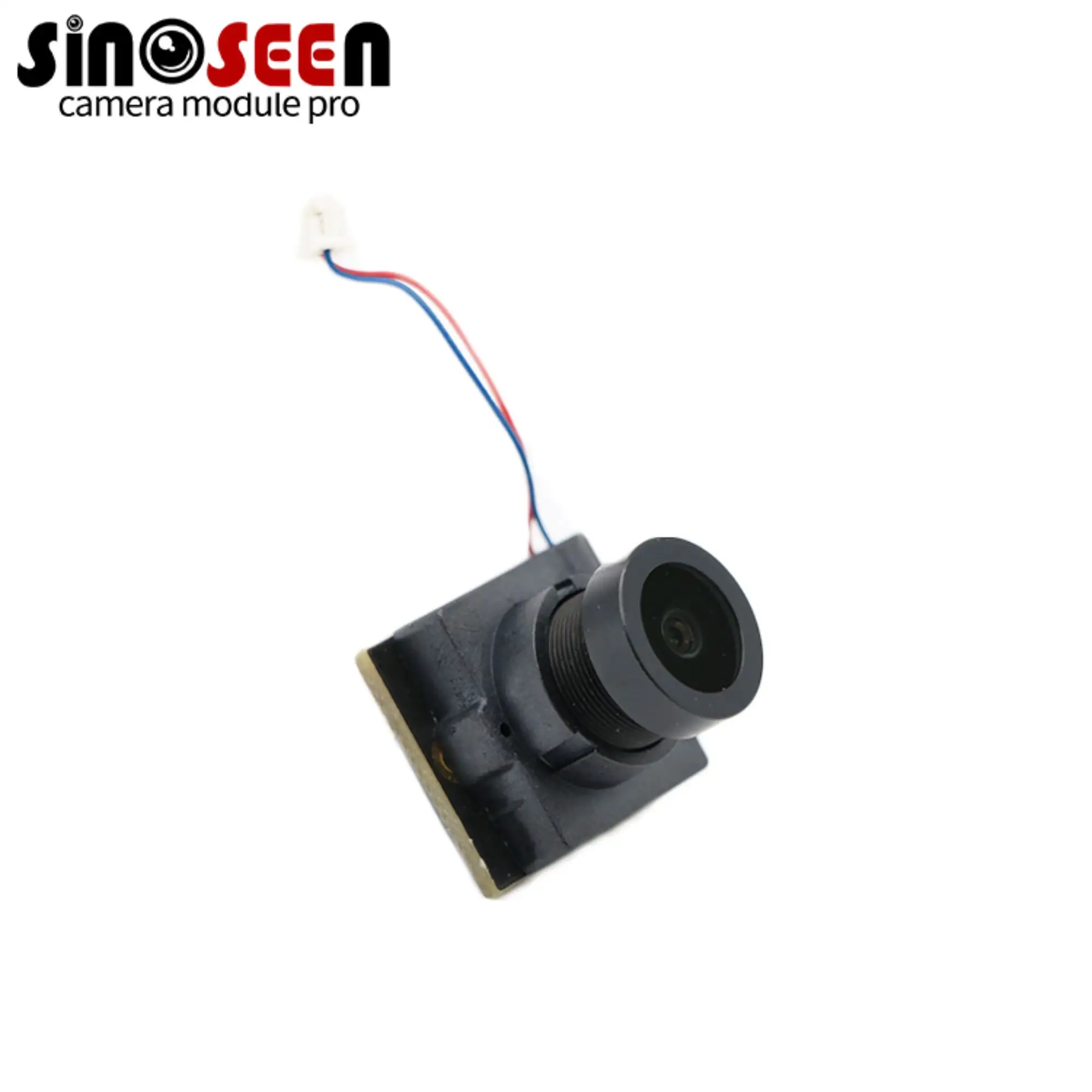
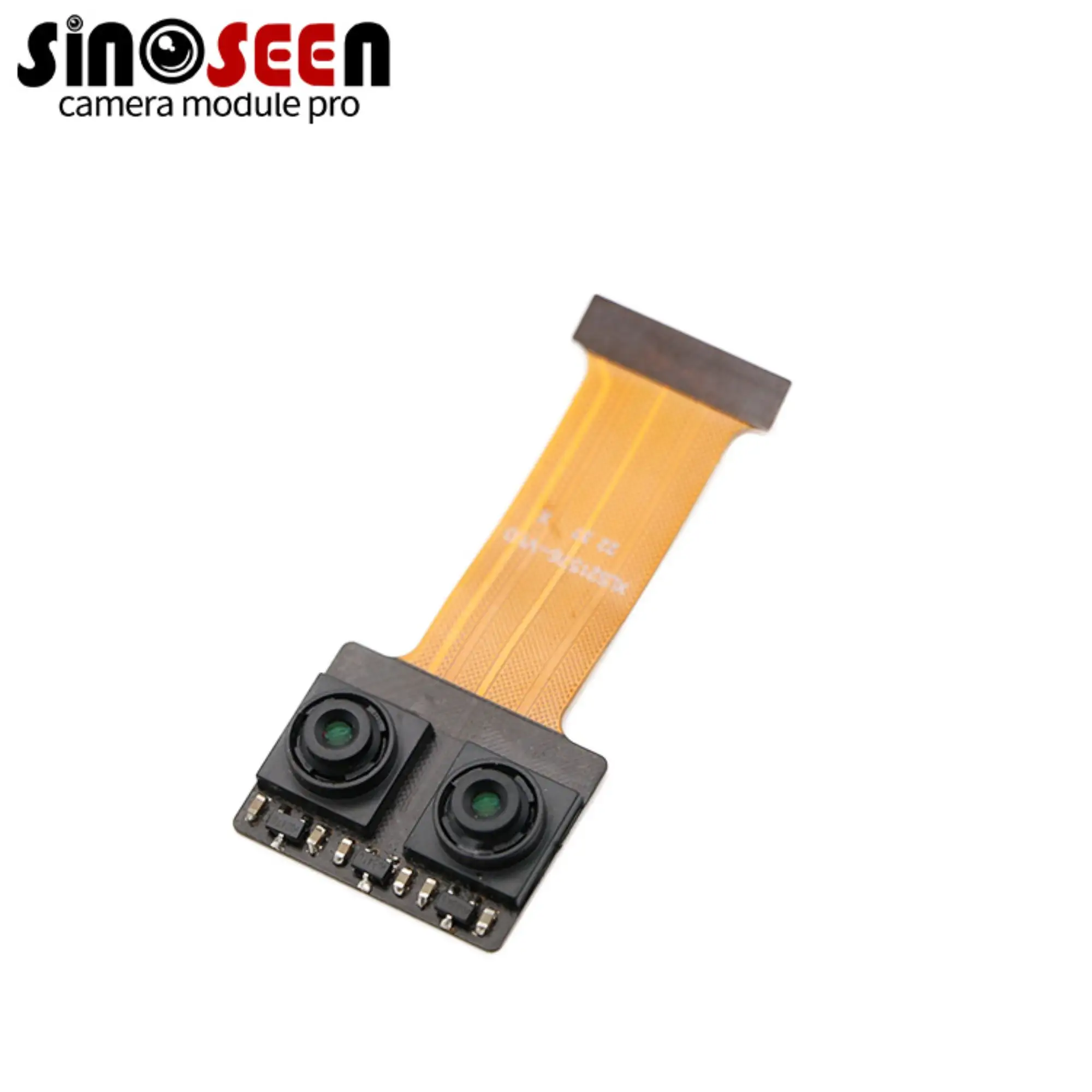
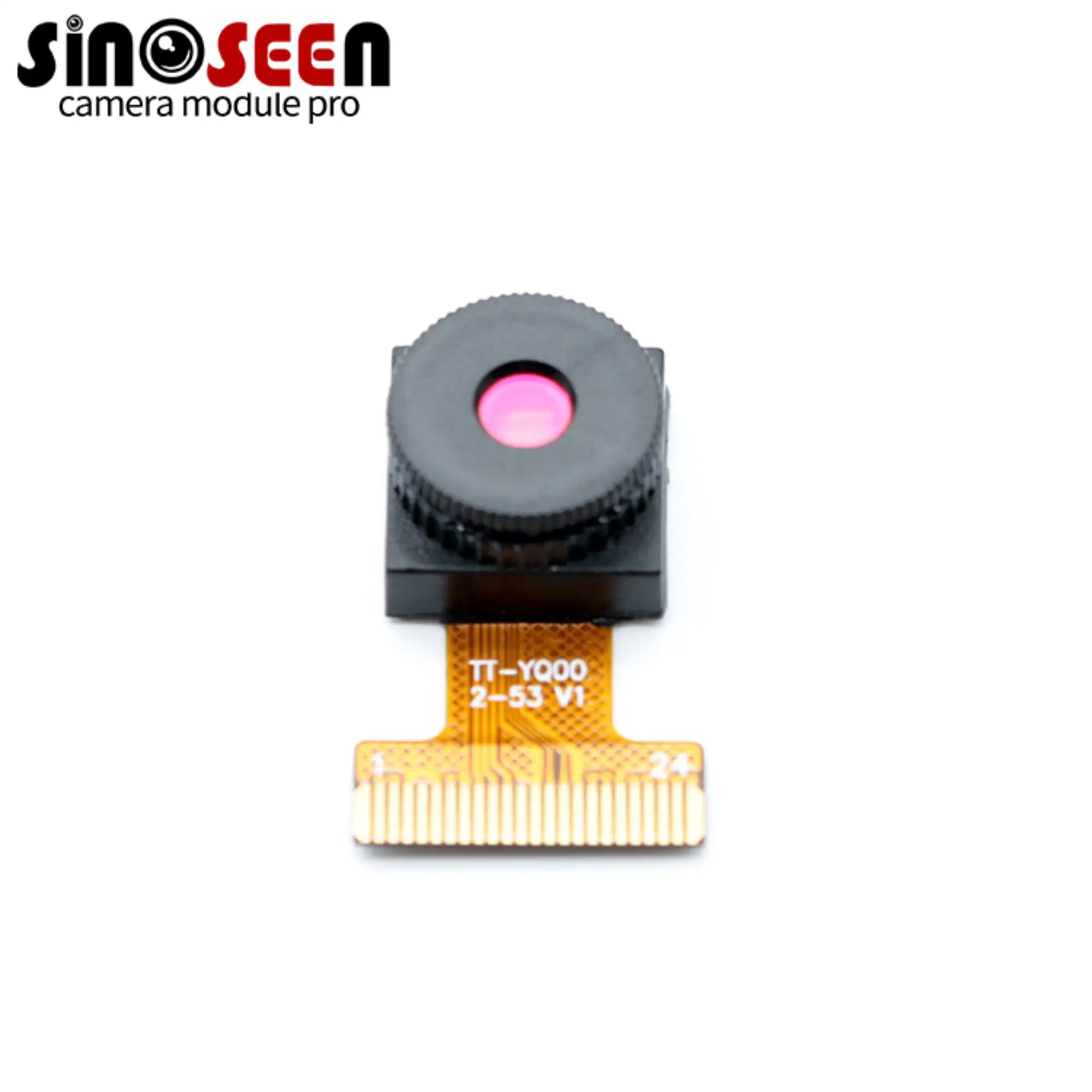
An IR camera board module represents a compact, integrated thermal imaging solution that captures infrared radiation emitted by objects to create detailed thermal images. This sophisticated electronic component combines an infrared sensor, processing circuitry, and interface connections on a single printed circuit board, making it an essential component for various thermal detection and monitoring applications. The IR camera board module operates by detecting heat signatures across different temperature ranges, converting thermal energy into electrical signals that are processed to generate visible thermal images. Modern IR camera board modules incorporate advanced microbolometer technology, which enables them to detect minute temperature differences with remarkable precision. These modules typically feature resolution capabilities ranging from 80x60 pixels to 640x480 pixels or higher, depending on the specific model and intended application. The core functionality of an IR camera board module centers around its ability to provide real-time thermal imaging without requiring external cooling systems, unlike traditional thermal cameras. This uncooled design significantly reduces power consumption while maintaining excellent thermal sensitivity. The module includes built-in analog-to-digital converters, image processing algorithms, and communication interfaces such as USB, UART, or I2C connections. Temperature measurement accuracy is another critical feature, with many IR camera board modules capable of detecting temperature variations as small as 0.1 degrees Celsius. The compact form factor of these modules makes them ideal for integration into portable devices, embedded systems, and IoT applications. Advanced models incorporate features like automatic gain control, bad pixel correction, and temperature compensation to ensure consistent image quality across varying environmental conditions. The IR camera board module also supports various output formats including raw thermal data, processed images, and real-time video streams, providing flexibility for different implementation requirements.

Popular Products

The IR camera board module offers numerous practical benefits that make it an attractive solution for businesses and developers seeking reliable thermal imaging capabilities. One primary advantage is the significant cost reduction compared to traditional thermal imaging systems. By integrating multiple components onto a single board, manufacturers eliminate the need for separate housings, complex wiring, and additional processing units, resulting in substantial cost savings for end users. The compact design enables easy integration into existing products without requiring extensive modifications to hardware or software architectures. Installation becomes remarkably straightforward, as the IR camera board module typically requires only power supply connections and a simple communication interface to begin operation. This plug-and-play functionality reduces development time and accelerates product time-to-market for companies incorporating thermal imaging features. Power efficiency represents another major advantage, with most IR camera board modules consuming significantly less energy than conventional thermal cameras. This low power consumption extends battery life in portable applications and reduces operational costs in continuous monitoring scenarios. The module's versatility allows deployment across diverse industries and applications, from medical diagnostics and building inspection to industrial automation and security systems. Real-time processing capabilities enable immediate thermal analysis and response, which is crucial for safety-critical applications and automated systems. The IR camera board module also provides excellent durability and reliability, designed to withstand harsh environmental conditions including temperature extremes, humidity, and vibration. Many modules feature industrial-grade components that ensure consistent performance over extended operational periods. Maintenance requirements are minimal due to the solid-state design with no moving parts, reducing long-term ownership costs. The standardized interfaces and protocols supported by IR camera board modules facilitate seamless integration with existing control systems and software platforms. Additionally, the modules often include comprehensive software development kits and documentation, enabling rapid prototype development and customization. Scalability becomes achievable as multiple modules can be networked together for larger monitoring systems or multi-point temperature measurement applications.

Practical Tips

Why Choose a High-Performance Embedded Camera Module for AI Applications?

02

Mar

Why Choose a High-Performance Embedded Camera Module for AI Applications?

Artificial intelligence applications demand precision, speed, and reliability in their visual data acquisition systems. An embedded camera module serves as the critical foundation for AI-powered devices, from autonomous vehicles to smart manufacturin...
View More
 How to Select the Right AI Camera Module for Facial Recognition Systems?

02

Mar

How to Select the Right AI Camera Module for Facial Recognition Systems?

Selecting the appropriate AI camera module for facial recognition systems represents a critical decision that directly impacts system performance, accuracy, and overall operational efficiency. Modern facial recognition applications demand sophisticat...
View More
How to Integrate a Small Camera Module into Compact Medical Devices?

02

Mar

How to Integrate a Small Camera Module into Compact Medical Devices?

Medical device miniaturization continues to revolutionize healthcare, enabling less invasive procedures and improved patient outcomes. When designing compact medical equipment, integrating a small camera module requires careful consideration of space...
View More
Why do Robotics Manufacturers Prefer High-Speed AI Camera Modules?

02

Mar

Why do Robotics Manufacturers Prefer High-Speed AI Camera Modules?

The robotics industry has experienced unprecedented growth in recent years, with manufacturers increasingly demanding sophisticated vision systems that can process visual data at lightning speed. High-speed AI camera modules have emerged as the corne...
View More

Get In Touch

ir camera board module

Advanced Thermal Sensitivity and Precision Temperature Detection

Advanced Thermal Sensitivity and Precision Temperature Detection

The IR camera board module excels in delivering exceptional thermal sensitivity that surpasses traditional temperature measurement methods, making it indispensable for applications requiring precise thermal analysis. This advanced capability stems from sophisticated microbolometer technology integrated within the module, which can detect thermal radiation across a broad spectrum of wavelengths. The thermal sensitivity of modern IR camera board modules typically reaches levels of 50mK or better, meaning they can distinguish temperature differences as small as 0.05 degrees Celsius. This remarkable precision enables users to identify subtle thermal variations that might indicate equipment malfunctions, energy inefficiencies, or potential safety hazards before they become critical issues. The module's ability to provide accurate temperature readings across wide temperature ranges, often spanning from -20°C to 400°C or beyond, makes it suitable for diverse industrial and commercial applications. In medical applications, this precision allows for non-contact body temperature screening and early detection of inflammation or circulation issues. For building diagnostics, the IR camera board module can identify thermal bridges, insulation gaps, and HVAC system inefficiencies with unprecedented accuracy. The module incorporates advanced calibration algorithms that maintain measurement accuracy across varying ambient temperatures and environmental conditions. Real-time temperature compensation ensures consistent performance regardless of the operating environment, while automatic gain control optimizes image quality across different thermal scenes. The precision extends to spatial resolution, with high-end IR camera board modules providing detailed thermal maps that reveal temperature variations across small areas. This capability proves invaluable in electronics testing, where identifying hot spots on circuit boards can prevent component failures and improve product reliability. The module's fast response time, typically measured in milliseconds, enables real-time monitoring of rapidly changing thermal conditions, making it ideal for process control and safety monitoring applications where immediate response is critical.
Seamless Integration and User-Friendly Implementation

Seamless Integration and User-Friendly Implementation

The IR camera board module stands out for its exceptional ease of integration and implementation, designed specifically to simplify the incorporation of thermal imaging capabilities into existing systems and new product developments. This user-friendly approach eliminates many traditional barriers associated with thermal imaging technology adoption, making advanced infrared sensing accessible to a broader range of applications and users. The module features standardized interfaces including USB, I2C, SPI, and UART connections that ensure compatibility with virtually any host system or microcontroller platform. This standardization means developers can integrate the IR camera board module without extensive hardware modifications or complex interface development. The plug-and-play nature of these modules significantly reduces development time, allowing engineers to focus on application-specific features rather than low-level thermal imaging implementation details. Comprehensive software development kits accompany most IR camera board modules, providing ready-to-use libraries, sample code, and detailed documentation that accelerate the development process. These SDKs typically support multiple programming languages and development environments, ensuring compatibility with existing software architectures. The module's compact form factor, often measuring just a few centimeters in each dimension, enables integration into space-constrained applications such as handheld devices, drones, and embedded monitoring systems. Power requirements are optimized for battery-powered applications, with many IR camera board modules operating efficiently on standard 3.3V or 5V supplies while consuming minimal current during operation. The module includes built-in image processing capabilities that handle complex thermal image conversion and enhancement, eliminating the need for external processing hardware. This integrated approach simplifies system design and reduces component costs while ensuring optimal image quality. Configuration and calibration procedures are streamlined through user-friendly software tools that guide users through setup processes, making the technology accessible even to those without extensive thermal imaging experience. The module's robust design ensures reliable operation across industrial temperature ranges and environmental conditions, reducing maintenance requirements and ensuring consistent performance in demanding applications.
Versatile Applications and Future-Ready Technology

Versatile Applications and Future-Ready Technology

The IR camera board module demonstrates remarkable versatility across numerous industries and applications, positioning itself as a future-ready technology that adapts to evolving market demands and emerging use cases. This adaptability makes the IR camera board module an intelligent investment for organizations looking to implement thermal imaging solutions that can grow and evolve with their needs. In industrial automation, the module serves critical roles in predictive maintenance programs, where it monitors equipment temperatures to predict failures before they occur, reducing downtime and maintenance costs. Manufacturing quality control benefits from the module's ability to detect thermal anomalies in production processes, ensuring product quality and process optimization. The security and surveillance sector leverages IR camera board modules for perimeter monitoring, intrusion detection, and night vision applications, where traditional visible light cameras prove inadequate. Medical and healthcare applications utilize these modules for non-contact temperature screening, fever detection systems, and diagnostic imaging applications that require precise thermal measurement without patient contact. Building automation systems incorporate IR camera board modules for energy efficiency monitoring, HVAC optimization, and occupancy detection, contributing to smart building initiatives and sustainability goals. The agricultural sector employs these modules for crop monitoring, irrigation management, and livestock health assessment, supporting precision agriculture practices. Automotive applications include driver assistance systems, tire pressure monitoring, and engine thermal management, where the compact size and reliability of the IR camera board module prove essential. Research and development organizations utilize these modules for thermal analysis, material testing, and experimental monitoring across various scientific disciplines. The module's compatibility with Internet of Things architectures enables remote monitoring and data collection, supporting Industry 4.0 initiatives and connected device ecosystems. Artificial intelligence integration capabilities allow the IR camera board module to support machine learning algorithms for automated thermal pattern recognition and predictive analysis. The technology continues evolving with improvements in resolution, sensitivity, and processing power, ensuring long-term relevance and value. Emerging applications in renewable energy monitoring, environmental sensing, and smart city infrastructure demonstrate the expanding potential of IR camera board module technology.

Related Search

Get in touch