Innovative Camera Modules for Every Application | Sinoseen

All Categories

esp32 imaging module

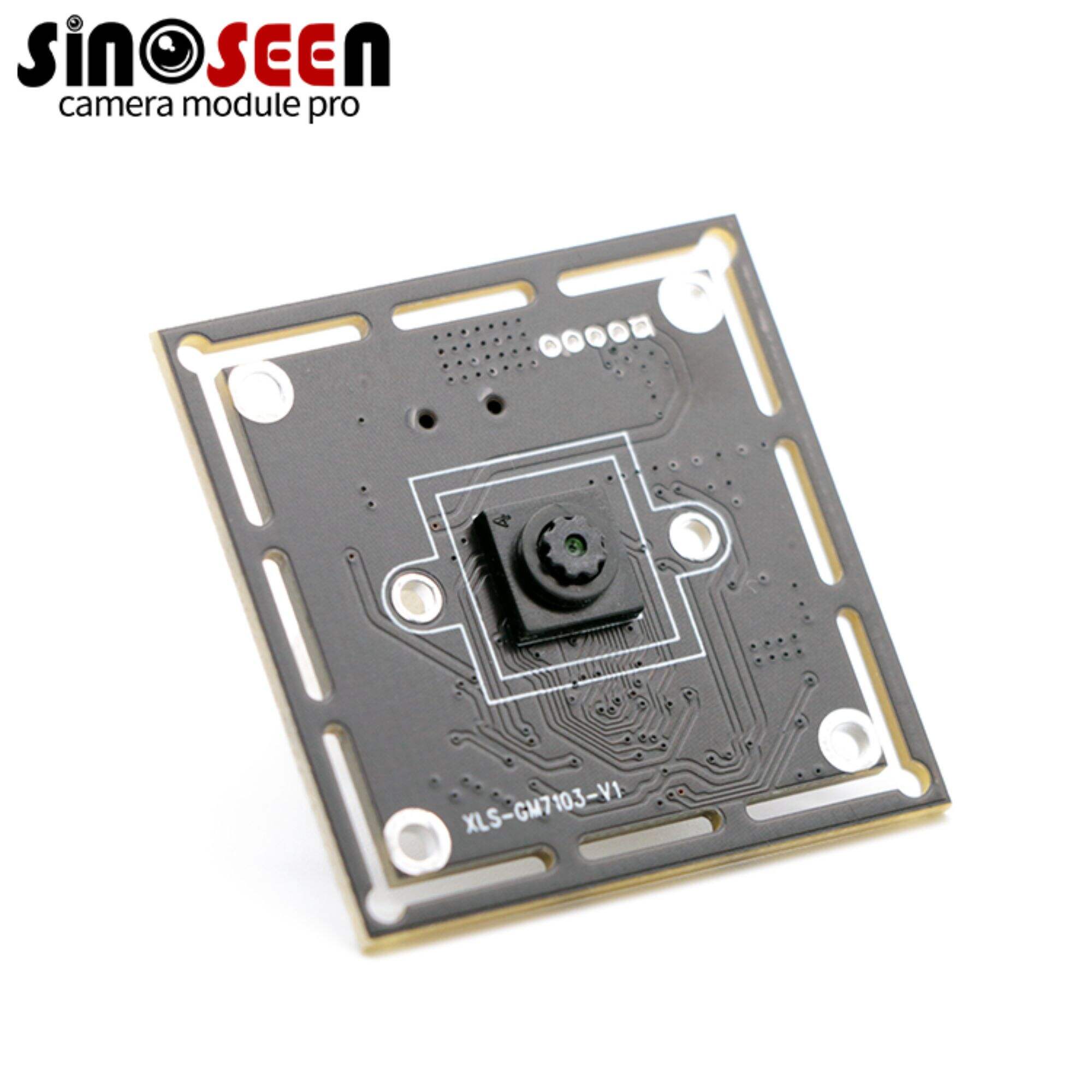
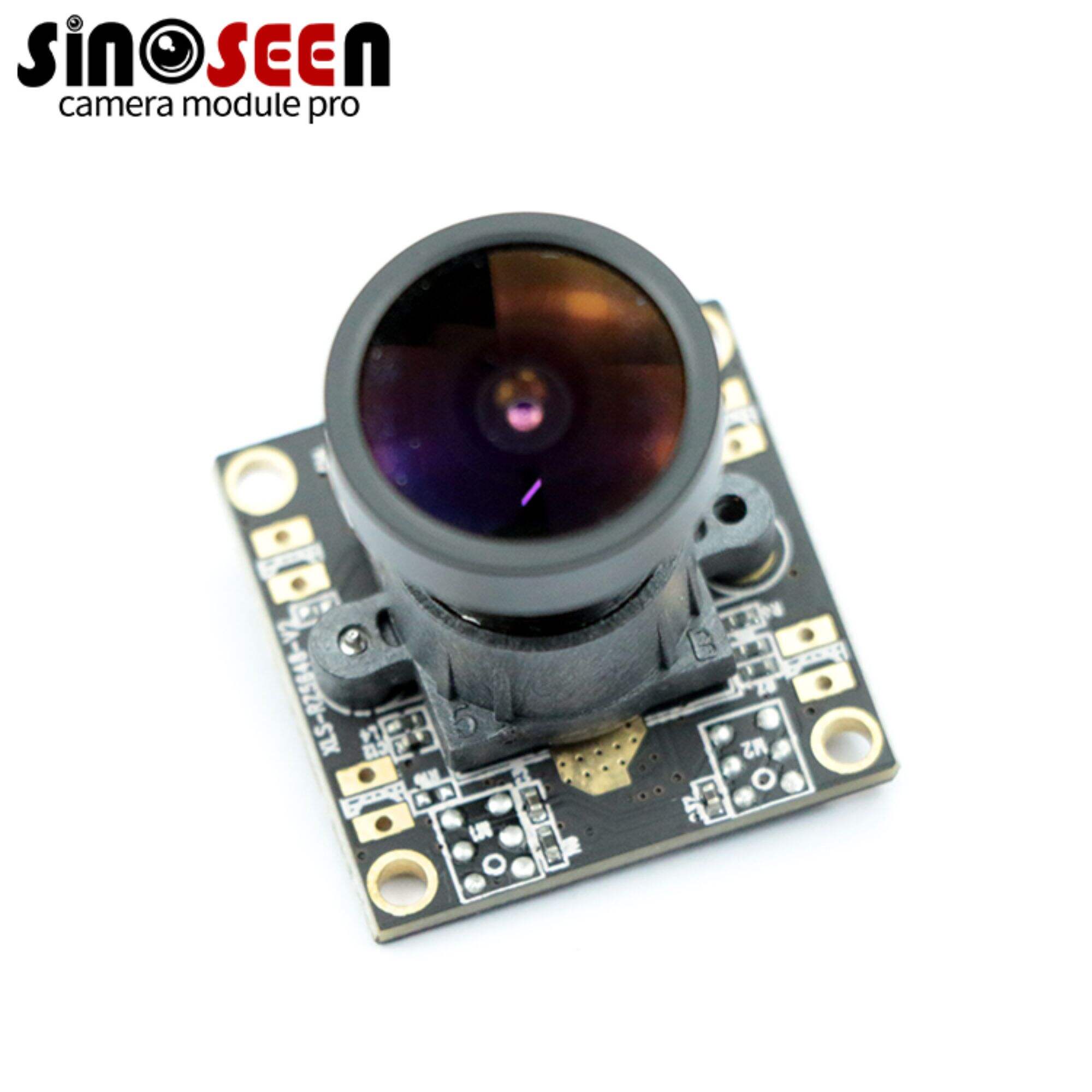
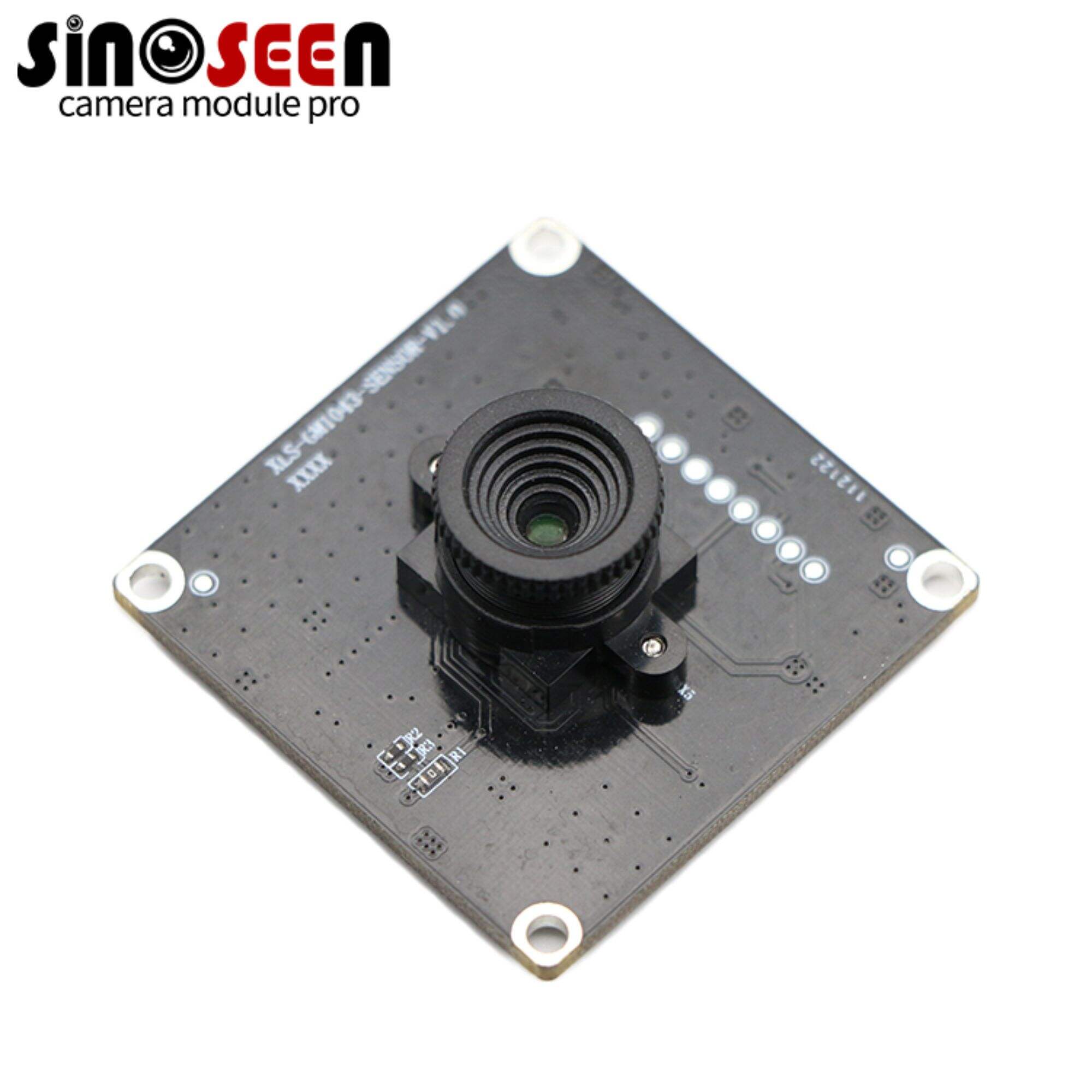
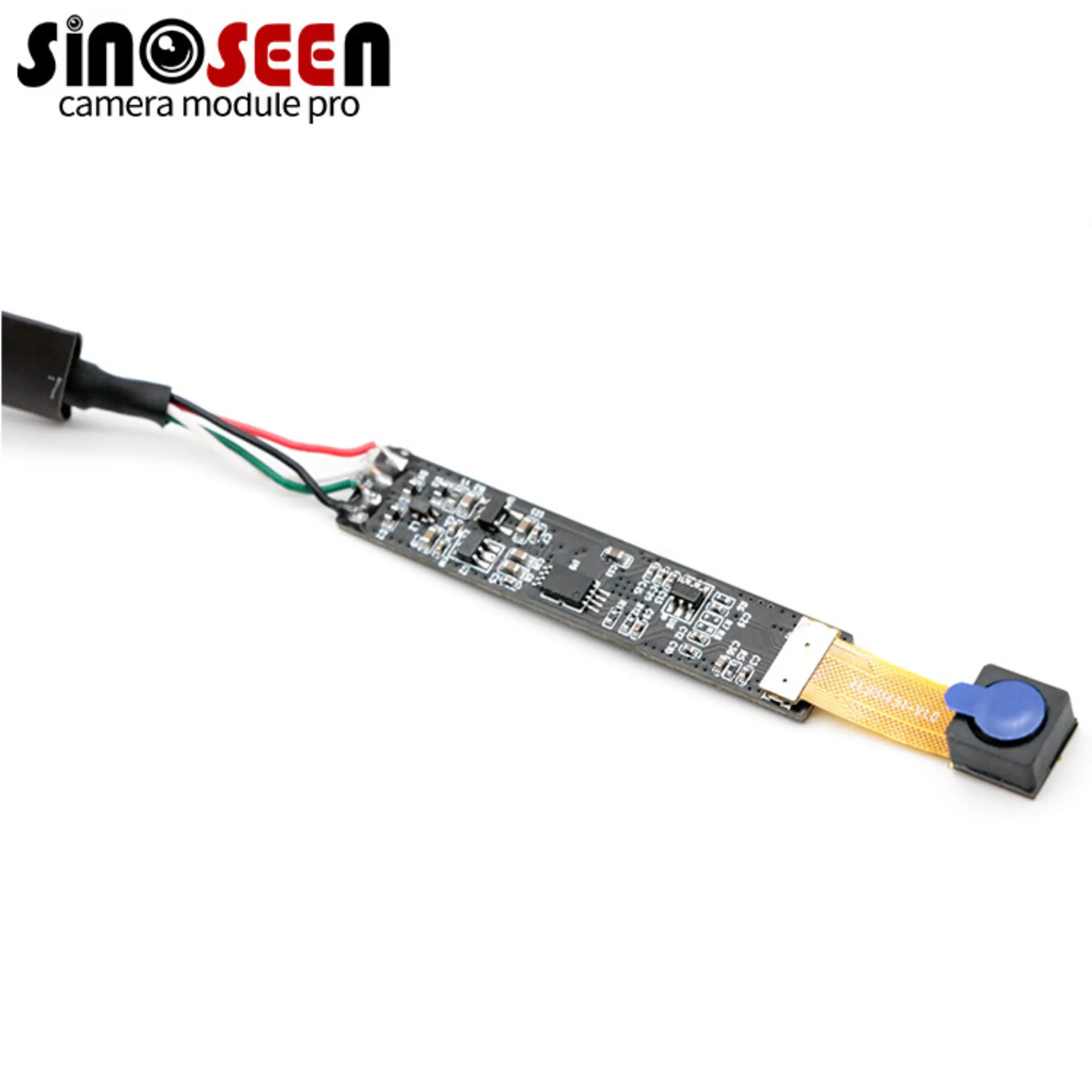
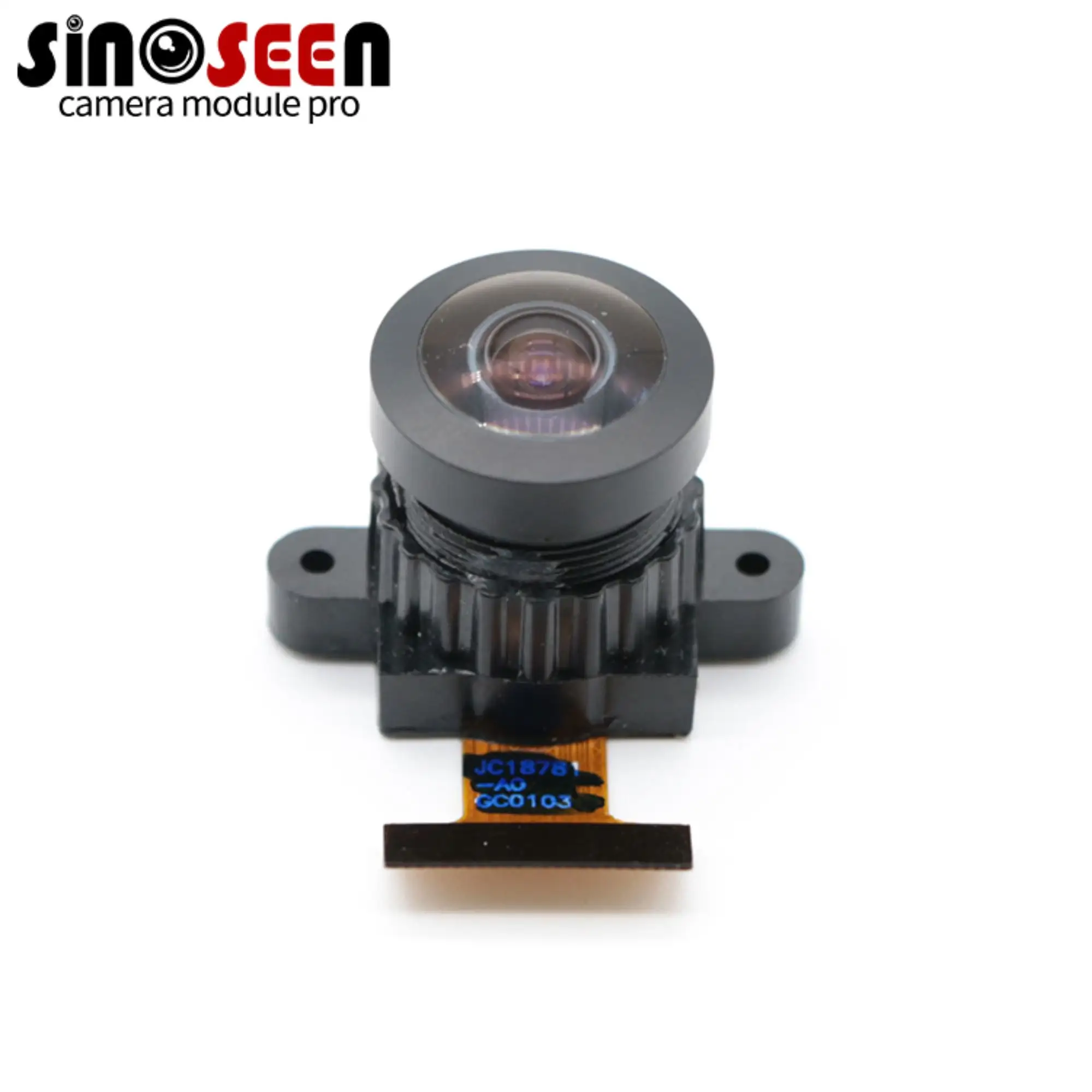
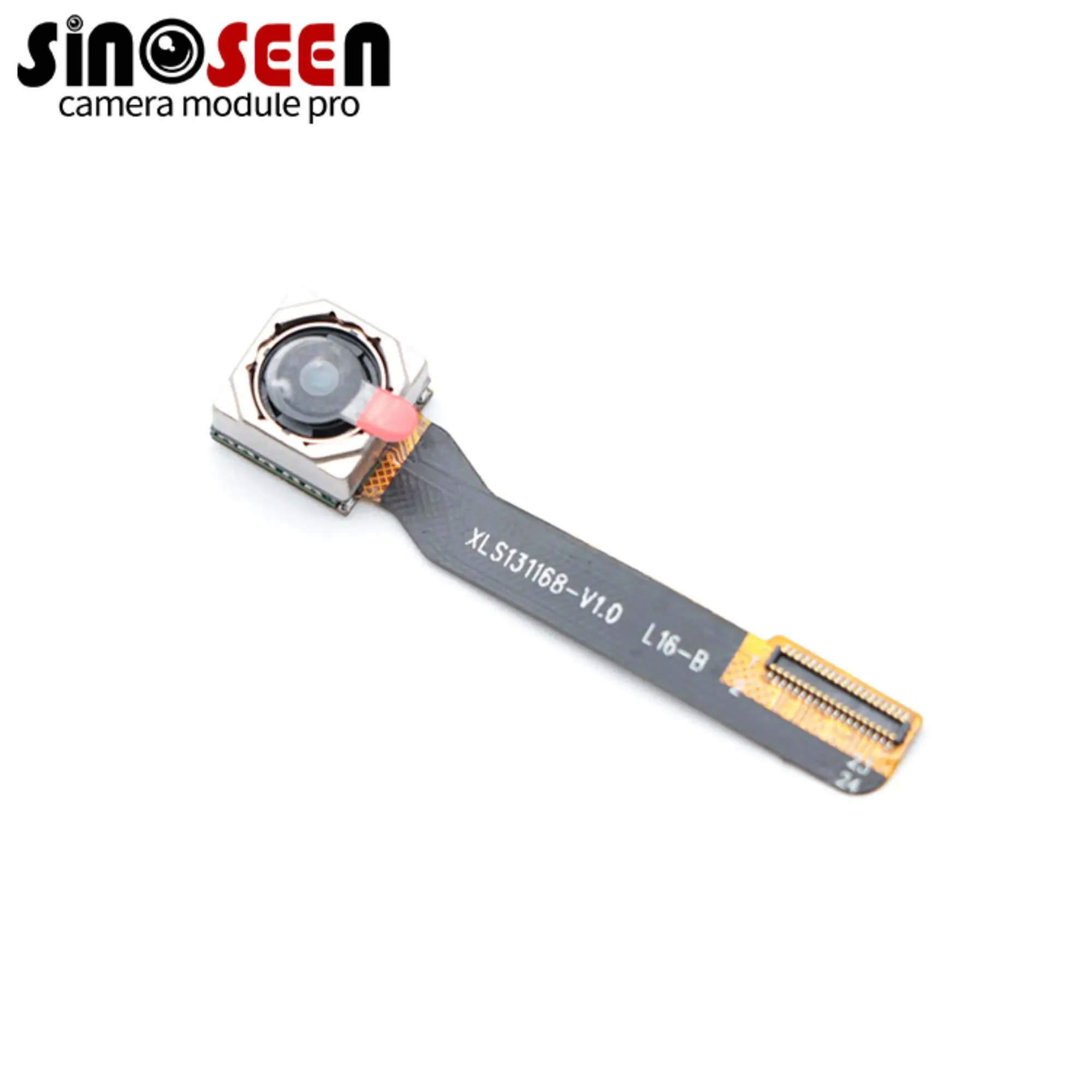
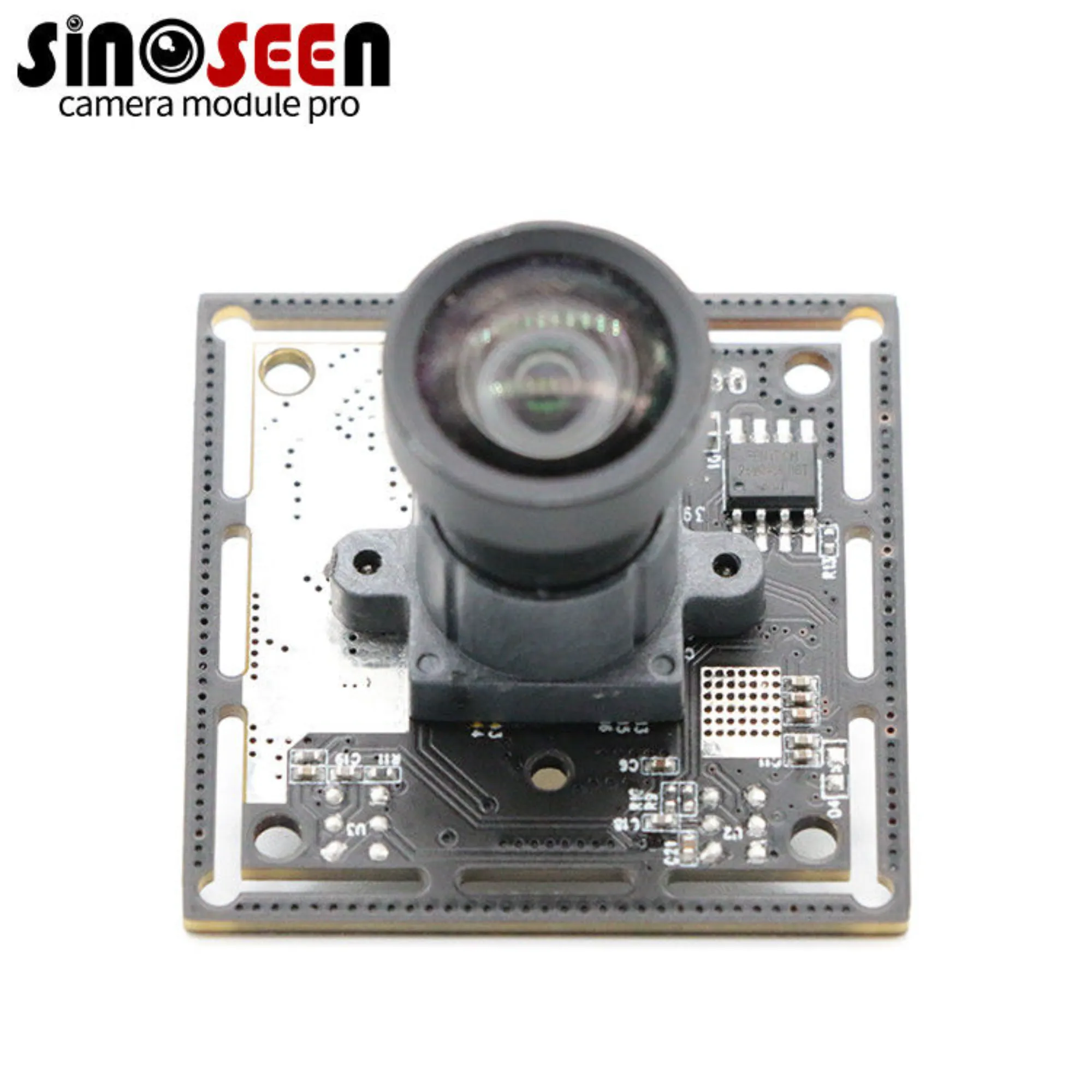
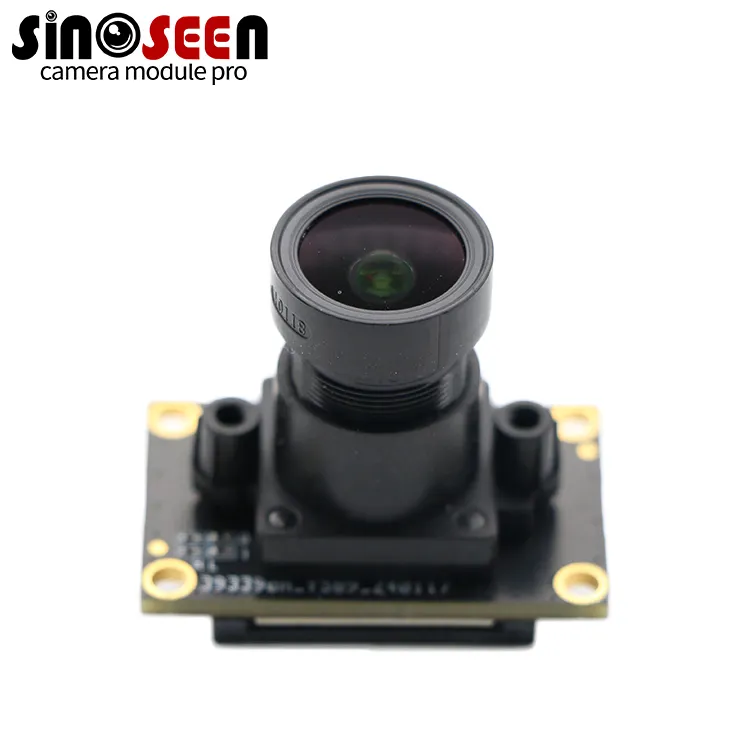
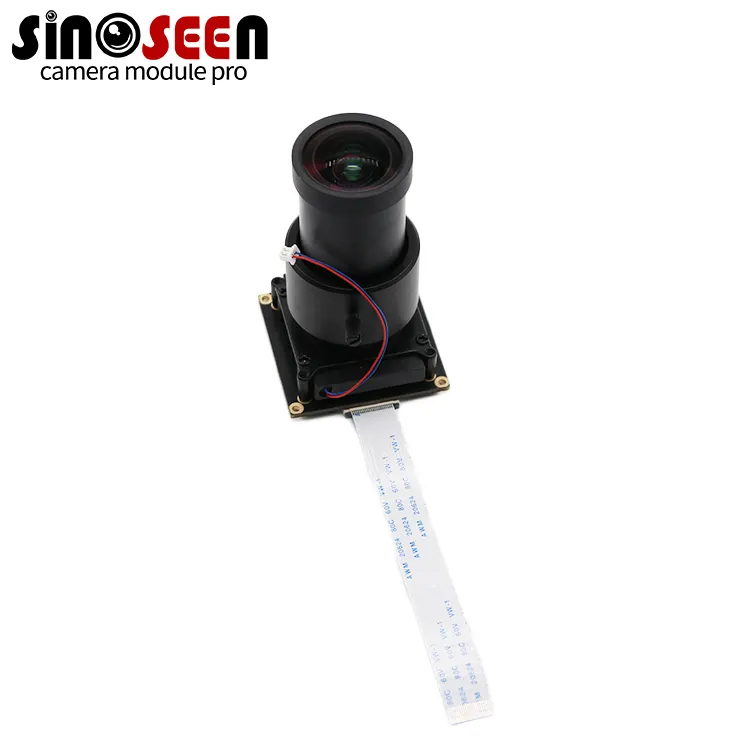
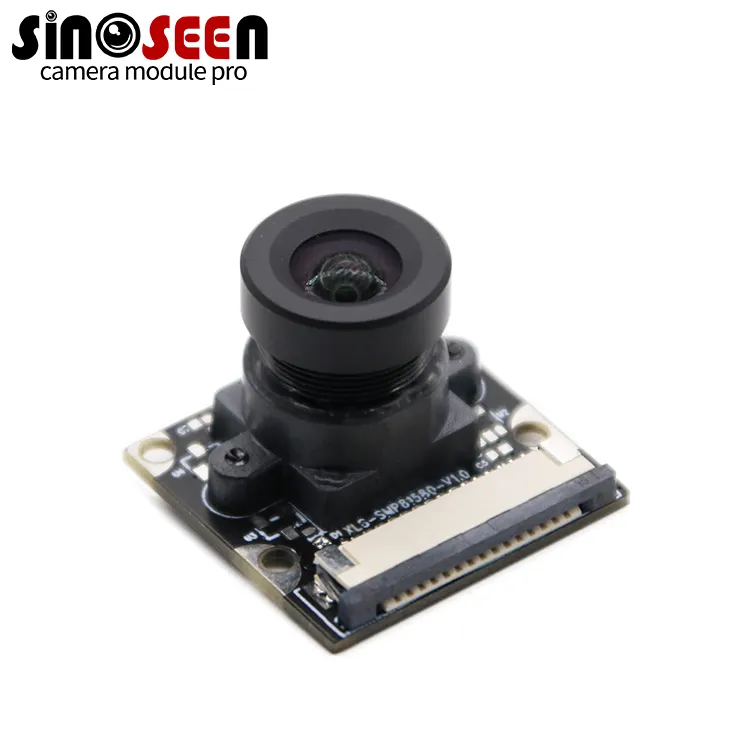
The ESP32 imaging module represents a revolutionary advancement in embedded vision technology, combining the powerful dual-core ESP32 microcontroller with sophisticated camera capabilities. This compact yet feature-rich module integrates seamlessly into Internet of Things projects, providing developers and engineers with an affordable solution for capturing, processing, and transmitting visual data. The ESP32 imaging module typically incorporates a high-resolution camera sensor capable of recording video and capturing still images with remarkable clarity. Built upon the robust ESP32 platform, this module delivers exceptional wireless connectivity through built-in Wi-Fi and Bluetooth capabilities, enabling real-time image streaming and remote monitoring applications. The module's architecture supports various camera interfaces, including parallel and serial connections, accommodating different sensor types and resolution requirements. Advanced image processing functions are handled efficiently by the ESP32's dedicated hardware acceleration, allowing for real-time image manipulation, compression, and analysis without compromising system performance. The ESP32 imaging module supports multiple image formats including JPEG, RGB, and YUV, providing flexibility for diverse application requirements. Power management features ensure optimal energy consumption, making it suitable for battery-powered devices and portable applications. The module's compact form factor and standardized pin configuration facilitate easy integration into existing circuit designs and prototype development boards. Programming flexibility comes through comprehensive software development kits and libraries that support popular development environments like Arduino IDE and ESP-IDF framework. Security features embedded within the ESP32 imaging module include encryption capabilities and secure boot processes, protecting sensitive visual data during transmission and storage. The module's temperature tolerance and robust construction ensure reliable operation in various environmental conditions, from industrial automation to outdoor surveillance applications.

New Products

The ESP32 imaging module offers numerous practical benefits that make it an exceptional choice for developers, hobbyists, and commercial manufacturers seeking reliable visual sensing solutions. Cost-effectiveness stands as one of the most compelling advantages, delivering professional-grade imaging capabilities at a fraction of traditional camera module prices. This affordability enables broader adoption across educational institutions, startups, and large-scale manufacturing projects without compromising quality or functionality. The module's plug-and-play design significantly reduces development time and complexity, allowing users to quickly prototype and deploy imaging applications without extensive hardware modifications. Built-in wireless connectivity eliminates the need for additional communication modules, streamlining system architecture while reducing overall component costs and board space requirements. Real-time streaming capabilities enable immediate visual feedback and remote monitoring, essential for security systems, quality control processes, and interactive applications. The ESP32 imaging module's low power consumption extends battery life in portable devices, making it ideal for field research equipment, wildlife monitoring cameras, and mobile robotics applications. Scalability becomes effortless with standardized programming interfaces and extensive community support, enabling projects to grow from single-unit prototypes to mass-production implementations. The module's versatility accommodates various mounting options and mechanical configurations, adapting to different enclosure designs and installation requirements. Advanced image processing capabilities built into the ESP32 chipset perform complex operations like edge detection, motion tracking, and pattern recognition without requiring external processing units. This integration reduces system complexity while improving response times and overall reliability. Cloud connectivity features allow seamless integration with popular IoT platforms and data analytics services, enabling sophisticated image-based monitoring and automated decision-making systems. The module's robust construction and wide operating temperature range ensure consistent performance in challenging environments, from industrial manufacturing floors to outdoor weather stations. Comprehensive documentation and active developer communities provide extensive support resources, troubleshooting guides, and code examples that accelerate project development cycles and reduce learning curves for new users.

Latest News

Why Choose a High-Performance Embedded Camera Module for AI Applications?

02

Mar

Why Choose a High-Performance Embedded Camera Module for AI Applications?

Artificial intelligence applications demand precision, speed, and reliability in their visual data acquisition systems. An embedded camera module serves as the critical foundation for AI-powered devices, from autonomous vehicles to smart manufacturin...
View More
 How to Select the Right AI Camera Module for Facial Recognition Systems?

02

Mar

How to Select the Right AI Camera Module for Facial Recognition Systems?

Selecting the appropriate AI camera module for facial recognition systems represents a critical decision that directly impacts system performance, accuracy, and overall operational efficiency. Modern facial recognition applications demand sophisticat...
View More
How to Integrate a Small Camera Module into Compact Medical Devices?

02

Mar

How to Integrate a Small Camera Module into Compact Medical Devices?

Medical device miniaturization continues to revolutionize healthcare, enabling less invasive procedures and improved patient outcomes. When designing compact medical equipment, integrating a small camera module requires careful consideration of space...
View More
Why do Robotics Manufacturers Prefer High-Speed AI Camera Modules?

02

Mar

Why do Robotics Manufacturers Prefer High-Speed AI Camera Modules?

The robotics industry has experienced unprecedented growth in recent years, with manufacturers increasingly demanding sophisticated vision systems that can process visual data at lightning speed. High-speed AI camera modules have emerged as the corne...
View More

Get In Touch

esp32 imaging module

Advanced Real-Time Image Processing with Integrated AI Capabilities

Advanced Real-Time Image Processing with Integrated AI Capabilities

The ESP32 imaging module incorporates sophisticated artificial intelligence processing capabilities that transform raw visual data into actionable insights without requiring external computing resources. This remarkable feature leverages the ESP32's dual-core architecture and specialized instruction sets to perform complex image analysis tasks including facial recognition, object detection, motion tracking, and pattern identification directly on the device. The integrated AI functionality eliminates latency issues associated with cloud-based processing while ensuring data privacy by keeping sensitive visual information local to the device. Machine learning algorithms optimized for the ESP32 platform enable the module to learn and adapt to specific environmental conditions, improving accuracy over time through continuous operation. The real-time processing capabilities support frame rates up to 60 frames per second for standard resolution applications, ensuring smooth video streaming and responsive interactive systems. Advanced filtering algorithms reduce noise and enhance image quality automatically, compensating for varying lighting conditions and environmental factors that typically degrade visual data quality. The module's AI processing extends to predictive analytics, enabling proactive system responses based on visual pattern recognition and behavioral analysis. Edge computing capabilities built into the ESP32 imaging module process data locally, reducing bandwidth requirements and improving system responsiveness while maintaining robust security protocols. Custom AI models can be trained and deployed directly onto the module, allowing specialized applications to optimize performance for specific use cases such as industrial quality control, agricultural monitoring, or wildlife observation. The integration of hardware-accelerated neural network processing ensures efficient execution of complex algorithms while maintaining low power consumption essential for battery-operated devices. This advanced processing capability positions the ESP32 imaging module as a complete vision solution rather than simply a camera interface, providing developers with powerful tools for creating intelligent, autonomous systems that respond dynamically to visual stimuli and environmental changes.
Seamless Wireless Connectivity and Cloud Integration

Seamless Wireless Connectivity and Cloud Integration

The ESP32 imaging module excels in wireless communication capabilities, featuring dual-band Wi-Fi connectivity that supports both 2.4GHz and 5GHz frequencies for optimal network performance and reduced interference. This advanced connectivity enables seamless integration with existing network infrastructure while providing reliable high-speed data transmission for real-time image streaming and remote system management. Bluetooth Low Energy functionality complements Wi-Fi capabilities, allowing local device pairing and configuration without requiring network access, essential for field deployment and maintenance scenarios. The module's wireless architecture supports multiple concurrent connections, enabling simultaneous data streaming to various endpoints including mobile applications, web dashboards, and cloud storage services. Advanced security protocols including WPA3 encryption and TLS/SSL secure socket layers protect visual data during transmission, ensuring privacy compliance and preventing unauthorized access to sensitive imagery. Cloud integration capabilities facilitate automatic synchronization with popular IoT platforms such as Amazon AWS, Microsoft Azure, and Google Cloud Platform, enabling sophisticated analytics and machine learning processing in distributed computing environments. The ESP32 imaging module supports over-the-air firmware updates, allowing remote maintenance and feature enhancements without physical access to deployed devices. This capability proves invaluable for installations in remote locations or large-scale deployments where manual updates would be impractical or costly. Mesh networking capabilities enable multiple modules to form resilient communication networks, extending coverage areas and providing redundant data paths for critical applications. The module's adaptive transmission protocols automatically adjust data rates and compression levels based on network conditions, maintaining optimal performance across varying bandwidth scenarios. Real-time streaming protocols optimized for the ESP32 platform minimize latency while maximizing image quality, essential for interactive applications and time-sensitive monitoring systems. Integration with popular home automation platforms and industrial control systems becomes straightforward through standardized communication protocols and comprehensive API documentation, enabling rapid deployment in diverse application environments.
Ultra-Low Power Design with Intelligent Energy Management

Ultra-Low Power Design with Intelligent Energy Management

The ESP32 imaging module demonstrates exceptional energy efficiency through innovative power management technologies that significantly extend operational time in battery-powered applications while maintaining full imaging functionality. Advanced sleep modes intelligently reduce power consumption during inactive periods, automatically transitioning between deep sleep, light sleep, and active states based on programmed triggers and environmental conditions. The module's power optimization extends to the camera sensor itself, implementing dynamic clock scaling and selective component shutdown to minimize energy waste without compromising image quality or system responsiveness. Intelligent wake-up mechanisms respond to motion detection, scheduled intervals, or external triggers, ensuring the system activates only when needed while maintaining rapid response times for time-critical applications. Power consumption analysis shows the ESP32 imaging module consuming as little as 10 microamps during deep sleep modes, enabling months of operation from standard battery configurations in low-activity monitoring scenarios. The module's voltage regulation circuitry accommodates wide input ranges from 3.3V to 5V, supporting various power sources including lithium batteries, solar panels, and USB power supplies without requiring external voltage conversion components. Energy harvesting capabilities allow integration with renewable power sources such as photovoltaic panels and kinetic energy generators, creating truly autonomous imaging systems suitable for remote environmental monitoring and wildlife research applications. The power management system includes sophisticated battery monitoring features that track charge levels, estimate remaining operational time, and implement protective shutdowns to prevent deep discharge damage. Configurable power profiles enable users to balance performance requirements with energy consumption, optimizing system behavior for specific application needs ranging from high-frequency security monitoring to periodic environmental data collection. The module's efficient wireless transmission protocols minimize radio frequency power consumption while maintaining reliable connectivity, crucial for applications where power resources are limited but communication reliability remains essential. Advanced power scheduling algorithms coordinate imaging operations, data processing, and wireless transmission to minimize peak power demands and extend battery life through intelligent workload distribution across available energy resources.

Related Search

Get in touch